The 39 million American adults with some college, but no degree, deserve better opportunities than what our current system has to offer, writes Adam Bush, co-founder of College Unbound (CU), the nontraditional college, based in Providence, R.I. CU is designed specifically for working adults looking to advance in their current careers, move into new vocations or spark change that improves the quality of life for themselves and others. CU’s single major in "Organizational Leadership and Change" is built around student projects for which students meet weekly in professional or place-based cohorts to advance their scholarship, building community, engagement and momentum for learning. All students complete at least 10 credits for prior learning, accelerating their time to completion by more than three semesters. And College Unbound focuses on ways that college can be accessed through trusted providers of lifelong learning such as free "learning circles," with an option for college credit, such as the Providence Public Library and Providence Community Library.
|
|
Montserrat College President Kurt T. Steinberg announced he will step down as head of the arts college in Beverly, Mass. in January 2023 to become chief operating officer of the Peabody Essex Museum in neighboring Salem, Mass. ... Elms College named Andrew Coston, recent assistant dean of students and executive director of the Center for Career Development at Minnesota's Gustavus Adolphus College, to be the new vice president of student affairs at the Chicopee, Mass, college. ... Western Governors University named Cynthia Merrill, the former director of educator network at the Digital Citizenship Institute in Hartford, Conn., as director of the Northeast region for the nonprofit online university. ... Haystack Mountain School of Crafts appointed Perry Price, currently executive director of the Houston Center for Contemporary Craft in Texas, to be the new executive director of the cutting-edge craft education institution in Maine. ... See more on these and other developments in NEJHE's Comings and Goings tally of new appointments in New England higher ed and beyond.
Pictured: Kurt T. Steinberg
|
|
|
From time to time, NEJHE revives the presentation of facts and figures called Data Connection that we had published quarterly for nearly 20 years in the print editions of The New England Journal of Higher Education and its predecessor, Connection. This edition includes data on diversity, unions, absenteeism, book bans, school boards, legacy admissions and more.
|
|
|
Tidbits from the NEJHE Beat |
|
|
Brief items from the "NEJHE Beat"—that unique constellation of issues connected to higher education and also to social justice, economic and workforce development, regional cooperation, quality of life, academic research, workplaces and other topics that together say "NEJHE."
|
|
|
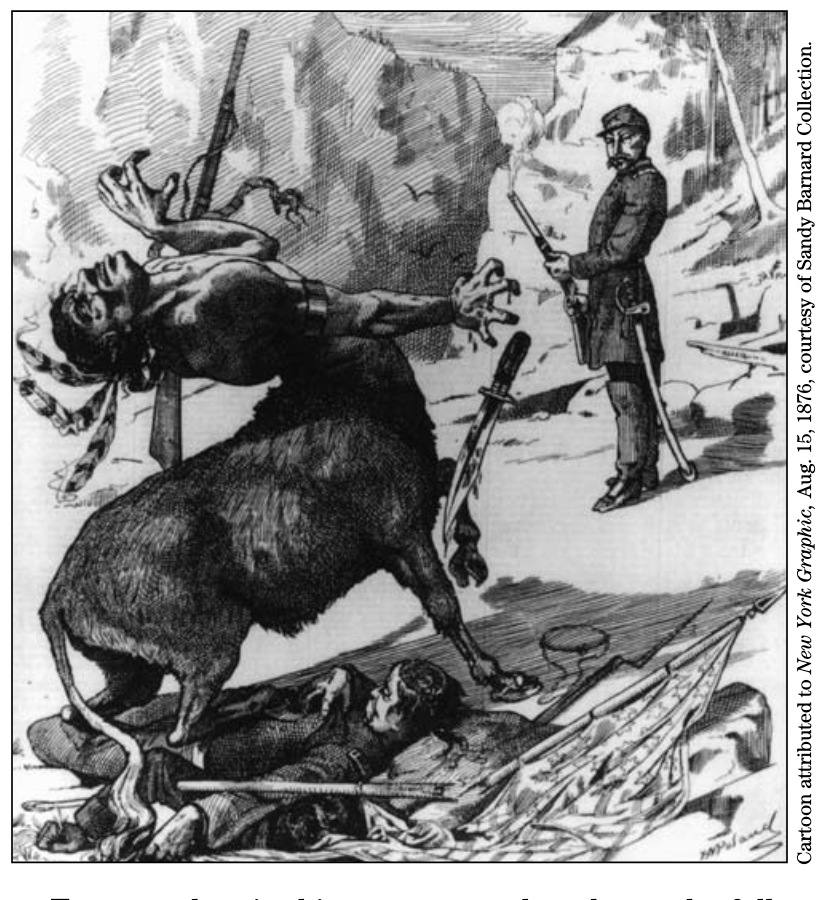
Blasts from the Past ... ICYMI from The New England Journal of Higher Education ... in Light of National Native American Heritage Month
|
|
|
J. Cedric Woods, director of the Institute for New England Native American Studies (INENAS) at the University of Massachusetts Boston, reports on the first year success of the grant-funded program to help students from grades 8 to 11 from the Mohawk, MicMac, Cherokee, Nipmuc and Wampanoag tribes, prepare for college and, in some cases, meet their first role models.
|
|
|
A law requiring Maine schools to teach Native American history is leading us out of the “dark ages” of education, according to Donna Loring, who served in the Maine Legislature as a tribal representative of the Penobscot Nation for 12 years. Loring is the author of the 2008 book, In the Shadow of the Eagle: A Tribal Representative in Maine. In 2001, she wrote legislation that required all public schools in Maine to teach Maine Indian history. On June 14 of that year, Gov. Angus King signed "An Act to Require Maine Native American History and Culture in Maine's Schools" into law—the first of its kind in the U.S. What makes the law unique is its requirement that specific topics be studied, such as: 1) tribal governments and political systems and their relationship with local, state, national and international governments; 2) Maine Native American cultural systems and the experience of Maine tribal people throughout history; 3) Maine Native American territories; and 4) Maine Native American economic systems. The most important piece of this legislation was the creation of a Native American History Commission to help schools gather a wide range of materials and resources to implement the law. This led to creation of the Wabanaki Educational Curriculum, which tells the story of the Wabanaki people of Maine from the Wabanaki perspective. Loring notes that education has been a two-edged sword for Native people. On one hand, it has opened opportunities. On the other, it harmed them physically, psychologically and spiritually. It inflicted spiritual wounds upon Native people lasting for generations.
|
|
|
The Commission on the Future of Higher Education in Prison held its first meeting last Friday at the Hacker Reactor in MIT's Innovation Center. Convened by NEBHE and The Educational Justice Institute at MIT (TEJI)—and funded with a $250,000 grant from the Ascendium Group—the Commission will formally assemble more than 80 individuals throughout New England who represent key stakeholders, including postsecondary and corrections leaders, current and previously incarcerated individuals, employers, legislators and governors. The Commission will develop an action agenda, policy recommendations, strategies and next steps to align institutions, policymakers, prisons, and industry to increase the life and career readiness of formerly incarcerated people—and facilitate their successful transitions to work and sustained contributions to the wellbeing and competitiveness of the region and nation. Visit here for more on the New England Commission on the Future of Higher Education in Prison.
|
|
|
NEBHE published its 2022 Annual Report, providing an overview of the interstate compact's programs, including Tuition Break, Policy & Research, The New England Journal of Higher Education (NEJHE) and the State Authorization Reciprocity Agreement (SARA) as well as NEBHE initiatives on Open Educational Resources (OER), college transfer, the North Star Collective Faculty Fellowship aimed at uplifting BIPOC (Black, Indigenous and people of color) faculty on college campuses, and the future of postsecondary education for people in prison.
|
|
|
NEJHE NewsBlast is a summary of NEJHE content and other news around NEBHE prepared weekly by NEJHE Executive Editor John O. Harney and emailed every Wednesday to opinion leaders and practitioners. When responding to NEJHE content, please make sure that your remarks are relevant, courteous and engaging. Individuals are responsible for their comments, which do not represent the opinions of the New England Board of Higher Education. We urge commenters to briefly note their occupational or other interest in the topic at hand. Please refrain from offensive language, personal attacks and distasteful comments or they may be deleted. Comments may not appear immediately. Thank you for staying engaged.
|
|
NEJHE NewsBlast is sponsored by
|
|
For more information about partnering with NEBHE, click here
or send an email message to our events coordinator Marla Phippen.
|
|
© 2020 New England Board of Higher Education |
|
|
|
|
|
|
|