|
Welcome to this issue of the C-DIAS newsletter!
Please share with colleagues, friends, and anyone else you know who might be interested in our work and encourage them to subscribe to our newsletter.
| | |
For many of us, this time of year signals a beginning, a reset, a fresh start. Even though we may not operate on a traditional academic calendar, fall feels like a transition is taking place.
For C-DIAS, this means many things.
The “graduation” of the first class of fellows. The welcoming of the third class—poised and eager to learn, grow and contribute. The season marks the renewal of commitment among the C-DIAS Research Core leaders and faculty to generate high-impact works for the field. For the C-DIAS research projects, all in the deep throes of data collection, this is an exciting time to envision outcomes—both expected and surprising.
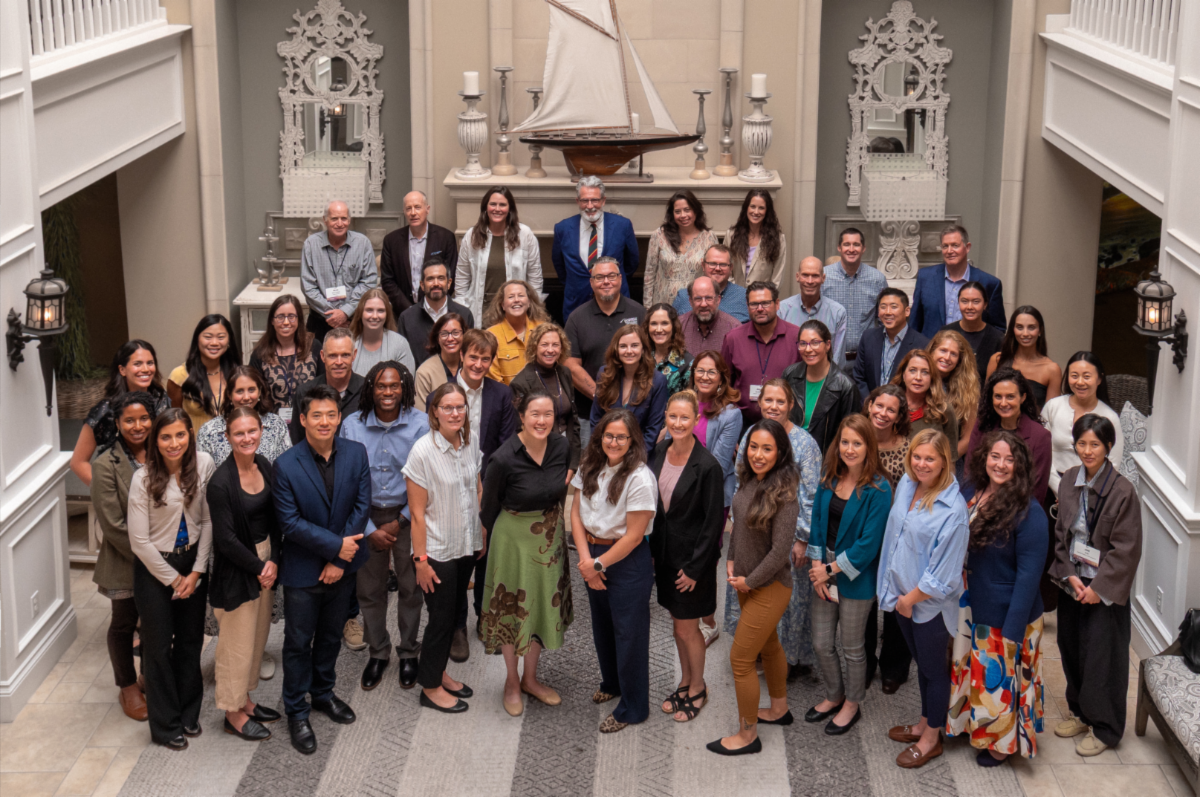
All of this, and more, became wonderfully real at our in-person annual meeting in Half Moon Bay. What a gift it was for all who were present. As a community, we have much for which to be grateful. Momentum has been ignited. We have it.
Despite all the upheaval, uncertainties, and challenges in our country today, our work continues—and if anything, it’s more important now than ever.
Onward.
| |
C-DIAS Annual Meeting Brings Fellows and Faculty Together for Two Inspiring Days
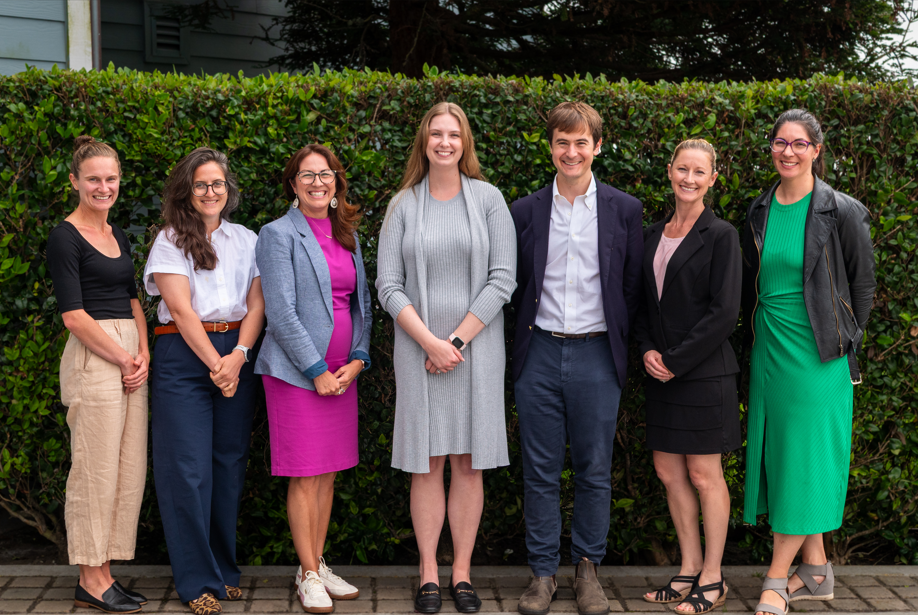
The 2025 C-DIAS Annual Meeting was a tremendous success, bringing together fellows, faculty and collaborators for two days of learning, reflection and connection in Half Moon Bay, California.
The event opened with a warm fellows welcome lunch, followed by focused sessions introducing Cohort 3 to implementation science for addiction health services and co-designing with Cohort 2. Fellows also had the opportunity to dive into research core sections and project overviews, setting the stage for a collaborative year ahead. The first day concluded with a celebratory welcome dinner for all participants at India Beach—an opportunity to strengthen community bonds across cohorts and research teams.
Day two began with a full agenda, including the official welcome, Ignite presentations from the new 2025–26 cohort of fellows and a series of engaging research project and core section presentations, reflecting our commitment to advancing implementation science across multiple dimensions.
One of the most meaningful moments came with the remembrance of Bryan Garner, honoring his contributions and the impact he left on our community.
The meeting concluded with interactive breakouts and report-outs from each research core section, reinforcing our shared commitment to collaboration and knowledge exchange.
Overall, the 2025 annual meeting not only showcased the innovative work of our fellows and faculty but also reaffirmed the strength of the C-DIAS community. Together, we continue to build momentum in translating evidence into practice and improving health outcomes for communities everywhere.
| C-DIAS Fellows Spotlights—Check Out Our New Blog | | |
We’re excited to launch the new C-DIAS blog, featuring stories that bring our community’s research and impact to life. In the weeks ahead, we’ll introduce each of our current fellows through our new Spotlight Series, highlighting their work, perspectives, and experiences advancing implementation science in real-world settings.
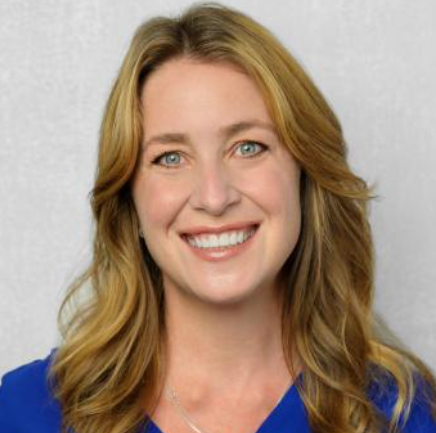
The first three spotlights feature Rachel French, PhD, MSHP, RN, whose work focuses on compassionate, evidence-based care for people with substance use disorders, Will Garneau, MD, MPH, whose research explores implementation in behavioral health systems, and Natasha Ludwig-Barron, PhD, whose community-engaged work spans substance use, hepatitis C, and health equity along the U.S.-Mexico border.
| | C-DIAS Faculty Spotlight—Dr. Shannon Wiltsey Stirman | |
Research Core—Methods & Measures Section
As part of the C-DIAS Research Core, Shannon Wiltsey Stirman, PhD, is advancing how implementation science measures what matters most: fidelity and adaptation. A clinical psychologist by training, Shannon’s early work rating hundreds of therapy sessions sparked her lifelong focus on what makes treatments effective—and how to bring them to scale.
At Stanford and through partnerships like the Beck Community Initiative and CREATE Center, she’s developing new ways to support clinicians, from real-time AI-assisted consultation to shared measures that help researchers understand how interventions evolve in practice.
“It’s about figuring out how to make science work for people,” Shannon says. “That means knowing what to keep, what to adapt, and how to make evidence-based care fit the world we actually live in.”
| | |
Savanna Stromberg, BS—Associate Project Coordinator
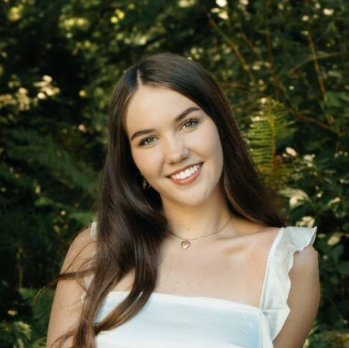
We are excited to welcome Savanna Stromberg, BS, as an associate project coordinator at Stanford CDI. She will be working across projects including C-DIAS.
Savanna recently received her bachelor’s degree in psychology from the University of Washington, where she conducted research on trauma and mental health outcomes in the honors psychology program. With a strong interest in substance use interventions and mental health, she is eager to expand her expertise in implementation research.
At Stanford CDI, Savanna supports multi-project management, helps build and organize data, and assists with the development, communication and design of research findings for internal and external audiences.
| | |
Visual Tools to Disseminate Your Work
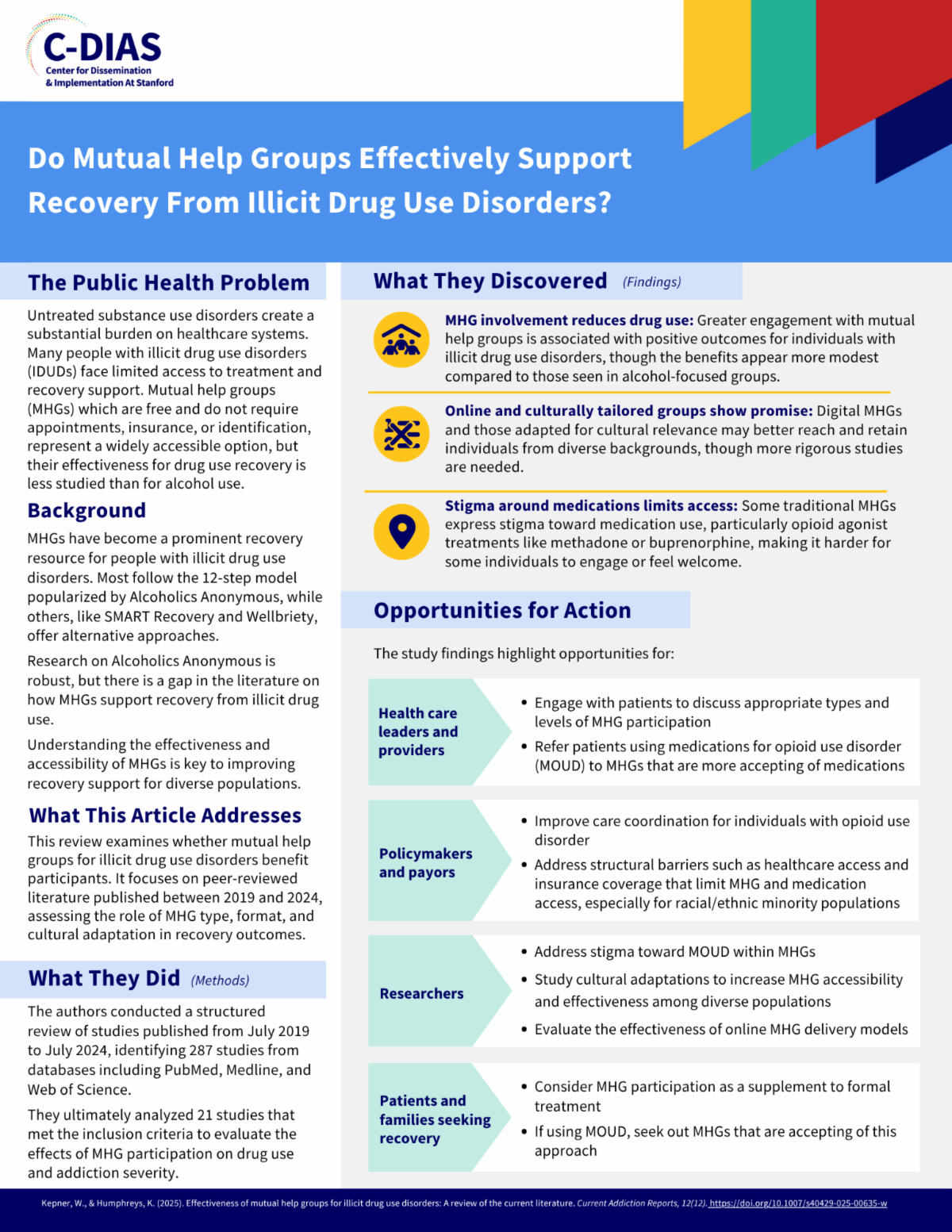
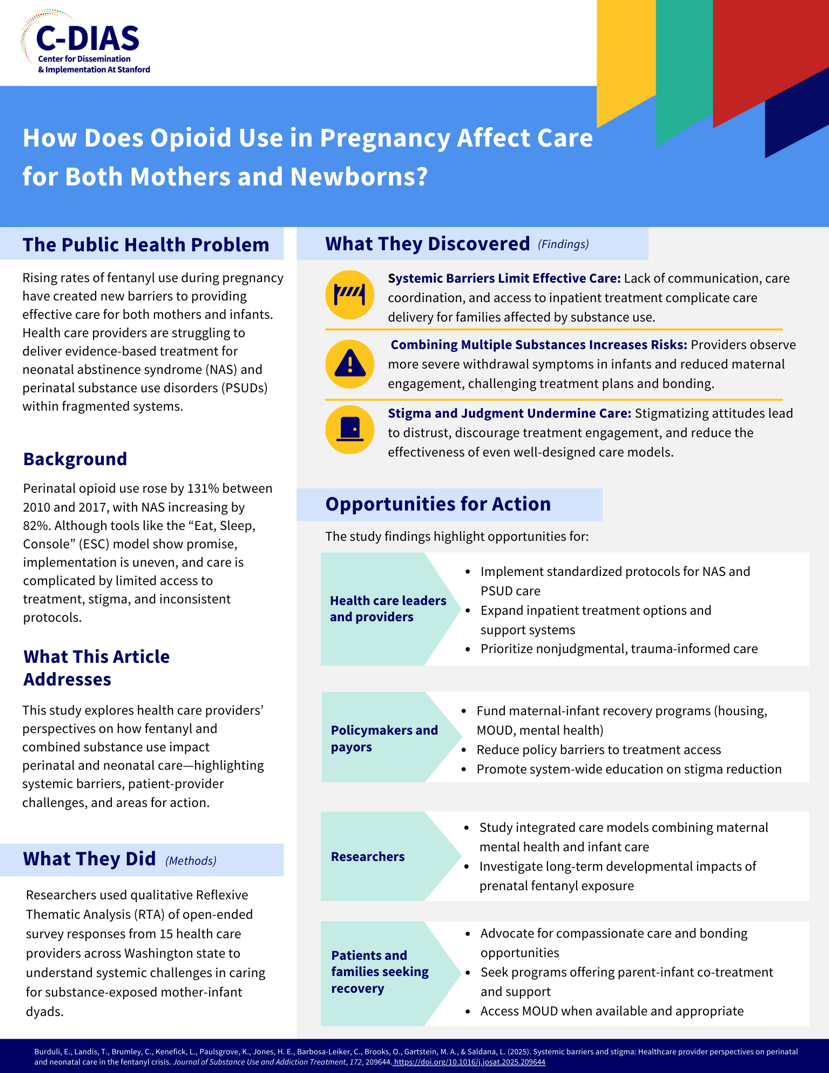
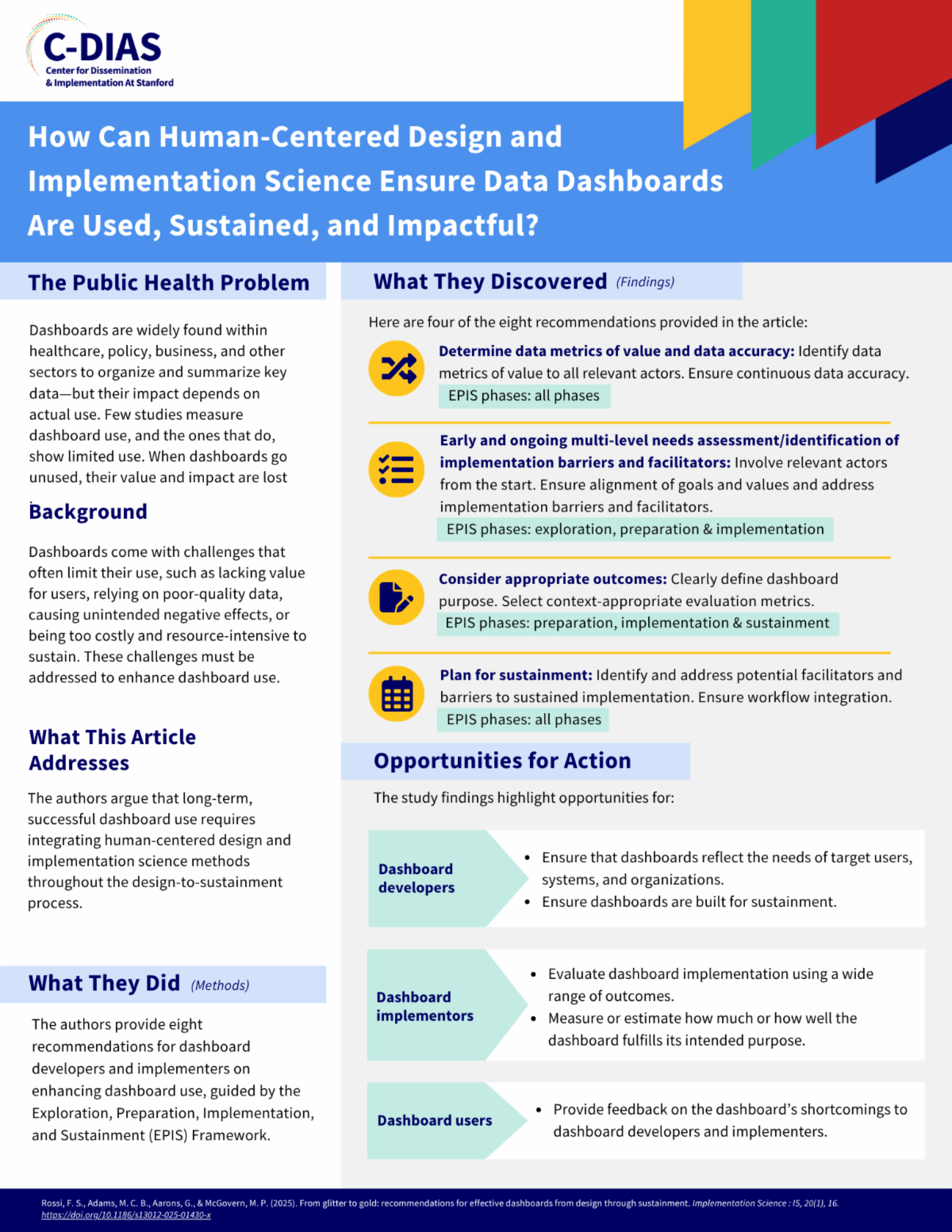
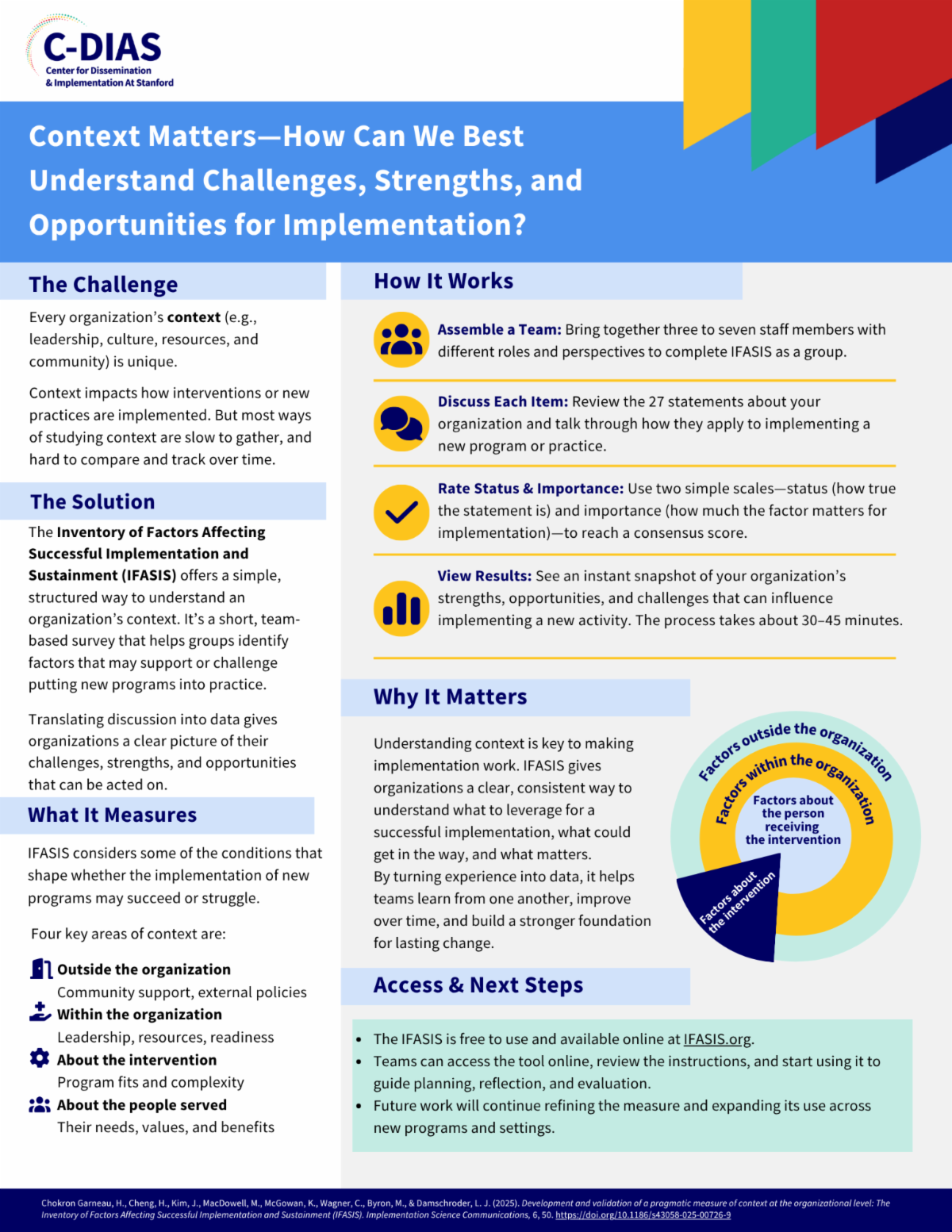
C-DIAS infographics are clear, visual tools designed to distill key research findings and promote access to the best treatments for all. These infographics serve as practical resources to help promote actionable steps across stakeholders in health systems.
Infographics translate implementation science into action by offering concrete recommendations to guide treatment adoption, shape policy, and engage partners.
Check out our newest infographics on the C-DIAS website.
| | |
Current titles include:
-
Systemic barriers and stigma: Healthcare provider perspectives on perinatal and neonatal care in the fentanyl crisis. Journal of Substance Use and Addiction Treatment, 172, 209644. https://doi.org/10.1016/j.josat.2025.209644
-
Understanding inequitable healthcare: Methodological approaches, challenges, and opportunities. American Journal of Epidemiology, 194(10), 2787–2799. https://doi.org/10.1093/aje/kwae454
-
Development and validation of a pragmatic measure of context at the organizational level: The Inventory of Factors Affecting Successful Implementation and Sustainment (IFASIS). Implementation Science Communications, 6, 50. https://doi.org/10.1186/s43058-025-00726-9
| | Announcing the C-DIAS Publication Library | |
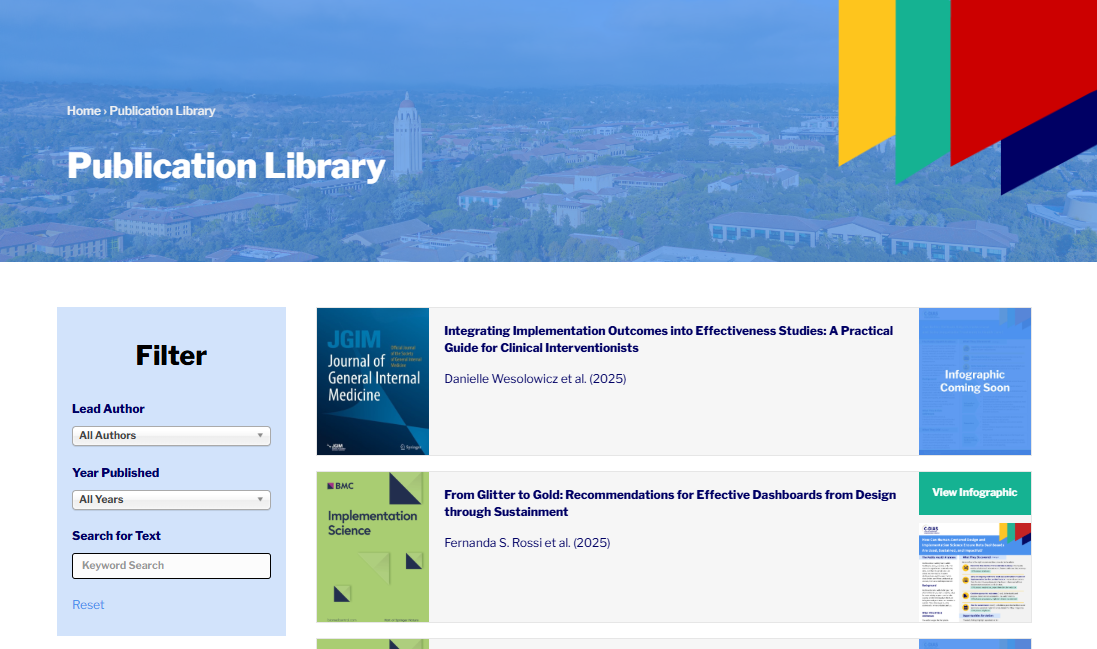
Explore the New C-DIAS Publication Library
We’re proud to introduce the new C-DIAS Publication Library, a central hub for our center’s published research and visual resources on implementation science.
The library brings together peer-reviewed articles and infographics developed by C-DIAS faculty, fellows, and collaborators—making it easier to explore our growing body of work on the implementation of evidence-based practices in addiction care.
If you’re looking for accessible visuals that translate findings into practice, the Publication Library provides a one-stop resource for learning and sharing.
| | C-DIAS Featured Publication | |
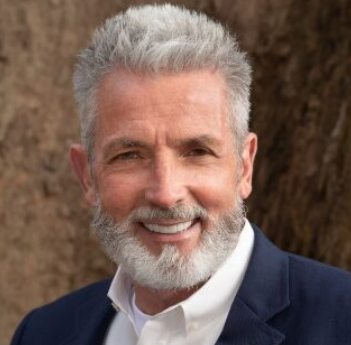
New Article from Dr. Beth McGinty
Dr. Beth McGinty, professor of health policy at Weill Cornell Medicine, cautions that the One Big Beautiful Bill Act (OBBBA) may deepen the nation’s behavioral health crisis by cutting Medicaid coverage and benefits. Medicaid is the largest payer of mental health and substance use services in the U.S., and reductions will especially harm children and adults with behavioral health conditions, worsen workforce shortages, and undo recent gains in treatment access and overdose prevention.
| | Upcoming Events, Deadlines, & Important Dates | | |
Upcoming: C-DIAS/PSMG Virtual Grand Rounds
Tuesdays | 10–11:30 a.m. PT / noon to 1:30 p.m. CT / 1–2:30 p.m. ET
Register and learn more here
Join us each Tuesday for the C-DIAS/PSMG Virtual Grand Rounds, a collaborative series designed to advance the science and practice of implementation. Hear from national leaders as they share innovative methods, real-world case studies and new approaches to driving change in behavioral and population health systems.
Remaining Fall 2025 Schedule
-
Tuesday, Nov. 4, 2025: “How to Work Your Data Project into a Health Care System: An HD2A Story” — Niranjan S. Karnik, MD, PhD (University of Illinois Chicago)
-
Tuesday, Nov. 18, 2025: “Beyond the False Dichotomy” Bridging the MOUD–Mutual Help Group Divide — Wayne Kepner, PhD, MPH (Stanford University)
-
Tuesday, Dec. 2, 2025: TBD — Funlola Are, PhD (McGovern Medical School)
Don’t miss these sessions exploring cutting-edge applications of implementation science.
| | |
While AHSR 2025 is on pause, the conversation continues.
The Advancing AHSR 2025–26 webinar series offers a special lineup of interactive sessions this fall and spring, designed to keep our community connected and engaged with the latest in addiction health services research.
These webinars will spotlight emerging findings, innovative practices and critical conversations shaping the field today.
Upcoming sessions
-
Thursday, Oct. 16, 2025: “Research Into Psychedelic Compounds for Substance Use Disorders”—Randy Brown, MD, PhD, University of Wisconsin-Madison
-
Tuesday, Nov. 18, 2025: “AHSR: Where We’ve Been and Where We’re Going” —Adam J. Gordon, MD, MPH, University of Utah
-
Thursday, April 9, 2026: “Alcohol-Associated Liver Disease Management” —Randy Brown, MD, PhD; Rita German, MD; Andrew Quanbeck, PhD, University of Wisconsin-Madison
-
Thursday, May 14, 2026: “Early Career Workshop”—Hosted by the Brandeis-Harvard SPIRE Center
All webinars run 11 a.m. to noon PT / 2–3 p.m. ET.
| | |
Reimagining Implementation Support: The Role of Funders and Intermediaries
Nov. 4, 2025 | noon to 1 p.m. ET | Virtual on Zoom
How can funders and intermediaries design implementation support systems that make large-scale change possible?
The Center for Implementation is hosting a free virtual event exploring how evidence-based approaches can strengthen implementation, spread and scale efforts. Participants will learn from examples of effective support models and discover practical resources to apply in their own organizations.
Join this conversation on transforming the way we lead change.
| |
We Want to Hear Your Voice!
Did you learn something new or hear something inspiring during a recent talk, presentation, or event that you recently attended? We want to hear from you! Please submit your thoughts, musings, or quotes to info@c-dias.org.
| |
Let's Stay in Touch
You are receiving this email because you either subscribed to receive updates from us or someone you know thinks you'd be interested in our work. If this email was forwarded to you, please subscribe to our newsletter so you can continue getting updates.
| | | | |