April 15 - 30: Shop Online to Support Minneapolis Public Schools! |
|
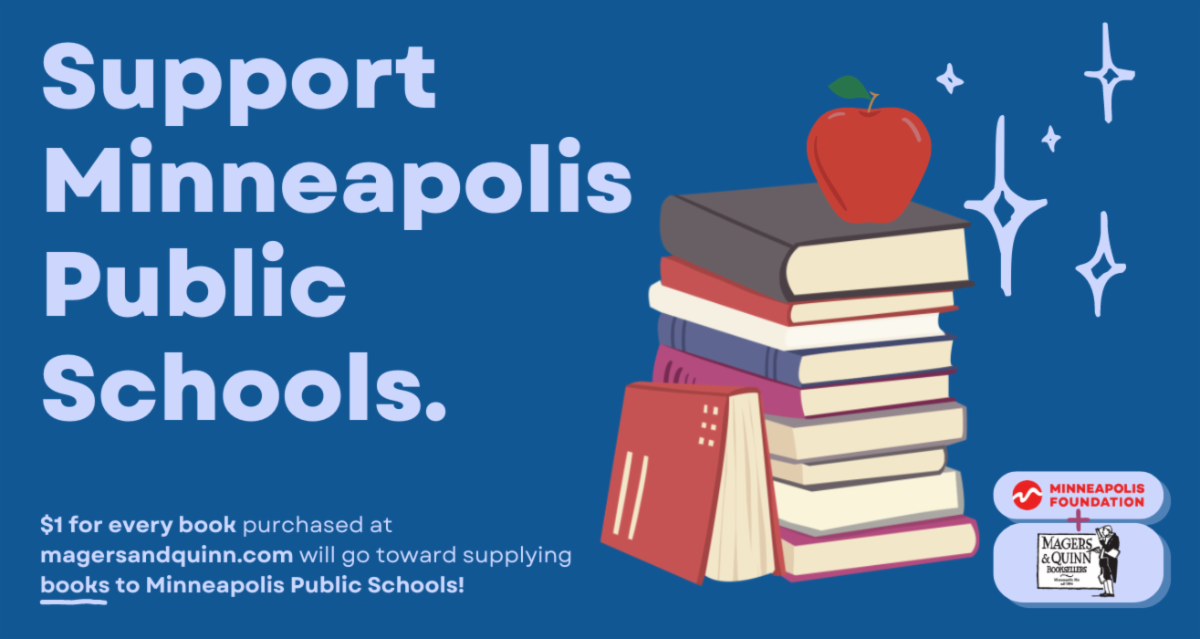
This season, Magers & Quinn is pleased to be partnering with the Minneapolis Foundation to give Spanish-language books to Minneapolis Public School classrooms!
In addition to the Foundation's donation, Magers & Quinn will be donating $1 for every book sold on our website April 15 - 30 to this project!
Shop online later this month, and your purchases will help get these classrooms the Spanish books they need.
|
|
Indie Bookstore Day is April 27! |
|
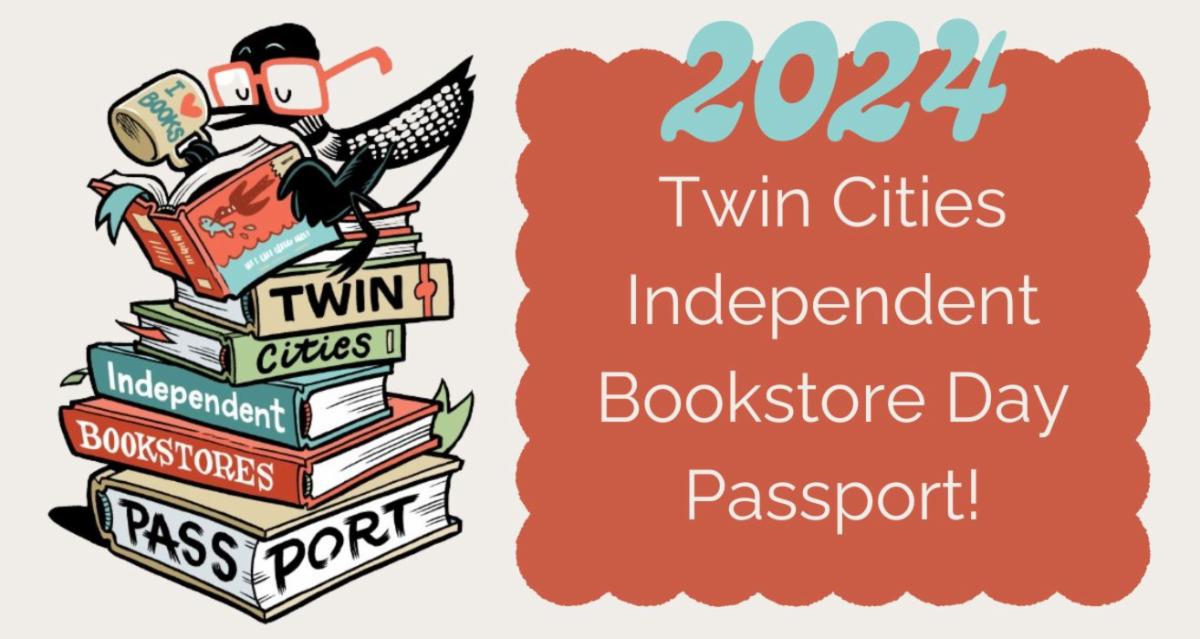
Rain Taxi's Twin Cities Literary Calendar is once again publishing its pocket-sized Twin Cities Independent Bookstore Passport—and offering readers fun ways to visit the stores and win discounts and prizes.
Be sure to stop by the store on April 27 and get your passport!
|
|
April is National Poetry Month |
|
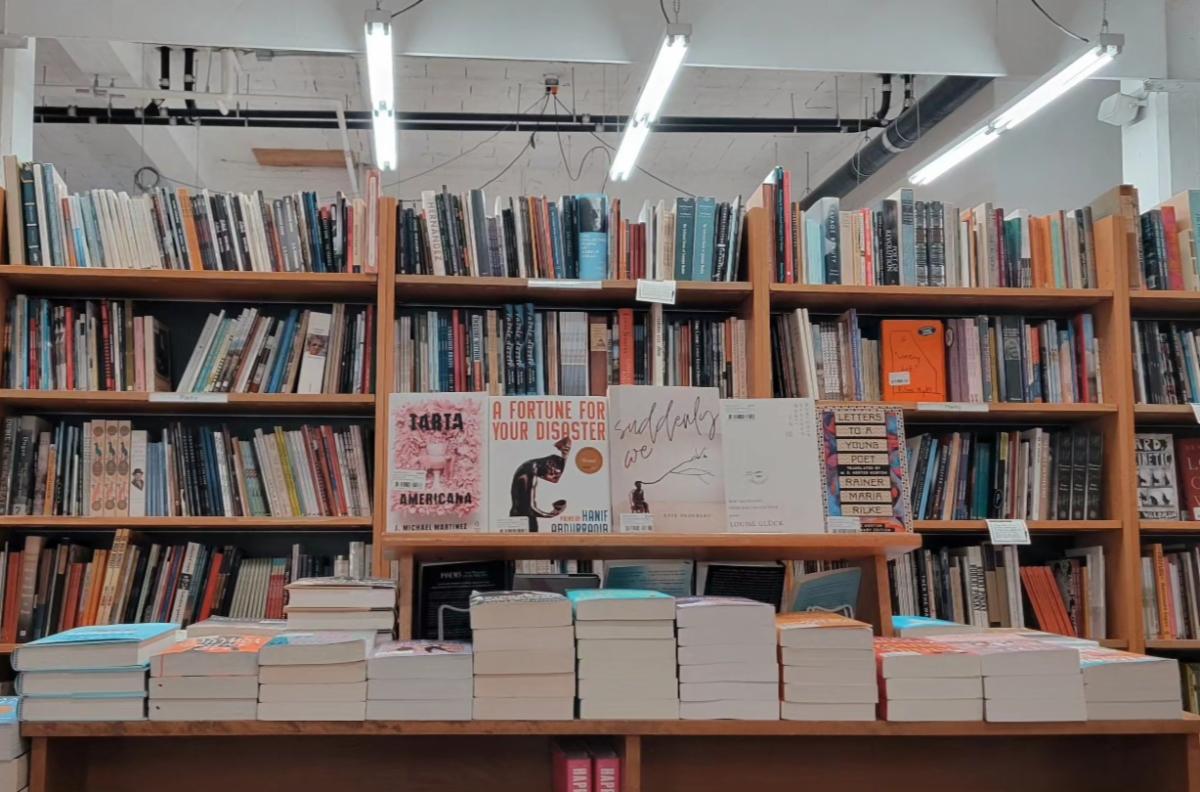
April is here, and what better way to celebrate than by diving into the world of poetry? Whether you're a fan of classic poets or looking for something fresh and new, we've got you covered with our latest poetry recommendations. |
|
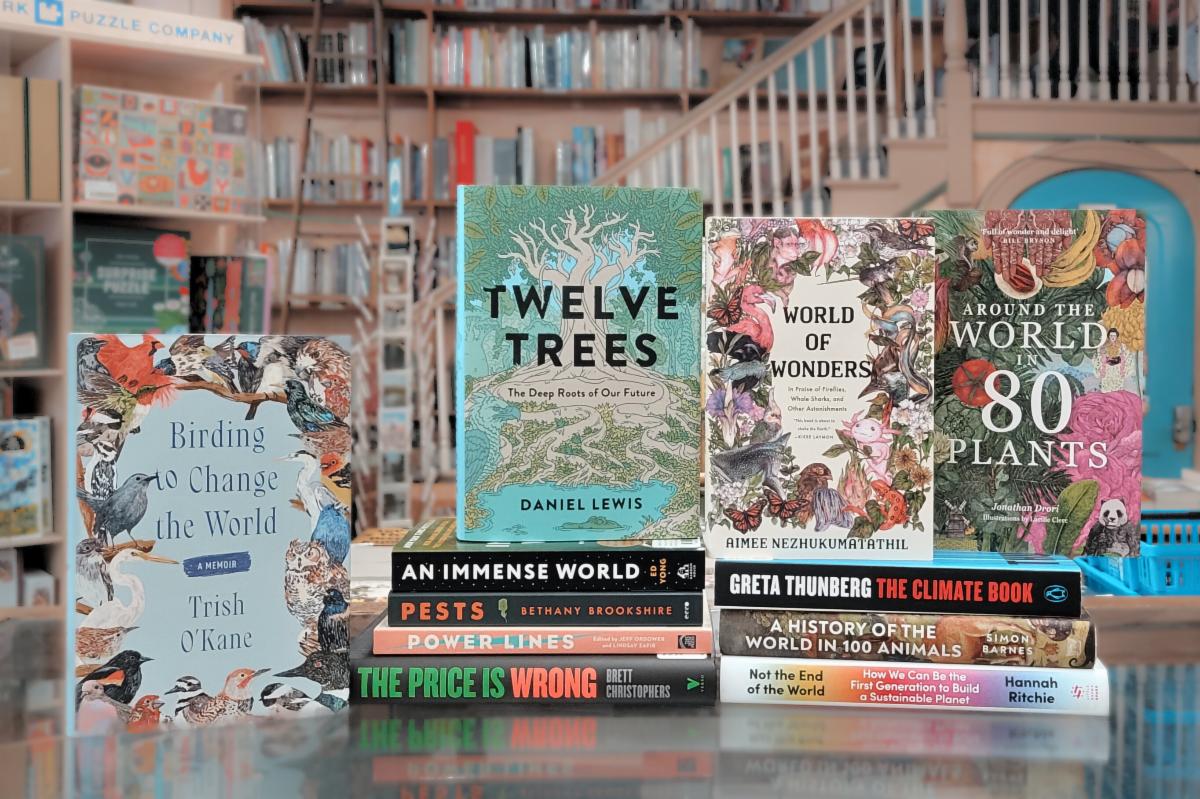
In honor of Earth Day, we are excited to share our recommendations for books that will inspire and educate you on environmental conservation, sustainability, and the beauty of our planet. |
|
Looking to make some more space on your shelves? Turn your gently used books into cash or store credit! |
|
New Releases April 2024
April is a month filled with literary delights! From celebrating Poetry Month to Indie Bookstore Day and Earth Day, there are plenty of reasons to get excited. To make the most of this month, be sure to check out our latest new releases and book recommendations
|
|
 |
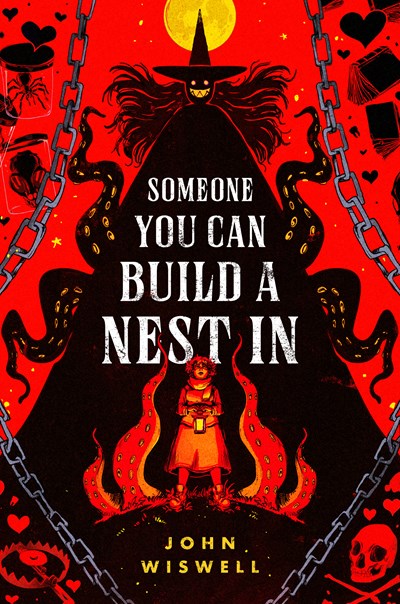
Someone You Can Build a Nest In |
Shesheshen has made a mistake fatal to all monsters: she's fallen in love. Shesheshen is a shapeshifter who happily resides as an amorphous lump in the swamp of a ruined manor. When her rest is interrupted by impolite monster hunters, she constructs a body fit for devouring by reabsorbing the remains of past meals: a metal chain for a backbone, borrowed bones for limbs, and a bear trap for an extra mouth.
After one incident goes badly, Shesheshen’s nursed back to health by Homily, a warm-hearted human, who has mistaken Shesheshen as a fellow human. Homily would make an excellent co-parent: an ideal place to lay Shesheshen’s eggs so their young could devour Homily from the inside out. But as they grow close, she realizes humans don’t think about love that way. Shesheshen is about to confess her identity when Homily reveals that she’s hunting a shapeshifting monster who supposedly cursed her family.
Eating her girlfriend isn’t an option. Shesheshen didn’t curse anyone, but to give herself and Homily a chance at happiness, she must discover why Homily’s twisted family thinks she did. And the bigger challenge remains: surviving her toxic in-laws long enough to learn to build a life with, rather than in, the love of her life.
Available Now
|
|
|
|
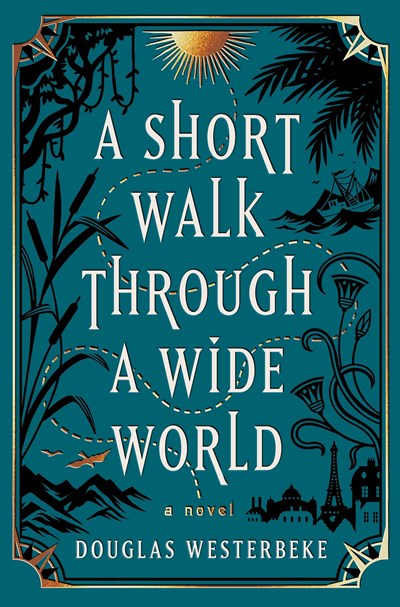
A Short Walk Through a Wide World |
Paris, 1885: Aubry Tourvel, a spoiled and stubborn nine-year-old girl, comes across a wooden puzzle ball on her walk home from school. She tosses it over the fence, only to find it in her backpack that evening. Days later, at the family dinner table, she starts to bleed to death.
When medical treatment only makes her worse, she flees to the outskirts of the city, where she realizes that it is this very act of movement that keeps her alive. So begins her lifelong journey on the run from her condition, which won’t allow her to stay anywhere for longer than a few days nor return to a place where she’s already been.
From the scorched dunes of the Calashino Sand Sea to the snow-packed peaks of the Himalayas; from a bottomless well in a Parisian courtyard, to the shelves of an infinite underground library, we follow Aubry as she learns what it takes to survive and ultimately, to truly live. But the longer Aubry wanders and the more desperate she is to share her life with others, the clearer it becomes that the world she travels through may not be quite the same as everyone else’s...
Fiercely independent and hopeful, yet full of longing, Aubry Tourvel is an unforgettable character fighting her way through a world of wonders to find a place she can call home. A spellbinding and inspiring story about discovering meaning in a life that seems otherwise impossible, A Short Walk Through a Wide World reminds us that it’s not the destination, but rather the journey—no matter how long it lasts—that makes us who we are.
Available Now
|
|
|
|
|
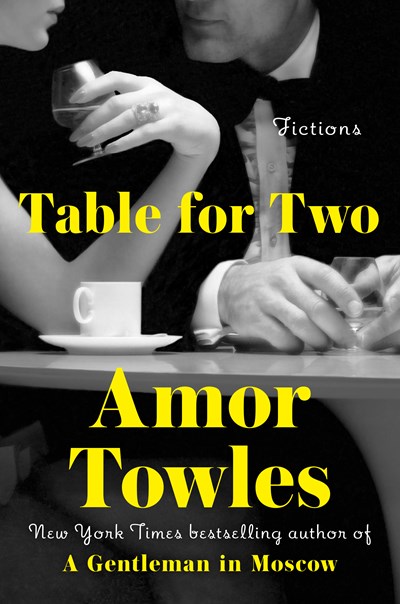
Millions of Amor Towles fans are in for a treat as he shares some of his shorter fiction: six stories based in New York City and a novella set in Golden Age Hollywood.
The New York stories, most of which take place around the year 2000, consider the fateful consequences that can spring from brief encounters and the delicate mechanics of compromise that operate at the heart of modern marriages.
In Towles’s novel Rules of Civility, the indomitable Evelyn Ross leaves New York City in September 1938 with the intention of returning home to Indiana. But as her train pulls into Chicago, where her parents are waiting, she instead extends her ticket to Los Angeles. Told from seven points of view, “Eve in Hollywood” describes how Eve crafts a new future for herself—and others—in a noirish tale that takes us through the movie sets, bungalows, and dive bars of Los Angeles.
Written with his signature wit, humor, and sophistication, Table for Two is another glittering addition to Towles’s canon of stylish and transporting fiction.
Available Now
|
|
|
|
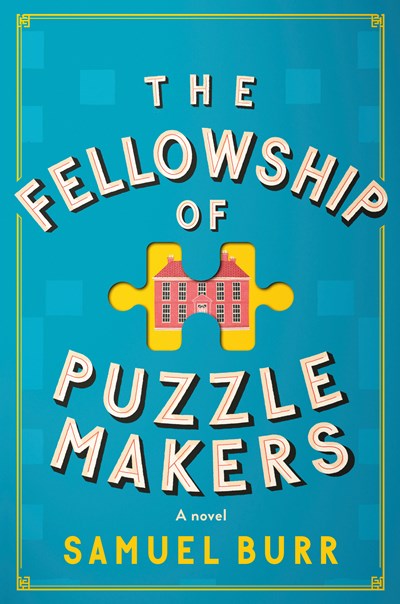
The Fellowship of Puzzlemakers |
Clayton Stumper might be in his twenties, but he dresses like your grandpa and fusses like your aunt. Abandoned at birth on the steps of the Fellowship of Puzzlemakers, he was raised by a group of eccentric enigmatologists and now finds himself among the last survivors of a fading institution.
When the esteemed crossword compiler and main maternal presence in Clayton’s life, Pippa Allsbrook, passes away, she bestows her final puzzle on him: a promise to reveal the mystery of his parentage and prepare him for life beyond the walls of the commune. So begins Clay’s quest to uncover the secrets surrounding his birth, secrets that will change Clay—and the Fellowship—forever.
The Fellowship of Puzzlemakers is pure joy, a story about love and family and what it means to find your people—no matter what age you are.
Available Now
|
|
|
|
|
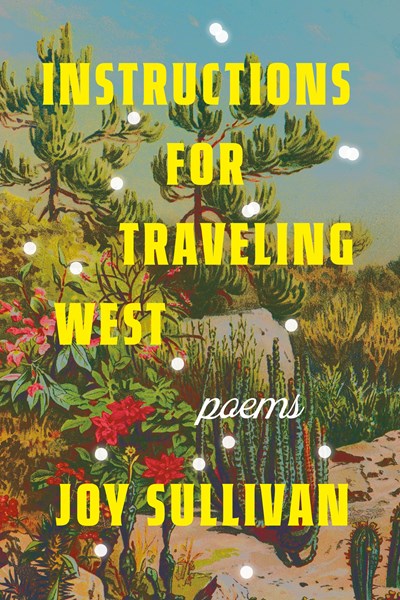
Instructions for Traveling West |
First you must realize you’re homesick for all the lives you’re not living. Then, you must commit to the road and the rising loneliness. To the sincere thrill of coming apart.
So begins Joy Sullivan’s Instructions for Traveling West— a lush debut collection that examines what happens when we leave home and leap into the deep unknown. Mid-pandemic, Sullivan left the man she planned to marry, sold her house, quit her corporate job, and drove west. This dazzling collection tells that story as it illuminates the questions haunting us all: What possible futures lie on the horizon? What happens when we heed the call of furious reinvention?
A book for anyone flinging themselves into fresh starts, Instructions for Traveling West grapples with loss, loneliness and belonging. These poems teach us that naming our desire is profound alchemy. Each of us holds the power to set our own course forward.
Expansive and heart-opening—exquisite in their specificity, galvanizing in their scope—the poems in Instructions for Traveling West speak to the longing that lives within us all. They remind us that “joy is not a trick.”
Available Now
|
|
|
|
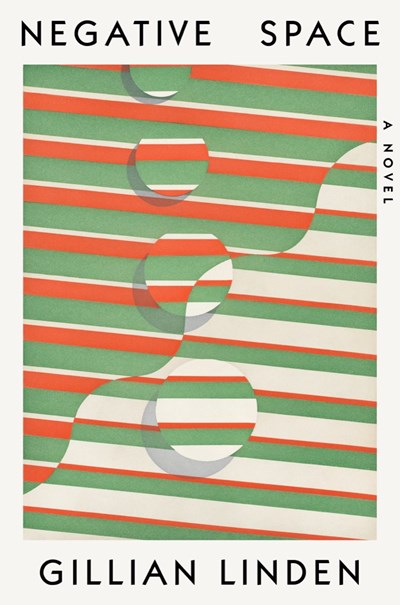
With deadpan humor and a keen eye for the strangeness of our days, Negative Space follows a week in the life of an English teacher at a New York private school. At home, her two children, increasingly restless, ask constant questions about mortality and find hidden wisdom in the cartoons they watch on television. Her husband tends to his plants and offers occasional counsel between Zoom calls to Hong Kong and Australia. And at school, as she navigates the currents between wealthy, increasingly disconnected students and bewildered faculty, she accidentally witnesses an ambiguous, possibly inappropriate interaction between a teacher and a student.… She feels compelled to say something, but how can she be sure of what she saw?
Precisely rendered and filled with sly observations about our off-kilter days, Negative Space is a witty and resonant portrait of a woman caught between the pressures of home and work, parenting and teaching, what’s normal and what isn’t. Writing with an acute sense of dread and delight, Gillian Linden has crafted a stunning debut that examines what we owe the people who depend on us in a fractured and indifferent world.
Coming April 16
|
|
|
|
|
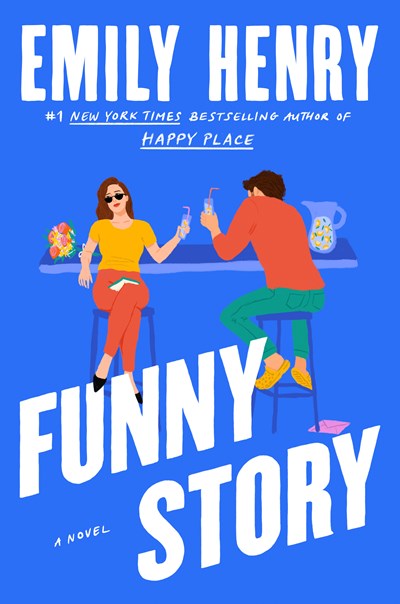
Daphne always loved the way her fiancé Peter told their story. How they met (on a blustery day), fell in love (over an errant hat), and moved back to his lakeside hometown to begin their life together. He really was good at telling it…right up until the moment he realized he was actually in love with his childhood best friend Petra.
Which is how Daphne begins her new story: Stranded in beautiful Waning Bay, Michigan, without friends or family but with a dream job as a children’s librarian (that barely pays the bills), and proposing to be roommates with the only person who could possibly understand her predicament: Petra’s ex, Miles Nowak.
Scruffy and chaotic—with a penchant for taking solace in the sounds of heart break love ballads —Miles is exactly the opposite of practical, buttoned up Daphne, whose coworkers know so little about her they have a running bet that she’s either FBI or in witness protection. The roommates mainly avoid one another, until one day, while drowning their sorrows, they form a tenuous friendship and a plan. If said plan also involves posting deliberately misleading photos of their summer adventures together, well, who could blame them?
But it’s all just for show, of course, because there’s no way Daphne would actually start her new chapter by falling in love with her ex-fiancé’s new fiancée’s ex…right?
Coming April 23
|
|
|
|
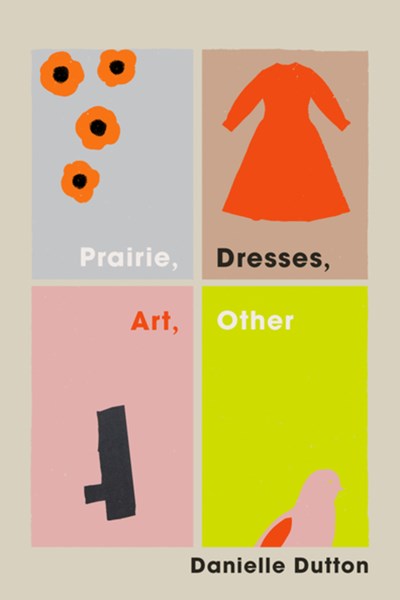
Prairie, Dresses, Art, Other |
“Luminous” (The Guardian) and “brilliantly odd” (The Irish Independent), Danielle Dutton's writing is as protean as it is beguiling. In the four eponymous sections of Prairie, Dresses, Art, Other, Dutton imagines new models for how literature might work in our fractured times.
“Prairie” is a cycle of surreal stories set in the quickly disappearing prairieland of the American Midwest. “Dresses" offers a surprisingly moving portrait of literary fashions. “Art” turns to essay, examining how works of visual art and fiction might relate to one another, a question central to the whole book; while the final section, “Other,” includes pieces of irregular (“other”) forms, stories-as-essays or essays-as-stories that defy category and are hilarious and heartbreaking by turns.
Out of these varied materials, Dutton builds a haunting landscape of wildflowers, megadams, black holes, violence, fear, virtual reality, abiding strangeness, and indefinable beauty.
Coming April 23
|
|
|
|
|
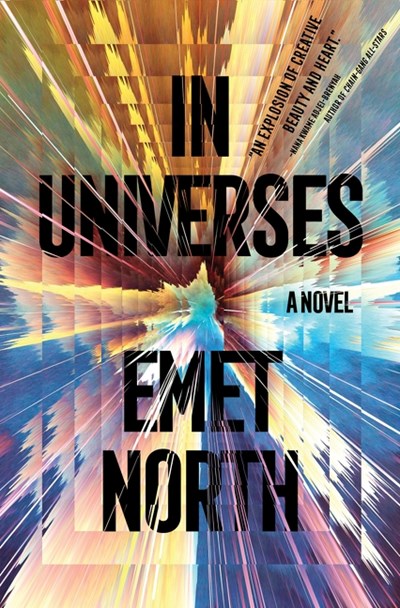
Raffi works in an observational cosmology lab, searching for dark matter and trying to hide how little they understand their own research. Every chance they get, they escape to see Britt, a queer sculptor who fascinates them for reasons they also can’t—or won’t—understand. Despite years of professors scoffing at the link between the many-words interpretation of quantum mechanics and alternative lives, Raffi can’t help but dream of a universe where they mean as much to Britt as Britt does to them. And just like that, Raffi and Britt are thirteen years old, best friends and maybe something more…
In Universes is a mind-bending tour across parallel worlds, each an answer to the question of what Raffi’s life would be like if things had happened just a little differently. Across lives Raffi—alongside their sometimes-friends, sometimes-lovers Britt, Kay, and Graham—reaches for a life that feels authentically their own.
The universes grow increasingly strange. Women fracture into hordes of animals, alien-possessed bears prowl apocalyptic landscapes. But Raffi’s divergent existences all lead back to the summer of Britt: the terrible thing Raffi did and the guilt that continues to chase them across realities.
Blending realism with science fiction, In Universes explores the thirst for genius, the fluidity of gender and identity, and the desire to lead a meaningful life. Part Ted Chiang, part Carmen Maria Machado, part Everything Everywhere All At Once, In Universes insists on the transgressive power of hope even in the darkest of times.
Coming April 30
|
|
|
|
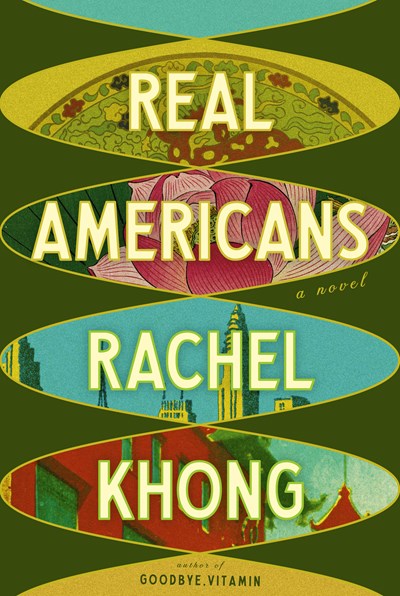
Real Americans begins on the precipice of Y2K in New York City, when twenty-two-year-old Lily Chen, an unpaid intern at a slick media company, meets Matthew. Matthew is everything Lily is not: easygoing and effortlessly attractive, a native East Coaster, and, most notably, heir to a vast pharmaceutical empire. Lily couldn't be more different: flat-broke, raised in Tampa, the only child of scientists who fled Mao’s Cultural Revolution. Despite all this, Lily and Matthew fall in love.
In 2021, fifteen-year-old Nick Chen has never felt like he belonged on the isolated Washington island where he lives with his single mother, Lily. He can't shake the sense she's hiding something. When Nick sets out to find his biological father, the journey threatens to raise more questions than it provides answers.
In immersive, moving prose, Rachel Khong weaves a profound tale of class and striving, race and visibility, and family and inheritance—a story of trust, forgiveness, and finally coming home.
Exuberant and explosive, Real Americans is a social novel par excellence that asks: Are we destined, or made? And if we are made, who gets to do the making? Can our genetic past be overcome?
Coming April 30
|
|
|
|
|
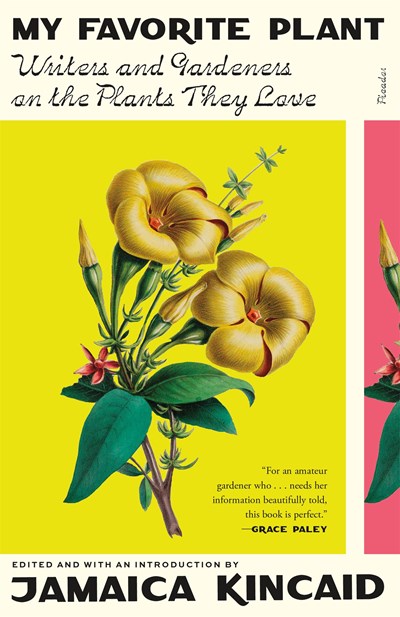
The passion for gardening and the passion for words come together in this inspired anthology, a collection of essays and poems on topics as diverse as beans and roses, by writers who garden and gardeners who write.
Among the contributors are Daniel Hinkley on hellebores; Marina Warner, who remembers the Guinée rose; and Henri Cole, with the poems “Bearded Irises” and “Peonies.” Ian Frazier pulls weeds in “Memories of a Press-Gang Gardener,” and Michael Pollan defends a gothic cousin of the sunflower in “Consider the Castor Bean”; Ken Druse stalks the sexy jack-in-the-pulpit, and Elaine Scarry contemplates steep slopes of columbine. Most of the pieces are new, but Colette, Katharine S. White, William Carlos Williams, and several other old favorites also make appearances.
Jamaica Kincaid, the much admired writer and a passionate gardener herself, has assembled this diverse crew and provides a spirited introduction. A wonderful gift for green thumbs, My Favorite Plant is a happy collection of fresh takes on old friends.
Available Now
|
|
|
|
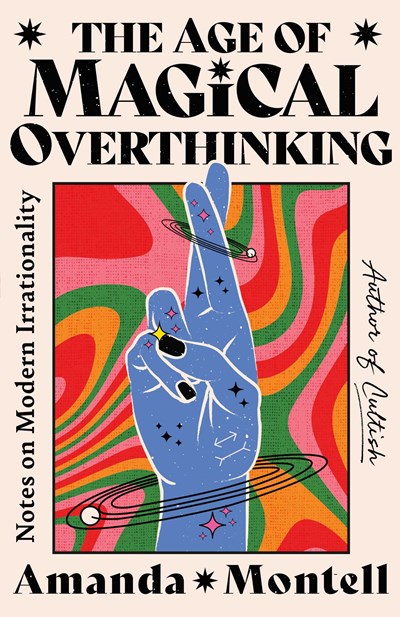
The Age of Magical Overthinking |
Utilizing the linguistic insights of her “witty and brilliant” (Blyth Roberson, author of America the Beautiful?) first book Wordslut and the sociological explorations of her breakout hit Cultish, Amanda Montell now turns her erudite eye to the inner workings of the human mind and its biases in her most personal and electrifying work yet.
“Magical thinking” can be broadly defined as the belief that one’s internal thoughts can affect unrelated events in the external world: Think of the conviction that one can manifest their way out of poverty, stave off cancer with positive vibes, thwart the apocalypse by learning to can their own peaches, or transform an unhealthy relationship to a glorious one with loyalty alone. In all its forms, magical thinking works in service of restoring agency amid chaos, but in The Age of Magical Overthinking, Montell argues that in the modern information age, our brain’s coping mechanisms have been overloaded, and our irrationality turned up to an eleven.
In a series of razor sharp, deeply funny chapters, Montell delves into a cornucopia of the cognitive biases that run rampant in our brains, from how the “Halo effect” cultivates worship (and hatred) of larger than life celebrities, to how the “Sunk Cost Fallacy” can keep us in detrimental relationships long after we’ve realized they’re not serving us. As she illuminates these concepts with her signature brilliance and wit, Montell’s prevailing message is one of hope, empathy, and ultimately forgiveness for our anxiety-addled human selves. If you have all but lost faith in our ability to reason, Montell aims to make some sense of the senseless. To crack open a window in our minds, and let a warm breeze in. To help quiet the cacophony for a while, or even hear a melody in it.
Available Now
|
|
|
|
|
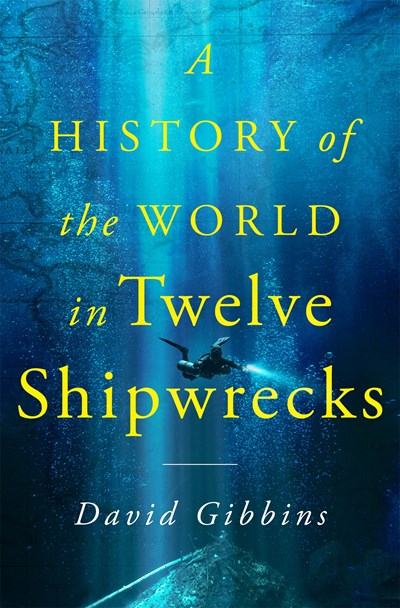
A History of the World in Twelve Shipwrecks |
Since we first set sail on the open sea, ships and their wrecks have been an inevitable part of human history. Archaeologists have made spectacular discoveries excavating these sunken ships, their protective underwater cocoon keeping evidence of past civilizations preserved. Now, for the first time, world renowned maritime archeologist David Gibbins ties together the stories of some of the most significant shipwrecks in time to form a single overarching narrative of world history.
A History of the World in 12 Shipwrecks is not just the story of those ships, the people who sailed on them, and the cargo and treasure they carried, but also the story of the spread of people, religion, and ideas around the world; it is a story of colonialism, migration, and the indominable human spirit that continues today. From the glittering Bronze Age, to the world of Caesar's Rome, through the era of the Vikings, to the exploration of the Arctic, Gibbins uses shipwrecks to tell all.
Drawing on decades of experience excavating shipwrecks around the world, Gibbins reveals the riches beneath the waves and shows us how the treasures found there can be a porthole to the past that tell a new story about the world and its underwater secrets.
Available Now
|
|
|
|
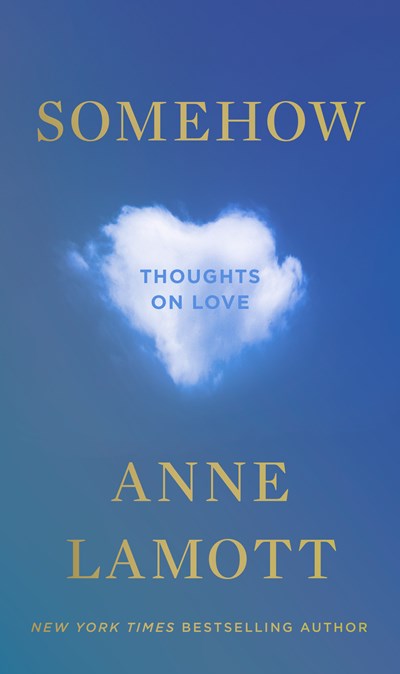
Love is often hard, ignored, or hilarious, Anne Lamott writes in Somehow: Thoughts on Love. It is not always the easiest choice, she tells us, but it is always the right one.
In her twentieth book, Lamott explores the transformative power of love in our lives: how it surprises us, forces us to confront uncomfortable truths, reminds us of our humanity, and guides us forward. “Love just won’t be pinned down,” she says. It is “our very atmosphere” and lies at the heart of who we are -- creatures of love. She explores the unexpected love for a partner later in life. The bruised (and bruising) love for a child who disappoints, even frightens. The sustaining love among a group of sinners, for a community in transition, in the wider world. The lessons she underscores are that love enlightens as it educates, comforts as it energizes, sustains as it surprises.
In Somehow, Lamott draws from her own experience to delineate the intimate and elemental ways love buttresses us in the face of despair as it galvanizes us to believe that tomorrow will be better than today. Full of the compassion and humanity that have made her beloved by millions of readers, Somehow is classic Anne Lamott: funny, warm, and wise.
Available Now
|
|
|
|
|
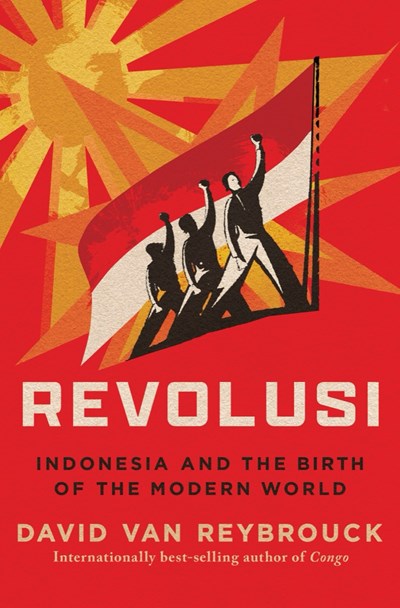
On a sunny Friday morning in August 1945, a handful of people raised a homemade cotton flag and, on behalf of 68 million compatriots, announced the birth of a new nation. With the fourth largest population in the world, inhabiting islands that span an eighth of the globe, Indonesia became the first country to rid itself of colonial rule after World War II.
In this vivid history, renowned scholar and celebrated author of Congo David Van Reybrouck captures a period of extraordinary tumult and chaos to tell the story of Indonesia’s momentous revolution, known as the “Revolusi.” Encompassing several hundred years of history, he details the formation of the Dutch East Indies, the Japanese invasion that followed, and the young rebels who engaged in armed resistance once the occupation ended. British and Dutch troops were sent to restore order and keep peace, but instead ignited the first modern war of decolonization. America, too, became embroiled with the Indonesians’ fierce struggle for freedom. That struggle inspired independence movements in Asia, Africa, and the Arab world, especially in the wake of Indonesia’s monumental 1955 Bandung Conference, the first global conference without the West. The whole world had become involved in Revolusi, and the whole world was changed by it.
Available Now
|
|
|
|
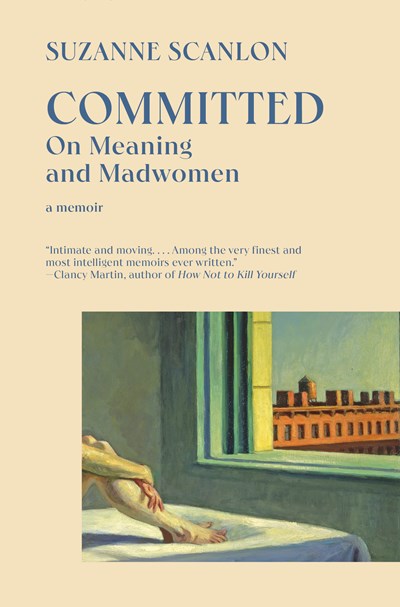
When Suzanne Scanlon was a student at Barnard in the 90s, grieving the loss of her mother—feeling untethered and swimming through inarticulable pain—she made a suicide attempt that landed her in the New York State Psychiatric Institute.
After nearly three years and countless experimental treatments, Suzanne left the ward on shaky legs. In the decades it took her to recover from the experience, Suzanne came to understand her suffering as part of something larger: a long tradition of women whose complicated and compromised stories of self-actualization are reduced to “crazy chick” and “madwoman” narratives. It was a thrilling discovery, and she searched for more books, more woman writers, as the journey of her life converged with her journey through the literature that shaped her.
Transporting, honest, and graceful, Committed is a story of discovery and recovery, reclaiming the idea of the madwoman as a template for insight and transcendence through the works of Charlotte Perkins Gilman, Virginia Woolf, Sylvia Plath, Janet Frame, Audre Lorde, Shulamith Firestone, and others.
Coming April 16
|
|
|
|
|
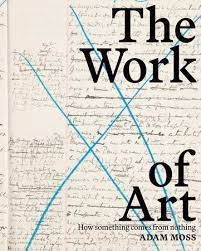
What is the work of art? In this guided tour inside the artist’s head, Adam Moss traces the evolution of transcendent novels, paintings, jokes, movies, songs, and more. Weaving conversations with some of the most accomplished artists of our time together with the journal entries, napkin doodles, and sketches that were their tools, Moss breaks down the work—the tortuous paths and artistic decisions—that led to great art. From first glimmers to second thoughts, roads not taken, crises, breakthroughs, on to one triumphant finish after another.
Coming April 16
|
|
|
|
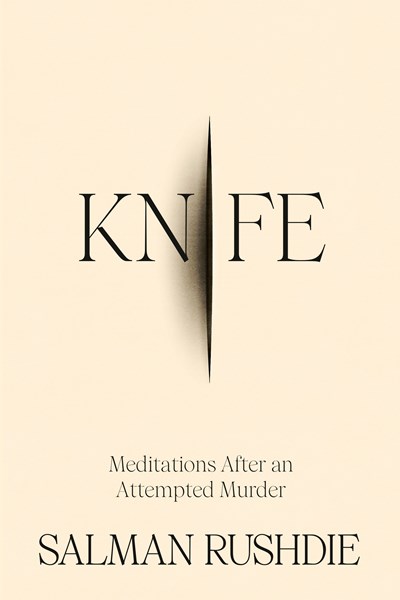
Speaking out for the first time, and in unforgettable detail, about the traumatic events of August 12, 2022, Salman Rushdie answers violence with art, and reminds us of the power of words to make sense of the unthinkable. Knife is a gripping, intimate, and ultimately life-affirming meditation on life, loss, love, art—and finding the strength to stand up again.
Coming April 16
|
|
|
|
|
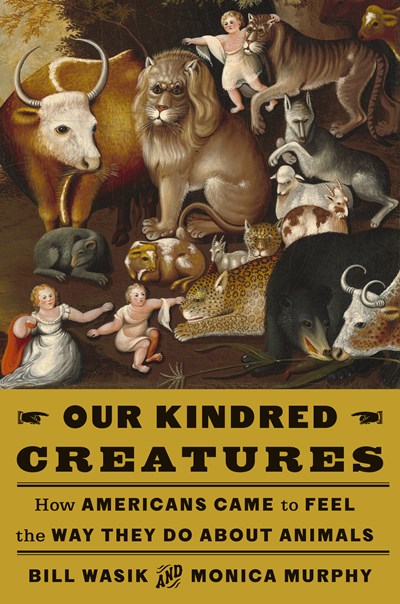
Over just a few decades at the end of the nineteenth century, the United States underwent a moral revolution on behalf of animals. Before the Civil War, animals' suffering had rarely been discussed; horses pulling carriages and carts were routinely beaten in public view, and dogs were pitted against each other for entertainment and gambling. But in 1866, a group of activists began a dramatic campaign to change the nation’s laws and norms, and by the century’s end, most Americans had adopted a very different way of thinking and feeling about the animals in their midst.
In Our Kindred Creatures, Bill Wasik, editorial director of The New York Times Magazine, and veterinarian Monica Murphy offer a fascinating history of this crusade and the battles it sparked in American life. On the side of reform were such leaders as George Angell, the inspirational head of Massachusetts’s animal-welfare society and the American publisher of the novel Black Beauty; Henry Bergh, founder of the American Society for the Prevention of Cruelty to Animals; Caroline White of Philadelphia, who fought against medical experiments that used live animals; and many more, including some of the nation’s earliest veterinarians and conservationists. Caught in the movement’s crosshairs were transformational figures in their own right: animal impresarios such as P. T. Barnum, industrial meat barons such as Philip D. Armour, and the nation’s rising medical establishment, all of whom put forward their own, very different sets of modern norms about how animals should be treated.
Coming April 23
|
|
|
|
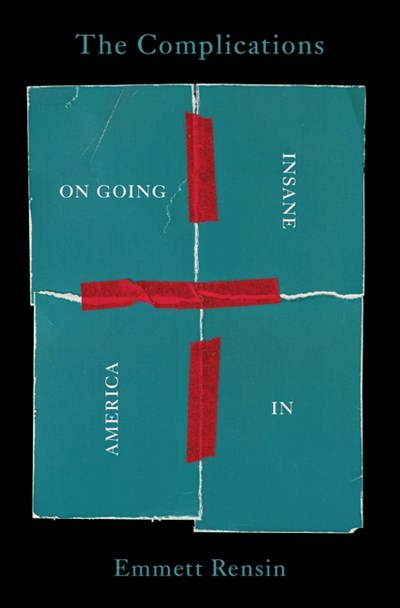
The Complications is an intimate portrait of what it’s like to live with schizoaffective disorder of the bipolar type as well as a biting, revelatory critique of America’s mental health culture. Emmett Rensin has written and edited articles for major national media outlets, and taught writing and literature at prestigious schools. But he has also lost jobs and friends, been hospitalized and institutionalized, and cycled through a daunting combination of medications. With scorching honesty, he reflects on his messy, fragile attempt to live his life, his periods of grace, and his near misses with disaster and death.
Going beyond the usual peans against “stigma” and for “understanding”, Rensin confronts the dysfunction in current mental health narratives, contrasting what he calls high culture mental illness “high culture”—in which we affirm the prevalence of anxiety and encourage regular therapy, insisting that the “mentally ill” aren’t dangerous or even weird—with even progressive society’s inability to contend with people with more severe forms of mental illness: those people we pass on the street talking to themselves, those caught in a loop between hospitals and prisons, or even those who we cannot tolerate in our own schools, offices, and lives, including himself.
Coming April 23
|
|
|
|
Magers & Quinn Booksellers
3038 Hennepin Ave
Minneapolis, MN 55408
(612) 822-4611
Open Daily 10am - 10pm
Next day pickup 10am - 7pm
Used book drop off 10am - 7pm
|
|
|
|
|
|
|