Greetings!

Afghan students take two national tests a year. Their scores are compared with the scores of students in their class and everyone is ranked. The rankings help us identify students doing well and those who are struggling. Suzanne, Basir and Qudsia find out why children are struggling and provide additional support where helpful.

There have been a few who just don't want to study or do their work and consequently have been dropped from the program. "You can lead a horse to water..." The vast majority do extremely and surprising well. They and their parents know the way out of poverty is through education. For Afghan women education also lessens their dependence upon men.

Most of the children were discovered while working on the streets of Kabul by Basir and Qudsia, our program directors. They drive around looking for candidates, interview them and then meet with their parents.

Before sponsorship begins parents sign an agreement providing the sponsored child will no longer work on the streets. If they violate the agreement, they risk being dropped from the program. In the ten years since the sponsorship program began none of the children have returned to streets. That is, at least to our knowledge. The fact is parents don't want their children to work on the streets. They just need the money their children can make. Sometimes it's more than their fathers are earning. In the most difficult cases the family lacks a father.

What does it take to buy the time children are working on the streets? Most receive $50 a month, a little more when they go to college.

So How Did They Do?

Twenty six children (37%) of the 70 children who took the most recent test placed in the top 20% of their class. Sixteen children (23%) placed in the top 10% of their class. Three were fifth in their class, one was fourth, five were third, two were second, and FIVE WERE FIRST IN THEIR CLASS!!!! Class sizes vary. Below are the numbers;

25 in the class -- one class
30 - 39 two
40 - 49 nine
50 - 60 fourteen

Profiles of the top five are below

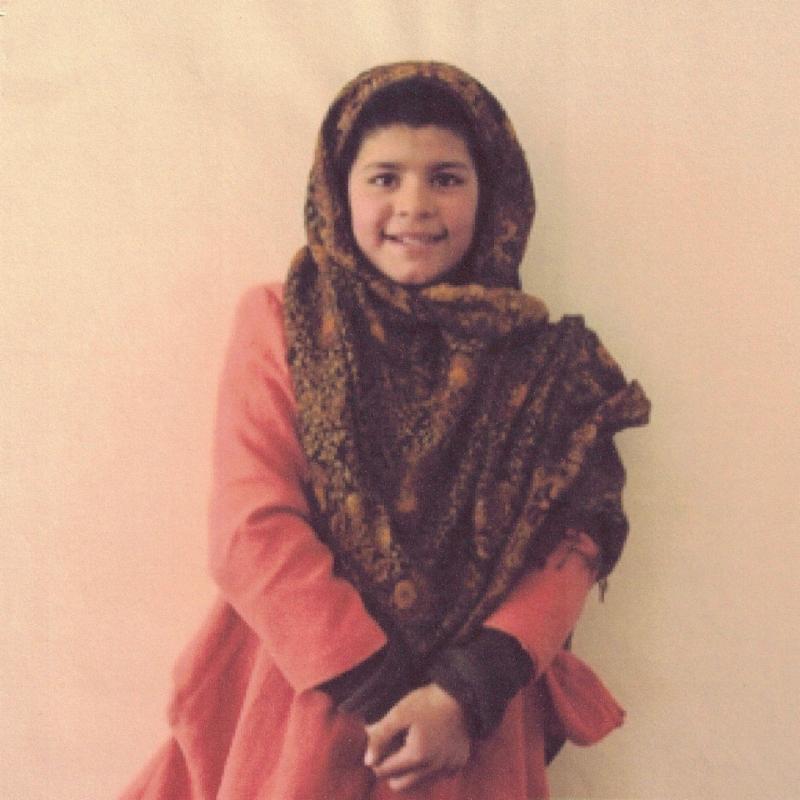
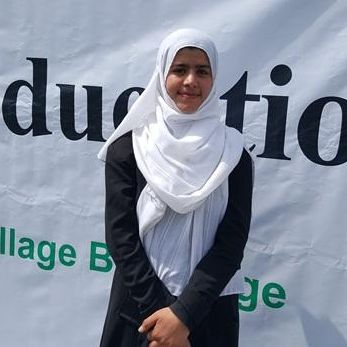
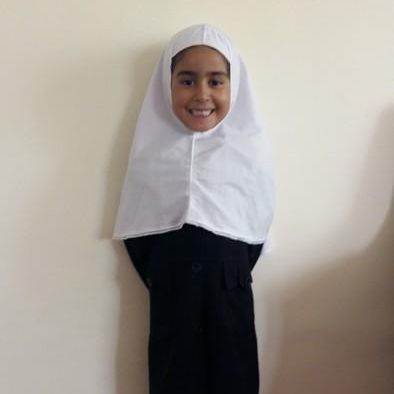
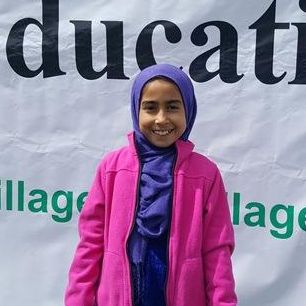
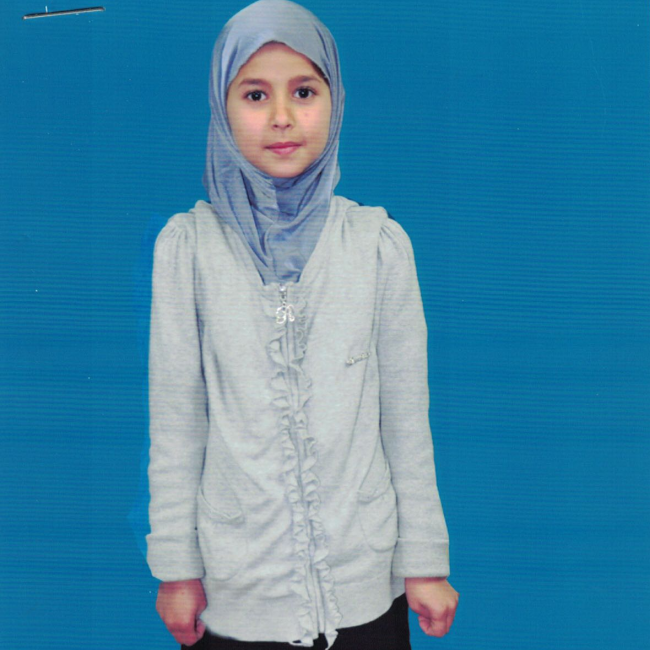
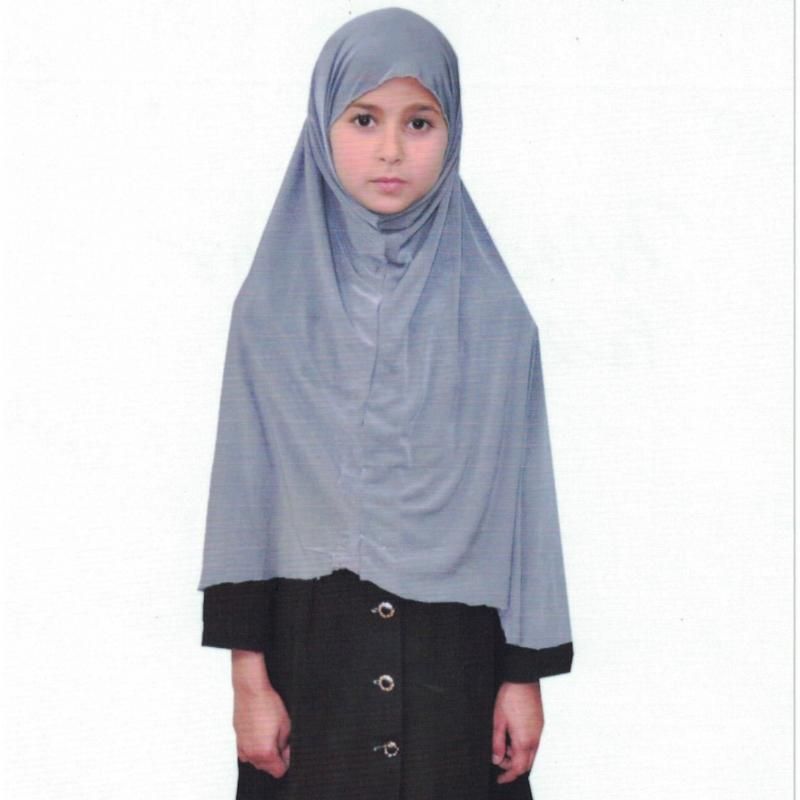
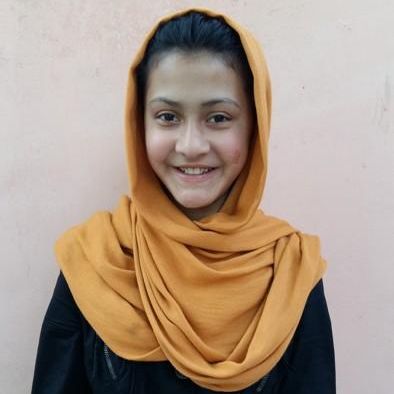
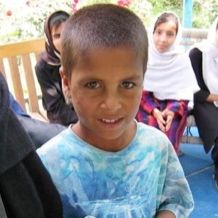
The photos on the left were taken when they were admitted to the sponsorship program. The photos on the right are the most recent. Just like the fruit trees I wrote about in the last newsletter, they have grown and continue to grow. And, we get to watch them over time!!!

Abida was in 3rd grade and 9 years old when she first entered the sponsorship program in March of 2015. She was selling plastic bags on the street with her brother, who also sold balloons. Their father earns money by pulling a cart with heavy loads from one place to another. Abida has 3 sisters and 2 brothers. She plans to be a teacher. 
First out of 48.
Hamasa was 6 years old and in 2nd grade when she entered the program in May, 2015. Her father is a teacher with a small salary. He could not afford to buy her school supplies or pay for private lessons. Now he can and does.
First out of 51. Hamasa plans to be a doctor.
Madina entered the program in July, 2017. She was cleaning homes with her mother and could not afford school supplies. Now she can. Her mother is uneducated but doesn't want to be. Madina teaches her mother every day. 
First out of 52. Madina knows she "is one of the lucky ones". She plans to be a doctor or teacher. 
Sadaf entered the program at 12 years old in May, 2017. When she was 7 her father was killed in a bomb blast in Kabul. One year after he died doctors discovered a small tumor on her lung. She had several operations and now has only one lung.
Sadaf lives with her mother, sister Neelab, and her brother. Neelab is also sponsored through TIE. Her brother is nine years old and "has severe mental problems".

Sadaf's mother wants to work but can't. She must stay home and take care and watch over Sadaf's brother.
He can't be left alone.
First out of 55.
Sadaf's favorite subject is Biology. Her hobbies are reading books and drawing. She plans to be an engineer.
Haji Gul entered the program when he was 9 years old in the 3rd grade in May, 2009. Haji Gul has seven sisters. His father works as a driver. Haji's entire family live in two rooms with running water but no electricity or cooking space.
First out of 25.

Haji Gul has taken additional classes in art, algebra, Dari, and computer science. He is also learning English "so he can better communicate with his sponsors".

Haji Gul has a great sense of humor. He includes jokes in the letters he sends to his sponsor. He's very athletic, plays soccer and volleyball. He also has a pet cat named Charlie. He plans to become a doctor.
At the risk of stating the obvious, it takes so little to impact the lives of those less fortunate. What better reward and achievement could there possibly be? Well, maybe the Warriors defeating Houston without Kevin Durant.

Budd

ps If interested in learning more about the sponsorship program click here.
How Can You Help TIE?
Trust in Education | www.TrustinEducation.org