|
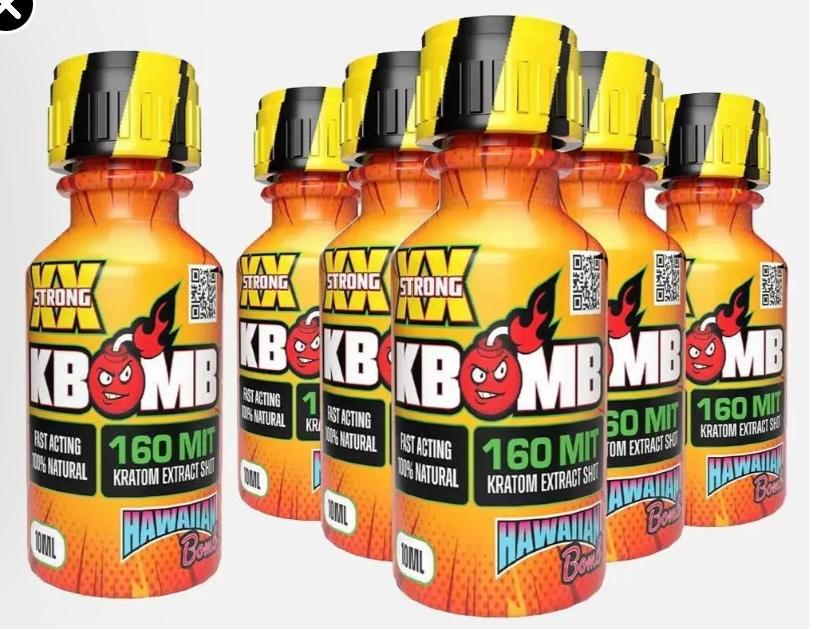
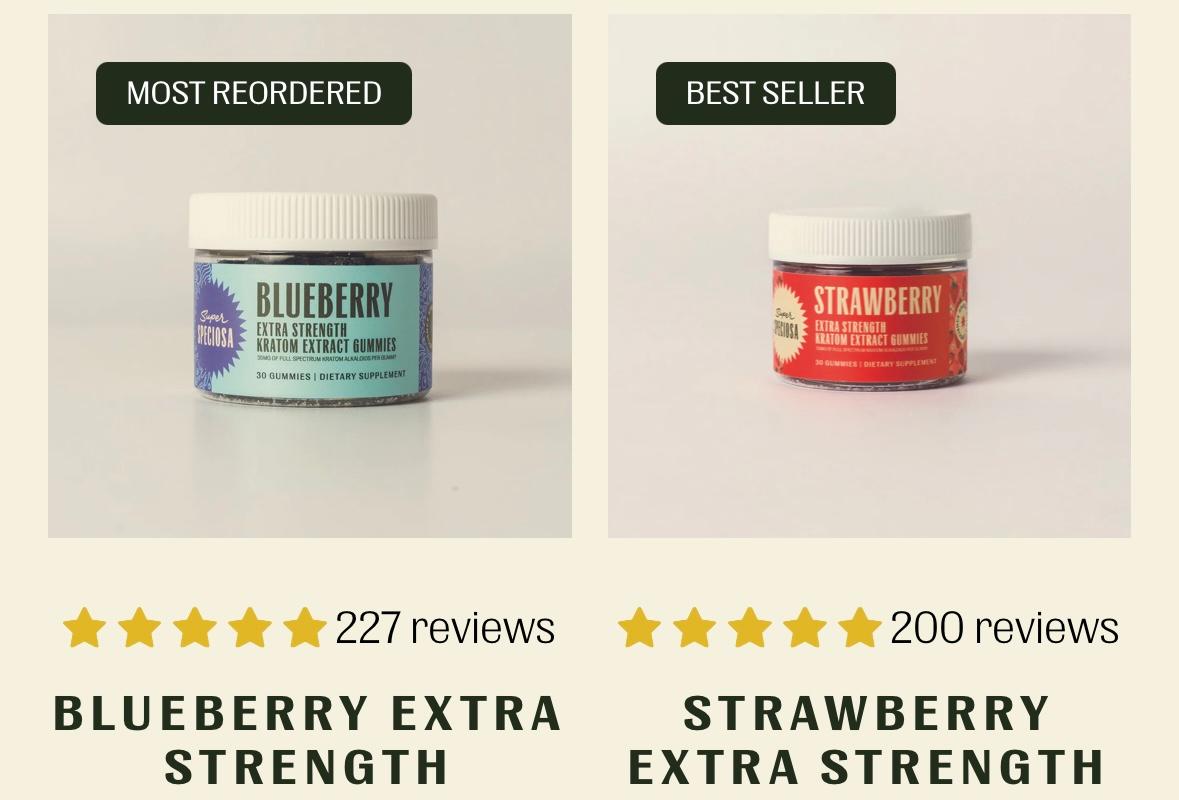
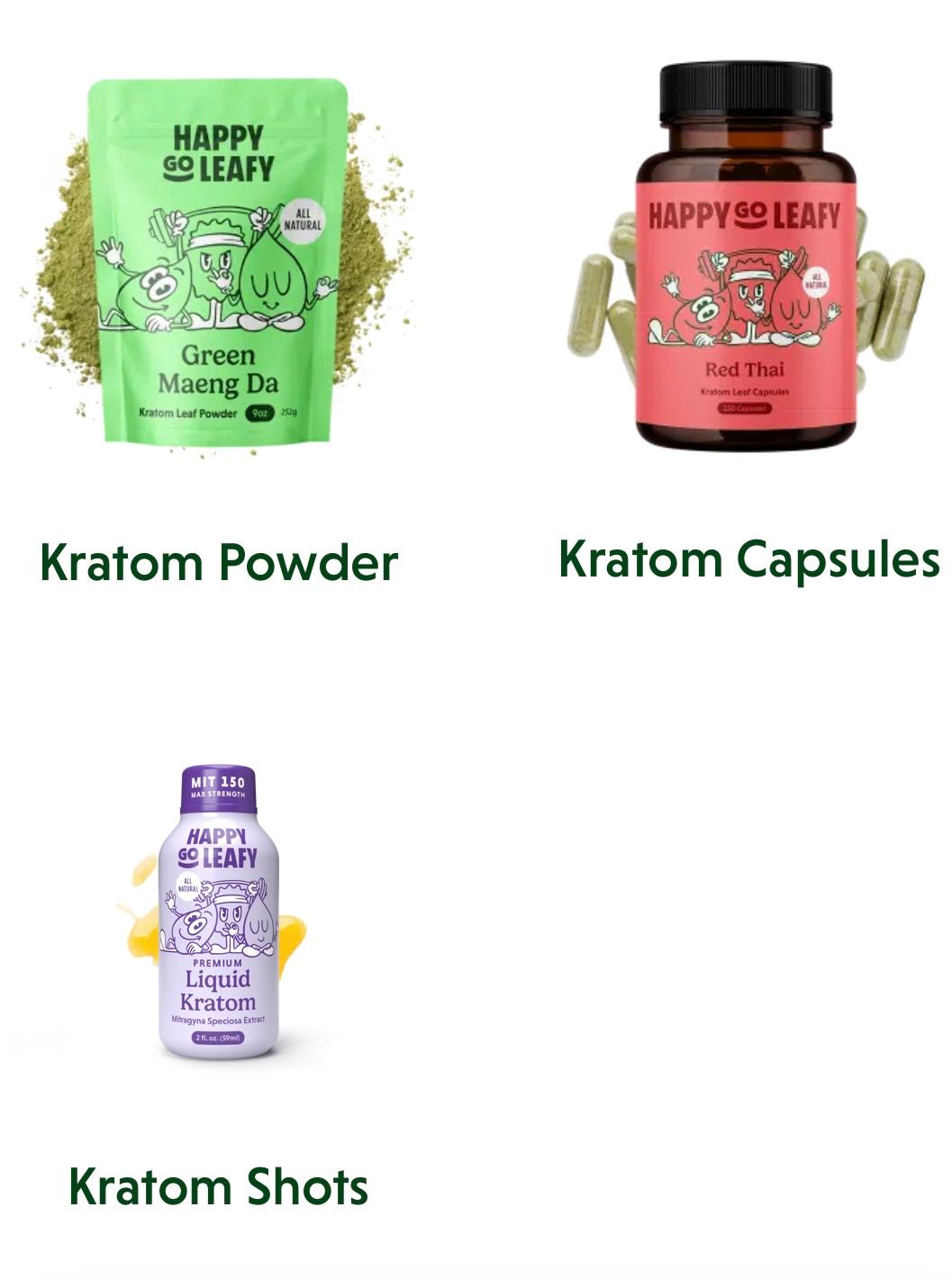
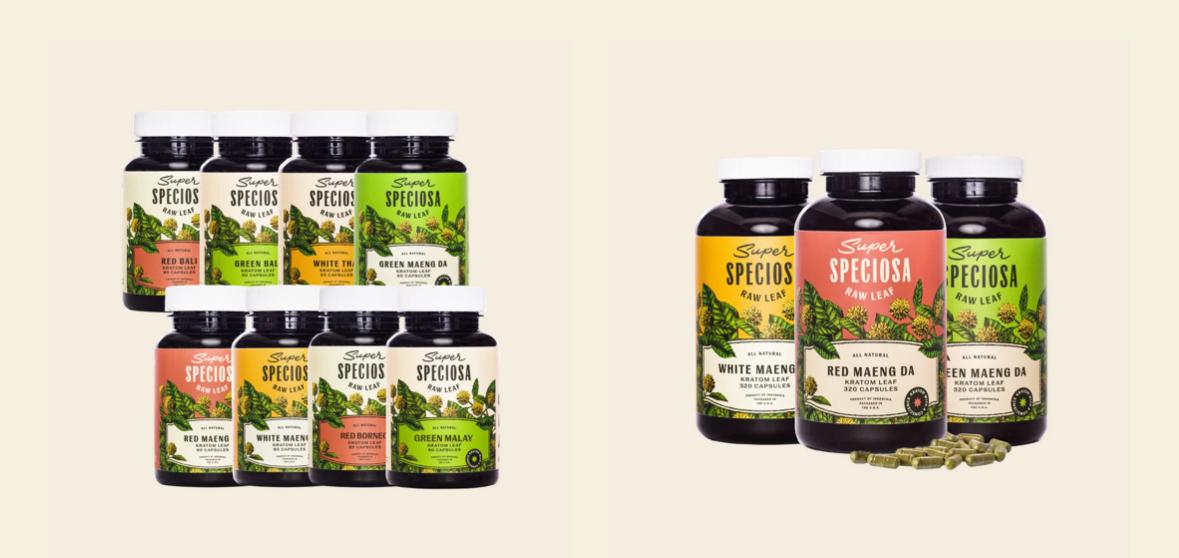
People use kratom for a variety of reasons, including pain relief, mood improvement, increased energy (at low doses), relaxation or sedation (at high doses), and self-management of opioid withdrawal. However, kratom is largely unregulated, and the potency, purity, and safety of these products can vary widely.
Kratom is currently legal to possess and use in New Jersey, although legislative bills have been introduced that would criminalize the possession, sale, and distribution of kratom. Another proposed bill would restrict sales and ban sales to minors rather than prohibit kratom entirely.
Some kratom products are enhanced with concentrated opioid-like compounds such as 7-OH, which may pose increased danger. Common side effects include nausea and vomiting, constipation, dry mouth, and dizziness or lightheadedness. Neurological and mental effects may include sedation or drowsiness, confusion, anxiety, and euphoria.
Regular use can lead to tolerance, cravings, physical dependence, and withdrawal symptoms.
Of particular concern is that respiratory depression can occur when 7-OH is mixed with other substances such as alcohol, opioids, or sedatives. These combinations greatly increase the risk of overdose-like events, even though kratom itself is not an opioid medication.
Be sure to speak with your children about the dangers of kratom and the fact that it can be very dangerous, even though it is sold over the counter.
As the Borough of Franklin Lakes REACH’s Addiction and Recovery Advisor, I am available, on a strictly confidential basis, to assist residents who are in crisis and need help navigating the many resources available to them.
Ellen Trotta Carmody
Cell: 201-466-1408
reach@franklinlakes.org
|