|
"When there is a frenzy of activity in one area of the market there is very often an anti-bubble of discarded companies."
- Nick Sleep
| | |
SANTANGEL'S REVIEW runs the Santangel's Roundtable: a cap-intro event that brings together top tier managers and allocators for a day of meetings and networking. The Roundtable is held twice a year in New York City, and once annually at Fenway Park in Boston and Chicago.
Attendance is invite-only and we encourage you to reach out if you are a manager or an allocator and would like more information
| | |
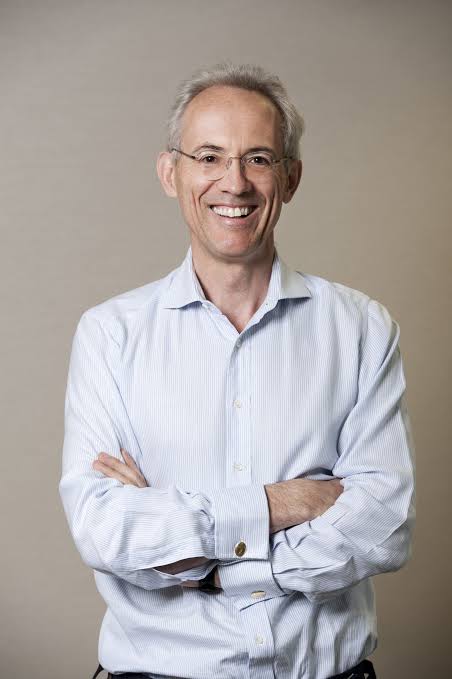
JOHN ARMITAGE: "I like to invest in a company where if the stock market closed, I wouldn’t feel worried. I like to invest in a company where I feel I have valuation protection on the downside, and I like to invest with management which are realistic. I hate to invest with management which use accounting policies to make their results seem better than they are in practice, and I hate to invest with management where you feel life is always rosy. The red flags are consistently missing expectations, and that feeling that someone is always presenting a picture which is slightly biased to be positive that feeling that people don’t like, or can’t admit, something might be wrong." Norges Bank Investment Management (YouTube) - October 7, 2026
| |
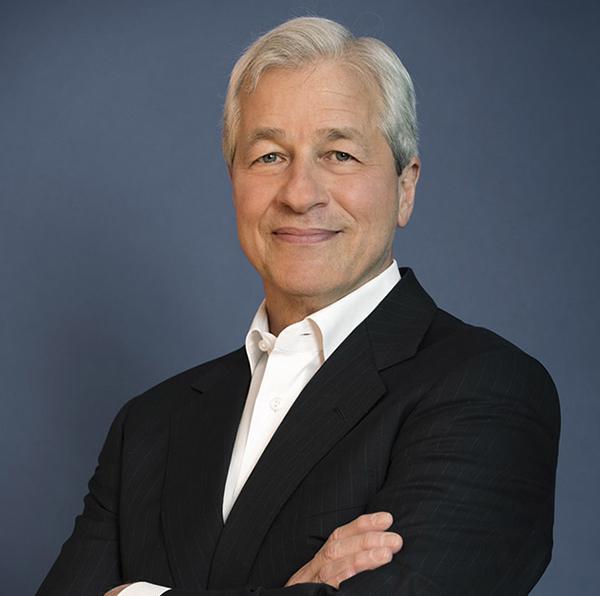
JAMIE DIMON: "AI itself, I think, creates a lot of value. And, so I'm not really worried about it, but you do point out it is a lot of additional borrowing. So there's normal CapEx borrowing. There's a... I don't know if the borrowing's a trillion because it's more like the commitments, but there's a lot of borrowing. And then the government's borrowing $2 trillion again. And this is a global phenomenon. It's not just United States. And, yeah, there's a supply and demand of capital. If you thought there was a savings years ago, now there's not. And, you know... But it could be a good thing if rates are going up because of demand for capital and the capital is viewed productively. The problem apart is the government, its consumption. That's a whole different thing. So, and then, of course, government spending can drive inflation, so there could be a flip side of how this plays out." Bloomberg Television (YouTube) - October 6, 2026
| |
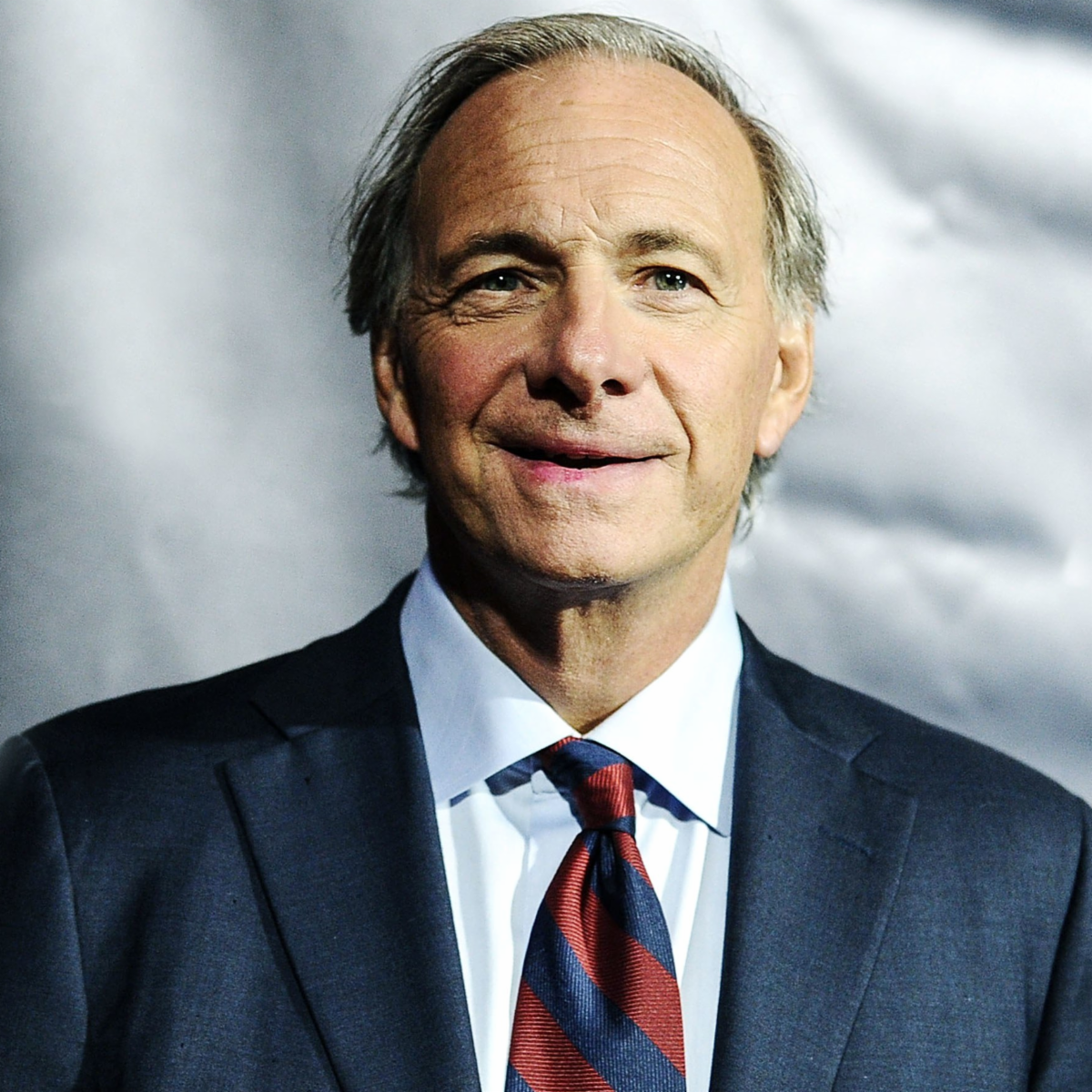
 | | RAY DALIO: "I think that, you don't look at the interest rate. It'll have an effect. Of course, you look at the interest rate. But what I mean is you look at what is the amount of savings, what is the total amount of capital, and what is the demand for capital. And when you get that imbalance, that supply demand imbalance, then you have to have the price of it go up until you ration that demand. So you have to ask yourself, what is it that's going to be rationed in that? And so then we're dealing with... It's not gonna be government deficits because they're inelastic. In other words, in fact, if you had a worse economy, they would increase. So then you find out who are the sectors that are squeezed out. Is it housing? Housing would be quick. But with such a large difference in financial conditions of the wealthy and the poor, you're going to see that happening more at the lower end of that spectrum. So is it auto loans? Is it, those kinds of loans then get squeezed out first, and, something like data centers, come later. And so that's why you start to have more of a wealth conflict because, then the people who have get squeezed the most in that part of the cycle." Bloomberg Television (YouTube) - October 6, 2026
|
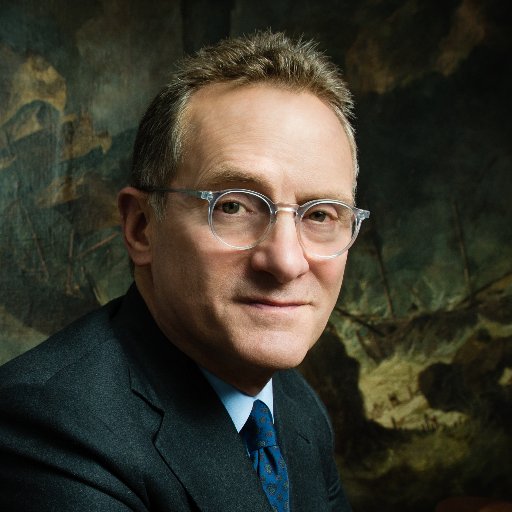
| | | HOWARD MARKS: "Another thing that the markets are getting right nowadays is the fact that interest rates have been too low and higher rates were called for and, you know, in the last 10 days or so we've had a big run up in rates and now everybody's running around with their hair on fire. And by the way, everybody says what do you think about these high rates? What do you think about these high rates? What do you think about higher for longer? And the first thing I always say is these are not high rates. You know, they're high relative to the rates that have prevailed since '09 when the Fed decided to cut the Fed funds rate to zero to save the world financial system. But these are not high rates. These are quite low rates relative to the long sweep of history and you might say kind of in the zip code of normal. But, you know, I think that the rising rates accurately reflect the fundamentals and that's a good thing. Everybody in this room I think believes in the free market system and we invest in private enterprise to make money. We haven't had a free market in money in maybe 30 years. We've had administered rates from the Fed. And I think that Kevin Warsh is going to be less of an activist than his recent predecessors. And I think there's a higher probability going forward that interest rates will be what they call natural interest rates, which are the rates that are set through negotiations between borrowers and lenders. What better source of interest rates than that?" Brookfield (YouTube) - October 1, 2026
| |
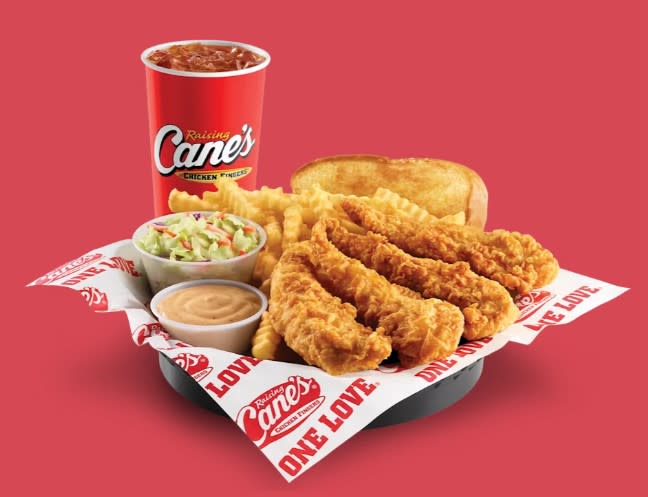
| | | HOW RAISING CANE'S OVERTOOK KFC TO BECOME THE NO.3 CHICKEN CHAIN IN THE US: "With a simple menu and company-owned restaurants, Raising Cane’s has quietly surpassed KFC in annual U.S. sales, becoming the third-largest chicken chain in the country. The accomplishment follows a recent winning streak for the 28-year-old company, which has spent the last decade expanding outside its home bases in Louisiana and Texas. Its restaurant footprint has grown to more than 900 locations, up from just over 500 in 2020. Last year, it opened 118 restaurants. About 100 are expected to open this year, with another 200 or so in the development pipeline. Cane’s told CNBC that its system sales rose to $5.1 billion last year, more than double its total in 2021. Last year’s total was lifted by a 10.8% increase in traffic, even as consumers pulled back their overall restaurant spending. Cane’s trails only Chick-fil-A and Restaurant Brands International’s Popeyes in U.S. sales. But Cane’s founder Todd Graves has even bigger ambitions for the chain he started at age 24. He has said that he wants Raising Cane’s to become a top 10 restaurant chain, with more than $10 billion in annual sales. The chain is ranked 18th – up 10 spots from a year earlier – on Technomic’s list of U.S. restaurant brands based on 2024 system sales." CNBC - June 30, 2025
| |
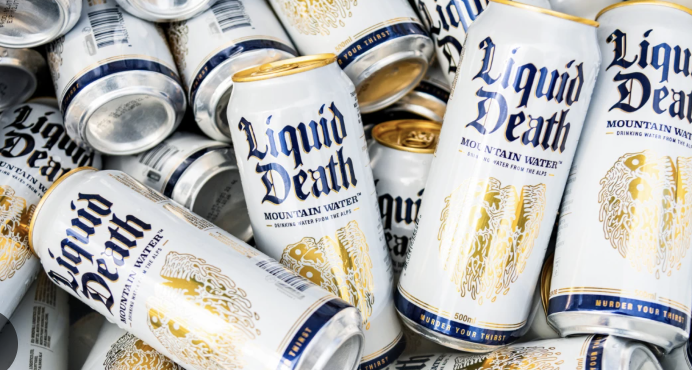
HOW WATER IN A CAN BECAME A BILLION-DOLLAR BUSINESS: "If you’ve been to a live event recently, you may have noticed something called Liquid Death being sold at food and drink stands. For those not in the know, the name may be a little intimidating. But “Liquid Death” is just water in a can. Now the brand, which has been independently owned and operated since its creation in 2017, has raised a new round of investment that values it at $1.4 billion. In a release Monday, Liquid Death said it had hit $263 million in global sales and can be found in 113,000 retail outlets across the U.S. and U.K. It said it had seen “triple-digit” growth for the third-consecutive year, becoming the fastest-growing water and iced tea brand, citing SPINS, a market research group. If it seems surprising that a company just selling water is growing this fast — that’s the point, experts say." NBC News - March 16, 2024
|
| | | 36 YEAR OLD'S FITNESS COMPANY WAS 'A WEEK AWAY' FROM BANKRUPTCY - NOW IT'S VALUED AT $10.1B: "For Will Ahmed, the road to building a $10.1 billion fitness startup began with what he calls “the ultimate betrayal.” The perpetrator? His own body. Launched in 2012, the Boston-based fitness wearables company now has more than 2.7 million users across the globe. Those customers use Whoop’s screen-free wrist devices to track a wide range of biometric data around the clock, from sleep quality to how their bodies perform during exercise and recovery. The company achieved its 11-figure valuation in March, with a $575 million fundraising round from a group of investors including athletes like LeBron James, Cristiano Ronaldo and Rory McIlroy. “My whole life, I loved sports and exercise,” says Ahmed, 36, Whoop’s founder and CEO. He played several sports growing up and eventually captained Harvard University’s prestigious squash squad. He also obsessed over fitness to the point of chronic fatigue from “over-training,” he says: ‘I would go through periods of getting fitter and fitter, and then somewhat suddenly feeling completely run down ... and not knowing why.’" CNBC - June 9, 2026
| |
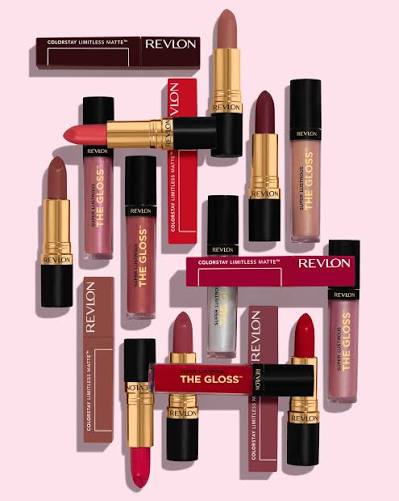
THERE'S NOTHING WRONG WITH BEING A HERITAGE BRAND: HOW REVLON IS UPDATING ITS IMAGE BY LOOKING INTO THE PAST: "As an 87-year-old brand, Revlon needed to do more than just reintroduce itself to a new generation of beauty consumers. “We needed to reintroduce ourselves to not just a next generation of consumers, but we had to reintroduce ourselves to our existing consumers. We had been quiet,” said Dana Medema, Revlon’s president of North America, while speaking at the 2026 Advertising Week conference. To do so, Revlon looked to fresh talent. In April, Revlon named musician and actress Teyana Taylor and country music star Megan Moroney as the faces of its “Revlon Be Unforgettable” campaign. The work is an update of a previous Revlon campaign from the 1980s and ‘90s that featured major names of the day like supermodel Cindy Crawford and Oprah. The brand wanted to remind consumers about its heritage while updating aspects of its strategy for the 21st century." Glossy - October 7, 2026
| | |
"What an excellent conference! Any time you show up
and immediately spot five people who you think are
among the best investors in the world, you know you are in the right place."
| | |
THIS MESSAGE IS BEING PROVIDED STRICTLY FOR INFORMATIONAL PURPOSES, IS NOT A RESEARCH REPORT AND CONTAINS INSUFFICIENT INFORMATION TO MAKE AN INVESTMENT DECISION. NO INVESTMENT ADVICE IS BEING PROVIDED.
| | | | |