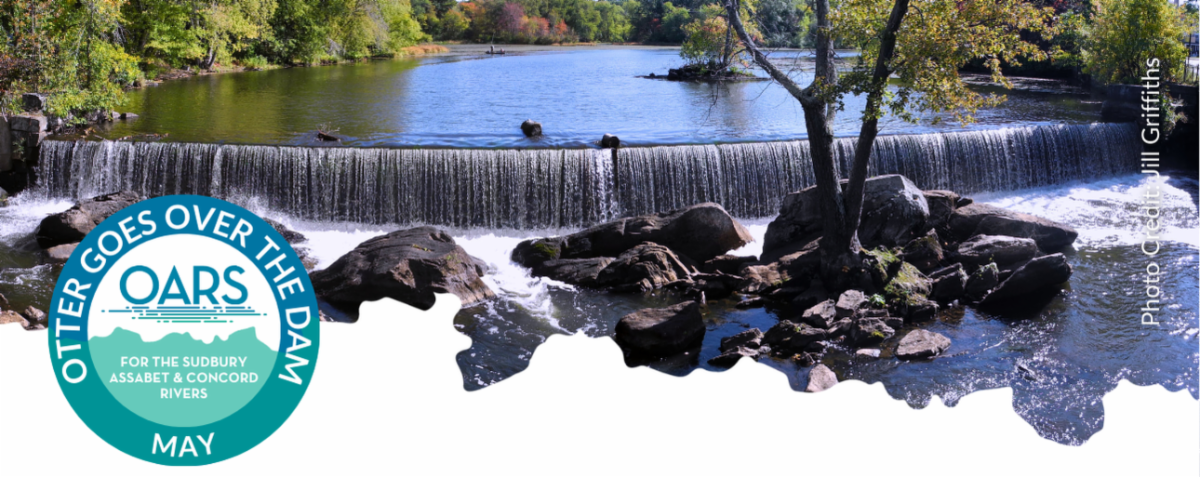
News, events, and updates you Otter know from OARS.

Facebook  Instagram  LinkedIn  X  YouTube

NATIONAL DAM SAFETY AWARENESS DAY

May 31stt Link

This day is dedicated to the memory of the 2,220 people who lost their lives in the 1889 South Fork Dam failure near Johnstown, Pennsylvania. Dams are inherently hazardous structures, and if they fail or are not operated properly, they can release the reservoir contents, causing negative impacts upstream and downstream. Recent dam failures around the country have brought to light the alarming condition of many of the nation’s dams due to aging infrastructure.

A vast majority of dams are small, locally or privately owned, built initially to control water flow, mill grain, transport lumber, or create a reliable fishing spot. Thousands of these dams have begun to degrade inside our rivers, posing a significant threat to aquatic, terrestrial, and human life. The average dam in the US is 57 years old. While dams were built with the best construction and engineering standards of the time, many are not expected to withstand current extreme weather predictions that come with climate change-extreme storms, large floods, and earthquakes (in some areas). Massachusetts alone has over 3,000 dams, and most of them are obsolete and unsafe.

NATIONAL DAM SAFETY AWARENESS DAY

May 31st

MEPA REVIEW IS COMPLETE

The environmental review process for the Talbot Mills Dam Removal Project under the Massachusetts Environmental Policy Act (MEPA) has been completed. The Secretary’s Certificate for the Single Environmental Impact Report (SEIR) was issued on April 1, 2024, stating that the SEIR “adequately and properly complies with MEPA.” The state-level MEPA process gathers information to ensure all relevant environmental information is in hand before permitting processes begin. The Single Environmental Impact Report (SEIR), published in the Environmental Monitor on February 23, 2024, is a comprehensive project description. It contains detailed project plans, answers to questions raised in the Secretary’s Certificate for the EENF, and responses to the comments submitted by the public and others. All filings and Certificates can be downloaded from MEPA’s Talbot Mills summary page.

NEXT STEPS

Consultations under the National Historic Preservation Act (Section 106) are in progress, and state, federal, and municipal permit applications are in preparation.

UPDATED PROJECT TIMELINE

PROJECT BACKGROUND
SIGN UP FOR UPDATES
CONTACT WITH QUESTIONS

WHEELER POND DAM UPDATE

Berlin

Wetland delineation and a cultural assessment of Wheeler Pond Dam are complete. Project partners recently discussed cultural resource considerations and a strategy and timeline for submitting permits. Upcoming permits and filings are the Natural Heritage Endangered Specia Program (NHESP), Chapter 253 (Office of Dam Safety), Section 401 (Water Quality), and an Environmental Notification Form (MEPA Review). OARS is collaborating with town officials on removal logistics and the potential for MVP grant funding to rehabilitate the bridge immediately downstream of the dam.

We will continue community outreach and record valuable historical information during this process. The project was recently awarded $50,000 from the Eastern Brook Trout Joint Venture program to help with the Design and Permitting phase. Project partners will continue to search for funding to complete the project through post-construction.


TRAPHOPE BROOK RESTORATION SITE VISIT

Norwood

Executive Director Matt Brown and the Ecological Restoration Coordinator, Heather Conkerton, recently met with the Neponsit River Watershed Association and the Town of Norwood to tour the Traphole Brook Restoration project. The removal of the Mill Pond dam has restored this area to a free-flowing stream, which has improved water quality and aquatic habitat. This restoration also provides climate resilience along Traphole Brook. Dams are a concern across watersheds, and OARS appreciates the knowledge and expertise gained and shared from site visits to other dam removal projects. Each project presents unique challenges and contributes to a deeper understanding of riverine systems. We greatly value opportunities to talk with all practitioners engaged in this valuable work.