Researcher Evaluates if Mental Health First Aid Drives Culture Change | | |
Click Here for Overview of Early Outcomes
For years, extensive peer‑reviewed research has shown that MHFA improves individual knowledge, attitudes, and behaviors related to mental health. These outcomes are well established and widely documented.
However, over the past six years, we have consistently heard stories that raised a different set of questions: Does MFHA also influence organizational culture? Do people talk more openly about mental health? Are they more likely to support each other? Does the training help organizations better care for the mental health of their workforce?
Although the final report comes out later this month, we are excited to share initial findings from the researcher that point to positive shifts.
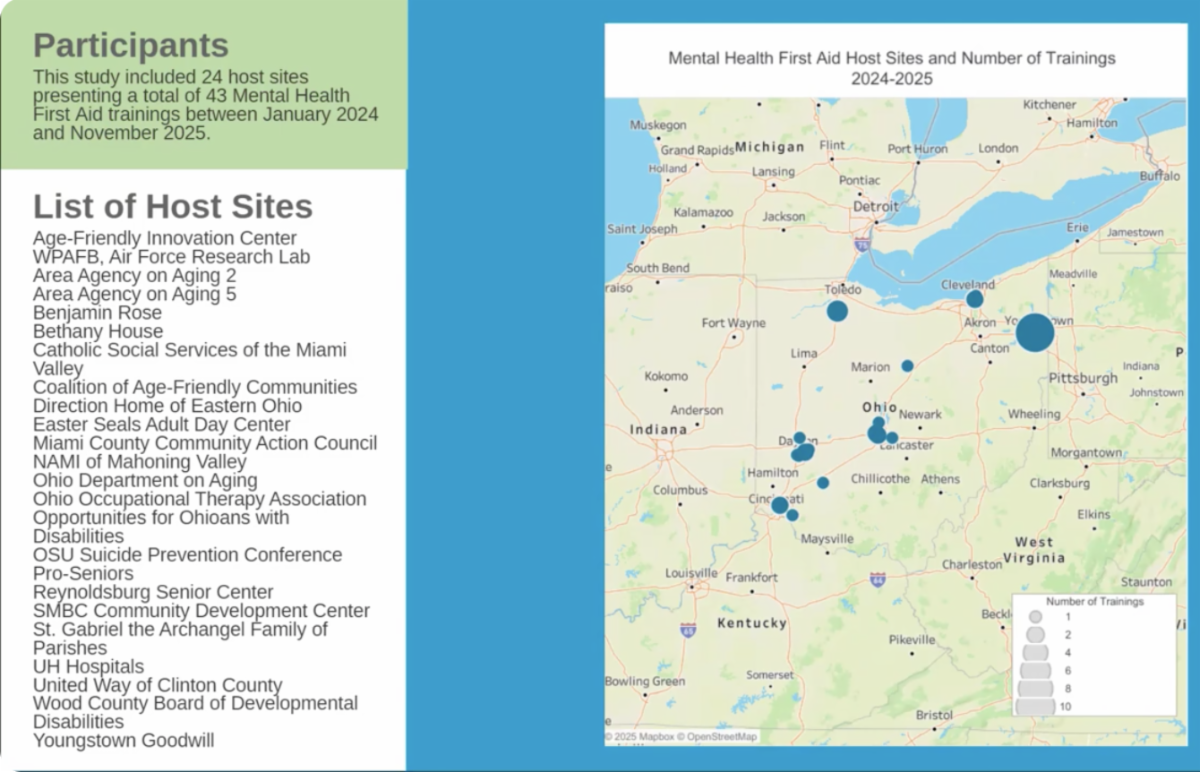
We’d like to thank Epiphany Community Services, the Department of Behavioral Health, and the respondents from the 24 Hosts Organizations serving older adults in Ohio.
| |
New After School Program to Be Launched Fall 2026
We are building something new, and we want your voice in it.
The MHFA Collaborative is excited to be planning a new multi‑week After‑School program launching in fall 2026. The flexible curriculum will include Teen Mental Health First Aid, resiliency and coping skills, and youth mental health advocacy and leadership development. All sessions will be led by certified Teen Mental Health First Aid instructors to ensure engaging, high‑quality, and student‑centered learning.
| | |
As we develop this program, we are inviting our partners, educators, and community members to help us name it. We want a program name that appeals to ninth‑ and tenth‑grade students as they build life skills about how to care for themselves and others as they prepare for a successful transition into young adulthood.
We are also looking to connect with schools and organizations who may be interested in hosting the program in the fall.
If you would like to email us about a program name idea, learn more about participating, or explore ways to get involved, we would love to hear from you!
| | | | |
How Teaching Teen MHFA Saved a Life
By: Jess Bressler, teenMHFA Program Specialist and Instructor
| | |
One of the most impactful conversations we have in tMHFA happens during Session 5, when we discuss helping a friend in a substance use crisis. This is a heavy topic, and teens often have real questions about how they can help in real-life situations.
Personally, when I teach about this topic, I bring a Narcan nasal spray to class so students can see it, learn how to use it, and understand where they can access it for free through a doctor’s office or local emergency room. Teens want practical tools, and preparation matters! So, allowing them to handle the tools in person definitely helps them feel more prepared.
This fall, that preparation saved a life. My 18-year-old son received a call that a friend had taken a large amount of prescription pain medication. He grabbed the Narcan from my teaching bag, quickly drove to his friend's house, administered it, and called 911. His quick action revived his friend from what could have been a fatal overdose.
This experience is a powerful reminder of why tMHFA matters. When teens are equipped with knowledge and confidence, they are prepared to act when it matters most. I'm so grateful I took the time to teach my own teens about this important tool, and I look forward to sharing with students in future classes how something as simple as carrying a free Narcan in your bag can save someone's life.
| |
|
Other Real Stories About the Power of MHFA | |
Each month, we’ll share four real-life stories from Mental Health First Aiders to remind us why this work is so critical:
1. MHFA has been immensely helpful to me as an educator and an artist. Before this training, I often felt unsure of what to do when students and community members disclosed mental health concerns and crises. Now I'm able to offer tools for navigating the immediacy of the moment and to quickly connect people with local and national resources beyond my scope of expertise.
2. MHFA has been offered as part of the annual Suicide Prevention Conference for the past 3 years. Our attendees are grateful for the opportunity to learn these skills and feel comfortable using them in their daily lives as well as when dealing with patients.
3. MHFA has helped me recognize and act on signs/symptoms at work and with family. And it brought to light that I may have a mental illness. I sought help and received a diagnosis and treatment after thinking it was normal to suffer for decades.
| | |
4. MHFA has opened so many doors to increase understanding, reduce stigma, and get people to the help they may need. It also has helped to build confidence for those trained- they are more confident in their ability to navigate the system and provide help (versus ignoring the situation). At a time when the workforce is really understaffed, it is critical for the community to receive this training. I've seen firsthand the difference this training provides- without it we are taking steps backward at a really critical time.
| If you have a story to share, click here to submit yours. | | | | |
Build Confidence Before the Crisis:
Practice ALGEE and Make a Difference
| |
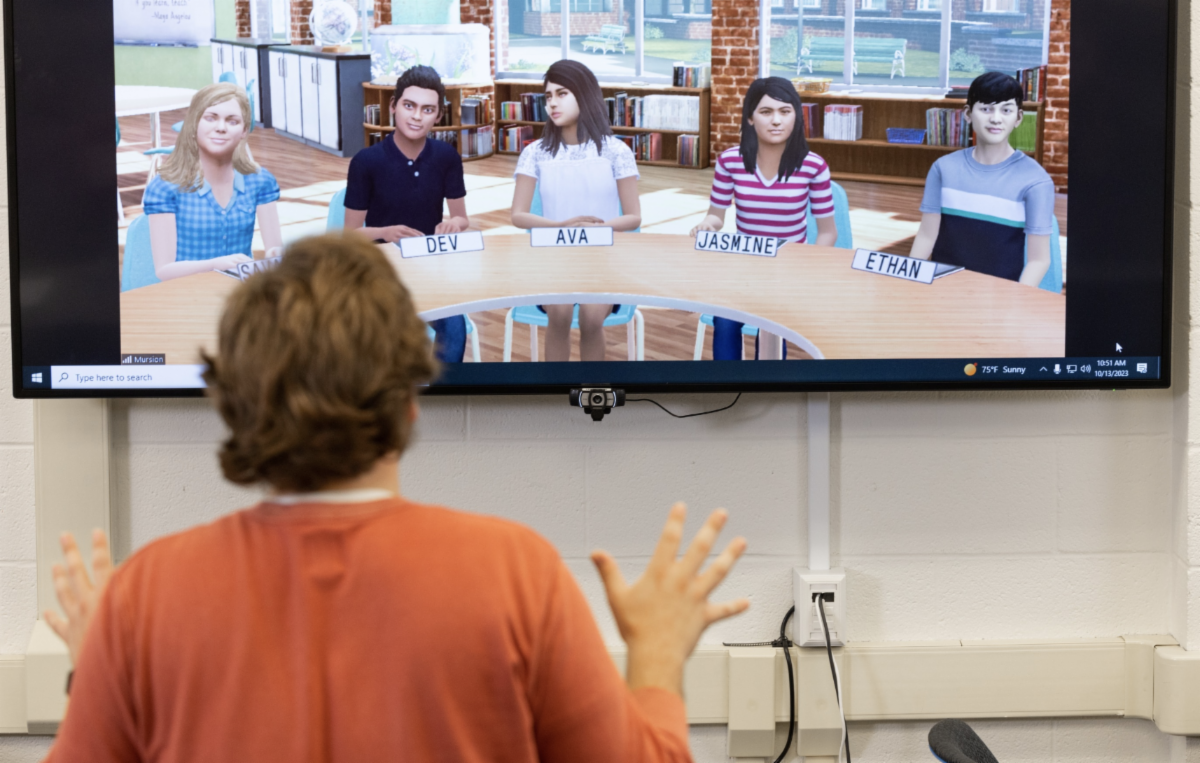
We are excited to announce three ALGEE Avatar Simulation sessions for 2026. These interactive, one‑hour virtual experiences help MHFAiders build confidence for real‑world mental health situations in a safe learning environment.
Each session has different scenarios that reflect real challenges MHFAiders may encounter in their professional and community roles. Our February avatars will present as:
• Adolescent female from an economically disadvantaged family with a history of domestic violence and depression, often a target of bullying, struggles socially, recent changes in behavior and an arrest for underage drinking
• Young adult male, recent college grad with student loans, struggling to find a job, thinks he should move back home to his rural community but knows employment options are more limited there, dealing with anxiety and stress
• 50ish female with adult children dealing with work stress and dissatisfaction with job, extreme feelings of loneliness and disconnect, thoughts of suicide, thinks no one would miss her
Past participants consistently highlight the value of the simulations. Many share that practicing conversations in real time helped them better understand how to respond across age groups, apply ALGEE skills with confidence, and see how the approach works in real‑life situations.
Register Here. All virtual sessions are from noon to 1:00 PM and you may register for one or all sessions:
- February 11, 2026
- April 8, 2026
- August 5, 2026
Thank you for attending these simulations and practicing ALGEE so you have stronger skills to support others when it matters most.
| |
Check Out the MHFA Collaborative Impact Report for 2025 | |
As we start a new year, we are honored to share our End of Year Report as we continue to expand mental health awareness and build response skills in Ohio and Northern Kentucky communities.
Inside this report, you will find highlights from 2025 including numbers trained. But these outcomes represent more than numbers. They reflect people like you who are now prepared to step in, start conversations, and connect others to help.
As you read, we hope you know you are the heartbeat of this because as an MHFAider, your presence can be the turning point for someone and change the course of their story.
| | | | Does Your School Need $1000 for Mental Health Activities? | |
If you are a student in grades 7–12 in the Greater Cincinnati area, time is running out to apply for World Teen Mental Health Wellness Day 2026 funding. World Teen Mental Wellness Day is observed annually to raise awareness for the mental health issues teenagers face, promote mental wellness, and determine solutions.
The bi3 Fund, Interact for Health, and the Joe Burrow Foundation are partnering to award $1,000 to each participating school. Funds can be used for activities that raise awareness about mental health, promote wellness, and encourage youth‑led solutions.
The application deadline is Friday, January 23, 2026.
Learn more and apply here.
| |  | New Scholarship Opportunities Open for Teens Across Appalachian Ohio | |
The Foundation for Appalachian Ohio has opened its 2026 scholarship season, offering new opportunities for high school seniors and continuing students across the 32‑county Appalachian Ohio region. Students planning to pursue college, technical training, or other credentialed programs are encouraged to apply.
Since awarding its first scholarship in 2004, the program has grown significantly and will award more than 320 scholarships this year. Through one application, students can apply for more than 50 different scholarship opportunities.
Check out the scholarship recipients to see who’s received scholarships in the past.
Good luck!
| | | |
What Ohio and Kentucky Can Learn from New York's $10 Million MHFA Investment | |
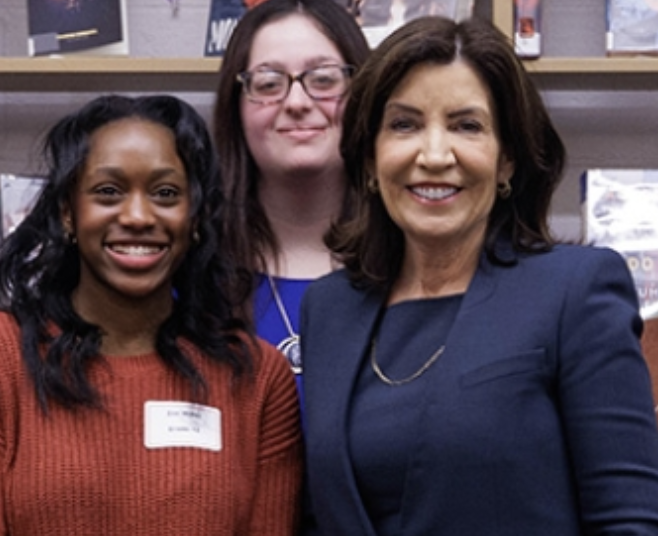
According to this news article, New York has committed $10 million in state funding to expand Youth and Teen Mental Health First Aid across the state. This 5-year initiative is framed as a core life skill for students, alongside academics and workforce readiness, rather than a supplemental program. Leaders described the program as an evidence-based complement to school mental health services, empowering students to support peers, recognize warning signs, and seek adult help sooner.
New York’s action reflects a growing national trend that recognizes MHFA as essential public health infrastructure rather than an optional add‑on. Ohio is experiencing long waiting lists and strong evidence of impact, yet current cuts have severely limited training. Now is a great time for state leaders to build on what is working and ensure more communities have access to prevention and early support.
| | | | |