|
Championing Native Voices and Equity: Dillon Shije’s Leadership at the City of Albuquerque
Join us as we celebrate the resilience, creativity, and enduring spirit of Native American and Alaska Native peoples. Together, let's work towards a future where Indigenous voices are heard, honored, and amplified.
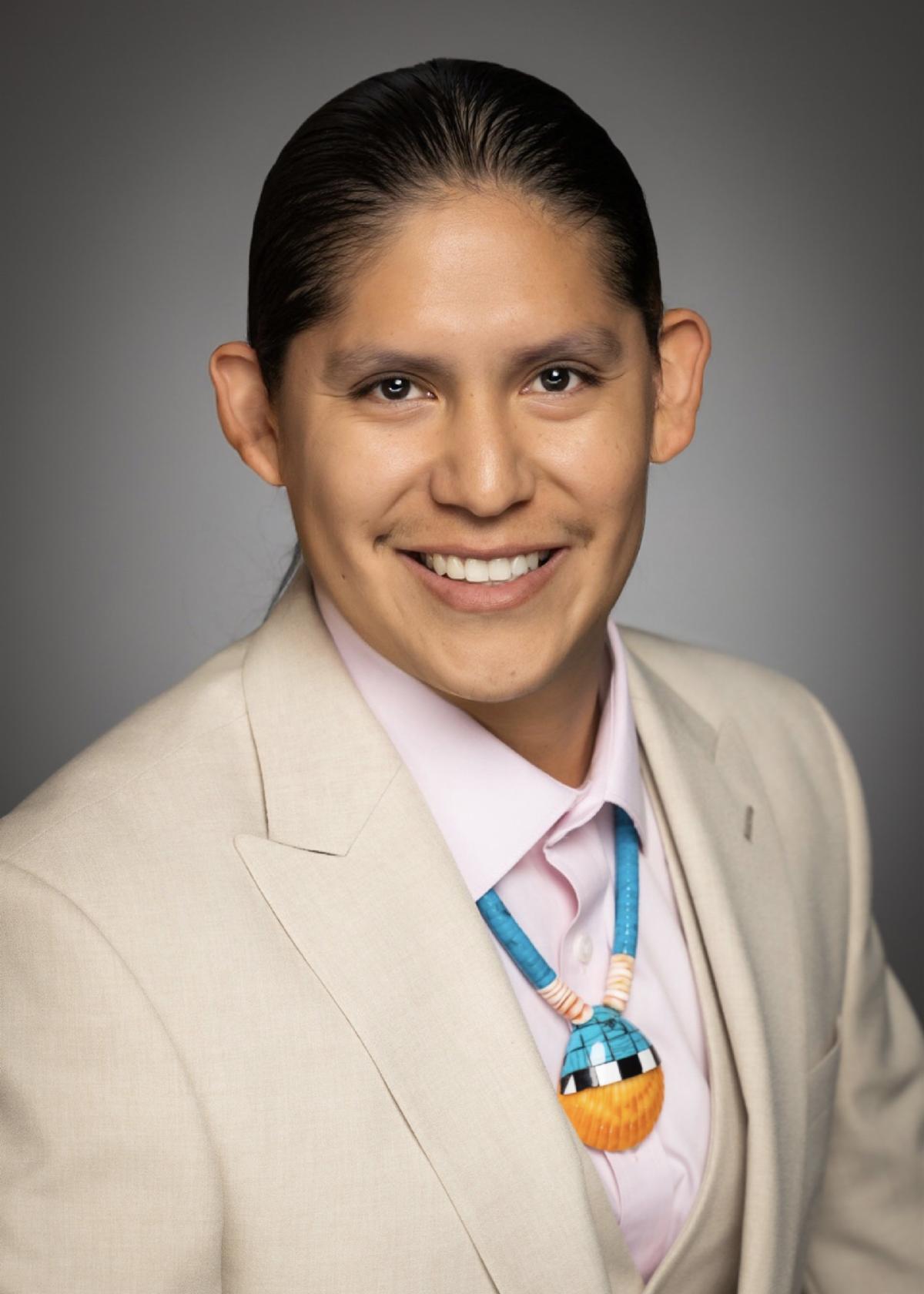
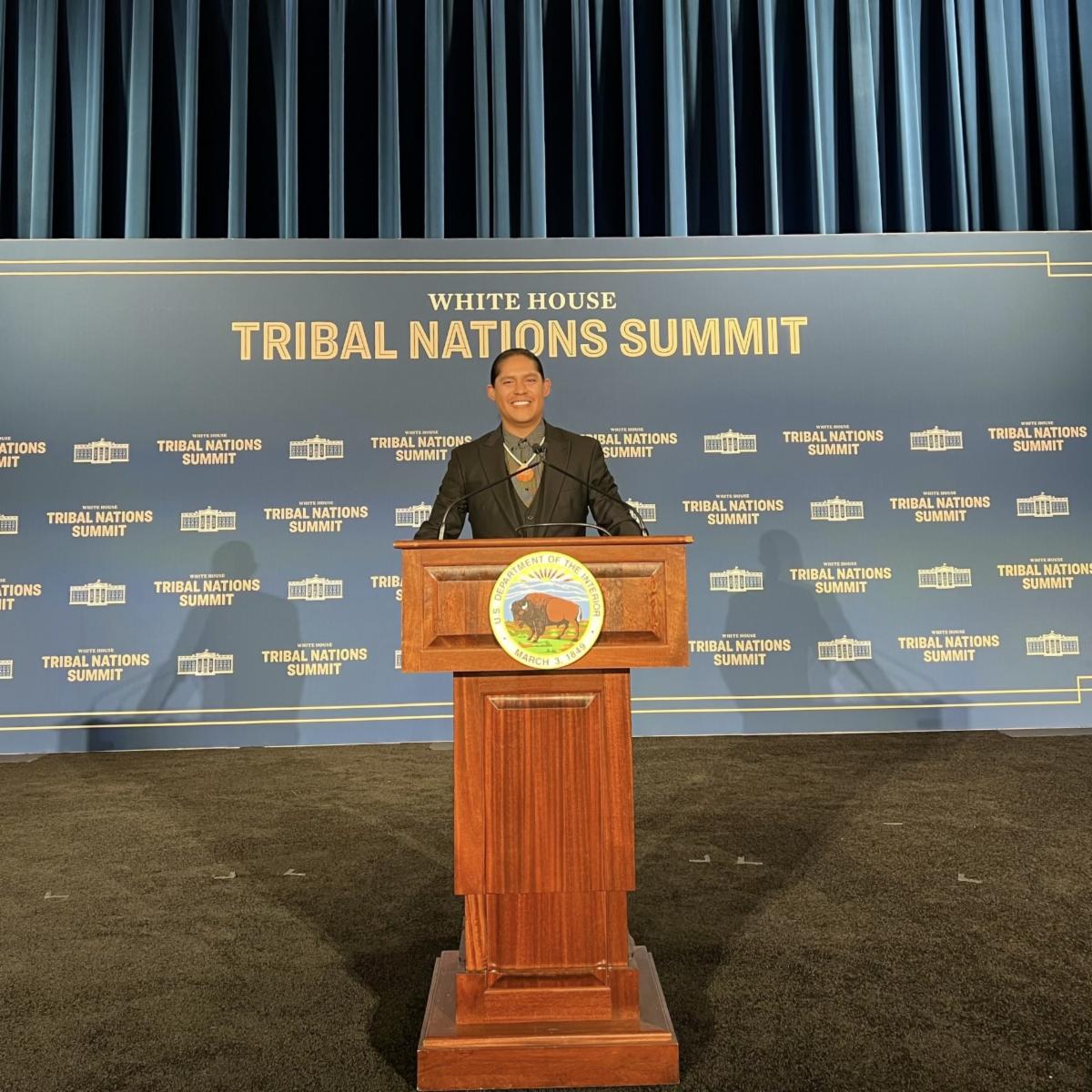
Meet Dillon Shije, Deputy Director of the Office of Equity and Inclusion for the City of Albuquerque.
What is your personal/professional story?
My name is Dillon Shije, a Councilman and Tribal Leader from the Pueblo of Zia in New Mexico. Throughout my career, I’ve remained deeply committed to Indigenous advocacy, environmental justice, and the advancement of Native health outcomes. These issues are not only a passion but a responsibility that I carry on behalf of my community and future generations. Currently, I serve as the Deputy Director of the Office of Equity and Inclusion for the City of Albuquerque, where I work to ensure that the city’s policies and initiatives prioritize equity for all, especially Indigenous and underrepresented communities. I also co-lead Zia Impact, a consultancy focused on Tribal Infrastructure and Economic Development, where my aim is to bridge the gap between sustainable development and community advocacy.
In terms of my educational background, I hold dual Bachelor’s degrees in History and Integrative Physiology from the University of Colorado - Boulder, where I was a Division I Cross Country National Champion. My academic journey didn’t stop there—I pursued further studies through a Pre-Med Post-Baccalaureate at the University of Arizona and the University of New Mexico, positioning myself to serve my community in health advocacy. I’ve also completed executive education at Harvard Business School in Leading People and Investing to Build Sustainable Communities, with support from the Native American Finance Officers Association (NAFOA). Additionally, I hold certificates from Dartmouth College's Tribal Leadership Academy and Arizona State University’s Indigenous Leadership Academy, which have further refined my skills and commitment to advancing opportunities and resilience within Indigenous communities.
In addition to my current role, I’ve had the privilege of serving as a Health Advisor to the 20 Pueblo Sovereign Nations of New Mexico and Texas. My work extends to the global stage, advocating for the perspectives of Pueblo Peoples through the Pueblo Development Commission NGO. In the future, my goal is to pursue a career in medicine to further improve health outcomes in Native communities. Alongside this ambition, I remain deeply committed to public service, cultural observance, and my roles as a devoted husband and father. My story is one of leadership, advocacy, and an enduring commitment to advancing equity for Indigenous peoples.
Where does your passion to serve come from?
My passion to serve is deeply rooted in my upbringing and lived experience within my Pueblo community. Growing up on a reservation, I was immersed in the values and traditions of my people, which shaped my sense of responsibility toward my Pueblo and the broader Indigenous world. Serving my Pueblo in both traditional and religious capacities has been central to my life. Through participation in our Pueblo religious lifeways, I’ve had the honor of preserving our cultural practices and passing them on to future generations.
This sacred duty has instilled in me the understanding that service is not just an act, but a way of life. My family has also been a significant influence on my passion to serve. The legacies of my relatives, especially those who are no longer with us, inspire me to carry forward their work while creating new legacies for those not yet born. Their dedication to community, culture, and leadership serves as my guide, and I want to ensure that future generations have a foundation on which to build lives rooted in resilience, purpose, and the continuation of our traditions.
My drive to serve is also personal. As someone who has experienced the challenges of growing up on a reservation, I understand the importance of advocacy, equity, and access to resources. These experiences motivate me to create better opportunities for Native youth and ensure that our communities have the support needed to thrive in areas like health, education, and economic development. Ultimately, my passion comes from a desire to honor my ancestors, uplift my Pueblo, and ensure that future generations can live in a world where they can fully realize their potential. My work is grounded in these principles, and every step I take is toward building a stronger, more resilient future for Indigenous peoples.
What key moments in your life led you to where you are today?
Several key moments have shaped the path that led me to where I am today. One of the most profound has been serving as a traditional leader within my Pueblo community. In our tribal nation, the matriarchy forms the foundation of our existence and defines many of our religious lifeways. I’ve honed my ability to listen to and follow these traditional protocols, which have instilled in me a deep respect for the wisdom of our elders and the importance of cultural preservation. This grounding in our matriarchal traditions has shaped my approach to leadership, centering it on service, humility, and dedication to future generations.
Another pivotal moment in my life was the injury that ended my professional running career. Running had been a major part of my identity, and becoming a Division I Cross Country National Champion was a proud achievement. When that part of my life came to an end, I had to confront a significant loss, but it also pushed me to redefine my purpose. It was through this challenge that I found a deeper commitment to serving my Tribal Nation and advocating for Indigenous issues, using my leadership in new ways.
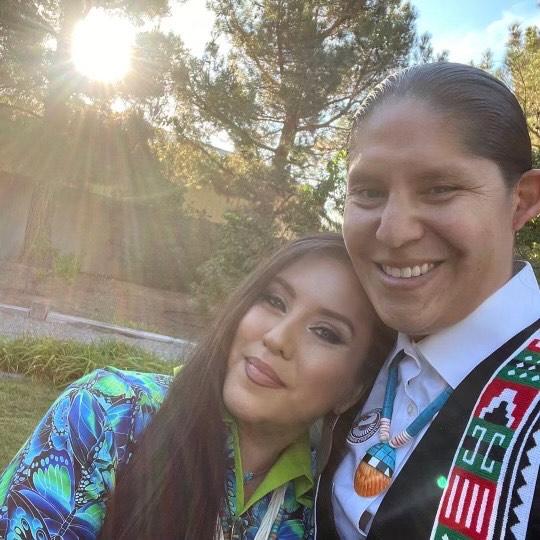
Meeting my wife was another transformative moment in my life. She brought a broader perspective on leadership, deeply rooted in the matriarchal values that align with our Pueblo traditions. Together, we’ve embraced the understanding that true leadership involves listening, nurturing, and creating space for others to thrive. Her influence helped me see how the strength of the matriarchy extends beyond cultural and religious lifeways and into leadership, economic development, and community-building. Through her, I’ve learned to value the role of access to resources and opportunities in creating lasting change. Together, we’ve worked to support Indigenous communities through Zia Impact, honoring both our cultural teachings and our shared vision to advance tribal infrastructure and economic sovereignty. These moments, grounded in the matriarchal foundation of my Pueblo, have shaped my approach to leadership and continue to inspire my dedication to building a legacy that honors the past while looking toward the future.
How can GlobalMindEd help you realize your goals?
GlobalMindEd can significantly contribute to realizing my goals by connecting me with a broad network of leaders, educators, and innovators who are dedicated to equity and inclusion. As someone focused on Indigenous advocacy, environmental justice, and improving Native health outcomes, I see GlobalMindEd’s mission aligning with my work in these areas.
First, GlobalMindEd’s emphasis on providing opportunities for first-generation and underrepresented students can directly support my efforts to create more pathways for Native youth. I am passionate about increasing access to education, mentorship, and career opportunities within Indigenous communities. By engaging with GlobalMindEd, I can leverage their resources to help Native students overcome barriers, access new opportunities, and achieve success in areas like STEM and public service.
Second, the GlobalMindEd community is a hub for collaboration. Working alongside leaders from various fields who share a commitment to systemic change will help me expand my approach to equity work. In my current role as Deputy Director of the Office of Equity and Inclusion for the City of Albuquerque, I am always looking for innovative strategies to serve underrepresented groups. Insights gained from the GlobalMindEd network will allow me to further refine and implement policies that uplift marginalized communities, especially Indigenous peoples.
Moreover, GlobalMindEd’s focus on health equity directly supports my long-term aspiration of becoming a medical doctor. I aim to address health disparities in Native communities, and by connecting with health professionals, educators, and advocates through GlobalMindEd, I can develop partnerships that will accelerate this work. Their platform offers me the chance to learn from and collaborate with experts who are already tackling health inequities, allowing me to bring those solutions back to my community.
Ultimately, GlobalMindEd can help me enhance my leadership, strengthen my advocacy, and advance my goal of improving health, education, and economic outcomes for Indigenous peoples.
|