|
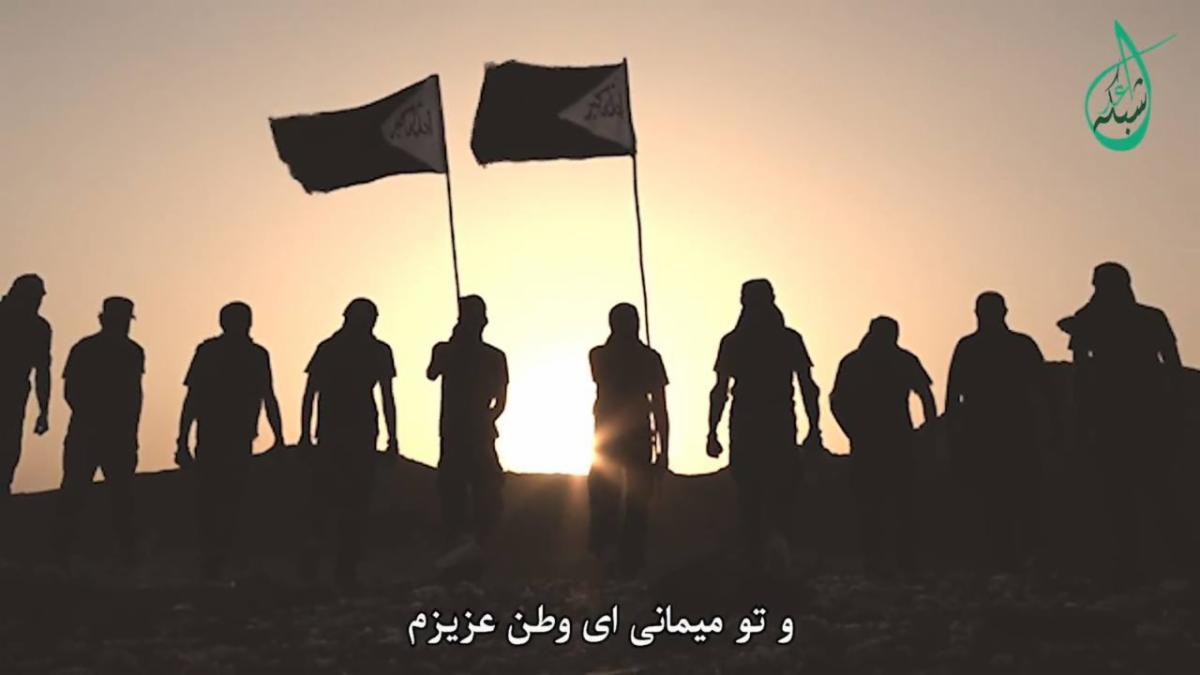
On 3 April 2024, Jaish al-Adl (Army of Justice) militants launched a complex armed assault on several Iranian Revolutionary Guard Corps (IRGC) targets in Chabahar, Rask, and Sarbaz, Sistan & Baluchestan, Iran. The militants targeted 1) Faraja Admiralty HQ 2) Police Station 11 in Chabahar, 3) the Faraja Chabahar Awareness Centre, 4) the HQ of Chabahar Army Corps, 5) the Rask District Corps, and 6) the local base of the Revolutionary Guards in the three cities.
Easily the most sophisticated operation launched by Jaish al-Adl (the Army of Justice) ever, TRAC is certain that the militant group has utilised Iran’s current distraction and promise of retaliation against the recent Israeli airstrike that killed Iranian Revolutionary Guard Corps (IRGC) General Mohammad Reza Zahedi, the most senior Iranian officer in Syria. The fact that Jaish al-Adl was about to execute this complex assault on Iranian soil, while Iran is actively engaged in multiple shadow wars globally, underscores the vulnerabilities within the Iranian regime.
The clashes between the militants and the Iranian regime persisted for close to twenty-four hours, with Jaish al-Adl disputing the Islamic Republic’s assertions of an attempted conflict resolution. Jaish al-Adl has asserted control over segments of the Rask transit axis leading to Chabahar, TRAC strongly cautions anyone to avoid using this transit route at all costs. Additionally, local sources corroborate reports of ongoing and escalating hostilities in both Rask and Chabahar. This morning, explosions were reportedly heard emanating from the headquarters of the Chabahar Corps, further exacerbating tensions in the region.
Iranian authorities claim that they had "repelled" the Jaish al-Adl attack by killing 16 militants; TRAC can only verify the deaths of three militants based on photographic evidence. Additionally, Iran claimed that 11 of their security forces were killed, including six high-ranking officers. Contradicting Iran's version of the clashes, Jaish al-Adl claimed that they had killed at least 200 Iranian security forces across the six locations that they attacked. The truth likely lies somewhere in the middle. It is relevant to note that Iran immediately deployed additional police and military units in the affected cities, which supports Jaish al-Adl's casualty counts.
Established in 2012, Army of Justice is a Sunni-Muslim separatist group, that commands a significant presence in the border regions straddling Iran’s Sistan and Baluchestan provinces and Pakistan. Its professed mission revolves around safeguarding the interests of Sunni populations inhabiting these territories. However, since 2020, suspicions have arisen, with TRAC positing ideological and logistical alignments between the Army of Justice and Al-Qaeda, adding layers of complexity to the group’s motivations and alliances.
| |
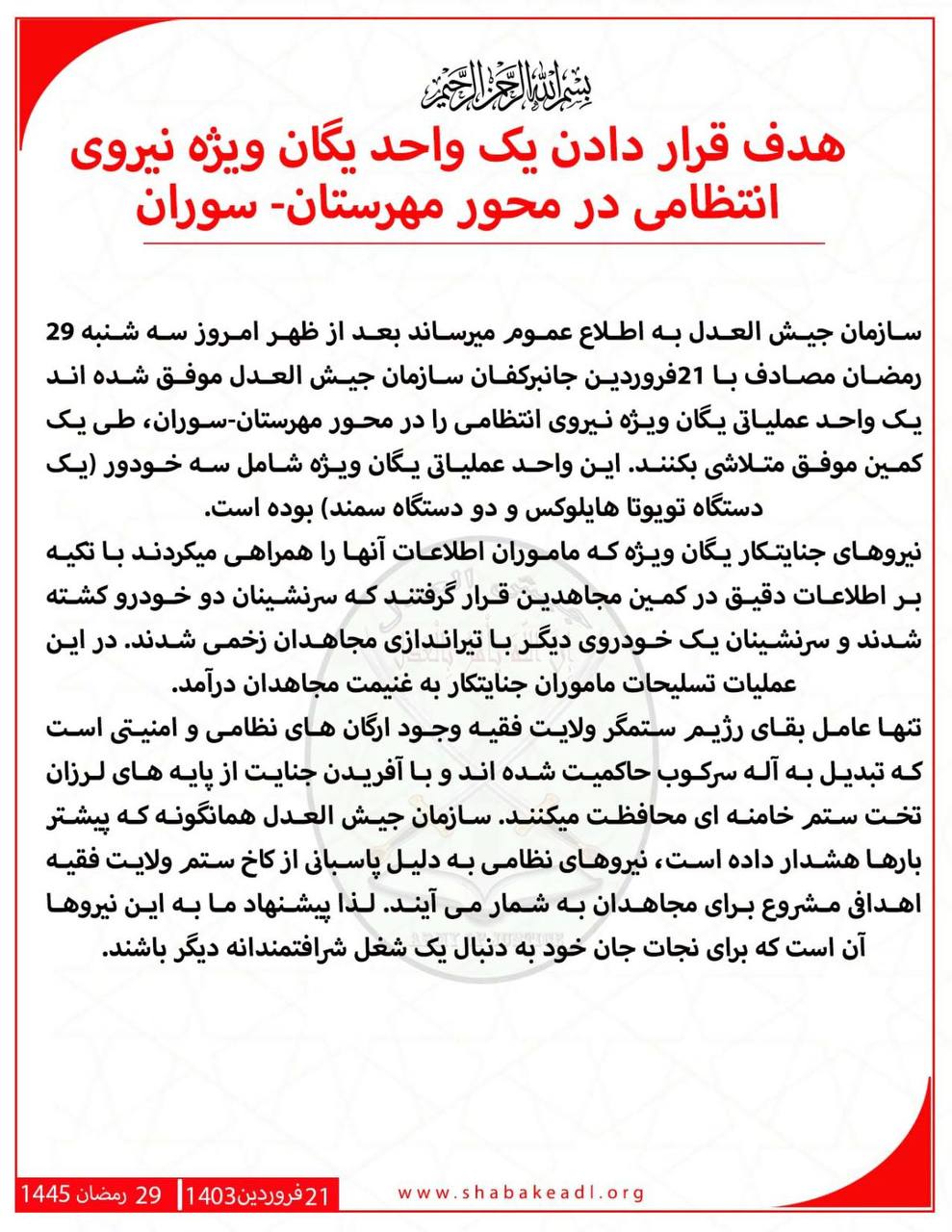
Emphasizing just how comfortable they are to launch assaults against regime soldiers, on 09 April 2024, just six days after their complex assault, Jaish al-Adl (Army of Justice) ambushed a police convoy on the Soran-Mehrestan Road. An online-shared video depicts an unclear number of Jaish al-Adl militants shooting at least three police cars using assault rifles.
Since the militants were able to carry out this ambush despite the heightened state of alert, openly defying and challenging the national authorities. This could be attributed to either: 1) The Iranian authorities currently have no interest in initiating a domestic front, focusing all their energies on the promise of retaliation against the recent Israeli airstrike that killed the IRGC, or 2) They have simply spread themselves too thin and are struggling to keep up militarily at all fronts simultaneously.
| | |
TRAC Incident Report: Unidentified Suicide Bomber Assassinates Hay’yat Tahrir al-Sham (HTS) Second in Command Abu Maria al-Qahtani During Ramadan Iftar Party at his Residence in Sarmada City, Harem District, Idlib Governorate, Syria | |
|
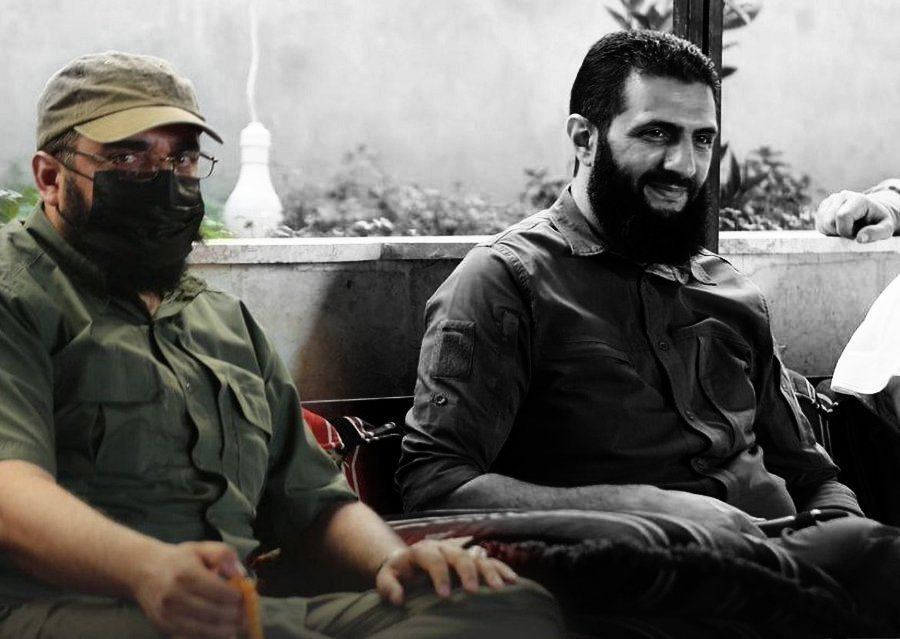
On 4 April 2024, an unidentified suicide bomber assassinated Hay’yat Tahrir al-Sham (HTS) second-in-command Abu Maria al-Qahtani and injured two of his companions at his residence during his Ramadan Iftar party in Sarmada City, Idlib. Qahtani, whose real name is Maysar Ali Musa Abdallah al-Juburi, was hosting an Iftar party at his residence. One of the guests shook hands with him and detonated the explosive device.
While no specific group has claimed responsibility for the assassination of Abu Maria al-Qahtani, TRAC contends that there are two main suspects associated with the incident. The first is the Islamic State (IS), swiftly accused by Hay’yat Tahrir al-Sham (HTS) following the bombing, and the second is HTS itself.
IS maintains a significant presence in central and eastern Syria, primarily operating in those regions. That is not to say, IS does not operate in the western part of the country. With notable activities in governorates like Dara’a and occasional attacks in and around Damascus, IS has demonstrated both the capability and strength to sustain campaigns on the western end. However, IS fighters typically avoid Idlib, which is predominantly controlled by the HTS. TRAC has only recorded significant IS-related incidents in Idlib when former IS leaders were targeted.
In August 2023, IS Central Command specifically stated that the Caliph Abu al-Hussein al-Husseini al-Qurashi was killed during a clash with Hayy’at Tahrir al-Sham (HTS) in the Idlib province of Syria. Despite IS having a limited presence in Idlib, three of the last four IS Caliphs have been assassinated there in just a matter of five years. The repeated targeting of IS Caliphs in Idlib indicates that they were there under the protection of HTS and that IS might have dispatched a suicide bomber in retaliation against HTS. However, this brings us to the question, “Why would IS just now strike al-Qahtani when they could have killed him at any time since the last Caliph’s death?”
Despite this being the first Ramadan following the death of the last IS Caliph, Abu al-Hussein al-Husseini al-Qurashi, TRAC contends that this assassination more likely stemmed from within HTS leadership itself. This speculation arises from several factors, notably HTS’s firm control over Idlib, which makes it highly unlikely for other groups, including IS, to operate or carry out a suicide attack at the residence of HTS’ second-in-command without HTS’ full awareness. Furthermore, considering that the incident occurred during an Iftar party at al-Qahtani’s residence, it is improbable that the perpetrator was an unknown individual. If IS indeed orchestrated the attack, why would they infiltrate a guest into al-Qahtani’s house party when they possess the capability to execute him elsewhere? Undertaking such a significant risk appears illogical from IS’s perspective. Strategically, targeting Abu Muhammad al-Joulani would have made more sense for IS than al-Qahtani.
Importantly, this incident occurred eight months after HTS leader al-Joulani ordered the detention al-Qahtani and his associates on suspicion of “treason.” While HTS claimed that al-Qahtani was spying for US forces, TRAC argued that he was detained for plotting a coup against al-Joulani. Despite being recently released from HTS’ custody, al-Qahtani’s position in the organizational hierarchy likely posed a threat to al-Joulani, prompting him to eliminate him. Notably, HTS also attempted the life of Amin Masto Abu Yasser, another opponent of al-Joulani, although he managed to escape.
While elusive, TRAC contends that HTS leader al-Joulani was responsible for the assassination driven by his penchant to eliminate rivals.
| |
TRAC Incident Report: Jama’at Nusrat al-Islam wa al-Muslimin (JNIM) Militants Led An Armed Assault On FAMA Forces Outside of Bamako in Kasséla, Koulikoro Region, Mali | |
|
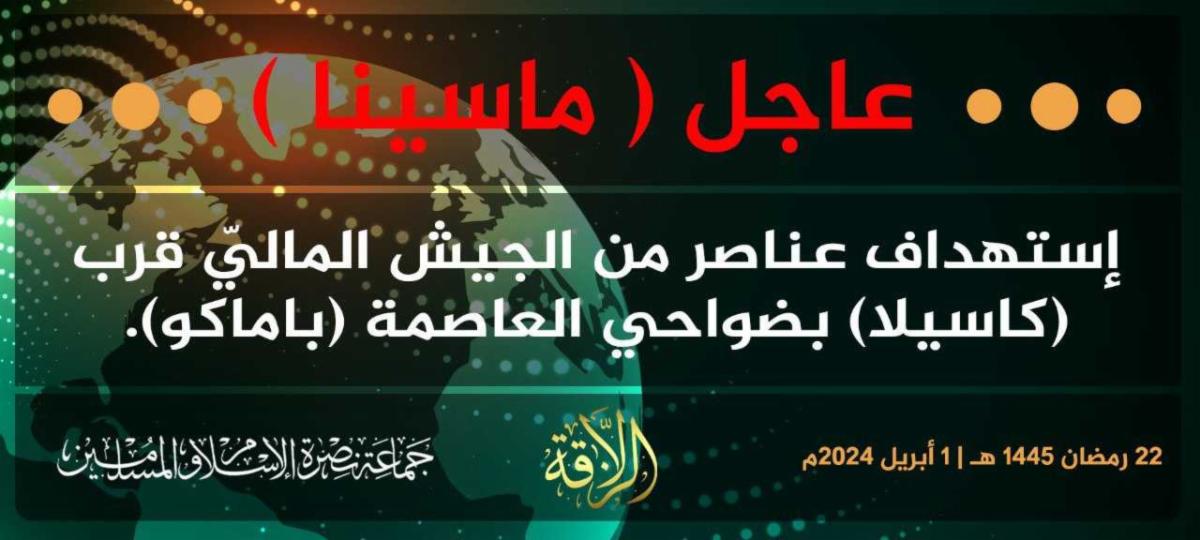
On 2 April 2024, Jama’at Nusrat al-Islam wa al-Muslimin (JNIM) militants led an armed assault in FAMA forces outside of Bamako in Kasséla, Koulikoro Region, Mali. The militants did not report on casualties during the assault.
JNIM attacks in Koulikoro are not a recent phenomenon by any means, as the group regularly carries out operations there, however, the incredible proximity of this attack to Bamako is of interest. This attack, only 26 miles (41km) away, is one of the closest attacks in recent months. The closest the group has been in the past year was on 20 June 2023, in Nossombougou, which is still further than Kasséla.
While full-scale assaults similar to the style of their al-Qaeda brothers in Somalia’s capital of Mogadishu are far and away out of the reach of JNIM in Mali, this armed assault should be a high concern for Jaunta leadership. The playbook in Somalia should look like the canary in the coal mine for the Malian government, as the group freely targets even the president regularly. Addressing the lack of security in the capital region would be a key first step to ensuring that the group does not coalesce the same type of power that has made Somalia regularly regarded as the most fragile state on the planet.
| |
(Video/Right Wing Extremism) White Lives Matter (WLM) Releases a Video to Commemorate its Third Year Anniversary, United States | |
 | |
On 2 April 2024, White Lives Matter (WLM) marked its third anniversary by releasing a video. The 1-minute and 36-second compilation, sourced from various news channels, features WLM banner drops and protests held across the United States, Canada, and Europe. White Lives Matter members made headlines after projecting racist and white supremacist statements (14 Words) on the Erasmus Bridge, in Rotterdam, Netherlands, which can be seen in the anniversary video.
The video was circulated with the following message:
“This pro-White, legal, & anonymous initiative that has held activism events for 35 months straight was set up to revive our Racial Consciousness and regain our Honor as a People. Through our hard work, WLM has become one of the biggest pro-White forces at street level, and countless groups have spiralled off our efforts. We speak through ACTION. We build power through ACTION. We achieve the 14 through ACTION. You are not alone. Join a tribe. Join WLM.”
It is worth noting that three months prior, WLM released a video titled “Year in Unity,” showcasing collaborations with active clubs like the Tennessee Active Club (TAC), Vinland Rebels, Southern Sons AC, DNC 133, Smokey Mountains AC, Tennessee White Lives Matter (WLM), Cincinnati AC, and Heart of Dixie AC. Although WLM has chapters in every US state and engages in cross-border activities, its collaboration with Active Clubs represents a noteworthy development.
As of now, the global White Lives Matter (WLM) movement continues to maintain its belief in pursuing the white public that there is a political solution (i.e. voting their ideology into law). Most of the WLM arguments attempt to expose incidents involving Black-on-White crimes, as well as attempt to convince the general white public of Jewish dominance of the world. Thus far, their tactics are confined to displaying banners and conducting flyer campaigns.
Of note, the White Lives Matter Telegram channel has nearly 20,000 subscribers, where this video was first released. It is significant to underscore that the video gained substantial attention as it was widely circulated on Telegram even by racist groups unaffiliated with WLM. This indicates that the reach of WLM extends far beyond its subscriber count, amplifying its influence and impact across various online communities.
| |
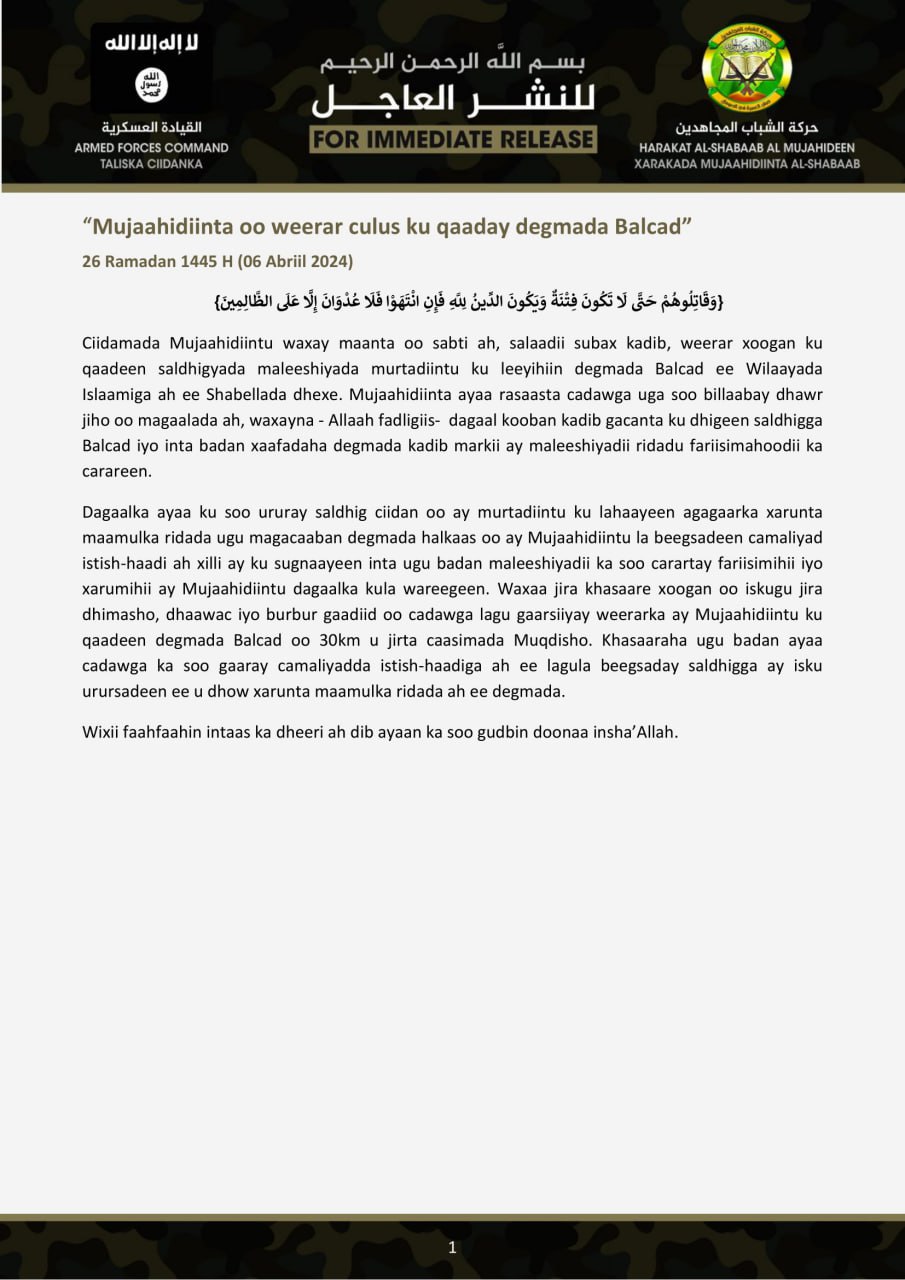
TRAC Incident Report: Al-Shabaab Armed Assault on Bal’ad Town, Overrunning the NISA Base, in Bal’ad Town, Northern Mogadishu, Somalia | |
(Claim / Anonymous Anarchists) Anarchists Sabotage over 40 ATMs as Part of their Continuous Protests against the Paris Summer Olympics, in Paris, France | |
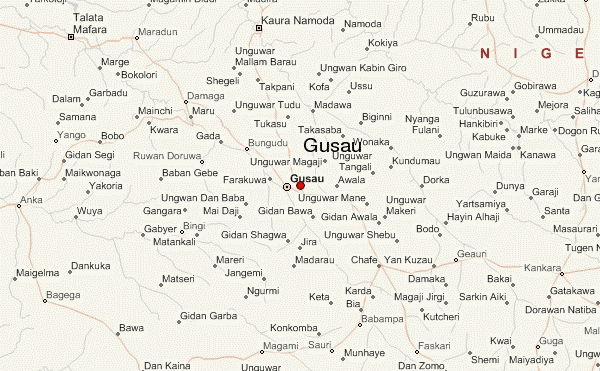
TRAC Incident Report: Suspected Yau-Yau Bandits Abduct Worshipers from a Mosque During Night Prayer, in Gusau, Zamfara State, Nigeria | | | | |