Center for the Developing Mind April 2023 Newsletter

Center for the Developing Mind
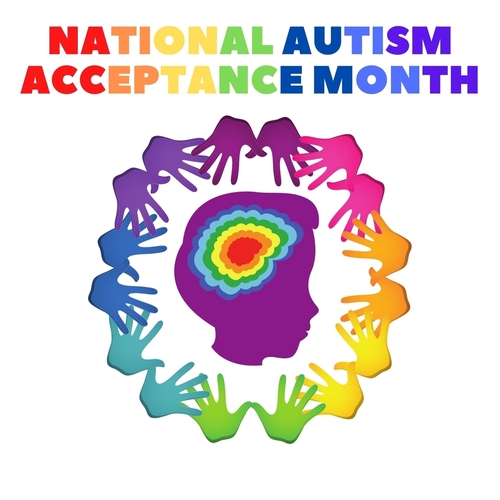
National Autism Acceptance Month Graphic

Autism Acceptance Month started on April 1st. Acceptance happens every day. Acceptance starts with an understanding that everyone’s unique experiences are valid. We, at Center for the Developing Mind, are proud to celebrate and recognize the many varied experiences across the Autism spectrum. When celebrating differences, we are putting acceptance into action by embracing the unique experiences, and diversity of needs, across the Autism community. Autism is the fastest-growing developmental disability in the United States, with 1 in 44 children receiving a diagnosis. 5.8 million Autistic adults and another nearly 1.1 million are nearing adulthood in the next few years, effectively aging out of state-funded supports and services.


Much needed services continue to include:


  • Expanding Vaccine Education Initiative (VEI) to address the needs of the Autism community. 
  • Delivering increased First Responder Training to serve the Autism community effectively for life-saving outcomes.
  • Expanding employment opportunities and outcomes for Autistic individuals, addressing systemic barriers to employment.
  • Prioritizing health equity work to build a robust system of supports, services, and resources aimed at the entire living experience.
  • Advocating for legislation that improves quality of life.


To assist members of the autism community to successfully navigate once they are employed, this month's newsletter discusses strategies for neuro-divergent individuals to increase their emotional intelligence.


Sending best wishes for your health and safety,


Esther Hess, Ph.D. and the staff at Center for the Developing Mind

Do Autistic Individuals have

Emotional Intelligence?

by The Family Guidance and Therapy Center


Many autistics struggle with emotional intelligence.


Some psychologists believe that the concept of theory of mind explains this. 

According to theory of mind, the better you are able to imagine the world from another person’s point of view, the better you’ll be able to understand, interpret, and react to their emotions.


You’ll be better able to empathize, understand what conversation topics are appropriate, and anticipate how a person might respond to certain statements.

The problem is that someone on the autism spectrum experiences the world differently. 


Some autistics have a tendency to take conversations and events literally, which means that the emotional subtext is often not seen or misunderstood. This can lead to behavior that appears “inappropriate at best, heartless or cruel at worst.”


Some autistics may not understand why a friend or colleague is so upset about something that doesn’t seem that important, or that happened a long time ago.

They may not understand the emotional subtext when their partner says, “I’m fine,” meaning they miss the fact that their partner is actually not fine.


Developing Emotional Intelligence


The good news is that emotional intelligence can be learned.

Nora Infante—a licensed psychologist and senior executive coach—worked with a senior executive at a large tech company to improve his emotional intelligence.


The executive, who Infante determined was likely on the autism spectrum, stated that he “just didn’t get” empathy and scored low in the areas of empathy and relationship management on a company emotional intelligence evaluation.

While he showed strengths in self-awareness and self-management, he received feedback that he was “disengaged and insensitive.”


Through the coaching sessions, he was able to learn how to understand his team, even if he didn’t relate or have the same needs.


  1. He was coached on workplace practices that look like empathy, even if he didn’t always experience the feeling of empathy.
  2. The practices were broken down into small, concrete steps that were easier for him to follow.
  3. He also kept a journal of the things he’d learned and made a habit of looking over them regularly. 


He will most likely never be a very empathetic person, but through coaching, he was able to learn, rehearse, and ultimately master the skills of emotional intelligence.


Developing emotional intelligence doesn’t just mean picking up on and reacting to other people’s emotions. It also means having a firm understanding of your own emotions and how to deal with them.


For some people with autism, even knowing what you’re feeling can be challenging. 


Maverick L. Crawford III, autistic adult and author of “Overcoming the Odds:


My Journey to Finding Personal Strength and Triumph,” suggests journaling.


  1. Keeping a daily journal to record your feelings, using a score of 0-10, with 10 being the highest and 0 being the lowest, can help you to see what happened that day, how it made you feel, and how it connects with your overall feelings.
  2. You might also be interested in: How Journaling Can Help Us To Be More Grateful
  3. Crawford says, “With time and reflection, writing will allow you to identify your stressors, and what makes you feel better.” He also suggests the “Three R’s” for ridding your mind of negative thoughts and replacing them with more helpful ones:
  4. “Recognize: First and foremost, we must recognize the bad thoughts and feelings and take ownership so we can take action.
  5. Replace/Restore: Replace bad thoughts and feelings in your mind and restore them with positive ones. Throw out bad feelings and watch them pass by out of your mind like a passing car. Allow good thoughts to flow in and allow them to run rampant through your mind.
  6. Repeat: You will have negative thoughts, so it is important to repeat this process frequently, or every time you have a bad thought or feeling.”


By learning how to understand the emotions of others, you’re better equipped to understand the people in your life.


By learning to understand your own emotions, you’re more capable of managing those feelings.


By doing both, you have a greater chance of thriving in both your personal and professional lives.

Announcements

paris_city_night.jpg

May 3-14: Dr. Hess and Allen Samson are going to visit Paris, the City of Lights. Their plans include meeting with Jean Francois Guthman, head of Paris's Special Needs Community Services at OSC. Stay tune for additional details of Dr. Hess's latest international mission of care in Paris, France.

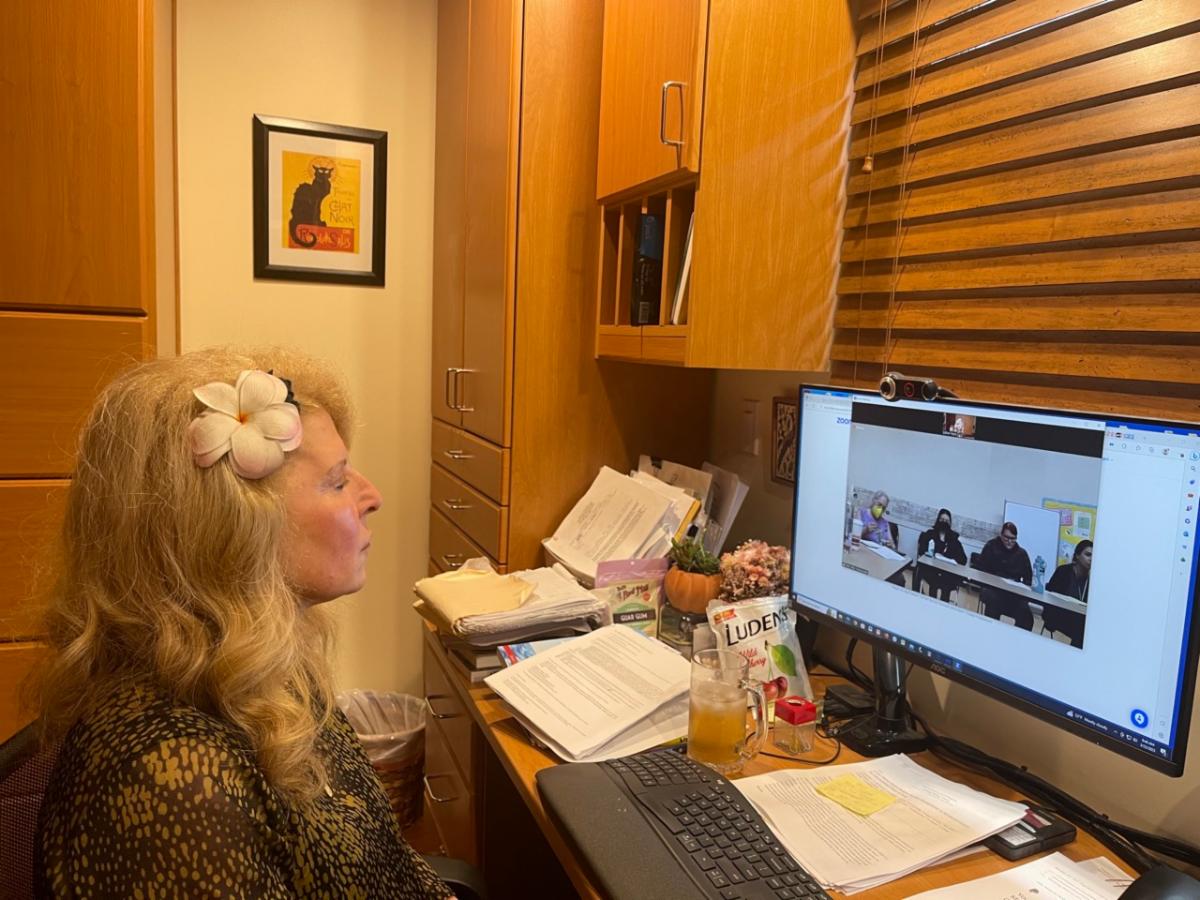
Ongoing: Dr. Hess is continuing her work with the special needs community in Lodz, Poland. She now meets virtually on a weekly basis with the staff and parents associated with the Centrum Futurum Pre-School.

Great Recent Photos

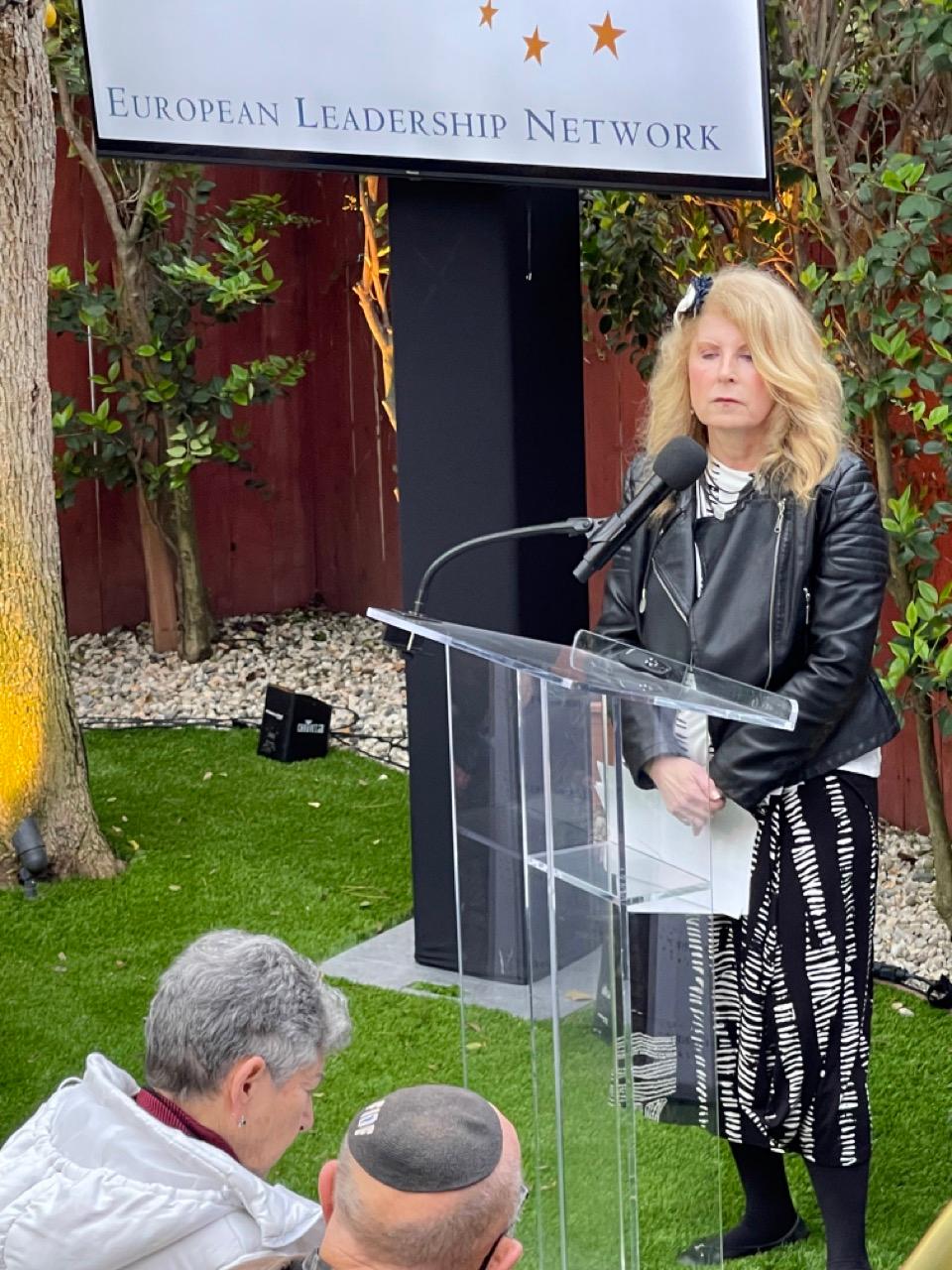
Dr. Hess presenting at a local ELNET community outreach event, on her Mission of Care experience in Lodz and Warsaw, Poland

Dr. Esther Hess presenting virtually to the Young Adult Librarian Association on "Teens and Autism Spectrum Disorder"

Groups
Friends Hipster Teenager Buddies Concept

Mr. Allen Samson continues to facilitate an in-person young adult Men's Group for Neuro-Diverse Men ages 25-40 years at Center for the Developing Mind. Topics to be addressed include dating challenges, hygiene solutions exposed and extensive opportunity to role play social scenarios. For more information and to register please contact Allen at http://www.centerforthedevelopingmind.com.

BY POPULAR DEMAND: Dr. Hess has expanded the original support group for parents/grandparents of children newly diagnosed with ASD/ADHD to a regular support series on Tuesday evenings. There are both in-person and virtual options for attendance. Topics covered include the first 100 days after the initial diagnosis and how to thoughtfully choose therapeutic supports for your child. For additional information please contact Dr. Hess directly at Drhess@centerforthedevelopingmind.com.

Brand new group forming! Dr. Hess and staff will be facilitating a parent support group for parents/grandparents of neuro-diverse children. The groups will be divided into parenting for children ages 2-9 and parenting for your young adolescent, ages 10-14. For more information and to register, please contact Dr. Hess at Drhess@centerforthedevelopingmind.com

Dr. Hess continues to facilitate a Thursday morning social support group for caregivers sponsored by Ogden Manor Home Care. For more information and to join this group, please contact Dr. Hess at Drhess@centerforthedevelopingmind.com.

Movie Recommendation

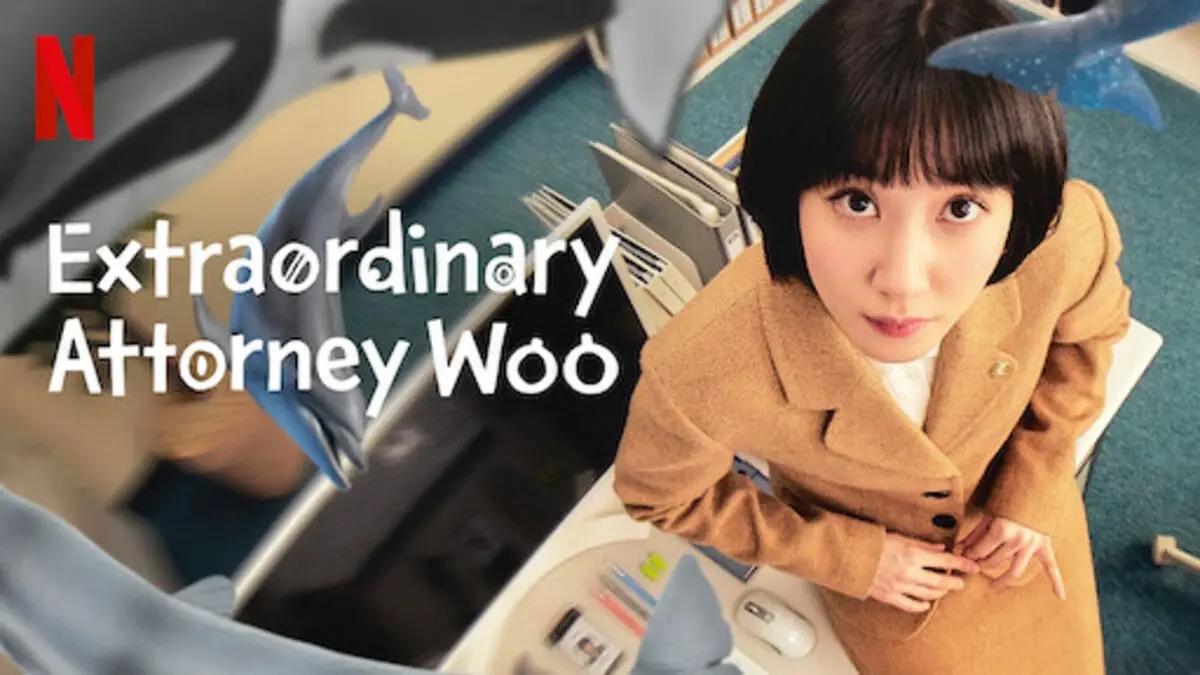
BRAND NEW NETFLIX SERIES DEALING WITH NEURO-DIVERGENT ADULTS! 


We, at Center for the Developing Mind, are enjoying a brand new NETFLIX series "The Extraordinary Attorney Woo". This series. based on the real-life experiences of Korea's first attorney impacted by autism spectrum disorder. Follow the trials and tribulations of Woo Young Woo, as she navigates her professional and personal adult life as the first neuro-divergent attorney to practice in Seoul, Korea

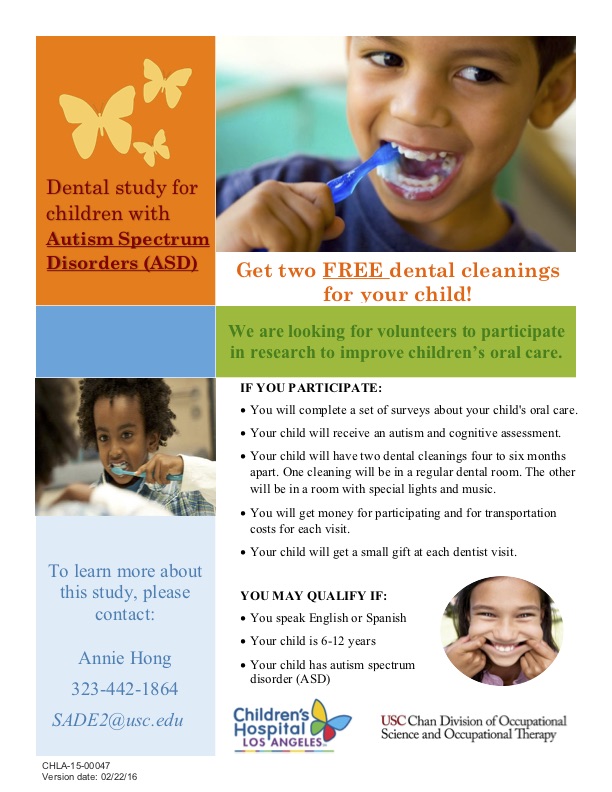
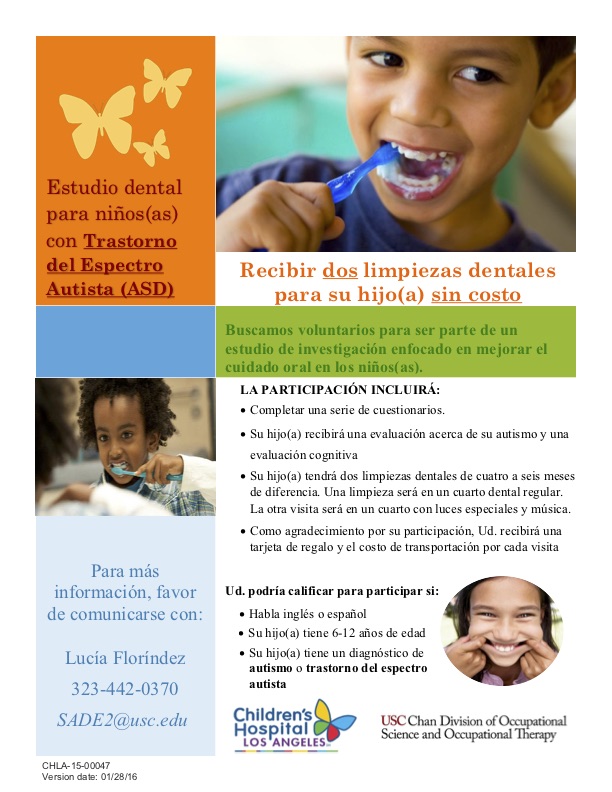
FREE Dental Cleanings for Children
Career Opportunities

Center for the Developing Mind is Seeking Occupational Therapists

There are immediate openings at Center for the Developing Mind for California licensed occupational/physical therapists. Ability to work weekends, a plus. Salary and benefits are compensatory to experience.


For more information, please contact Dr. Esther Hess at (310) 652-7581 and/or Drhess@centerforthedevelopingmind.com

Center for the Developing Mind is Seeking Speech and Language Therapists

Center for the Developing Mind is Expanding It's Speech and Language Services. We are looking for licensed SLPs to work in our state of the art facility. Treatment model based on DIR/Floor Time. Ability to work weekends, a plus. Salary and benefits are compensatory to experience.


For more information, please contact Dr. Esther Hess at (310) 652-7581 and/or Drhess@centerforthedevelopingmind.com.

Are You Looking To Expand Your Own Private Practice While Being Part of a State of the Art Team For Children?
Center for the Developing Mind is now licensing space within a multidisciplinary facility. Suites available for speech pathologists, occupational therapists, physical therapists, and educators. For more information please contact Dr. Esther Hess: (310) 652-7581
Support Center for the Developing Mind

Center for the Developing Mind Foundation is the non-profit arm of our clinic, servicing children, adolescents and young adults with developmental and/or regulatory delays who might otherwise not get the support they need. Your donation during these precarious times can make all the difference in the world.


Thank you, in advance.


To learn more or to make a donation please visit centerforthedevelopingmind.com/non-profit.