The news broke on March 20, the "shock and awe" not shocking any American, as I prepared to move after a layoff in Chicago to a new staff job in Baltimore. A few weeks earlier in Texas, Cheryl Diaz Meyer, then with the Dallas Morning News, quickly trained in all things video and digital satellite transmission and a crash course in keeping the equipment running that keeps the equipment running. She wrote a chapter about her experience and photojournalism's changing technological boundaries in "Digital journalism: Emerging media and the changing horizons of journalism." Meyer and David Leeson won the 2004 Breaking News Pulitzer for their coverage, including video frame grabs (message me if you are interested in the chapter).
I am Christopher T. Assaf, the ABD (All but Dissertation) doctoral candidate with the University of Texas at Austin and former newspaper visual journalist now worried about the new technological boundaries.
|
|
1. NPPA notes.
-
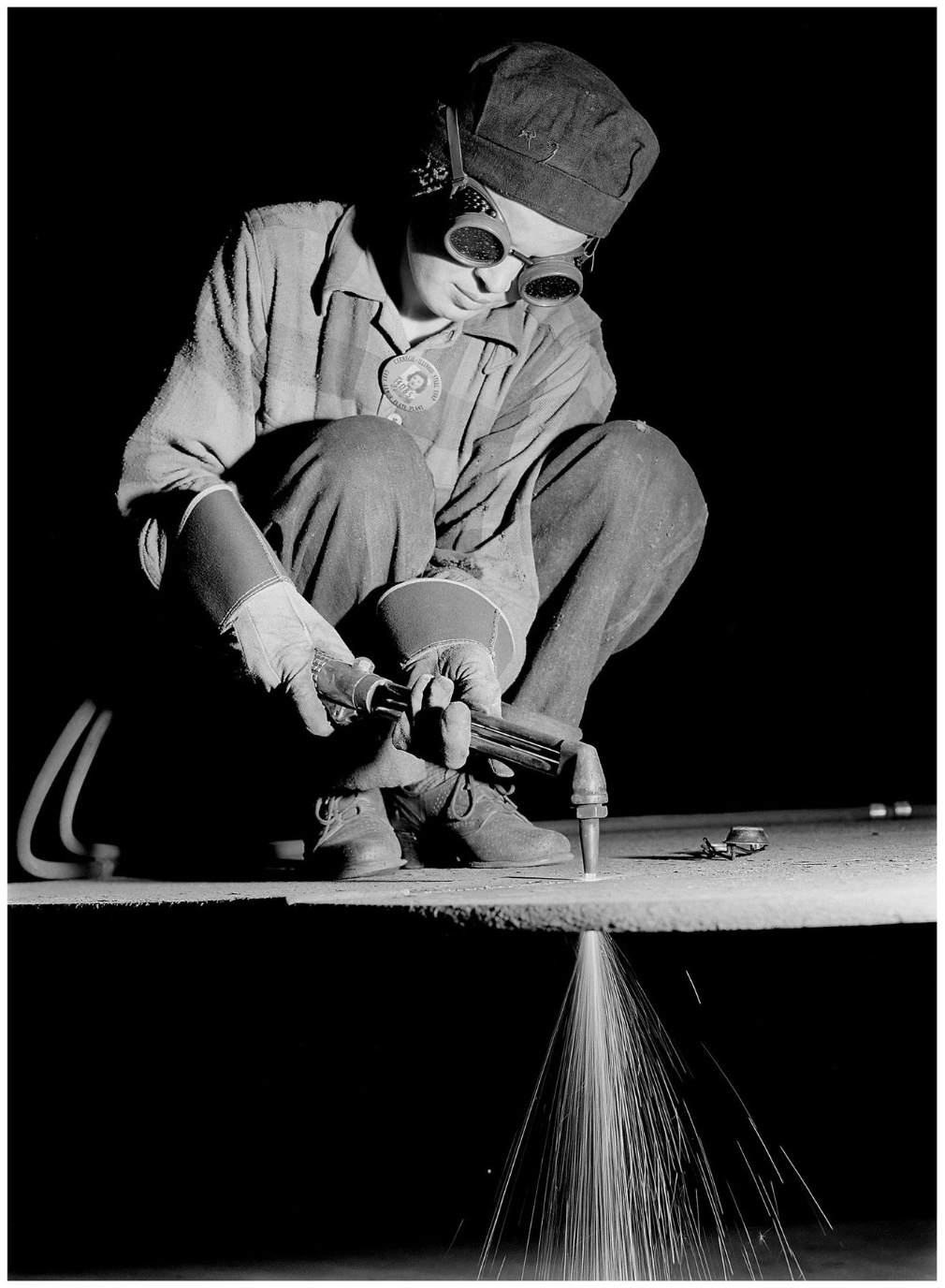
Exciting things are happening at the NPPA! We are working on a new and improved website that will bring you the latest news, resources and community features to help you succeed as a visual storyteller. Meanwhile, the data transfer is taking longer than expected. If you need to reach us, please email info@nppa.org or message us on @NPPA's social media channels. And no, that's not a picture of past-president and website shepherd Andrew Stanfill hard at work, its an iconic Margaret Bourke-White LIFE Magazine cover photo from 1943. For more MBW pictures of bad-ass women working, check out this LIFE gallery.
-
Call to action! The NPPA raffle is open through May 1, and the drawing is May 3. There are more than $17,000 in awesome prizes from our sponsors: Sony, B&H, Camera Bits, Roberts Distributors, Aperturent, StellaPro, and Adobe. The funds raised will help support NPPA members through First Amendment advocacy, programming and educational workshops.
- Save the date! Our monthly Twitter Spaces conversation is March 29, 8:30 p.m. ET.
|
|
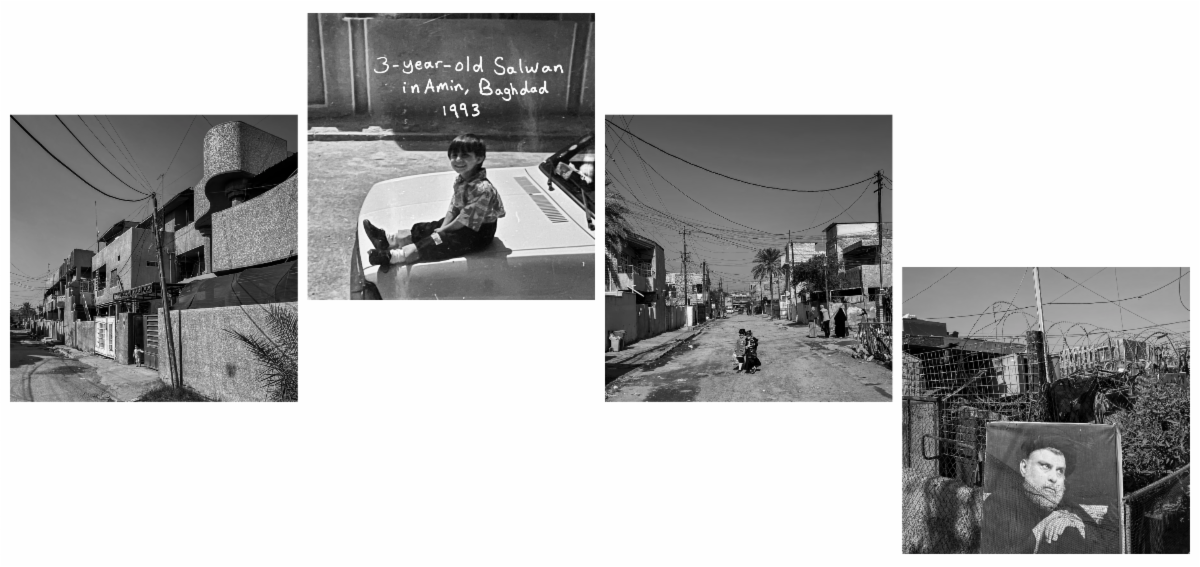
2. Looking back at Iraq 20 years later.
|
|
4. Riley Hall, an Arkansas Men's Basketball staff member, grabbed a student visual journalist's cell phone and smashed it after the Razorbacks lost to Texas A&M in the men's basketball Southeast Conference Tournament. Jack Weaver, a University of Kentucky student on assignment for the Kentucky Kernel, recorded Arkansas' head coach Eric Musselman coming off the court post-loss when Hall noticed Weaver and moved so he could grab the phone from the credentialed photographer, which he then threw. In a Kernel article, Weaver stated Hall yelled, "'Get that s—t out of his face,' and you can start to hear that in the video, but you don't hear the end of it, I don't believe, because he had already grabbed my phone." The three-second video has more than 2.4 million views. Poynter's Al Tompkins added a comment to the March 11, 2023 Tweet, "yes- attack a student journalist doing his job- classy- very classy."
|
|
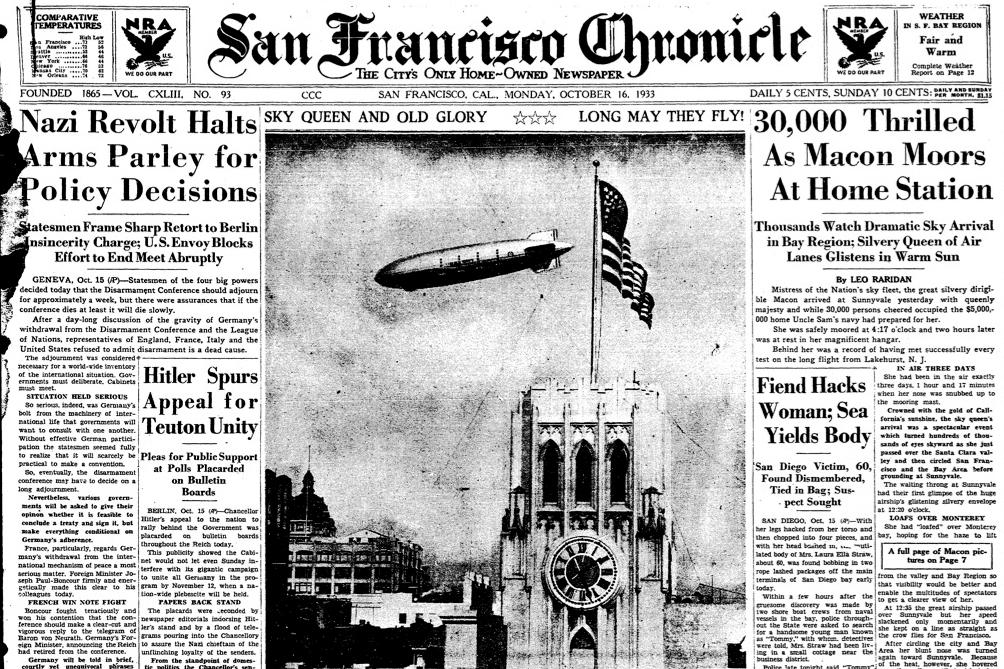
Artistry, particularly in the Speed Graphic days of newspaper photography, showed itself on many an archive print I have handled. Perusing the cabinets on a late night as a Topeka (Kan.) Capital-Journal intern, I found prints from the 1950s and 60s with exacting brushwork and backgrounds painted black that might not hold up if printed physically or electronically today.
8. AI threats.
The lack of outcry regarding image generation by artificial intelligence surprises me. The greatest threat comes not from students fabricating essays or computers taking jobs. However, each is relevant, but instead, the undermining of the visual journalist as a historical witness and the image, a captured moment of what existed in front of the camera, subjectively imbued by the photographer's presence.
Though based on human algorithms and codes, the technology will only improve; neither the experts nor anyone else knows how that will manifest. It already helps produce compelling content as the generative AI realm is improving quickly (Mores Law). As the foreseeable becomes evident, Big Tech will likely ignore the harms and instead consider the enormous potential and usually overstated benefits. This classic American ideal heroizes inventors providing progress over ethics. Human hands prove difficult for artists and computers, but technology is beginning to match reality. Already, Midjourney V5 can make hands more realistically, one of the tells from earlier iterations. Can you determine what AI generates, either text or image? As a participant in an automated news study in 2019, it was relatively easy to figure out the badly-worded, computer-authored text. But now? I suggest taking the Washington Post's AI quiz. You'll likely be surprised. I know I was.
|
|
10. Opportunities.
-
The American Mosaic Journalism Prize seeks to expand its pool of confidential nominators. The prize is awarded for excellence in long-form, narrative, or deep reporting on stories about underrepresented and/or misrepresented groups in the present American landscape and aims to recognize and support freelance journalists with an unrestricted cash award of $100,000 per recipient. If you want to be a nominator, sign up by March 31 to be considered. The next call for nominations will be in May 2023.
-
The Prism Photo Workshop returns to an in-person event on May 6 in Chicago this year. The workshop is pay-as-you-can and geared toward offering support, guidance and resources to early-career photographers of diverse backgrounds. Current speakers include Tonika Johnson, Mariah Karson, Danielle Scruggs and Diana Solís.
-
The deadline to apply for The Kalish visual editing workshop is April 1. The workshop is June 4-9 at the Rochester Institute of Technology.
-
The seventh edition of POY LATAM returns revamped and will begin accepting entries on April 1. The deadline is April 30.
-
After a hiatus of more than a decade, the Bellingham Visual Journalism Conference is back on April 29. Rebranded as Bellingham Visual, the one-day conference is hosted by the Department of Journalism at Western Washington University.
-
The Missouri Photo Workshop is preparing for its 75th year, Sept. 24-30, with a return visit to Sedalia, Mo., a town of 22,000. Tuition is $600, but scholarships are available. The deadline to apply is May 15.
|
|
Student, professional and retiree memberships are available in addition to numerous benefits.
|
|
|
The NPPA is the best advocate for the legal rights of visual journalists. Visit our advocacy page for more information and to donate directly.
|
|
|
|
|
|
|