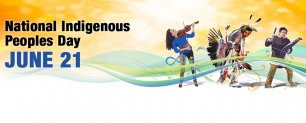
This week's LIO is all about National Indigenous Peoples Day - which takes place on June 21st. In cooperation with Indigenous organizations, the Government of Canada chose June 21st, the summer solstice, for National Indigenous Peoples Day. For generations, many Indigenous peoples and communities have celebrated their culture and heritage on or near this day due to the significance of the summer solstice as the longest day of the year. We recognize and celebrate the unique heritage, diverse cultures and outstanding contributions of First Nations, Inuit and Métis peoples on this special day.
In honour of National Indigenous Peoples Day, we are highlighting activities that bring First Nations, Inuit and Métis voices into your learning. Take the time to celebrate and honour the rich and diverse Indigenous cultures and traditions that exist across Canada. Let this day be a reminder of the important role that education has played—and will continue to play—in the path towards truth and reconciliation
|
|
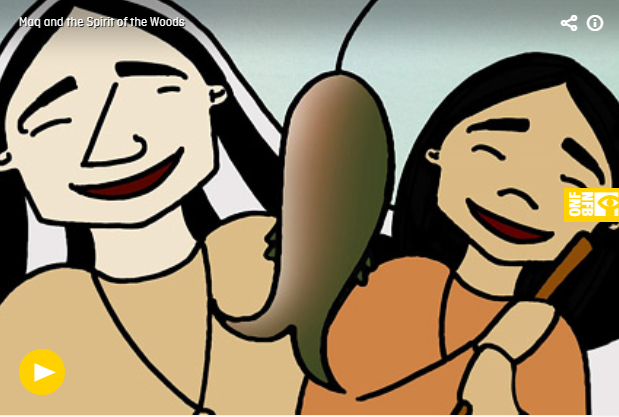
This animated film explores the interrelationships among the natural, human and spiritual worlds with the traditional tale of Maq, a young First Nations boy who struggles to fit in. When a village elder helps the boy embark on an astonishing journey into the forest, a mystical guide shows Maq that he has always been special and unique.
Activities
-
Watch the video. Discuss what made the relationship between Maq and his grandfather so special. Complete the activities in the study guide
-
Use First Voices to teach students a few words of local Indigenous languages
-
Learn a few Indigenous words with these colouring pages from across Turtle Island featuring artwork created by Indigenous artists from regions where these languages are spoken
-
Begin your day with a Land Acknowledgement. Learn the significance of a Land Acknowledgement
-
Read Walking Together to introduce your students to Two-Eyed Seeing
-
Get outside with The Indigenous Games for Children Resource, a collection of traditional Indigenous games and activities to help introduce students to activities that reflect the rich cultural heritage of Indigenous people across Canada
-
Learn more about artifacts and their importance to historical and cultural values with Let’s Explore the Past
|
|
|
What did you think of Maq and the Spirit of the Woods?
|
|
|
|
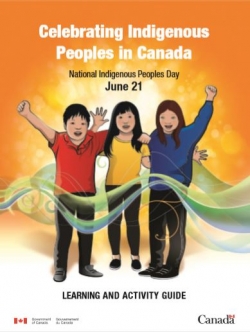
This resource is a collection of fun and educational activities for students. Through a variety of fun facts, stories, quizzes, games, colouring pages, and crafts, students learn more about the unique heritage, diverse cultures and valuable contributions of First Nations, Inuit and Métis peoples.
Activities
-
Read The Great Festival of Light, a story about many animals and humans coming together to celebrate the longest day of the year, the summer solstice
-
After reading the story, complete the Summer Solstice Sequel, use your imagination and write a sequel to the story
-
Print this Kayak and Travois Game board and play to see who can reach the National Indigenous Day celebration
-
Indigenous peoples use weaving to make many great things. If you have access to embroidery thread, learn a weaving technique and braid beautiful bracelets
-
Play Cruncher, a facts game about Indigenous peoples in Canada
-
Get outside with The Indigenous Games for Children Resource, a collection of traditional Indigenous games and activities to help introduce students to activities that reflect the rich cultural heritage of Indigenous people across Canada
|
|
|
What did you think of Celebrating National Indigenous Peoples Day?
|
|
|
|
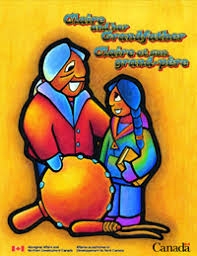
Claire and her Grandfather is a First Nations story designed to raise awareness of First Nations and Inuit people's many historical and contemporary contributions to Canada and the world. The story portrays a discussion between young Claire and her grandfather, an Indigenous elder who teaches Claire the geography of Canada from a First Nations perspective. Students learn about many Indigenous contributions related to food, transportation, exploration, the arts and technology through the story of Claire, who is learning about her heritage so she may share some of her family history and culture with her classmates.
Activities
-
Read Claire and her Grandfather. Ask students to compare their family with Claire's. Have them try to identify contributions their own culture or cultures have made to Canada. Have students identify things and traditions that have been transmitted from one generation to another in their families
- Present students with reflective questions after introducing each contribution or invention. Examples: What impact has this particular contribution had on our lives today? Why was this invention necessary, and how might it be used today? How have modern transportation methods changed traditional lifestyles?
- Have students research additional Indigenous place names in your area or region. Illustrate the meaning of the name through artwork
-
Get outside to learn and play some First Nations games
-
Learn about Turtle Island then explore the learning activities to learn interesting facts about First Nations, Inuit and Métis culture
|
|
|
What did you think of Claire and her Grandfather?
|
|
|
|
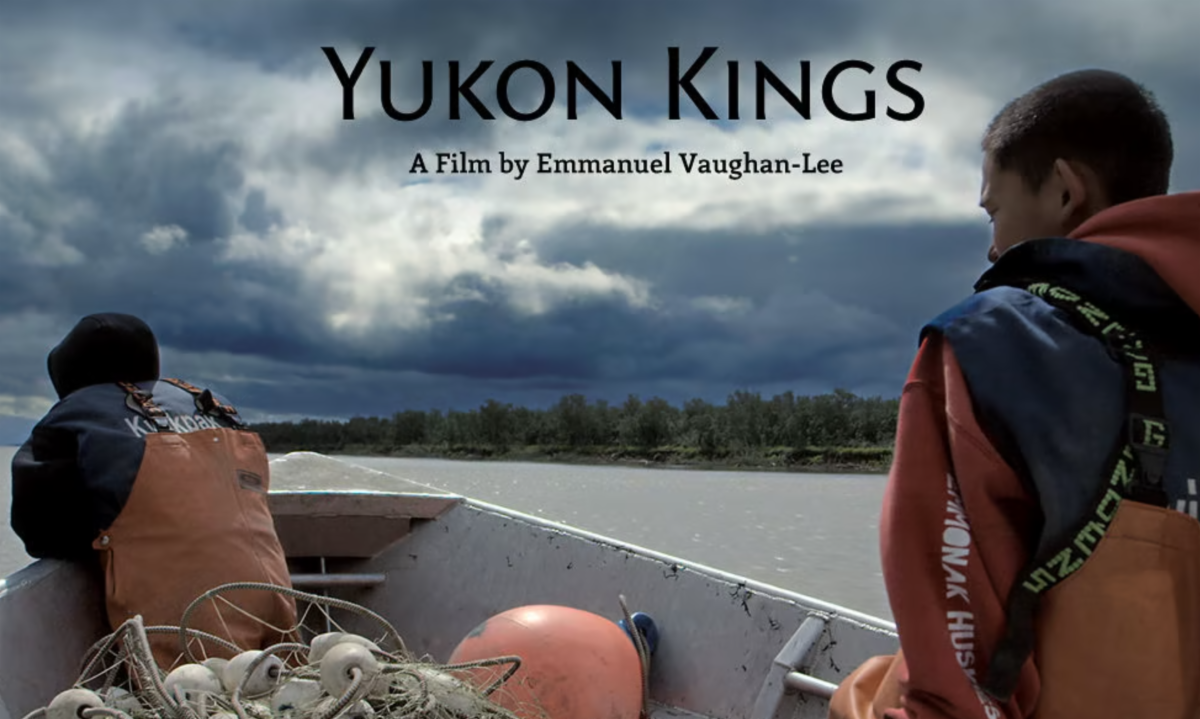
Set in the remote Alaskan Yukon Delta, Yukon King follows Yup'ik fisherman Ray Waska as he teaches his grandchildren how to fish during the summer salmon run. With environmental and cultural forces threatening their subsistence way of life, Roy holds onto the hope that his grandsons will one day pass on the traditional knowledge to their children.
Activities
-
Before viewing the video, direct students to note as they watch the film how grandfather Ray Waska's views and experiences change. They should observe how he passes on tradition and wisdom to his grandchildren without keeping them from living in the modern world
-
Complete the mini-debate activity on page 4 of the teacher's guide. Are cultural changes like the ones depicted in the film inevitable consequences of "progress," or should we actively work to preserve these cultural traditions
- Is there a tradition in your family that is lost or dying? What are the reasons for its disappearing, and what, if anything, could you do to bring it back
- Ray Waska teaches his grandchildren through his words and actions, not only about fishing but about living. What lessons about life have you learned from elders in your family or community
-
Review the Calls to Action of the Truth and Reconciliation Commission of Canada. Complete some of activities suggested in the Beyond 94 Teacher’s Guide
-
Complete the Imagine a Canada activity in your classroom. Students can create a poem, song, painting, drawing, sculpture, rap, essay, or any other artistic medium of their choosing. Their work should show how they can be a leader in Reconciliation, to make the future of Canada a more respectful place
-
This thought starter activity has students explore perspectives on sustainability and then use two-eyed seeing to identify the strengths of Western and Indigenous perspectives on sustainability.
|
|
|
What did you think of Yukon Kings?
|
|
|
|
About Learning Inside Out
Above you will find a selection of activities, broken down by various grade levels. These guides will be released weekly and archived on our Learning Inside Out page, so you can always access the full catalogue.
All activities have been modified from resources on our R4R database, simplified and adapted for both outdoor learning in the school yard or at-home as needed. The activity descriptions above should contain all the information and links that you need!
If you'd like to view the full original resource on R4R, including curriculum connections for every province/territory, click the activity title.
We want this guide to work for you, so your feedback is invaluable to us.
Use the feedback button at the bottom of this Guide, or email us at info@LSF-LST.ca. We would also love to see photos of students engaging in the activities, please e-mail us any pictures or videos you have!
|
|
Let us know how this helped your learning and teaching from home or at school indoors and (hopefully) outdoors and what you'd like to see more of by filling out our brief feedback form! |
|
|
Follow us on social media for continued weekly highlights & other exciting opportunities through the school year! |
|
Please share widely with any parents and teachers in your life! |
|
Learning for a Sustainable Future (LSF) is a Canadian charity with over 25 years of experience working within the education system. Our Resources for Rethinking (R4R) database is an award-winning collection of resources that are peer-reviewed by certified teachers and connected to curriculum in all provinces and territories. R4R is recommended on many Ministry of Education websites. |
|
|
|
|
|
|