CNH history . . .
Early days downtown recalled by the ‘N’ in CNH
|
|
The single-glazed steel framed windows with wire would shake and rattle at the first location for CNH Architects. Then Glenn W. Cording and Associates, it was 10 stories up, overlooking downtown Minneapolis.
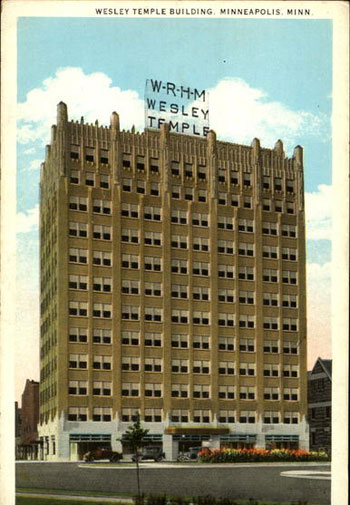
The 12-story office structure was the aging Wesley Temple building or Wesley Tower, built in 1928 and occupying space now used by the Minneapolis Convention Center on what was 123 Grant Street. This was considered the edge of town and space in the modest building was inexpensive.
“We would be sitting up there working, with the windows wide open,” said retired architect John Natwick. “The wind would blow in- butterflies flew in. There were even a number of tornadoes that came through downtown.” Windows shattered next door and people in the building had cars damaged. The nearby Wesley church, which still stands, was unscathed.
Natwick is the “N” in CNH and retired from the firm almost a decade ago. He began working with Cording as a college student on the building’s second floor in 1969.
(image: early postcard shows Wesley Tower)
-more-
|
|
 |
Client donates statues on Cedar Ave., CNH advises
|
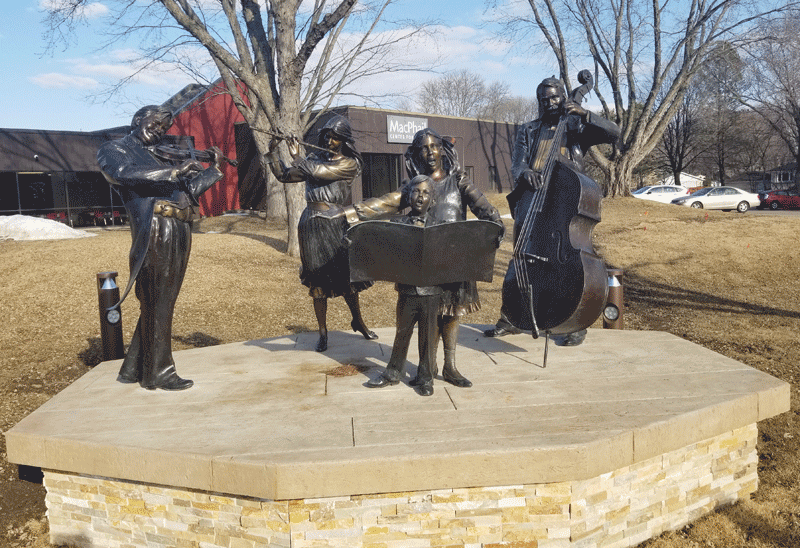
Some 50,000 northbound vehicles a day pass musician statues at MacPhail Center for Music in Apple Valley.
|
The Hilton Minneapolis downtown once held this eye-catching statue group of musicians, which is now displayed at the new location of MacPhail Center for Music in Apple Valley.
CNH did exterior work for the structure where MacPhail is located, the previous city hall building at 14200 Cedar Avenue. The architects helped with interior remodeling for the downtown Hilton.
"We also did a new platform for the statues," said CNH Principal Wayne Hilbert.
|
|
|
|
Technical focus, coordination part of architect's repertoire
|
Form follows function, and function is at the core of every building project, explains architect Tim Nielsen with CNH Architects.
“The artistic side is very important, but the reality of it is that buildings are technical by nature,” he said. In school, the preparation is about 70 percent art and 30 percent technology, Nielsen explains. In the working world, however, those numbers are usually flipped.
The eight-year CNH veteran is a LEED Accredited Professional in Building Design and Construction. He’s also a Certified Building Official, which brings additional expertise in building codes.
-more-
|
"The artistic side is very important, but the reality of it is that buildings are very technical by nature.
”
|
|
|
|
LillieNews: Mendota Heights eyes improvements . . . warming house
|
|
|
More than just Turnout Gear Lockers: One Fire Department's Quest for the Perfect Storage Solution-
FireRescue1
|
|
Elegance, safety, masterful blend: Minnesota History Center railings
|
|
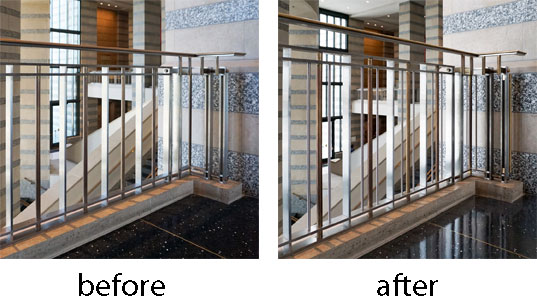
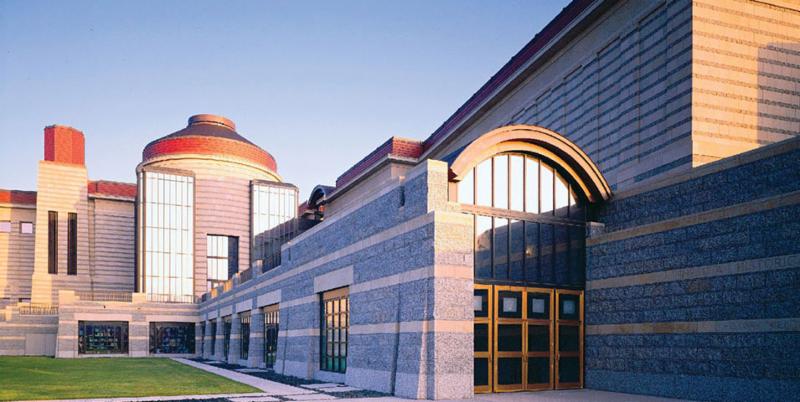
Sometimes, the test of an architect's skills comes not from the new project that's created, but through the close blending of something new with existing structures. That's the story with a small but significant safety project for the Minnesota History Center in St. Paul.
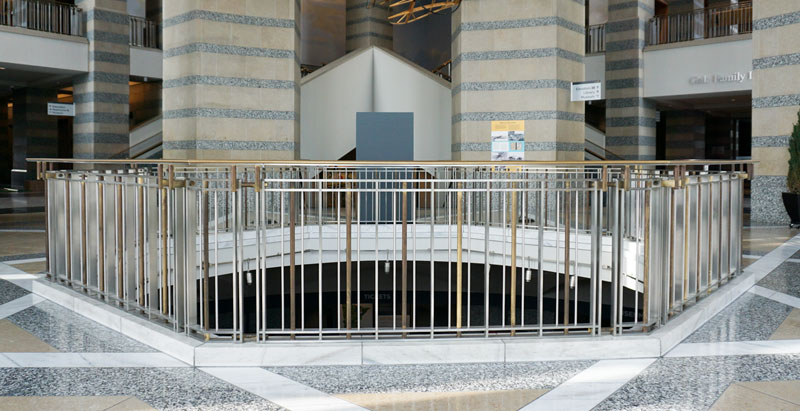
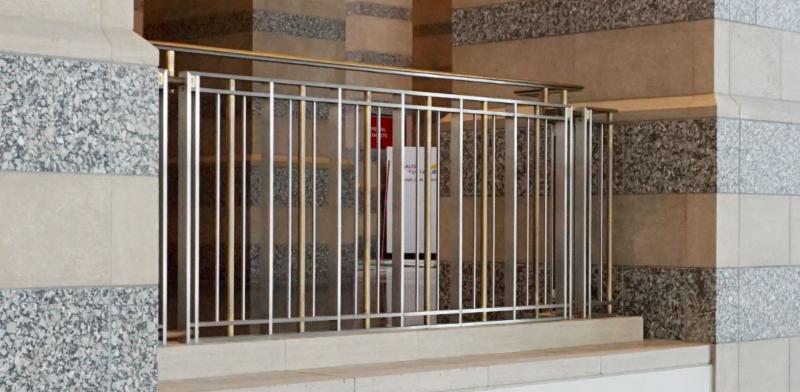
Using bronze and stainless steel, railings covering four floors needed updates to prevent small children from getting through. The two to three week job called for 600 pieces. Work was performed at night.
"They wanted something seamless," said CNH Architects Principal Wayne Hilbert.
Vertical stainless bars were added to the railing system with small decorative caps, top and bottom, to
m
esh well with the existing design.
This approach eliminated the need for welding inside the sensitive environment of the museum, Hilbert explained.
"There were (museum) staff who didn't know it had happened," said Hilbert. "It was a clever solution that turned out great and the response has been fabulous- kids
won’t fit through
."
|
|
|
|
Smaller scale projects: dental work in Caribbean
|
|
CNH Architects Principal Wayne Hilbert spent a week one summer serving as a volunteer dental assistant at a temporary clinic in a fishing village located in Canaries, St. Lucia.
"There are a lot of good people and they are all business ... serious about what they do," he said.
Most of the patients were adults, as dental care for children is offered at a lower cost.
-more-
|
|
|
|
Upscale downtown station exuded quality
|
|
|
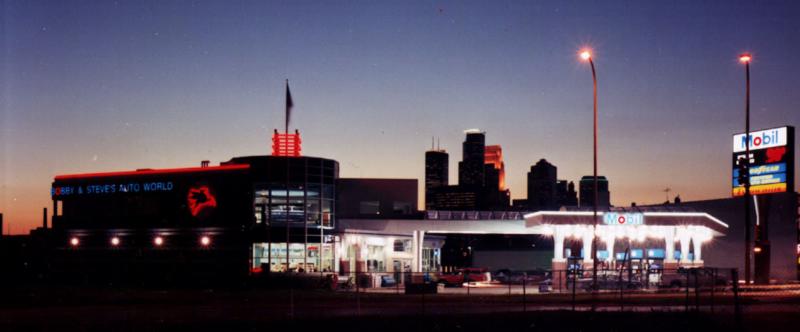
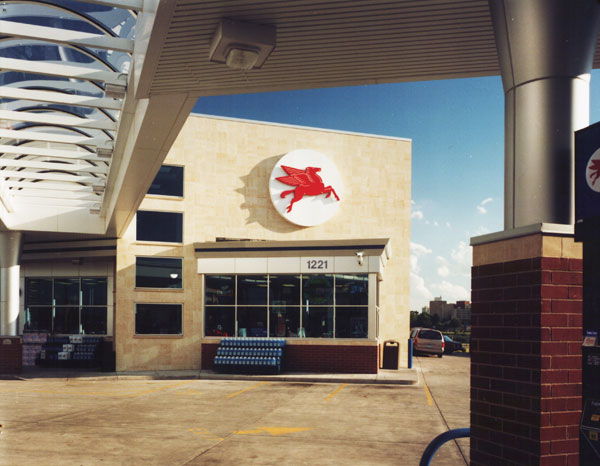
A prime location and innovation were put on display for Bobby and Steve's Auto World in the late 1990s, when CNH tackled an all new upscale service station project which came together at the edge of downtown Minneapolis.
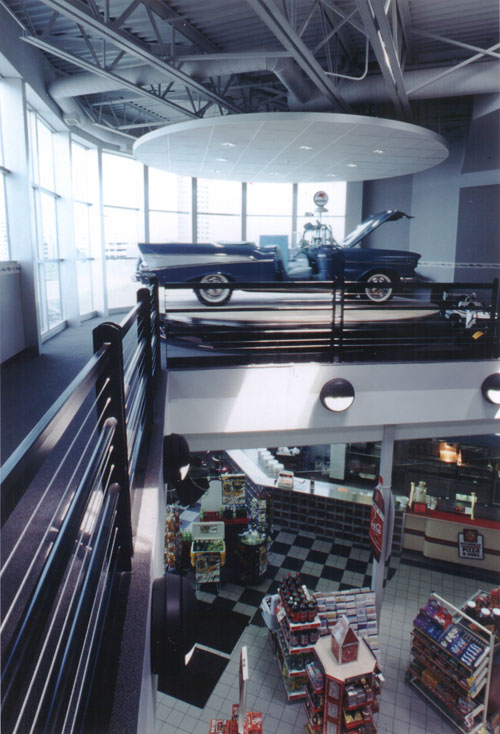
The tight site utilized a diagonal vehicle flow which was reflected in the angled portions of the buildings, explains CNH Principal Quinn Hutson. Wide use of glass and a classic car on display upstairs helped create an image of success that was part of the group's strategy.
"They strongly felt that if you look successful, people will want to associate with success," said Hutson. "It was very visible and an exciting project at the time." Today, Bobby and Steve's serves customers from eight different locations.
|
|
|
|
|
|
|