e-Newsletter | October 24, 2025 | | |
A Mysterious Painting Returns Home
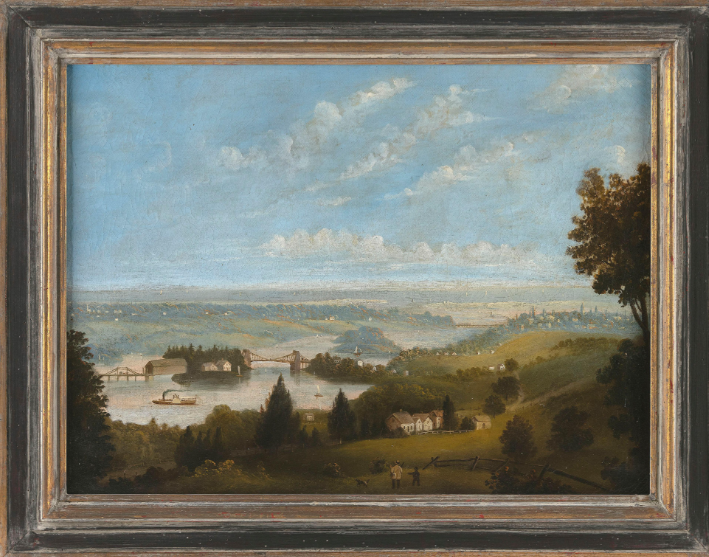
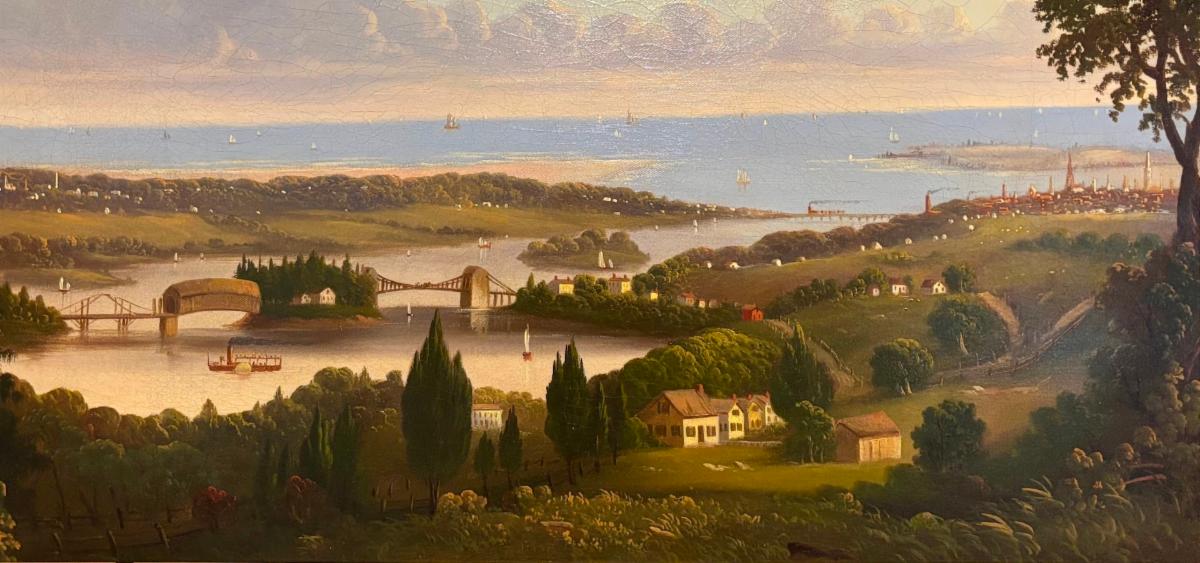
View Near the Laurels, attributed to Joshua Sheldon
| | |
On September 19, 2025, the Museum of Old Newbury acquired a painting with a legendary reputation in Newbury(port) and beyond. This painting, known as View Near the Laurels, or in some records, View of the Laurels, is unsigned, but is attributed to Joshua Sheldon Jr., who lived from 1809-1890. It (actually one just like it), was sold at Northeast Auctions in 2005, and its current location is not known (though we would love to know!).
The catalogue for a 1994 exhibit at the Museum of Old Newbury, Vernacular Visions, described this other painting and included an illustration.
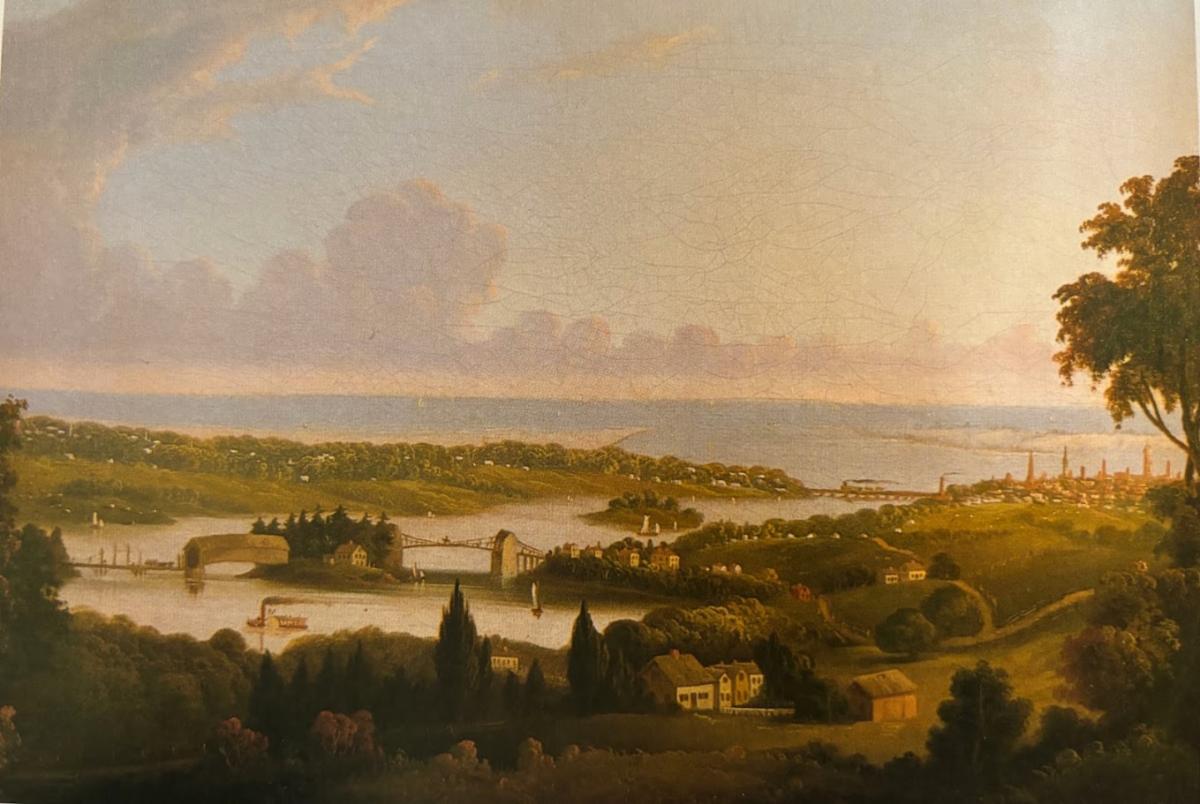
"A romantic luminist painting, View Near the Laurels, Newbury, c. 1847, attributed to Joshua Sheldon, Jr., (1809 - 1890) affords many interesting details of rural Newbury in the foreground contrasted to early industrial Newburyport with its departing train, tall steeples, and smokestacks in the right background. The famous Chain Bridge, built in 1792, and a covered bridge serve as focal points in the middle distance, around which sailboats and a steam-powered paddle-boat ply the Merrimack River. This painting was undoubtedly the prototype for the 1847 Bufford and Company print of the same name."
| |
1994 Vernacular Visions exhibition catalogue image, believed to be the painting sold at auction in 2007.
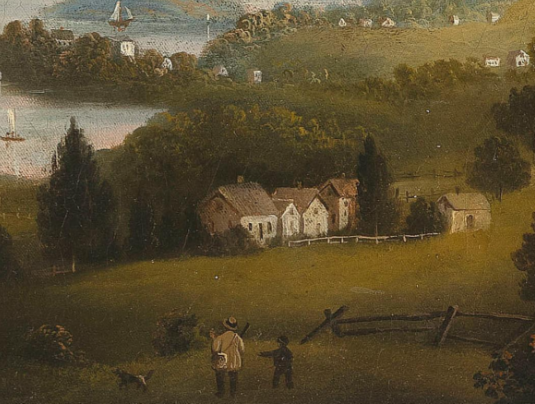
The observant reader may note that the image contained in this catalogue is missing a key element found in our painting - the two figures in the foreground.
| | |
Detail from the MOON acquisition.
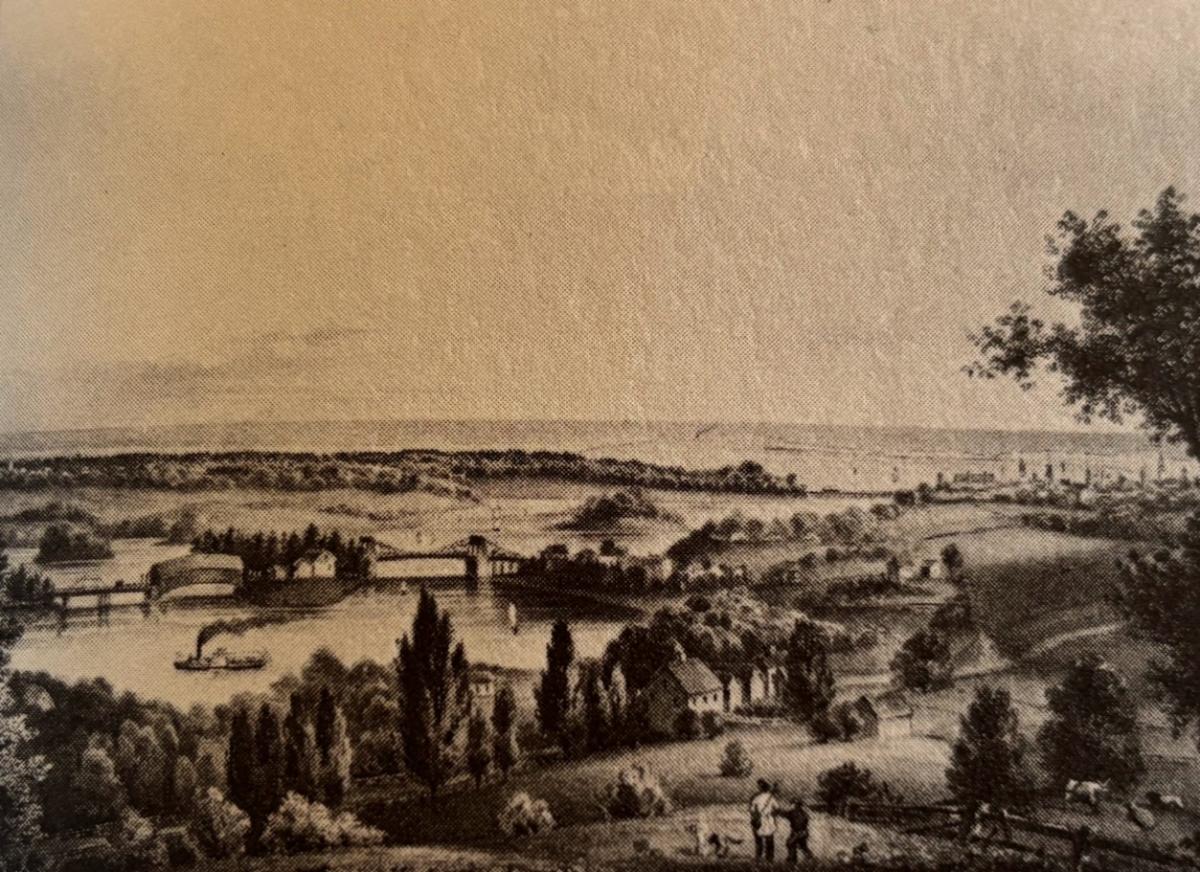
As for the 1847 Bufford print, the figures found in our painting are present there. We are hoping to have a look at another of these prints held by the Boston Atheneum soon, as it may shed some light on our painting.
| | |
This 1847 print, reproduced in the Old Town and the Waterside exhibition catalogue in 1985, was owned by Wilhelmina Lunt. Note the figures in the foreground.
And then - a new development! On a visit to the home of a friend and donor to the museum, yet another version of this painting, this one with no figures in the foreground, was hanging right there above the fireplace. It has rock-solid family history, and is NOT the painting sold at auction in 2005! The owner has agreed to allow us to study the paintings together, and we hope this will shed some light on how they relate to each other.
| |
Newly restored and gorgeous, this version of the Laurels scene is NOT the same as the one sold at auction in 2007 and featured in Vernacular Visions, and has been owned by the same family for at least fifty years and has no figures in the foreground.
One of the chief joys of a new acquisition is the opportunity it provides for deep research. Fortunately for us, we have vast wisdom and experience to draw on locally. We are just getting to know this painting, and are excited to hear from any of you who have additional information! The best news? This painting, or at least this version of this painting, is safe and sound and we have time to see what new mysteries unfold!
MOON Members - if you would like to see the MOON Laurels painting in person, please call 978-462-2681 and we will gladly make arrangements for a visit.
| |
| |
Starts October 18 to May, 2026
11:00 a.m. to 4:00 p.m.
Seasonal Saturday Tours!
Take a tour through this 1808 Federal mansion, containing art and artifacts from the past four centuries. Hear the story of Old Newbury and the growth of Newburyport.
New starting the fall of 2025, the Museum will be open most Saturdays (*weather permitting, some dates excluded).
Tickets here
| | | |
| |
Saturday, November 1, 2025
11:00 a.m. , 1:00 p.m. & 3:00 p.m.
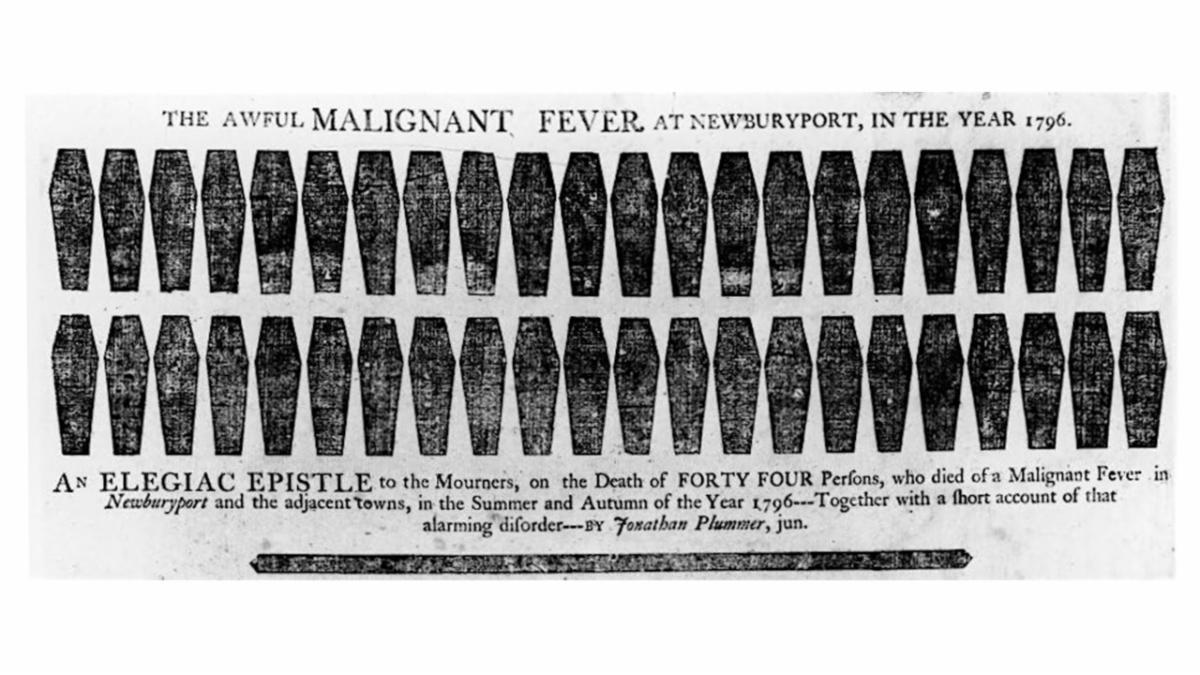
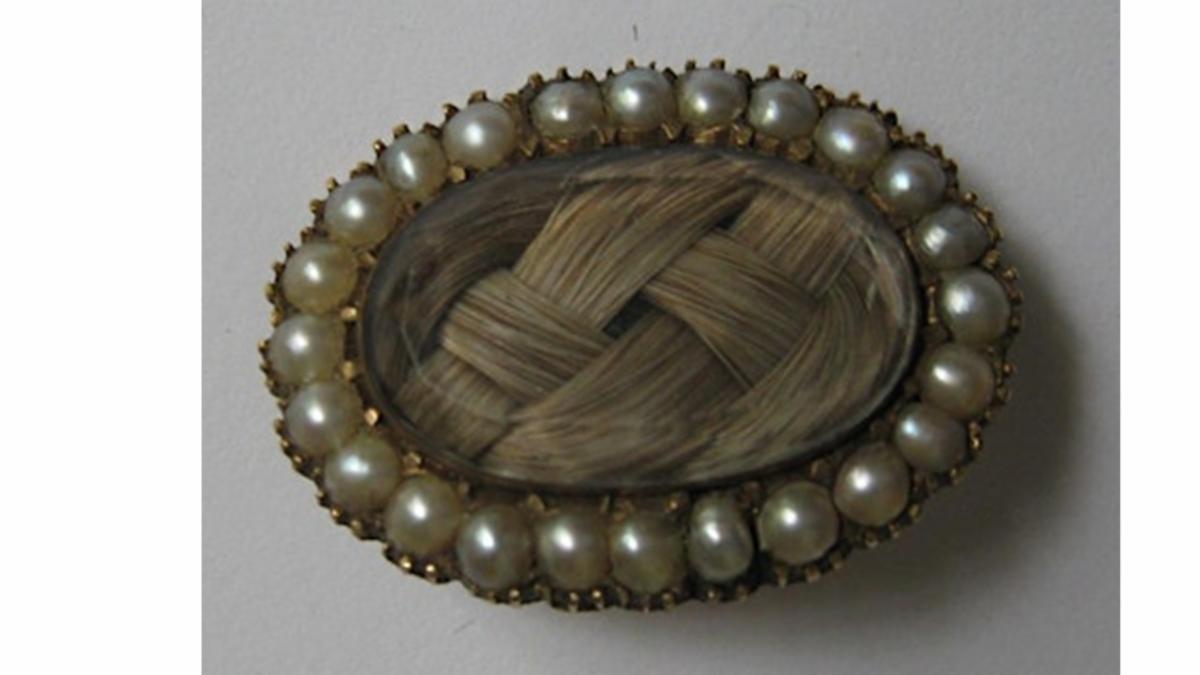
Memento Mori Tour: Oddities from Old Newbury on All Hallows Day
On All Hallows Day—a time set aside for remembering the dead—the Museum of Old Newbury invites you to a rare, behind-the-scenes experience. For this one-day-only event, the museum will offer three special guided tours of the Cushing House and Perkins Archive and Research Center.
Tickets Here
| | | |
| |
Saturday, November 1, 2025
7 p.m.
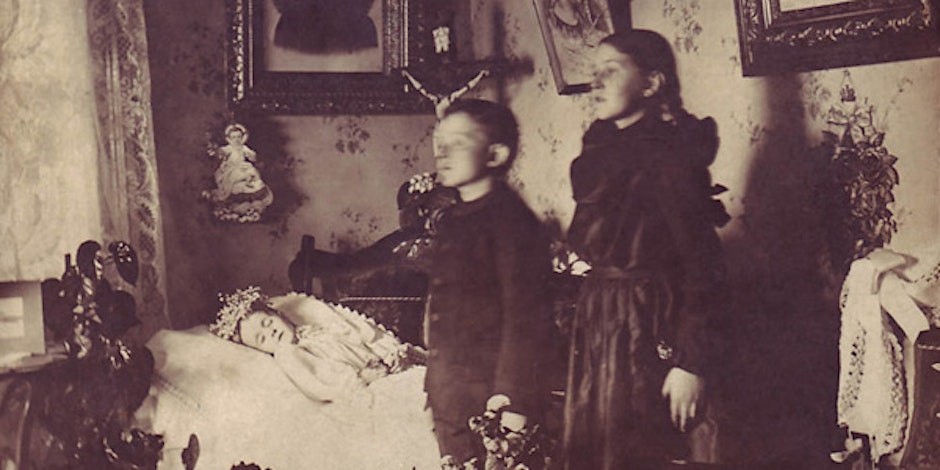
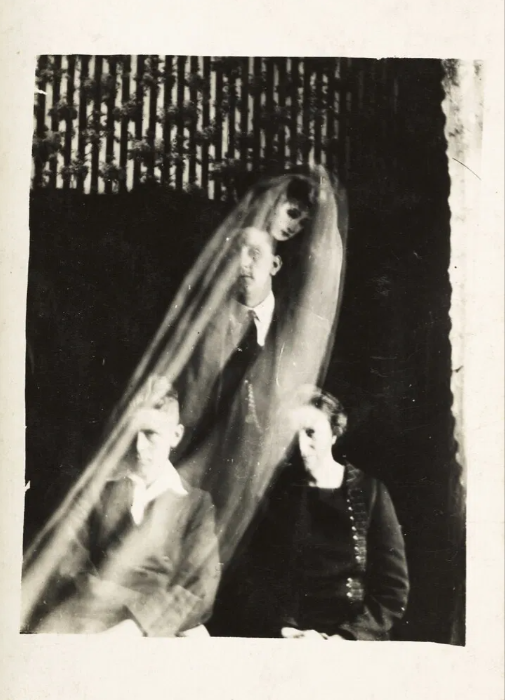
Secure the Shadow: Spirit & Post-mortem Photography in the 19th Century
This All Hallows Day, explore post-mortem & spirit photography in the 19th century and beyond —plus dark chocolate, stout, red wine & cider donut tasting.
Tickets Here
| | | |
| |
Saturday, December 6, 2025
10:00 a.m. to 4:00 p.m.
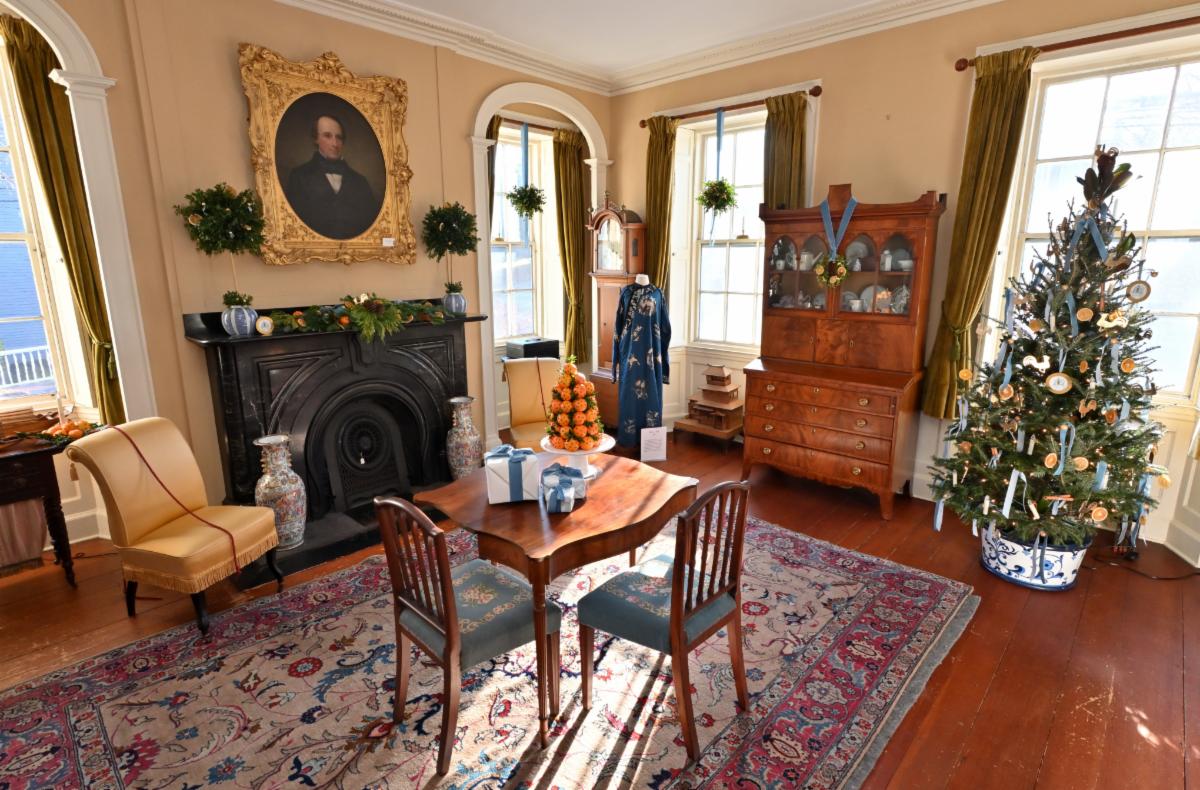
Holidays at the Cushing House
An annual tradition! Come enjoy the 1808 Cushing House decorated for the season by local garden clubs and volunteers.
Tickets Here
| | | |
| |
Sunday, December 7, 2025
10:00 a.m. to 4:00 p.m.
Holidays at the Cushing House
An annual tradition! Come enjoy the 1808 Cushing House decorated for the season by local garden clubs and volunteers.
Tickets Here
| | | | |
Frank Curtis and Newburyport's Revolutionary Steamer Carriage
By Michael Chiaravalloti, guest author
| | |
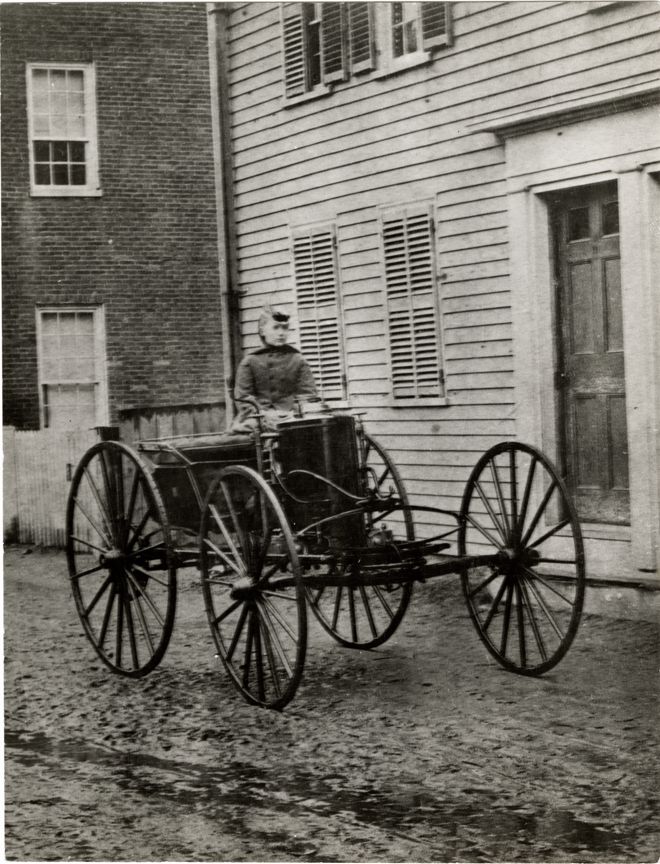
In this undated photo, Sarah Elvira Curtis (1856-1884), daughter of Frank Curtis, is behind the wheel of his famous steam-powered automobile. Sarah was a school teacher in Ipswich and Portsmouth for several years before marrying David Withington in 1880. She died four years later after giving birth to their son, Leonard. Courtesy Detroit Public Library
Over forty years before Henry Ford’s Model T burst onto the scene and changed the world forever, a Newburyport man invented one of the first automobiles. It was noisy, it was dirty, and it was way, way ahead of its time.
Francis “Frank” Curtis spent his entire life in Newburyport, working for the best interests of his beloved community. A Google search today, however, will paint a very different picture from the man who travelled down those 19th century streets. He’s been described as a rapscallion, a miserly ne’er-do-well with a greedy grip on his groundbreaking invention. The picture of Frank, revealed in contemporary articles and interviews of his day, paints a more nuanced picture.
Necessity
Frank Curtis began his working life as a painter, clerk, and apothecary, but quickly turned his talents to public engineering. He was a man of many talents, and worked as the superintendent of the gasworks, which condensed coal into highly flammable gas, primarily used for lighting. He also designed Newburyport’s sewer and water supply system. Arguably his most innovative design, however, was his automobile, although Curtis himself called it his "steamer carriage”. Though rail travel was widespread, individual vehicles in were still pulled by horses, and Mr. Curtis was very much ahead of his time.
The idea that led to the steamer carriage was born out of his stint with the Newburyport Fire Department, during which he fitted the fire engine with a steam unit, allowing it to be driven without horses. This may have been the very first self-propelled fire engine in America.
“It seemed to me a shame to half-kill two fine horses every time there was a fire,” Curtis told the Boston Daily Journal in 1899, continuing, “and that, too, with plenty of good steam going to waste. So I fixed up the old engine that she would go herself.”
This modification caused enough excitement to bring Nehemiah Bean to see it personally. Mr. Bean shortly thereafter brought the concept to the Amoskeag Locomotive Works, building steam-powered fire engines which would find their way to major cities such as New York, and Los Angeles.
| | |
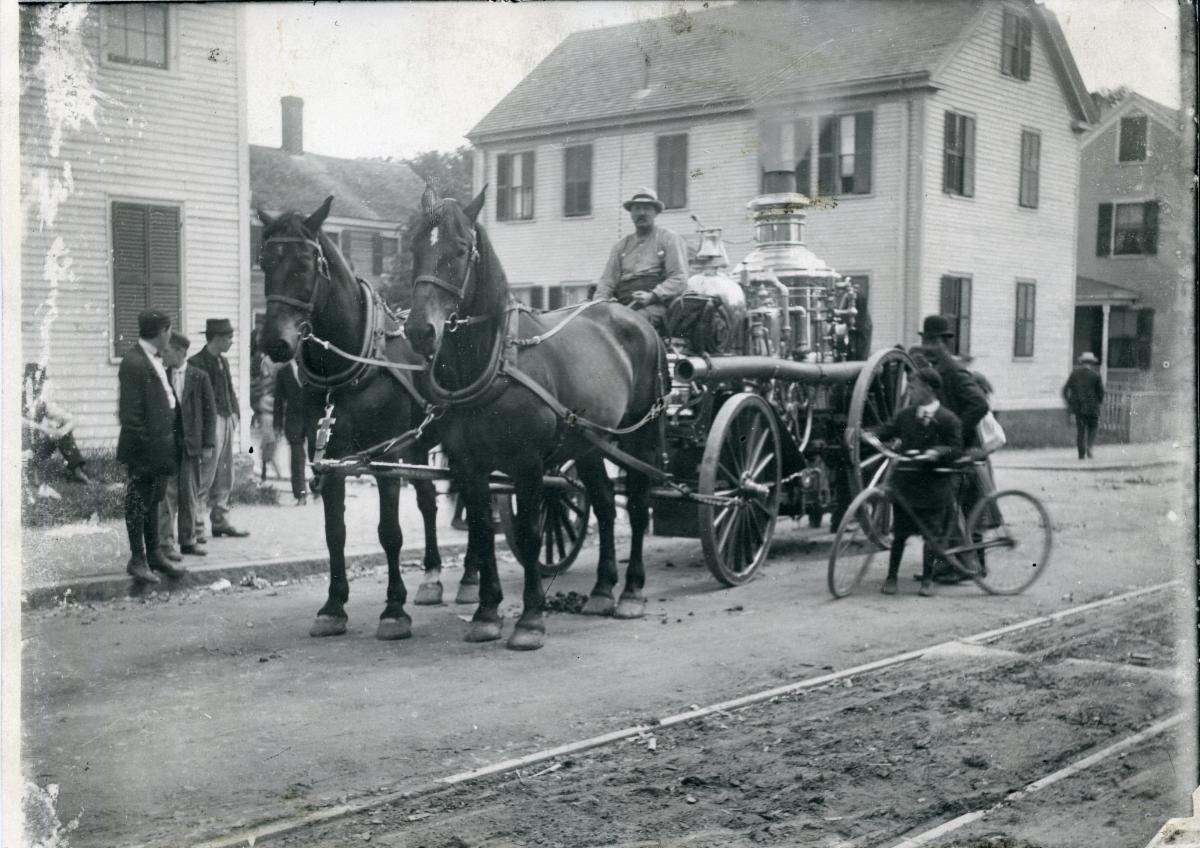
The Eon 1 horse-drawn fire engine, seen here at the corner of Franklin and Purchase Streets, relied on teams of strong, fast horses, who were sometimes injured in the gallop to a fire. Frank Curtis converted it to self-propelled. Snow Collection, Museum of Old Newbury
The Mother of Invention
In 1867, a “Boston Lothario”, as Curtis described the man, persuaded him to build a steam-powered carriage. Payment would be submitted, half upon completion, and half upon satisfaction after trials. This was the first ever installment plan for the purchase of an automobile in history. However, the man never paid up, leading to the first repossession of an automobile in history.
“It cost me $1,000, and I never got a cent for it.” Mr. Curtis remarked to the Boston Daily Journal, “He used it a few times, but I never saw the color of his money, so I made up my mind that I had better keep it myself.”
The details of the Curtis Steamer Carriage are interesting, when compared to a modern automobile. It ran with a 5-horsepower engine, reaching 25-30mph on average, and consumed coal and water for power. Compare that to an average car today, which will have 200-300, or even over 400 horsepower, and is easily able to reach speeds far in excess of 65mph. The cost of $1,000 in 1867 translates to just under $22,000 in 2025.
“With 80 pounds of coal … it would run about 20 miles,” Frank relayed in 1899, “so she wasn’t particularly economical. We had to stop for water every six or eight miles, though, and that was a nuisance. The longest stretch I ever ran without stopping was nine miles, and I did it in 26 minutes. Another time, when a man kept the fire going for me, I did six miles in 18 minutes.”
Considering the average speed of a horse would take over 2.5 hours to travel 10 miles, the Curtis Steamer Carriage was a significant improvement for the time.
Splendid Workmanship
Frank Curtis stated that his steamer carriage never broke down with anyone except himself, and only then when he was experimenting with it. It stalled only once, and that was when he attempted to drive it on the sands of Plum Island, “and she would have gone through them with the proper kind of wheels,” he said, with some discernible pride, to the Boston Daily Journal.
Mr. Curtis continued, explaining that in the 1860s, in Newburyport, there were no “macadamized”, or paved, roads. Despite this, the carriage ran without issue on the Newburyport streets for 11 years.
“How did the horses like it?” asked the Boston Daily Journal reporter.
“That all depended on the driver.” Frank replied, “If he wasn’t afraid, nine times out of ten the horse wasn’t, either.” Whenever encountering oncoming traffic, Mr. Curtis would turn off the road to allow others to pass. Some would ask him to continue on, wanting to see his steamer carriage in action. One time, Frank raced a steam locomotive going down hill, keeping time with it. Another day, Frank drove the parson out of town in the afternoon, and back in time for the parson’s sermon that evening- the parson was so taken by the carriage, he spoke of nothing else in his sermon for over an hour.
No injuries due to the carriage were ever recorded, except for one. Frank told the Journal reporter, “a boy who persisted in trying to get across the road in front of me. I went over his ankle, but a stick of candy fixed him all right. He’s living yet.”
| | |
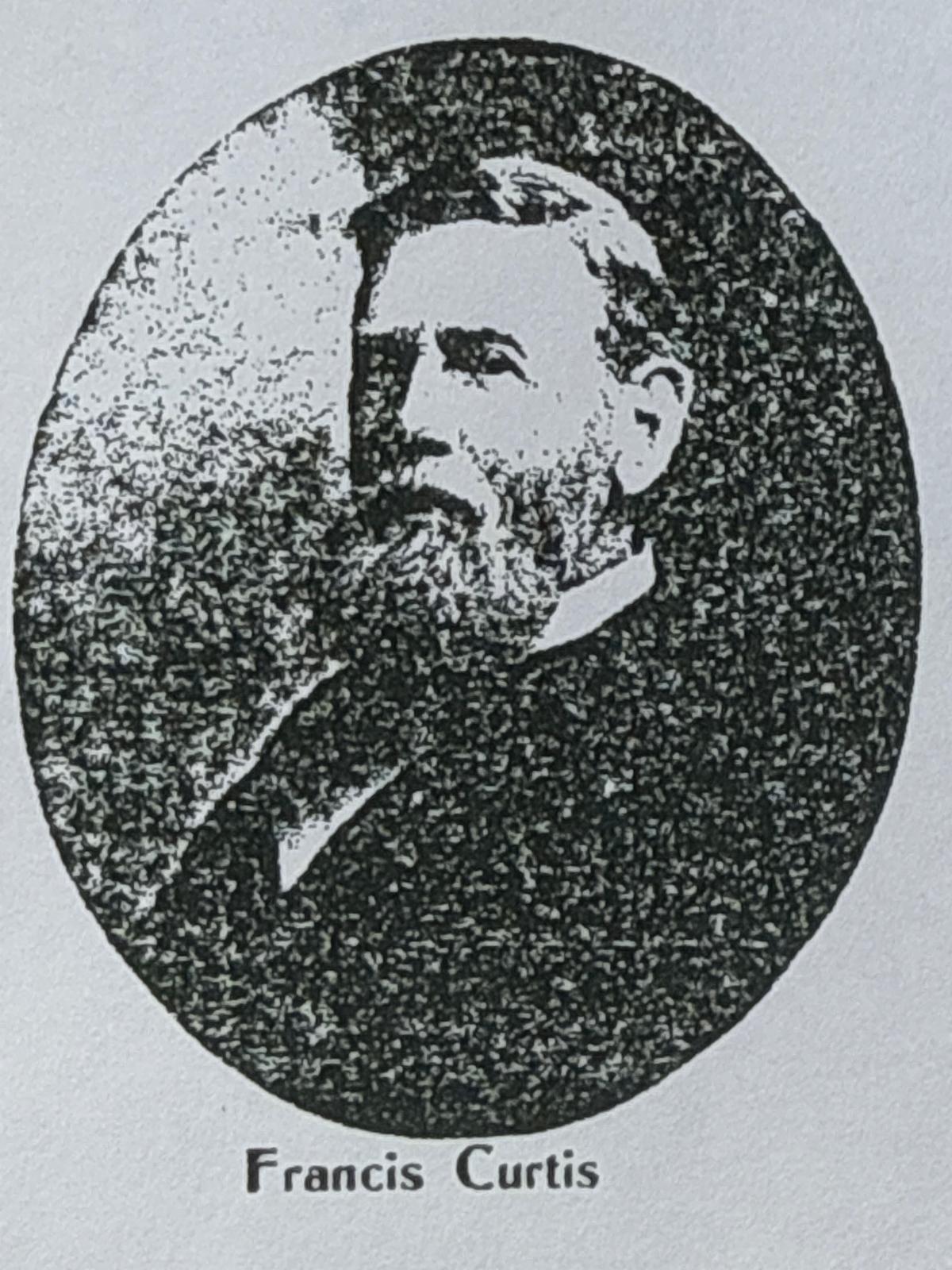
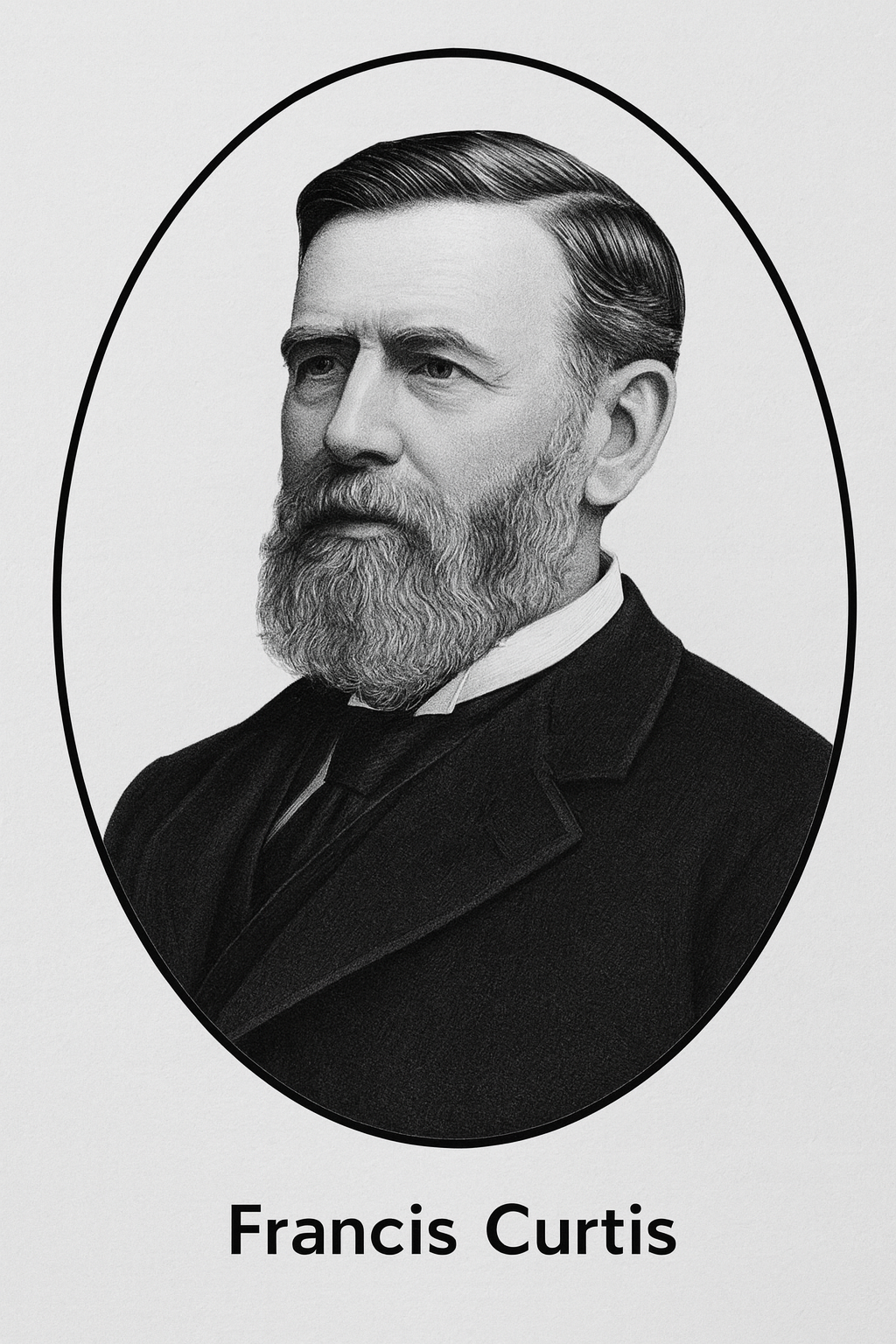
This image of Frank Curtis from firefighting records has been enhanced by AI - you can judge for yourself whether it is an improvement!
He Fought the Law
Not everyone was enthralled with the loud, smoky, preposterous mechanism rolling down the roads of Newburyport.
“It was the horses that finally drove me off the streets,” Mr. Curtis told the Boston Daily Journal. The coachman of a wealthy woman was frightened to death of Curtis and his carriage, and made such a stink that his employer complained to the selectmen, who sent the sheriff.
Frank was sitting in his steamer carriage, in Market Square, when the sheriff drove up in his own horse-drawn carriage.
“I want you!” the Sheriff shouted.
“What for?” Frank asked.
As the Sheriff read his warrant, making clear that both Frank and the carriage were to be hauled off the streets and into court- Frank opened the throttle and away he went, “with the Sheriff driving like mad after me. He might as well have been on foot. He couldn’t keep anywhere near me,” Frank recalled to the Journal reporter.
He sped off to the next town, hiding his vehicle in a barn until the heat wore down. He later brought the carriage home and sold it. Therefore the Curtis Steamer Carriage took a third historic milestone to its name- the first getaway car in America.
Relic of the Past
It is an unfortunate turn of events that nothing remains of Frank Curtis’s steamer carriage. After selling it to one Ned Dimmick, who tried and failed to transport the carriage to Barbados, it eventually returned again to Frank’s ownership some years later, though in a greatly dilapidated condition. It never did run again, despite efforts to make it so, and Frank passed away in 1907, just one year before Henry Ford’s Model T was brought to market. His obituary in the Newburyport Daily News offered an homage to this remarkable man. "Mr. Curtis was a man of rare mechanical gifts and of active vigorous mind. He was an inventor and wide awake to all mechanical inventions, a man of integrity and character which commanded respect. His memory deserves this tribute to a man whose life and activities were a distinct benefit to his native city. He had long passed the three-score and ten limit, and his years were years of usefulness."
Michael Chiaravalloti grew up in Newbury and now lives in Brookline.
| | Something Is Always Cooking... | | |
Hubbard Squash Soup
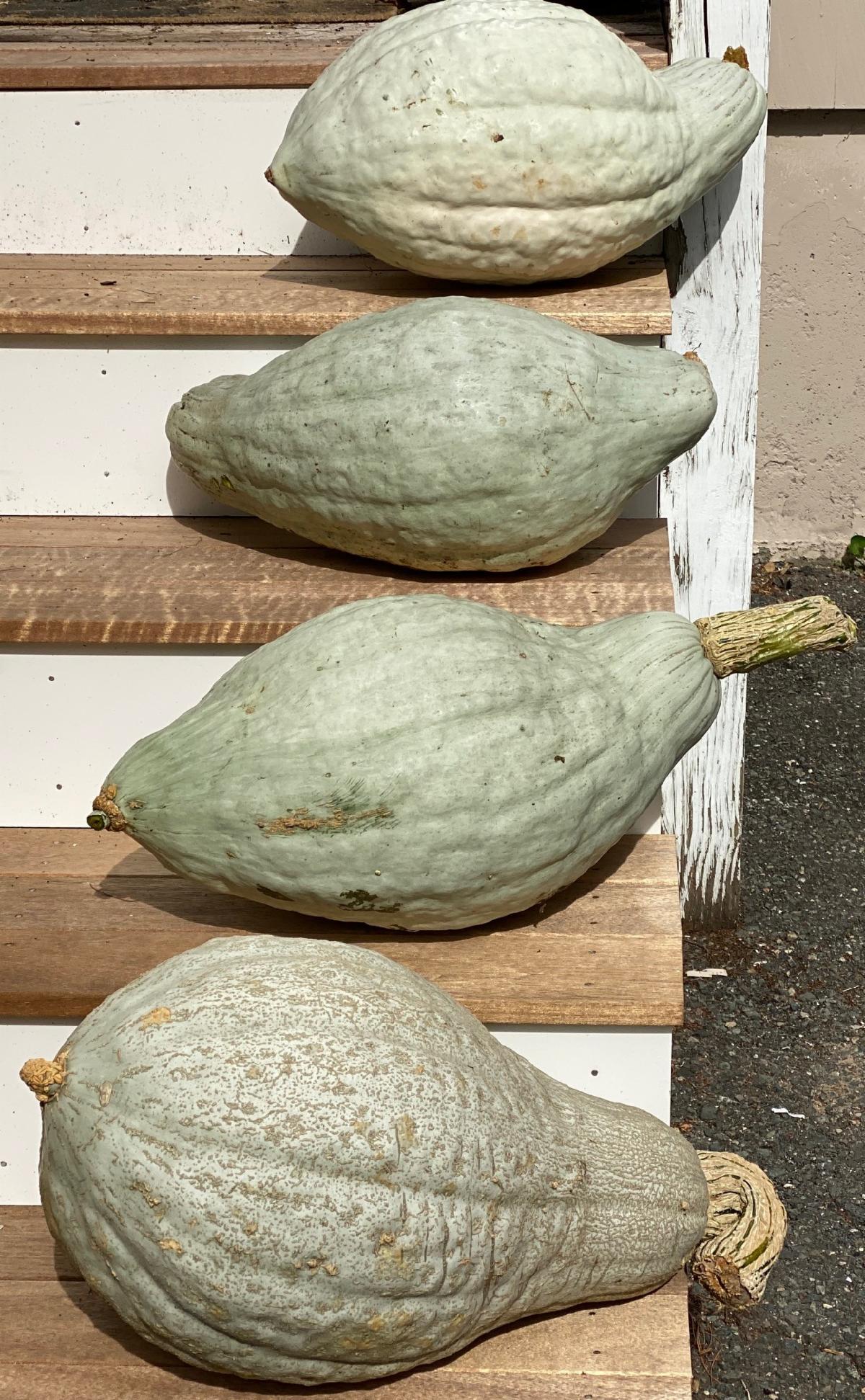
Some years are better than others for growing squash in the garden. This year, despite the lack of rain, was a great squash year. We had a bumper crop of giant blue Hubbards. Our garden and backyard looked like something out of Jurassic Park or Invasion of the Body Snatchers, long vines taking over everything and producing huge pod shaped squashes that weighed in between 14 - 24 pounds each with thick ropey stems as big as my wrist. So there is going to be squash in just about everything at my house for a long long while. I began this year with a variation on a bisque recipe. Hubbards are a bit more bland and earthy than the Butternuts that did so well in the MOON garden, so feel free to experiment with this recipe too.
-Shelley
Ingredients
5 pounds of Hubbard squash (give or take)
4 tablespoons olive oil, divided
3 medium onions, coarsely chopped
6 carrots, peeled and diced
8 -10 cloves garlic, diced
2 apples, cored, peeled and sliced into thick wedges
2 tablespoons vegetable stock concentrate or 3 cubes
2 teaspoons kosher salt
1/2 teaspoon cumin (or more to taste)
1 /2 teaspoon ground nutmeg
4 or 5 cups water (more or less depending on the size of your soup pot).
Freshly ground black pepper
1 cup heavy cream (or half-and-half)
Directions
Carefully cut squash in half and scoop out the seeds. Rub the cut edges of the squash with 1/2 of the olive oil and place cut side down on a large parchment paper covered cookie sheet. Roast in the oven at 375 until you can pierce the outer peel with a fork (approximately 1 - 1.5 hours).
In a large soup pot, heat the other half of the olive oil over medium heat. Add the carrots and onion, cook till the carrots start to soften and the onion turns translucent. Add in the garlic and cook till the garlic starts to brown.
Turn off heat and set aside till the squash is ready to be added.
Scoop out squash flesh from rind and add to soup pot with the sliced apples, vegetable stock and water. Return pot to heat on medium low setting, add spices and cover. Simmer until the apples are soft, about 20 minutes or so.
Remove from heat, and allow to cool slightly. Using an immersion blender, carefully puree soup until smooth. At this point, taste the soup and add more spices if you feel it needs it. Perhaps adding some adobo or smoked paprika or a little cayenne to give it a little kick more flavor. This recipe makes a full soup pot, so feel free to experiment by the bowl, that's what I did.
When ready to eat, swirl a little of the heavy cream into the bowl (or don't and enjoy it vegan) and serve with crusty bread for dunking.
| | |
Click the image to do the puzzle
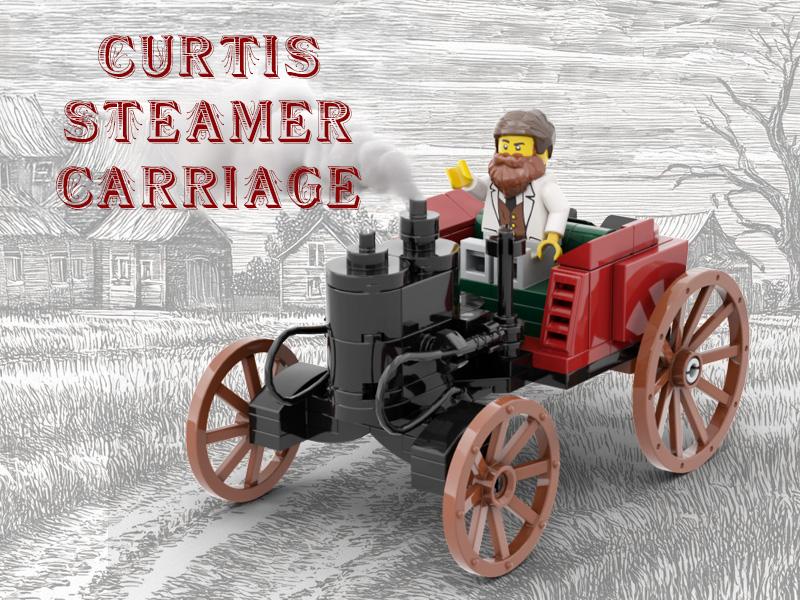
In addition to writing and doing historical research, Michael Chiaravalloti is also an avid Lego designer. His Curtis Steamer model can be assembled using plans found here.
| | |
Museum e-Newsletter made possible through the
generosity of our sponsors:
| | | | | |