|
As anticipated by TRAC, there has been a notable increase in claimed operations by the Islamic State (IS) following a decline last month. This rise was expected given that March coincides with the Ramadan season, traditionally a period of heightened activity for the group. In the current month, the Islamic State Central Command claimed responsibility for 106 operations across all affiliates, marking a 30% uptick from the previous month. However, when compared to March 2023, IS saw a 16% increase in claimed operations.
The upward trajectory is not only evident in claimed operations but also in unclaimed activities. In March 2024, TRAC documented 128 IS operations that were not officially recognized by the central command. Notably, throughout much of 2023, IS insiders regularly reported the group’s activities across its various affiliates. Yet, in recent months, even these insiders have adopted a strategy of silence. TRAC speculates that the IS Central Command may have directed them to withhold information about IS activities, particularly in regions known for high activity such as Iraq and Afghanistan.
TRAC has highlighted specific areas of interest regarding the last month, namely in Europe and Syria:
| |
Throughout 2024, IS showed increased attention toward Europe, particularly following incidents of Quran burnings, the most recent one occurring on 22 January 2023, which sparked outrage in the global Muslim community. Alongside other jihadist groups, IS has actively issued threats and aimed to incite lone-wolf attacks across European nations. This trend persisted through the rest of the year and intensified particularly in October after the resurgence of hostilities between Hamas and Israel in the Middle East.
The tension between Muslims and Jews has acted as a catalyst for a new surge of jihadism globally. Predictably, the Islamic State capitalized on this turmoil. This significant geopolitical event proved advantageous for IS, intensifying fervour among its supporters, who expanded their targets beyond Jews to encompass all “Kafirs” in non-Muslim nations, particularly in Europe. Consequently, IS initiated the month of March with lone-wolf attacks across Europe. TRAC has documented five lone-wolf IS attacks across Europe in March alone and contends that Europe may be inching closer to a situation reminiscent of 2016 when lone-wolf attacks by IS were at their peak in the region.
| |
One of the most intriguing aspects of IS operations in Europe is the predominant involvement of individuals from Central Asian nations, particularly Tajikistan and Uzbekistan.
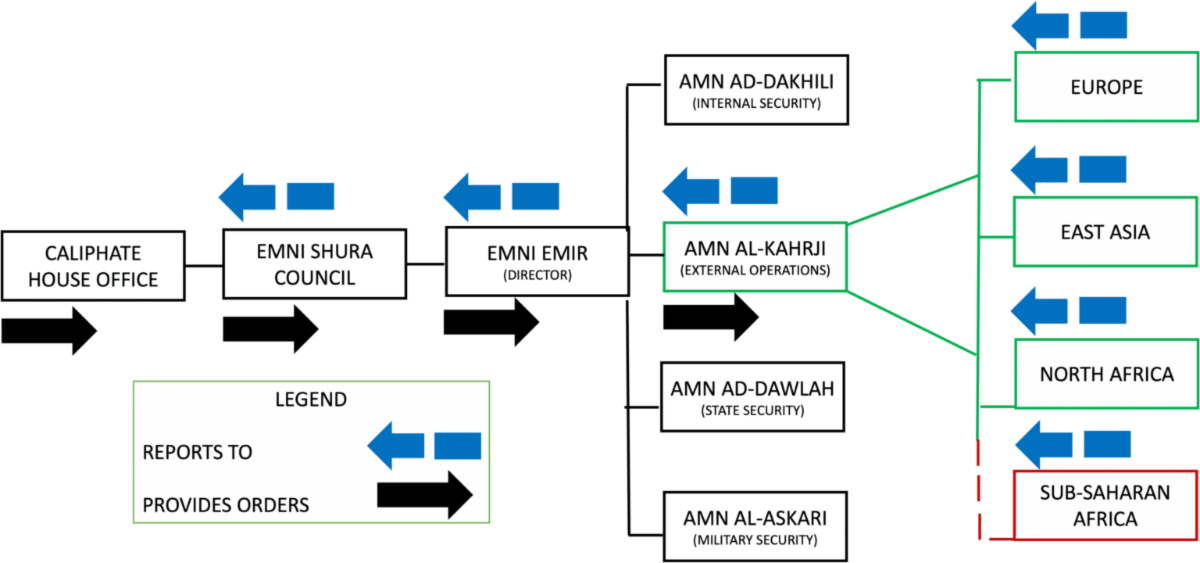
TRAC suggests that Islamic State (IS) External Operations branch also known as the Emni may be overseeing these operations and directing ISK accordingly. TRAC further posits that Emni’s preference for ISK is due to the ease with which Central Asian individuals can assimilate into European populations without drawing unwanted attention, unlike individuals from South Asia or the Middle East. While ISK undoubtedly possesses the capability to independently orchestrate these operations, TRAC believes they may be receiving direct orders from the central command.
| |
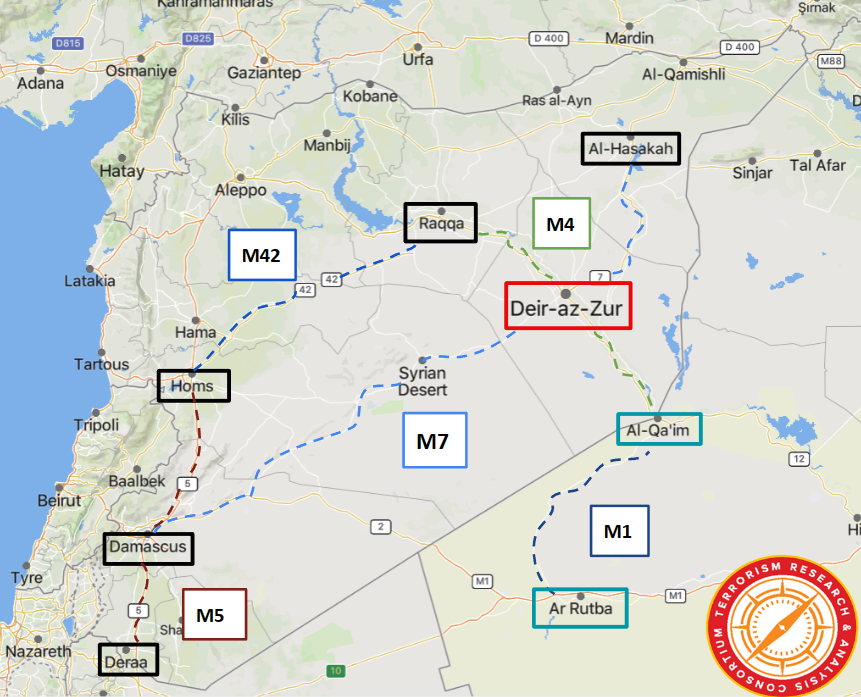
Islamic State activity in Syria has surged, particularly since the initiation of the so-called “bloody truffle season” in mid-February 2024. During the previous month, IS launched a campaign targeting truffle hunters across the expansive Syrian Desert, also known as Badiya. This offensive persisted throughout March and intensified further with the commencement of the Ramadan season on 11 March 2024.
Throughout March, IS fighters focused on targeting oil sites and infrastructure in the Deir Ezzor Governorate, which has historically been a primary oil-producing region for the group. Despite losing control of these oil fields to various parties involved in the Syrian conflict over time, the region retains strategic and sentimental value for IS, as evidenced by its relentless assaults there.
Another notable development is the movement of IS fighters toward urban centers in Syria. Recently, there has been a sudden escalation in IS operations in historically less affected areas, especially in Homs and Deir Ezzor. While most IS activity in Homs has been concentrated along the M7 Highway in the central and eastern parts, there have been documented assaults on the western end closer to the city of Homs. In Deir Ezzor, where IS fighters maintain a significant presence near main cities, they have begun moving into the northeastern parts, previously untouched by IS activity, even during the height of the Caliphate.
Additionally, there has been a notable increase in Islamic State prison breaks. IS is known for its proficiency in executing prison breaks, and throughout March, numerous prison breaks were recorded in al-Hol Camp, SDF-controlled prisons, and SNA-controlled prisons.
| | |
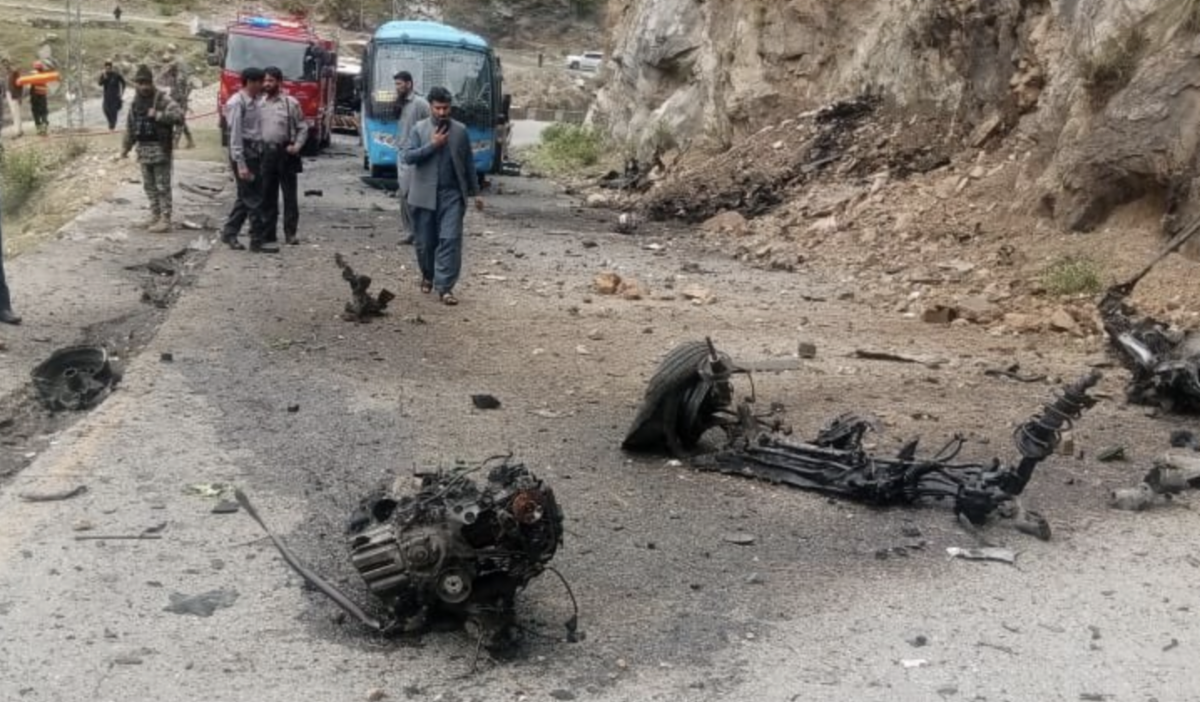
TRAC Incident Report: Passenger Bus Carrying Chinese CPEC Engineers Destroyed in Vehicle-Based IED Strike, Five Chinese Gezhouba Group Engineers Dead, Beshama, Shangla, Khyber Pakhtunkhwa, Pakistan | |
|
On 26 March 2024, unknown militants rammed a vehicle-based IED (VBIED) into a convoy of Chinese engineers in Khyber Pakhtunkhwa, Pakistan. The China Gezhouba Group Corporation employed the engineers who were in transit from Islamabad to the Dasu Hydroelectric Power Station. No known groups have claimed responsibility for the suicide bombing yet but BLA are the most likely culprits.
This bombing occurred less than a week after the Baloch Liberation Army (BLA) conducted Operation Zir Pahazag, targeting the Gwadar Port Authority (GPA) Complex in Gwadar City, Balochistan where CPEC officials were meeting.
This VBIED attack shows remarkable similarities to the unclaimed 14 July 2021 IED strike on the passenger bus carrying Chinese engineers working on the Dasu Hydroelectric Power Station, and the bombings even share the same target. It is also similar to the BLA’s 20 August 2021 Suicide bombing of Chinese engineers in Balochistan.
While the bombing is still unclaimed, it was most likely conducted by the Baloch Liberation Army’s Majeed Brigade. The Baloch Liberation Army’s (BLA) preference for multi-method strikes on hard security targets, electoral personnel, and CPEC infrastructure throughout Balochistan makes the BLA the premier threat to Pakistan’s domestic security. If the BLA conducted this strike, it would indicate a massive increase in the Baloch Liberation Army’s strike capabilities, which previously limited their strikes to CPEC infrastructure within Balochistan. Moreover, it would be an escalation that compels Pakistan’s security forces and China to coordinate extended counterterror operations in Balochistan and KPK to develop CPEC infrastructure.
The China-Pakistan Economic Corridor (CPEC) is a major infrastructure and economic development project that aims to enhance connectivity between the two countries by constructing a network of roads, railways, pipelines, and other infrastructure projects. It is a flagship component of China’s Belt and Road Initiative (BRI) and Maritime Silk Road (MSR) international development campaigns. The Baloch Liberation Army opposes CPEC, viewing the project as resource extraction/fleecing at the expense of the Baloch people. In an unexpected move, the TTP disavowed any responsibility for the suicide bombing.
| |
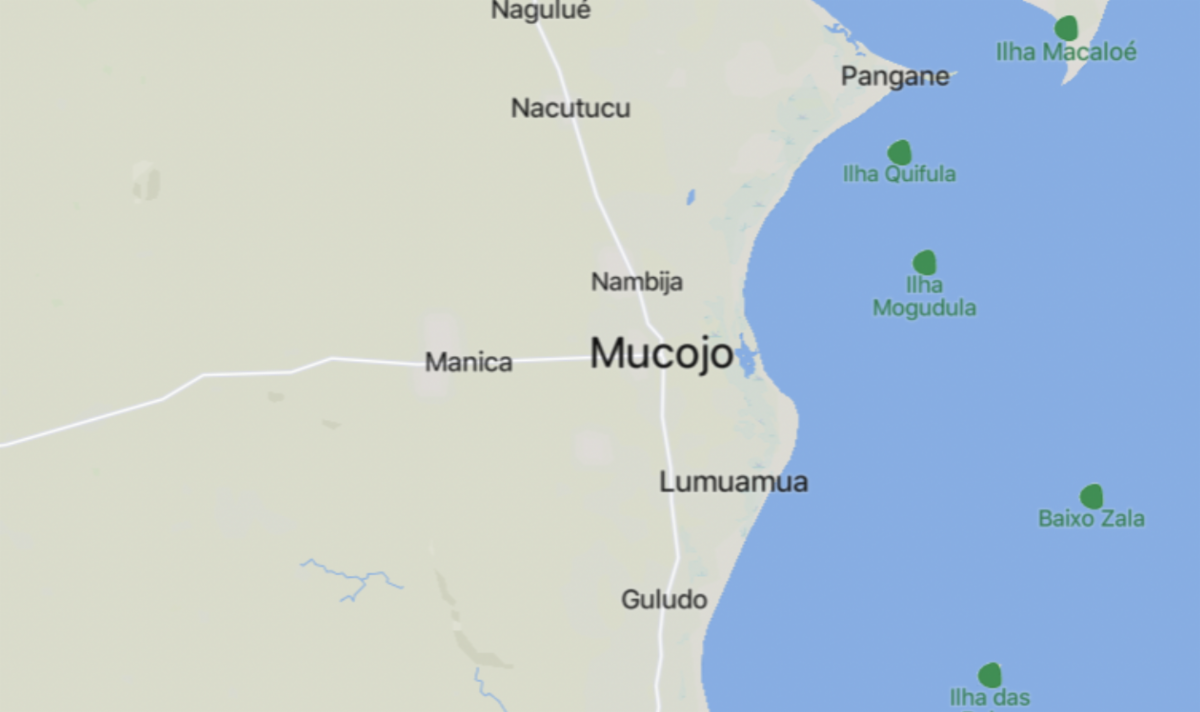
(Chatter) Islamic State Mozambique (IS-M/Shabaab Cult) Militants Reportedly Established their Own Administration in Mucojo, Macomia District, Cabo Delgado, Mozambique | |
|
Sources on the ground confirmed that Islamic State Mozambique (IS-M/Shabaab Cult) militants have established their own administration in Mucojo of Macomia district, Cabo Delgado province. Mucojo fell under IS-M control in February and has since been governed by the group, along with several neighbouring villages. The militants have set up checkpoints on roads leading to the town, where they scrutinize the documents of incoming individuals, particularly searching for potential spies. Residents have indicated that Sharia law and IS’s administrative structures are now enforced, with monitoring, especially during Ramadan. This shift in behaviour also explains the current lack of claimed attacks across Mozambique, as militants are attempting to properly govern.
Given the apparent absence of military intervention, local inhabitants have reluctantly adapted to living under the new regime. Meanwhile, the militants utilize the area as a base, dispatching forces to other districts. Recent sightings of groups of Shabaab Cult militants traversing from Nambini to Kisanga County, where previous IS-M raids occurred, have raised concerns. Although encounters with the remaining locals have been non-aggressive, most of the left-over Christians have chosen to flee preemptively.
There is a growing pattern where IS-M militants, lacking opposition, exhibit diminished interest in local Christians, who often endure their presence due to the perceived leniency compared to military protection. However, any shift in attitude towards peaceful Christians can result in acts of intimidation. Against this backdrop, Mozambique faces the challenge of securing new allies in the fight against IS-M, following the official withdrawal of SADC forces planned for 16 July 2024. Previous attempts by Wagner PMCs and South African mercenaries failed to quell the insurgency, prompting the deployment of SADC and EU troops, whose effectiveness remains to be seen.
| |
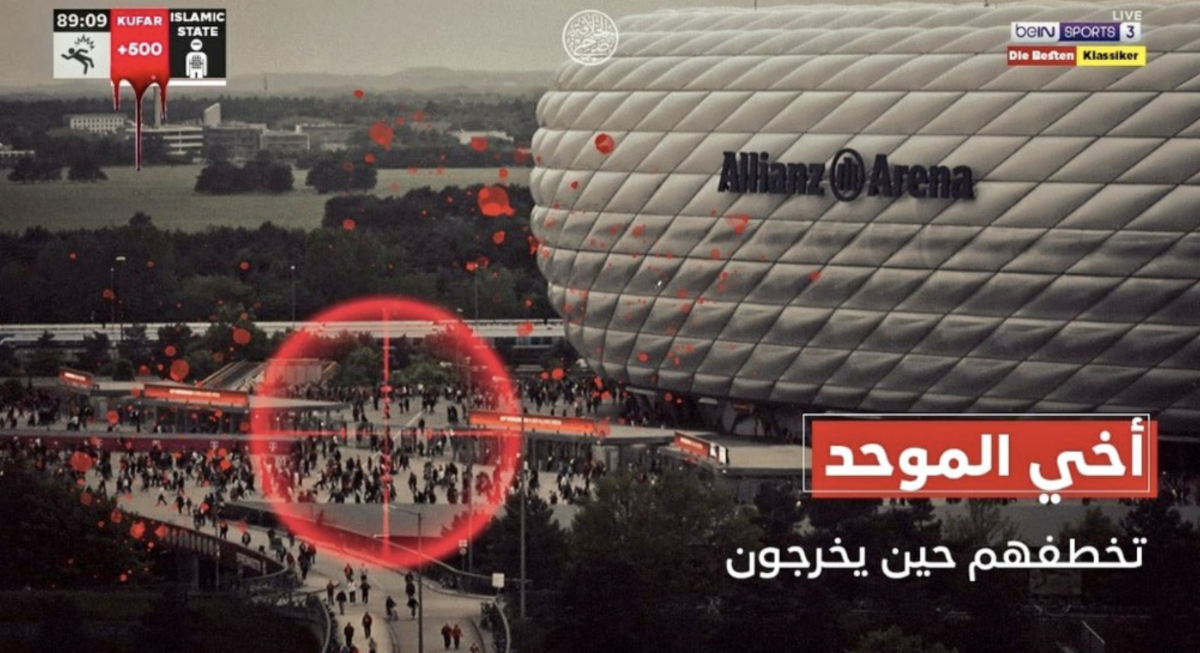
(Poster) Sarh al-Khilafah (Unofficial Islamic State/IS Media) Circulates a Propaganda Poster Encouraging Armed Assault on the Munich Allianz Arena, Germany | |
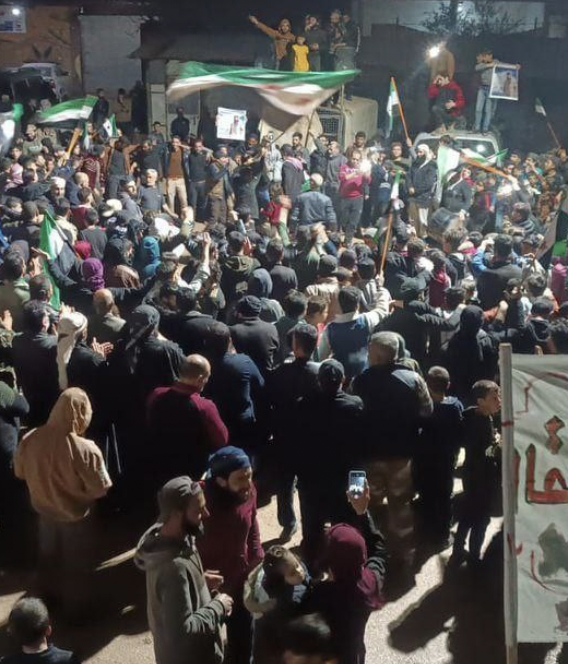
TRAC Incident Report: Suspected Hayy’at Tahrir al-Sham & Islamic Party of Turkestan Militants Targeted Syrian Armed Forces (SAA) 46th Regiment Brigade Positions in Aleppo Province, Syria | |
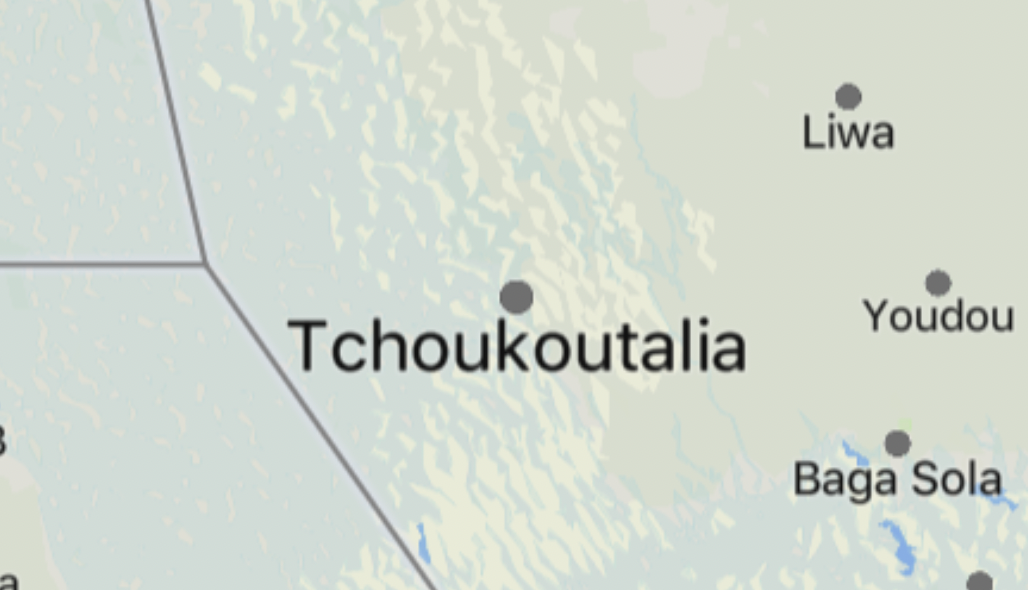
TRAC Incident Report: Suspected Islamic State West Africa (ISWA) -or- Boko Haram (JAS) Militants Armed Assault/IED Double Tap on Chadian Soldiers in Tchoukoutalia, Lac Region, Chad | | | | |