|
As I enter the final month of my presidency, I find myself thinking less about the calendar and more about the people and experiences that have made this year so meaningful.
It is hard to believe how quickly the year has gone. When I began my term as President of ASES, I knew it would be a year of change. I just didn't realize how much that change would touch every part of our Society—and how much I would personally learn along the way.
Looking back, I can honestly say that this has been the most rewarding year of my professional career. Not because of any single accomplishment, but because of the opportunity to work with so many remarkable people who care deeply about ASES, our specialty, and our patients.
2025–2026 has been a successful year in so many aspects—from new programs and initiatives, to advancing our strategic plan, to expanding the vision for the JSES Family of Journals, while continuing to see tremendous interest and commitment from both our young and seasoned members.
Throughout my career, I have always believed that change can be challenging, but it can also create opportunity. That is why I chose “Adapting to Change” as the theme for my presidency.
For me, adapting to change has never meant simply reacting to what is happening around us. It means stepping back, asking where we want to go, and having the courage to make changes that will prepare us for the future.
It also means being willing to make difficult decisions when they are necessary. Leadership requires listening, considering different perspectives, and ultimately having the courage to do what is right for the Society as a whole. Not every decision will be easy, but I believe our responsibility as leaders is to keep the long-term interests of ASES, our members, our specialty, and ultimately our patients at the center of those decisions.
That has been the focus of this year, and I believe we have made meaningful progress together.
Turning Strategy Into Action
Two years ago, under the presidency of Dr. Jed Kuhn, ASES established a comprehensive strategic plan to help guide the future of our Society. That plan provided a strong foundation for the work we have continued this year. It includes four major goals, 14 strategies, 48 initiatives, and 83 individual actions. At the end of this year, 88% of those actions were completed, in progress, or ongoing.
I want to recognize Dr. Kuhn and the leadership of that time for the work that went into developing the strategic plan. One of the strengths of ASES is that our leadership transitions are designed to build upon the work of those who came before us. My role this year has been to continue advancing that vision while also responding to the changes and opportunities that emerged along the way.
The strategic plan has provided the framework, but this year also required us to make important decisions about how ASES operates and how we can better serve our members.
We made changes to our membership structure and processes, including eliminating the “Candidate” membership category and renaming it “General Member.” There is now no term limit for General Members, while all of the remaining membership requirements remain the same. We also simplified and clarified the requirements for membership admission and advancement and streamlined the review process through a new database system.
Listening to our members was another important part of the year. More than 600 members responded to our annual survey, providing valuable insight into what is working and where we can improve. We also introduced the “Welcome Wagon” initiative to help new members feel more connected to ASES and better understand the opportunities available to them.
Improving the member experience extends beyond membership processes. We continued to expand our use of technology to improve communication and access to resources. Our Wellness Book Club and Wellness webpage have provided additional opportunities for professional development, connection, and personal well-being.
We also adapted different business functions across the Society, Foundation, and Family of Journals to better align our resources and priorities.
These changes may seem different in nature, but they share a common goal: making ASES more responsive to our members and better prepared for the future.
Adapting to change is not always about creating something entirely new. Sometimes it means looking carefully at what we already do and asking whether there is a better way.
Looking at the Future of Shoulder and Elbow Surgery
One initiative I am particularly proud of is our progress toward recognizing specialized shoulder and elbow expertise.
Working with our consultants and leadership, we have been developing an ASES Shoulder and Elbow Certification process. We have tried to approach this thoughtfully, with several principles in mind. It should be inclusive and merit-based, provide meaningful value to those who earn the credential, be manageable rather than burdensome, and be based on objective criteria.
But this is not simply about creating an examination.
The bigger question is how we demonstrate the unique expertise required to provide high-quality shoulder and elbow care, and how we make that expertise meaningful to our members, our patients, and the healthcare system.
Our fellowship programs are an important part of that discussion. Dedicated shoulder and elbow fellowship training provides concentrated, advanced experience that is unique within orthopaedic surgery. I believe it is important that we protect and reinforce the value of that training as we look toward the future.
This process is still evolving, and we have intentionally sought the input of our membership through surveys and ongoing discussions. There are also important questions about how a future certification process should recognize the many outstanding and experienced shoulder and elbow surgeons who have contributed to ASES and our specialty over many years. We are actively considering how best to address this as the process develops, and membership input will be an important part of those discussions.
Ultimately, I see this initiative as being less about creating a credential and more about protecting the future of our specialty, establishing the importance and value of what we uniquely do, and reinforcing the value of dedicated shoulder and elbow fellowship training.
There is still work to be done, but I believe this is an important conversation for ASES to have as we look toward the future.
Education, Wellness, and Innovation
Education has always been central to ASES, and this year was no exception.
We continued to strengthen programs in maintenance of certification, shoulder arthroplasty, surgical techniques, Fellow’s Day, and other areas of clinical education. We also established an AI Subcommittee and began developing an ASES-curated information hub to help our members navigate the rapidly changing world of artificial intelligence and technology.
At the same time, we expanded our attention to physician wellness and professional development. Our Wellness Resource Center now brings together assessment tools, educational resources, professional development materials, peer support, and resources addressing financial well-being. We also introduced a wellness book club as another way for members to connect and learn from one another.
These efforts reflect something I have come to appreciate even more during this year: being a professional society is about supporting the person as well as the profession.
Advocacy Is About Our Patients
As President of the American Shoulder and Elbow Surgeons, earlier this year I wrote about why advocacy is an important responsibility of a professional society.
Advocacy is ultimately about our patients. It is about access to care, patient choice, and our ability to provide the care that our patients need.
This year, that responsibility became particularly important as proposed changes to the Medicare Physician Fee Schedule included significant cuts that could have important implications for our specialty and the patients we serve.
ASES took these concerns seriously and responded. We worked closely with our medical partners, including AAOS and the AMA, because there are times when our collective voice is much stronger than any organization speaking alone. We communicated directly with our members, encouraged engagement in the advocacy process, and supported efforts to ensure that the potential impact of these changes was understood by policymakers.
Our members need to know that ASES is paying attention, taking action, and continuing to advocate on their behalf. This work does not end with one proposal or one advocacy campaign. As the healthcare environment continues to change, we will remain engaged and continue to work with our partners to protect access to care and the interests of our patients and specialty.
This work will continue to require engagement from all of us.
Reaching Beyond ASES
This year marked the fifth year of National Shoulder and Elbow Week, which has now reached more than 20 cities since its beginning in 2021.
This year's activities included Seattle, Minneapolis, New York, Louisville, Birmingham, New Orleans, Houston, and Memphis and were another tremendous success, generating approximately $865,000 in fundraising, with approximately $218,000 returning to host communities through Foundation grants.
The program continues to raise awareness of shoulder and elbow conditions while giving our members an opportunity to engage directly with their communities.
Our collaborative efforts with organizations including AAOS, ORS, AOSSM, AANA, and BOS have also enriched the Society and Foundation, providing additional services, relationships, and benefits to our members.
Supporting the Next Generation
The ASES Foundation continues to play an important role in supporting education, research, mentorship, humanitarian outreach, and the next generation of shoulder and elbow surgeons.
This year, the Foundation approved support for the Senior Fellow Attending SECEC initiative while also working to build a long-term fund to sustain this opportunity.
We secured a record $852,800 in industry funding for the 2026/27 Fellowship Education Grant Program, which will be distributed across 28 ASES-recognized fellowship programs and 38 fellows to help support fellow salaries and benefits.
The Foundation is also expanding its support for research. We committed up to $250,000 in matching support for multicenter PJI research, creating the potential for a $500,000 combined research investment.
In mentorship, $24,000 was approved for Mentor-Mentee Site Visits, creating new experiential learning opportunities for early-career surgeons.
Our commitment extends beyond education and research. The Foundation approved a new Mission Outreach Grant Program, providing grants of up to $10,000 to support established programs delivering shoulder and elbow care in underserved communities.
Fundraising remains an important part of sustaining these efforts. Through July, the Foundation had received $199,643 in donations, representing 57% of our $350,000 annual goal and slightly ahead of the $196,289 received through July 2025.
As the Foundation continues to grow, we have also expanded its capacity with the addition of an Operations Coordinator, strengthening our ability to support fundraising, grants, and programs into the future.
Expanding International Exchange
Our commitment to international collaboration also continued through the ASES Exchange Fellowship Program, including the selection of the 2026 traveling fellows to Asia and Australia and the determination of host sites for incoming international traveling fellows.
These exchanges provide valuable opportunities for surgeons to learn from one another, share different approaches to shoulder and elbow care, and build relationships that extend well beyond the fellowship experience.
This year, we also established the Codman Award, a new opportunity to recognize the contributions of a senior ASES member through international exchange. Through a peer-reviewed application and selection process, one senior ASES member will be selected to travel to Europe with the current ASES/SECEC fellows.
The Codman Award is intended to bridge generations by bringing the experience, perspective, advice, and mentorship of a senior ASES member together with our younger leaders of the future. We believe this exchange will be valuable in both directions—providing younger surgeons with the opportunity to learn from an experienced member while allowing senior members to engage with and learn from the next generation of our specialty.
Applications for the inaugural Codman Award are due November 30.
This initiative reflects our belief that some of the most valuable learning in our specialty occurs not only through formal education, but through the relationships we build across generations and across borders.
A Remarkable Year of Meetings
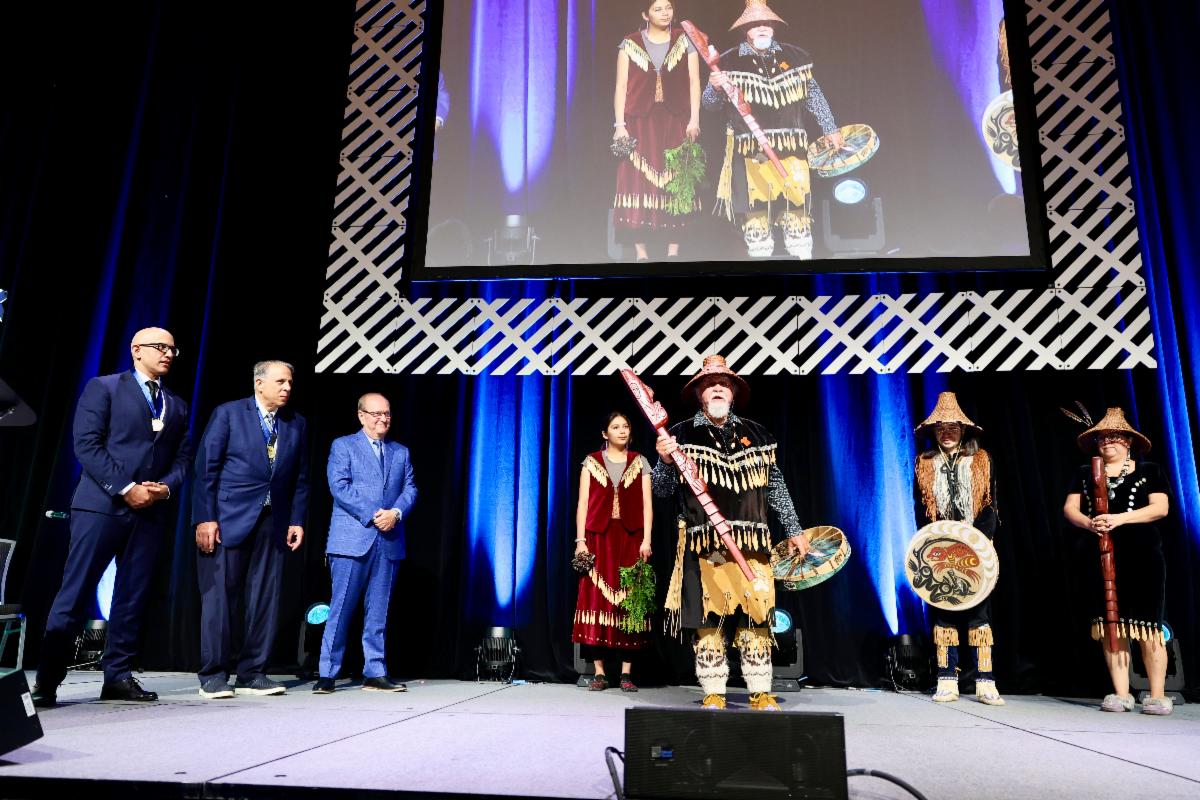
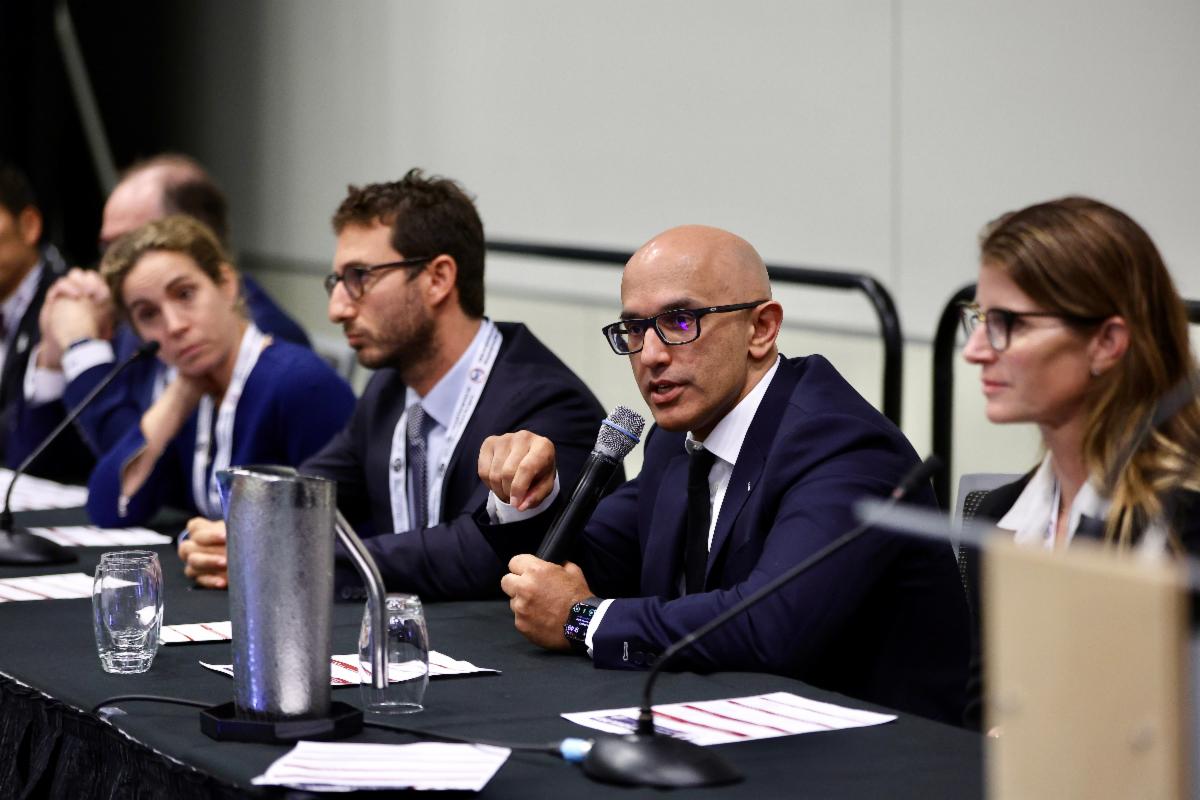
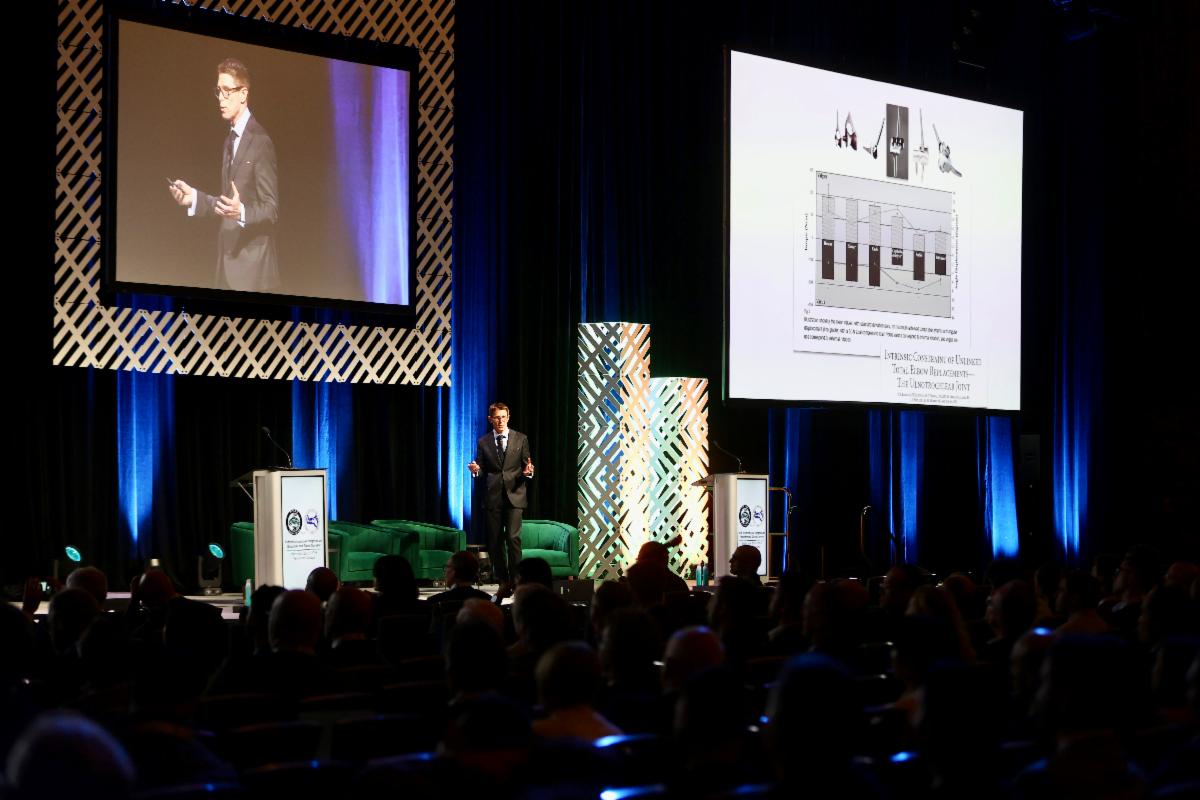
We have just returned from ICSES 2026 in Vancouver, where ASES had the privilege of serving as host society.
More than 2,300 people came together from more than 65 countries, with 357 invited speakers, 237 video presenters, 569 e-posters and unique research contributions, and more than 125 educational sessions.
Those numbers are impressive, but what I will remember most is the energy of the international shoulder and elbow community coming together in one place.
For several days, we shared research, challenged each other's thinking, learned new techniques, and reconnected with colleagues and friends from around the world.
It was an extraordinary meeting, and I am deeply grateful to everyone who helped make it happen. In particular, I want to recognize Eric Ricchetti, Andy Jawa, and Sara Edwards, whose leadership was instrumental in developing the International Day program.
Because ASES was hosting ICSES in Vancouver this year, we made the decision to defer our traditional October Annual Meeting. Instead, we will hold our Virtual Business Meeting in the middle of October, where we will conduct the necessary Society business and leadership transitions.
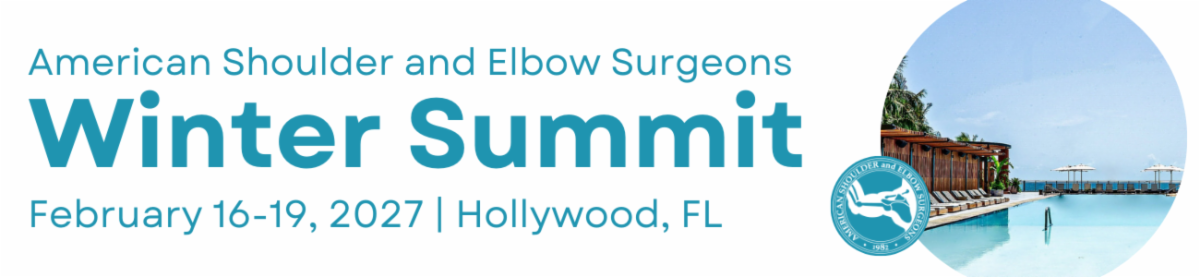
Our Annual Meeting, however, is not going away. Many of the lectures, awards, and traditional functions of our Annual Meeting will be incorporated into the inaugural ASES Winter Summit, February 16–19, 2027, in Hollywood, Florida.
The Winter Summit will be an Open Meeting, welcoming everyone with an interest in shoulder and elbow surgery—not only ASES members, but fellows, residents, advanced practice providers, therapists, researchers, and others who contribute to the care of our patients.
The program has been designed to offer a different meeting experience, with opportunities for education, research, networking, and collaboration. We are particularly excited to welcome Canada as our Guest Nation, continuing the spirit of international collaboration that was such an important part of ICSES.
Our Presidential Guest Speaker will be Dr. Mohit Bhandari. The program will also feature three of our signature lectures: the Neer Lecture, delivered by Dr. Joseph Iannotti; the Codman Lecture, delivered by Dr. Evan Flatow; and the Morrey Lecture, delivered by Dr. Joaquin Sanchez-Sotelo. An Advanced Elbow Post-Course will provide an additional opportunity for focused education in an area of growing importance within our specialty.
The format may be different, but the purpose remains the same: bringing people together to learn, connect, and advance shoulder and elbow care.
Special Recognition: Our Treasurers
As we recognize leadership transitions this year, I want to give special recognition to Dr. Charlie Getz and Dr. Julie Bishop for their extraordinary contributions as ASES Treasurers.
Several years ago, under the leadership of past president Dr. Xavier Duralde, Dr. Getz became involved in an effort to re-examine and strengthen the financial organization of ASES. His work significantly improved our financial reporting structure and helped establish a strong foundation for the Society's financial management and future success.
Dr. Getz also remained involved as the ASES Foundation was established in its infancy, helping guide its early development and overseeing the establishment of National Shoulder and Elbow Week.
Three years ago, Dr. Getz handed the reins to Dr. Julie Bishop, who has continued to do a marvelous job as Treasurer. Her leadership, financial management, and advice have helped propel both the Society and the Foundation forward and have provided important stability as our organizations have continued to grow and evolve.
I am deeply grateful to both Charlie and Julie for their dedication, their expertise, and the countless hours they have given to ASES. Their contributions may not always be visible to our members, but the strength of our Society and Foundation today is, in significant part, a reflection of their work.
Leadership Transition
As this year comes to a close, we will also see changes in our Board leadership.
On October 14, 2026, we will say farewell to Dr. Jed Kuhn, Past President; Dr. Julie Bishop, Treasurer; and Dr. Bob Tashjian, Member at Large, as they complete their Board service.
I want to thank each of them for their commitment, leadership, and countless contributions to ASES. Board service requires significant time and dedication, and our Society is stronger because of the work they have done.
At our Virtual Business Meeting on October 14, 2026, I will hand over the presidency to Dr. April Armstrong. Dr. John Sperling will then assume the position of President-Elect. Our new Vice President, selected by the Nominating Committee, and our new Member at Large will also be announced at that meeting.
We will also begin the transition of our Treasurer responsibilities to Dr. Brad Bushnell, who will take on this role over the next few years.
Leadership transition is an important part of a healthy organization. As some leaders complete their terms, others step forward to continue the work and bring new ideas and perspectives. This continuity, combined with a willingness to adapt, is one of the strengths of ASES.
Looking Back—and Looking Forward
When I think about this year, I am proud of the progress we have made.
But what has made this year so rewarding has been the people behind it.
Twenty-five ASES committees and task forces, together with our leadership and staff, have worked in concert throughout the year to advance the mission and vision of the Society, the Foundation, and our Family of Journals.
The members who took the time to complete surveys and share their ideas. The fellows and younger surgeons who bring such enthusiasm and energy to our specialty. The committee chairs and volunteers who give countless hours to ASES. Our staff, who make so much of what we do possible. And the many colleagues who have simply said, “How can I help?”
That is what makes ASES special.
As I come to the end of my presidency, I am proud of what we have accomplished, but I am even more excited about what lies ahead.
We have a strong strategic foundation. We have an engaged membership. We have talented young surgeons coming into our specialty. We have dedicated volunteers and staff. And we have a Society that is willing to listen, adapt, collaborate, and try new things.
This year has reinforced something I have believed throughout my career: change can be challenging, but it also creates opportunity.
My hope is that we continue to embrace that opportunity—to keep asking what our members need, what our patients deserve, and what our specialty will require from us in the years ahead.
It has been an incredible privilege to serve as your president.
I am grateful for the trust you placed in me, for the opportunity to work with so many remarkable people, and for everything we have accomplished together.
As my term comes to an end, I leave with tremendous gratitude for this year—and tremendous optimism for the future of ASES.
The best is yet to come.
|