|
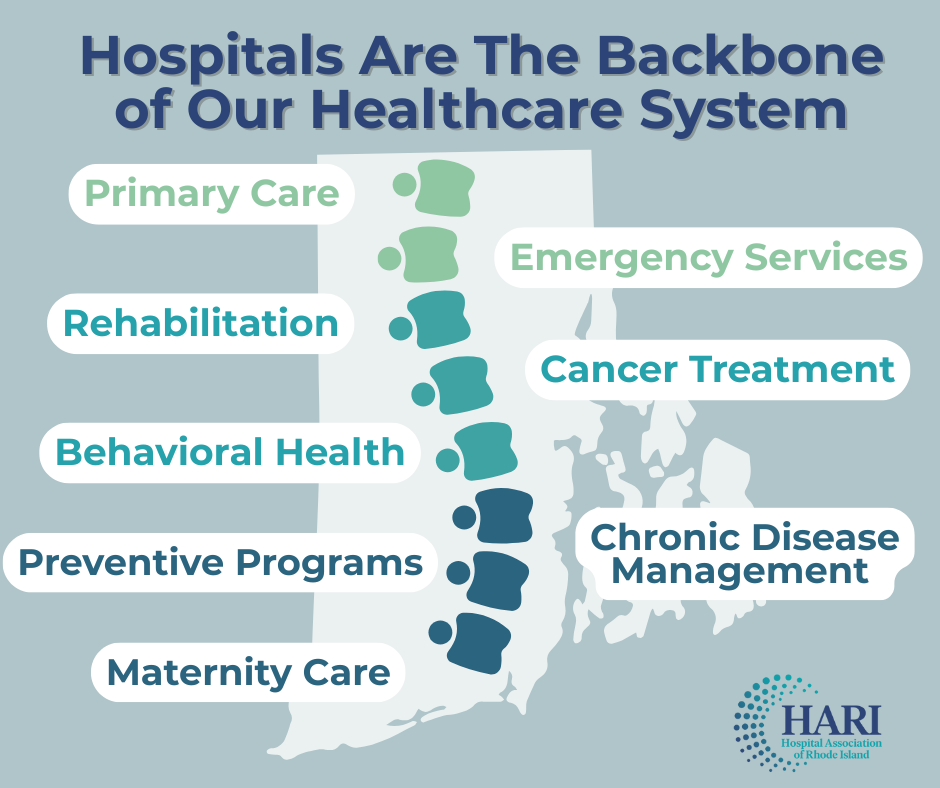
Without support from hospitals, many smaller practices and programs would be forced to close, leaving patients with fewer options for preventive care or specialized treatment.
But that backbone is under real pressure.
Hospitals continue to absorb rising costs for labor, supplies, medications and equipment, while payments from insurers and Medicaid continue to fall short of the actual cost to care. At the same time, thousands of Rhode Islanders may lose health coverage, driving more patients to emergency departments without the means to pay. When funding doesn’t keep pace, the consequences are clear: reduced access to care, strained healthcare workers, and weakened services in every corner of our state.
When hospitals are under strain, it’s felt throughout the entire system. Patients wait longer or must travel further for care. Nurses, doctors, and other healthcare workers are stretched to their limits. And essential programs are reduced or cut altogether.
Last year, state investments in hospital funding made a real difference. Those dollars helped steady our hospitals, kept essential services running, and protected thousands of jobs.
We’ve taken meaningful steps forward — and continued partnership is needed to ensure that progress isn’t lost.
|