|
Understanding Risky Behavior in Teens: What Kansas Communities Should Know
by Meagan Rico, MSN, RN, CHES
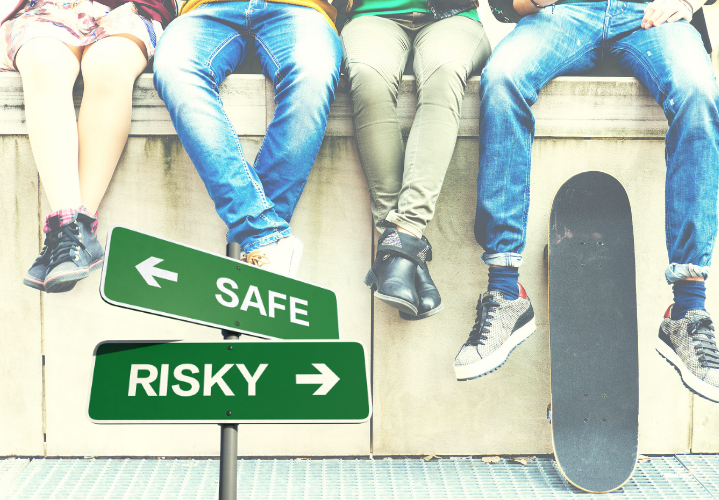
Many adults across Kansas are noticing changes in the behavior of teenagers. Schools, families, and communities are seeing more concerns related to mental health struggles, substance use, and unsafe situations involving violence or self-harm. These behaviors can feel sudden or confusing, but public health research shows they are not random.
Teen risk behaviors are signals. They tell us something important about stress, safety, and support.
This article shares what data tells us about teen risk behaviors in Kansas, why adolescence is a vulnerable time, and what communities can do to reduce harm and support young people.
Teen Mental Health Needs Are Growing
According to the Kansas Youth Risk Behavior Survey (YRBS):
- Nearly 1 in 5 Kansas high school students seriously thought about attempting suicide in the past year.
- About 1 in 6 students reported at least one suicide attempt.
These numbers show that many teens are struggling with strong feelings of sadness, stress, or hopelessness. Suicide is also one of the leading causes of death among young people in Kansas, especially teens and young adults.
Access to Weapons Increases Risk
YRBS data also shows that about 1 in 20 Kansas high school students carried a weapon on school property during the past month. Research consistently shows that access to firearms increases the risk of serious injury or death during moments of anger, fear, or emotional crisis.
Firearms are now one of the leading causes of death among children and teens in the United States. Safe storage plays an important role in preventing unintentional harm and suicide.
Substance Risks Have Changed
Substance use among teens has also become more dangerous. National data shows a sharp rise in teen overdose deaths in recent years, largely due to fentanyl, a very strong opioid that is often mixed into counterfeit pills.
Many teens believe they are taking a prescription pill when it may actually contain fentanyl. Even one pill can be deadly.
Kansas data shows that vaping remains common among high school students. While vaping may seem less risky to teens, it can increase nicotine addiction and expose youth to other substances over time.
Why Teens Are More Vulnerable to Risk
Teen brains are still developing. The part of the brain that helps with planning, impulse control, and decision-making does not fully mature until the mid-20s. At the same time, teens experience strong emotions and place a high value on peer relationships.
When this normal development is combined with:
- Social media pressure,
- Academic stress,
- Family financial strain,
- Limited access to mental health care,
- Exposure to violence or trauma,
Teens may take risks as a way to cope, seek connection, or escape emotional pain.
Risky behavior does not mean teens do not care. Often, it means they need more support.
What Helps Reduce Teen Risk Behaviors
Public health research shows that prevention works best when communities focus on connection, safety, and support.
Strong Relationships Matter
Teens who feel connected to at least one trusted adult are less likely to engage in risky behaviors. Coaches, teachers, mentors, family members, and community leaders all play a role.
Safe Storage Saves Lives
Storing firearms locked and unloaded, with ammunition locked separately, greatly reduces the risk of suicide and accidental injury among youth. Safe storage gives families time to respond during emotional crises.
Education Must Match Today’s Risks
Drug education needs to reflect current realities. Teens should understand that:
- Pills from friends or social media are unsafe,
- Fentanyl is common and extremely dangerous,
- Naloxone can save lives in overdose emergencies.
Access to Mental Health Support is Critical
Early support, school-based services, and clear referral pathways help teens get help before a crisis occurs. After a suicide or serious incident, communities also benefit from clear plans to support healing and prevent further harm.
Moving Forward Together
Teen risk behaviors are not a failure of families or schools. They reflect the challenges young people face today. By focusing on connection, safety, and early support, communities can reduce harm and help teens grow into healthy adults.
References
Centers for Disease Control and Prevention. (2022). Drug overdose deaths among persons aged 10–19 years — United States, July 2019–December 2021. Morbidity and Mortality Weekly Report, 71(50), 1576–1582.
Centers for Disease Control and Prevention. (2024). Suicide prevention: Risk and protective factors.
Centers for Disease Control and Prevention. (2024). Preventing firearm injury and death.
Kansas Department of Health and Environment. (2021). Kansas Youth Risk Behavior Survey (YRBS): High school results.
Kansas Health Institute. (2022). Suicide among adolescents and youths in Kansas.
Johns Hopkins Center for Gun Violence Solutions. (2024). State gun violence data: Kansas.
|