|
The Elephant in the Room
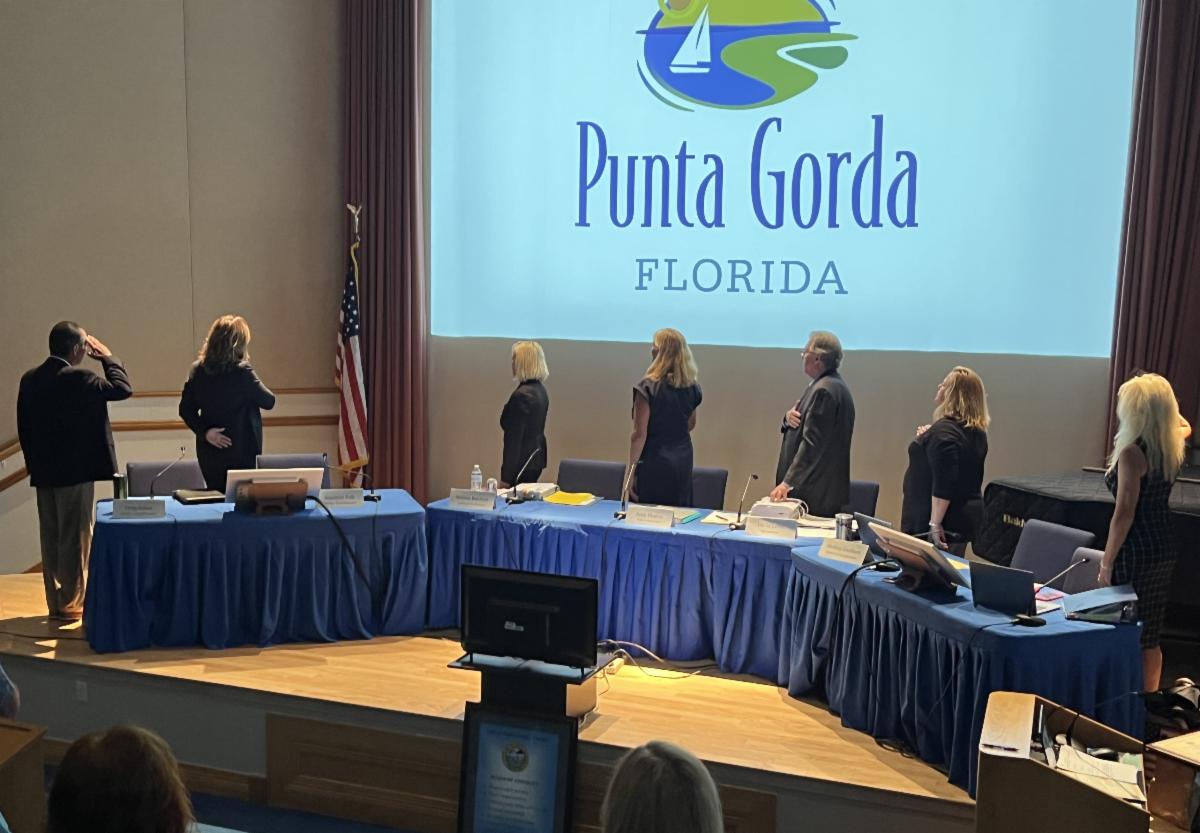
At the November 6th meeting, held just one day after the election, the outgoing council members brought forward a motion to grant the city manager a 20-week severance package—even if he chooses to quit or retire. I raised an objection, noting that this item was not included on the agenda and therefore should not be voted on. Despite my objection, the motion was introduced and passed with a 3-2 vote.
Follow-Up on the City Manager’s Contract and Resignation
An email was sent to the city attorney regarding the severance pay matter. His response stated:
“I am aware that the City Council has adopted a ‘policy’ regarding discussion and decision-making of matters that were not included on the City’s published Agenda. However, except for matters deemed by the Florida Legislature to require a properly noticed public hearing, there is no legal prohibition against actions taken by a local government without first appearing on a published Agenda.”
At the November 20th meeting, the contract was brought up again, as it was being challenged.
City of Punta Gorda Resolution 3759-2024 explicitly outlines in Section #2 that:
"The City Council may take action at any regular Council meeting on an item not contained in the published agenda only if: (a) the item is deemed an emergency matter, or (b) it is related to an agenda item and should properly be considered at the same time. An item meeting the criteria of (a) or (b) may be added to the agenda only after approval by a majority plus one of a quorum of the Council."
Clearly, no 4-to-1 supermajority vote occurred to add this item to the agenda on November 6th. Furthermore, there was no contract included on the agenda for review, and therefore the discussion and subsequent vote on severance pay violated the proper procedures. The meeting minutes confirm that the required process was not followed.
On November 11th, the city manager submitted a letter of resignation, stating his last day would be November 19th. While the other council members received the letter, I did not. During the November 20th meeting, the council unanimously agreed to accept his resignation.
Right after the November 6th meeting, I requested a copy of the new contract for review review but did not receive it until after the November 20th meeting had concluded. Upon receiving it, I immediately sent an email to the city attorney outlining the following concerns:
- The contract is not a simple addendum; it appears to be an entirely new contract with significant changes.
-
Section 4: Termination, Notice, and Severance:
-
A. Resignation: Added provisions (#1, #2, and #3) that were not approved by the council. The original provision #2 was renumbered as #4.
-
B. Termination by the City: The original wording in Section 2(a) was removed.
- The meeting minutes from November 6th reflect a 3-2 vote approving a 20-week severance which did not meet the required supermajority threshold.
- The contract also added a new provision that was never discussed or approved during the council meeting: "The City shall continue to pay for the premium necessary to provide Employee group medical insurance and life insurance during the period he receives severance."
Additionally, the new contract was neither reviewed nor signed by the city attorney, despite his involvement with Mr. Murray’s 2020 contract. I requested clarification on why this occurred.
The city attorney’s response to my concerns included the following:
"Council-Member Denton moved to accept Mr. Murray’s resignation and, in support of her motion, stated, 'We should cut our losses, let him have his money because I do not think we can win on this.' Council-Member Julian seconded the motion. The motion was approved unanimously. The City Council’s action suggests that this motion supersedes the prior vote concerning the reconsideration of the City Council’s action taken on November 6, 2024.”
This response was unexpected. Upon reviewing the city manager’s resignation letter I also received after the November 20th meeting, I found the following statement:
"My intent was to work at least another year for the City to help reach the goals and make Council and staff successful. A five-year plan."
This statement raises further concerns. It suggests that the city manager intended to remain employed just long enough to become vested in the new five-year defined retirement benefit program—a program he played a significant role in persuading the other four council members to approve (I opposed this program).
I will leave it to you to decide what you think about this situation.
|