Faithful Stewardship of the Parsonage:

A United Methodist Approach to Long-Term Rental

Rev. Dr. David S. Bell


In the United Methodist tradition, the parsonage has long served as more than just a house. The parsonage has been a symbol of care for clergy and a shared commitment to the ministry of the local church. By providing a residence for the appointed pastor, congregations participate in a connectional covenant that makes pastoral ministry more flexible, sustainable, and equitable across diverse settings.


However, a parsonage may not be needed for clergy housing at certain times in the life of the church. Perhaps the appointed pastor already owns a home nearby or chooses, with the appointive cabinet’s support, to live in a different residence. In such cases, many congregations are asking an important question: How can we make faithful and financially responsible use of our parsonage while not being used for its traditional purpose?


For United Methodist churches in this position, renting the parsonage on a long-term basis can be a viable and responsible stewardship strategy. It allows congregations to generate income to support their ongoing ministries while preserving the property for future use. This decision must be made with care by respecting legal requirements, honoring our connectional commitments, and keeping the church’s mission at the center.


Read Full Article & Download Our Checklist for Renting

A Fresh Coat of Hope: How Sherwin-Williams "Paint it Forward Initiative is Transforming Communities One Brush Stroke at a Time


In a time when faithful stewardship and value-aligned investing are shaping the future of generosity, Sherwin-Williams is setting a powerful example of corporate citizenship through its “Paint It Forward” initiative. Designed to uplift and inspire, this prosocial effort is bringing real change to neighborhoods across the country – not through big checks or headlines, but with brushes, ladders, and open hands.


Paint It Forward is a movement grounded in the belief that everyone deserves to live in spaces that reflect dignity and care. In 2025, more than 100 projects across the country are being completed as part of this third annual effort. Each project is selected for its potential to spark hope and healing within communities – whether it’s repainting schools, shelters, or service facilities.


Read Full Article Here

From Weary to Wholehearted: A Day of Rest and Renewal

Rev. Gary Step, Sr. Director of Leadership


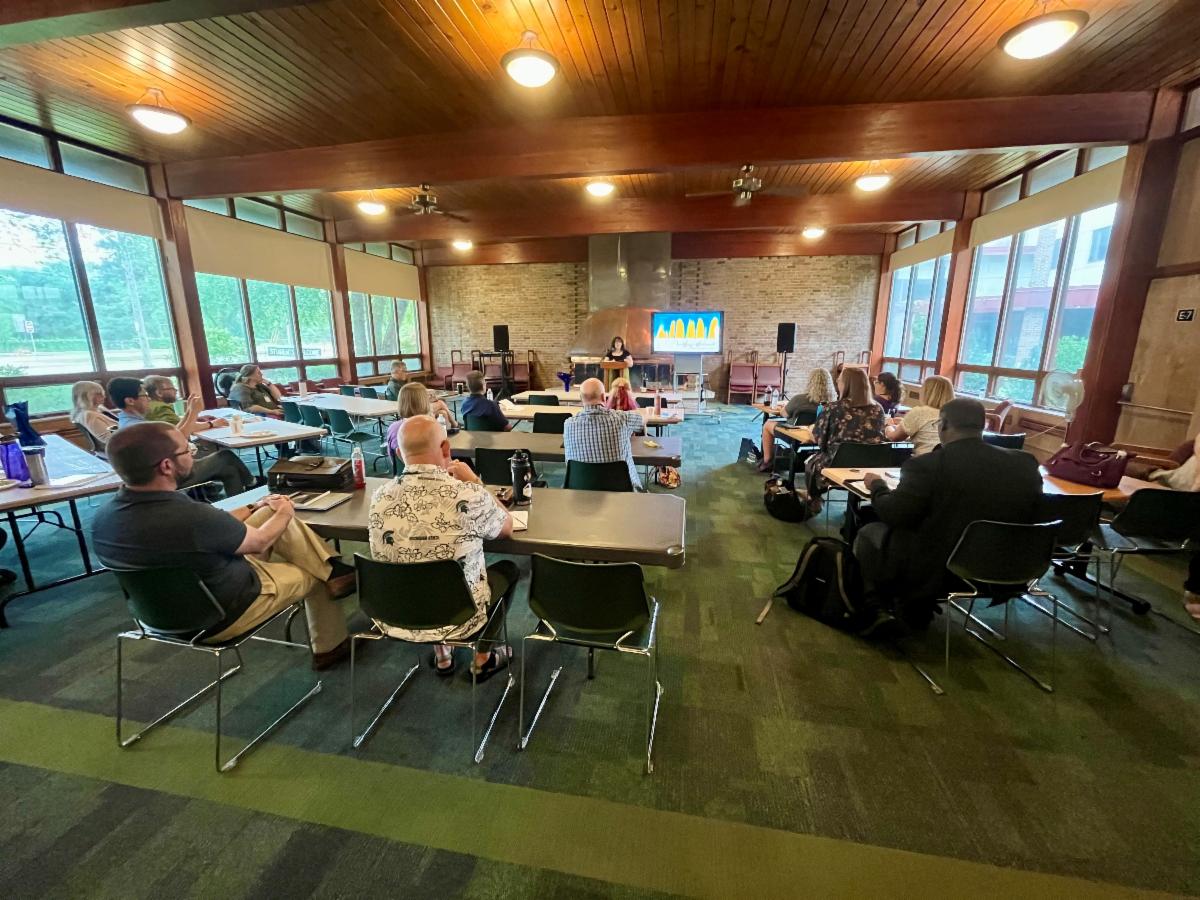
On August 21, clergy from across Michigan convened at University UMC in East Lansing for a rejuvenating retreat. Led by Rev. Callie Swanlund, an Episcopal priest, the day was inspired by Jesus’ invitation in Mark 6:31, “Come away and rest a while.”


Participants intentionally set aside the demands of ministry to take a deep breath, connect with each other, and nourish their souls. Throughout the day, Callie shared practical tools and gentle wisdom to guide those present from weariness, toward joy, purpose, and wholehearted living. Participants reflected on the value of short, intentional retreats, the necessity of preparing for what lies ahead, and the courage to ignite their own passion.


Perhaps the essence of the day was captured in this insight: Whether you’re feeling burned out or just need a moment to pause, you can discover a wealth of soul-renewing treasures from Callie that can be implemented immediately.


It is our hope that the lessons learned continue to resonate and others in ministry can find opportunities to “retreat” frequently, even if only for a brief moment.


Check out Callie’s book, From Weary to Wholehearted: A Restorative Resource for Overcoming Clergy Burnout.

SWOTS UP? Planning Tools for Ministry

Rev. Joel Fitgerald, Sr. Director of Church Relations


My son recently started Cub Scouts, and one of his requirements involves using maps. Paper maps. Ones that might fold. Not GPS. Using a paper map is a new experience for him, and a muscle that has atrophied for me. It requires locating ourselves on the map and making sure that it accords with where we are in the real world. We could have the best maps and the easiest route, but if we do not know our current location and situation, we will not get far. 


In strategic planning, knowing where we are is just as crucial as it is in orienteering. We cannot plan out a realistic path forward if we do not have an honest understanding of where we are right now. 


In the planning world, one of the tools to help an organization see its current reality is called SWOT-- short for Strengths, Weaknesses, Opportunities, and Threats. 


Read More

Investing.Serving.Transforming

Facebook  Instagram  LinkedIn