Controversies on the effectiveness of spinal cord stimulation continue. Recently Drs. Manchikanti, Sanapati, and Hirsch wrote a response to the JAMA article (Response), JAMA Randomized Controlled Trial Comparing Spinal Cord Burst Stimulation Versus Placebo Stimulation with Lack of Effectiveness (Full Article).
Drs. Manchikanti, Sanapati, and Hirsch describe multiple issues that limit the generalizability of this randomized clinical trial, specifically in the United States.
|
|
Recently, Dhruva et al published an article on Long-Term Outcomes in Use of Opioids, Nonpharmacologic Pain Interventions, and Total Costs of Spinal Cord Stimulators Compared with Conventional Medical Therapy for Chronic Pain, showing no difference (click here to read the full article).
In response Drs. Manchikanti, Sanapati, and Hirsch sent a Letter to the Editor pointing out various issues related to this study and potential reasons (click here to read the letter).
|
|
Novitas and First Coast Services have not issued their policies nor have they participated in multijurisdictional committee and have not issued a policy.
You can use this algorithmic approach whenever you see your patients by utilizing these checklists for each patient prior to performing epidural steroid injections and facet joint interventions.
|
|
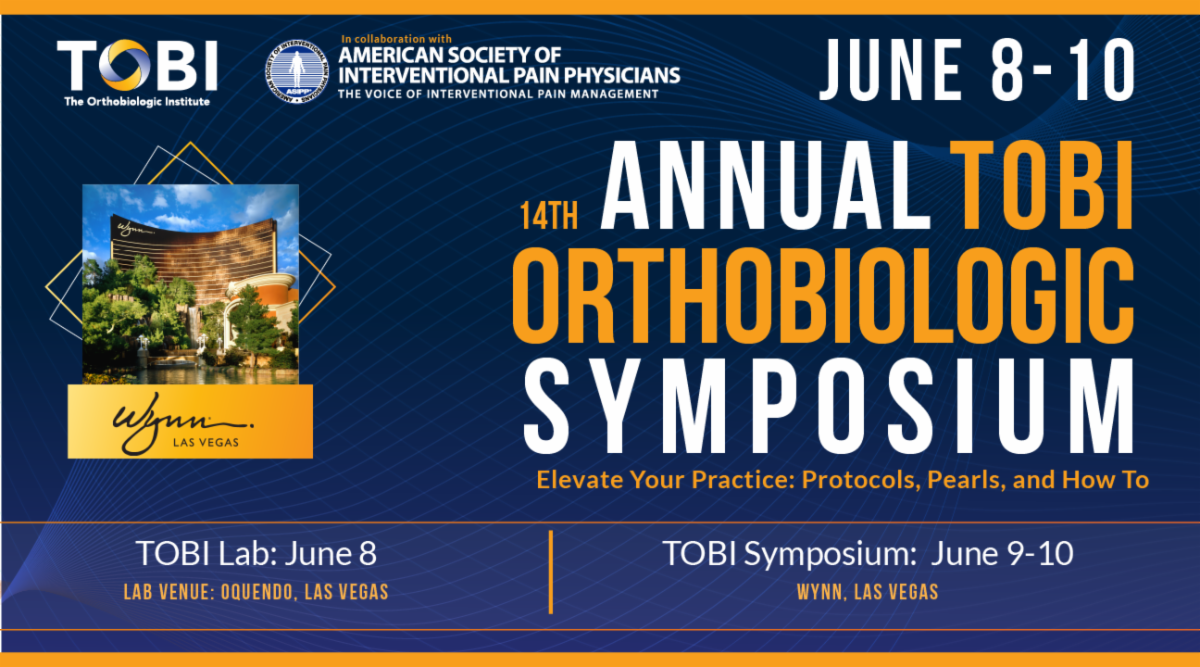
SAVE THE DATE
Agenda and registration information coming soon!
|
|
ASIPP has been actively addressing recent coverage issues through letter correspondence to various agencies. The issues and letters include the following:
AIM published new guidelines effective 04/09/2023. Owned by Anthem, Inc (ANTM), the AIM guidelines are utilized by multiple insurers. ASIPP has addressed the guidelines with a comment letter on the guidelines for Appropriate Use Criteria: Interventional Pain Management. Our comments were related to paravertebral facet joint injection/medial branch nerve block/neurolysis/therapeutic facet joint interventions.
We are requesting LCD reconsideration requests to all of the Medicare Contractors for the LCD covering Facet Joint Interventions for Pain Management.
ASIPP immediate past president, Amol Soin, sent a letter to Cigna on February 7 addressing their Medical Policy Update on Peripheral Nerve Block Procedures (for trigeminal and occipital neuralgia) which considering them experimental, investigational, or unproven, with an efficacy date of April 18th, 2023. In the letter, we ask that the policy update restricting the use of peripheral nerve blocks be re-evaluated and modified. We recommended that these procedures continue to be covered and we find the characterization of these procedures to be experimental or investigational to be inaccurate.
|
|
Clinicians deserve a slight bump in Medicare pay because of rising practice costs, an influential federal advisory panel said this week. Physician groups largely lauded the recommendation — but some say it doesn't go far enough.
In its annual report to Congress, the Medicare Payment Advisory Commission (MedPAC) calls for a 1.45% increase for 2024 in the base rate used in the physician fee schedule.
MedPAC said this should be a permanent increase. It would replace a 1.25% temporary increase in the 2024 physician fee schedule, part of a massive spending package passed in December.
|
|
The Framingham Heart Study
Background:
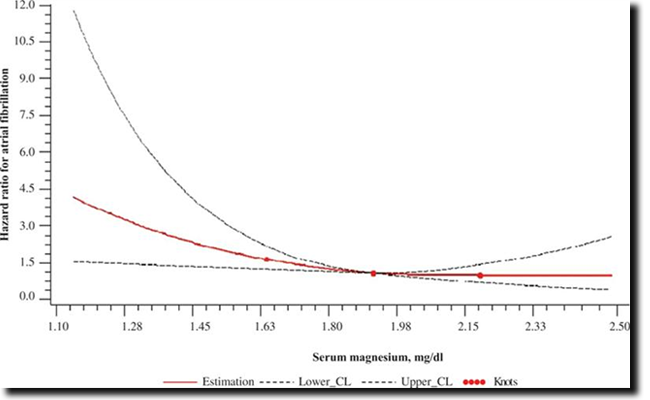
Low serum magnesium has been linked to increased risk of atrial fibrillation (AF) after cardiac surgery. It is unknown whether hypomagnesemia predisposes to AF in the community.
Methods and Results:
We studied 3530 participants (mean age, 44 years; 52% women) from the Framingham Offspring Study who attended a routine examination and were free of AF and cardiovascular disease. We used Cox proportional hazard regression analysis to examine the association between serum magnesium at baseline and risk of incident AF. Analyses were adjusted for conventional AF risk factors, use of antihypertensive medications, and serum potassium. During up to 20 years of follow-up, 228 participants developed AF. Mean serum magnesium was 1.88 mg/dL. The age- and sex-adjusted incidence rate of AF was 9.4 per 1000 person-years (95% confidence interval, 6.7–11.9) in the lowest quartile of serum magnesium (≤1.77 mg/dL) compared with 6.3 per 1000 person-years (95% confidence interval, 4.1–8.4) in the highest quartile (≥1.99 mg/dL). In multivariable-adjusted models, individuals in the lowest quartile of serum magnesium were ~50% more likely to develop AF (adjusted hazard ratio, 1.52; 95% confidence interval, 1.00–2.31; P=0.05) compared with those in the upper quartiles. Results were similar after the exclusion of individuals on diuretics.
|
|
ABIPP Part I; ABIPP Path - Combined DCCPM/CSM virtual exam; ABIPP Competency Exam in IPM; ABIPP Competency Exam in Regenerative Medicine
ABIPP Part II; ABIPP Competency Exam - Practical Portion; ABIPP Regenerative Medicine Competency Exam - Practical Portion
|
|
Shorter visits between patients and their primary care physicians may be associated with a higher likelihood of inappropriate prescribing, researchers have found.
The study, published online March 10 in JAMA Health Forum, found that as the duration of visits decreased, doctors more often wrote unwarranted prescriptions of antibiotics for upper respiratory tract infections. They also were more likely to coprescribe opioids and benzodiazepines for patients with pain-related diagnoses, which can increase the risk of a life-threatening overdose.
"Whether it's patients or whether it's doctors, everyone feels like they don't get enough time together," said Hannah Neprash, PhD, assistant professor at the University of Minnesota School of Public Health and lead author of the study. "So, I really wanted to understand how important that is for the quality of care people get."
|
|
- ASIPP Members Only Site Information - |
|
-
To log in for the first time you will need to click “forgot password” at the bottom of the login window.
- Check your email and then log in as directed.
-
If you have problems logging into your account, click here.
|
|
Pain Medicine Case Reports (PMCR) and Editor-in-Chief Alaa Abd-Elsayed, MD, PhD would like to invite you to submit case reports and case series to the PMCR journal. Your article will be published free of charge.
Open access journals are freely available online for immediate worldwide open access to the full text of published articles. There is no subscription fee for open access journals. Open access journals are no different from traditional subscription-based journals: they undergo the same peer-review and quality control as any other scholarly journal.
Interested in becoming a member of the PMCR Editorial Board?
Editorial board members are asked to review 2-6 manuscripts per year. Please submit your most up-to-date CV to sgold@asipp.org for consideration.
For more information or to submit your articles, click here.
|
|
| CASE REPORT |
Brian Lee, MBA, Jovan George, DO, Briana Novello, DO, and Ravneet Bhullar, MD
Abstract
BACKGROUND: Botulinum toxin injections have been increasingly used in the treatment of different painful conditions, including thoracic outlet syndrome (TOS). Guidelines to manage adverse effects or toxicity from botulinum toxin injections in these cases are not well established.
CASE REPORT: A female patient in her forties with bilateral arm pain secondary to bilateral neurogenic TOS (NTOS) presented to the pain clinic for botulinum toxin injections to the scalene muscles. Several hours after receiving the injections, the patient experienced dysphagia, hoarseness, and facial paresthesia suspicious for botulinum toxicity. She was administered pyridostigmine for symptom management and for approximately one month until symptom resolution.
CONCLUSIONS: To our knowledge, this is the first case report to discuss the presentation of botulinum toxicity and its management following botulinum toxin injections for pain relief in bilateral NTOS. Botulinum toxicity may be managed with pyridostigmine with some benefit, but further research is needed to establish guidelines.
KEY WORDS: Botulinum toxin injection, botulinum toxicity, pyridostigmine, thoracic outlet syndrome
|
|
| OBSERVATIONAL STUDY |
Nantthasorn Zinboonyahgoon, MD, Niruji Saengsomsuan, MD, Naruechit Chaikittiporn, MD, Suratsawadee Wangnamthip, MD, Chayanis Kositamongkol, PharmD, and Pochamana Phisalprapa, MD, PhD
Abstract
BACKGROUND: Spinal cord stimulation (SCS) is an effective treatment for chronic refractory pain. The evidence of pain reduction, improvement of function, quality of life, and cost-effectiveness are strong in developed countries. Nevertheless, there is still a lack of economic studies of SCS in the context of low- and middle-income countries.
OBJECTIVES: To evaluate the cost-effectiveness and cost-utility of additional SCS to conventional management (CMM) in patients with chronic refractory pain in Thailand.
STUDY DESIGN: Prospective observational study.
SETTING: The pain clinic at Siriraj Hospital, a tertiary care center in Thailand.
METHODS: This study recruited patients undergoing SCS implants due to refractory pain to CMM from varieties of conditions and followed up to 36 months. The clinical outcomes, quality of life, and costs of treatment were collected before and after SCS implantation. A decision tree and Markov model were developed to estimate the total lifetime costs and health benefits of SCS using a societal perspective. The results were presented as an incremental cost-utility ratio (ICUR) in 2021 Thai Baht (THB) per quality-adjusted life year (QALY) gained and an incremental cost-effective ratio (ICER) in 2021 THB per numeric rating pain score (NRS) reduction.
RESULTS: Twenty-nine patients who underwent SCS implantation reported pain intensity and increased utility at every point in time. Compared to pre-implantation, the QALY gained in both rechargeable and non-rechargeable SCS was 2.13 QALYs. The economic analysis showed the ICUR in the rechargeable and non-rechargeable SCS + CMM group was 660,106.96, and 620,120.59 THB/QALY gained, respectively, which was higher than Thais’ willingness-to-pay (WTP) threshold at 160,000 THB/QALY gained. Pain score reduction was 2.49/10 at the 3-year point, and the ICER was 496,932.08 and 337,341.77 THB/NRS reduction for rechargeable and non-rechargeable SCS, respectively.
LIMITATIONS: As this is a single-center prospective cohort study, the results might be subject to selection bias and may not truly represent all patients from a developing country. The cost-effectiveness results should also be carefully interpreted for generalizability.
CONCLUSION: Spinal cord stimulation is effective in pain control and improves the quality of life for patients with chronic refractory pain. However, the ICUR of SCS is above the WTP, leading to the interpretation that SCS is still not a cost-effective treatment in the current context in Thailand.
KEY WORDS: Spinal cord stimulation, effectiveness, quality-adjusted life year, incremental cost-utility ratios, cost-utility analysis, cost-effectiveness analysis, willingness to pay, developing country
|
|
| RETROSPECTIVE STUDY |
Xin Li, MD, Bin Pan, MD, Lin Cheng, PhD, Gen Li, MD, Jian Liu, MD, and Feng Yuan, MD
Abstract
BACKGROUND: Recurrence of lumbar disc herniation (LDH) is an adverse event after percutaneous endoscopic transforaminal discectomy (PETD). Accurate prediction of the risk of recurrent LDH (rLDH) after surgery remains a major challenge for spine surgeons.
OBJECTIVES: To develop and validate a prognostic model based on risk factors for rLDH after PETD.
STUDY DESIGN: Retrospective study.
SETTING: Inpatient surgery center.
METHODS: Clinical data were retrospectively collected from 645 patients with LDH who underwent PETD at the Affiliated Hospital of Xuzhou Medical University from January 1, 2017 to January 1, 2021. Predictors significantly associated with rLBH were screened according to least absolute shrinkage and selection operator (LASSO) regression, and a prognostic model was established, followed by internal model validation using the enhanced bootstrap method. The performance of the model was assessed using receiver operating characteristic (ROC) curves and calibration curves. Finally, the clinical usefulness of the model was analyzed using decision curve analysis (DCA) and clinical impact curves (CICs).
RESULTS: Among the 645 patients included in this study, 56 experienced recurrence of LDH after PETD (8.7%). Seven factors significantly associated with rLDH were selected by LASSO regression, including age, type of herniation, level of herniation, Modic changes, Pfirrmann classification, smoking, and history of high-intensity physical work. The bias-corrected curve of the model fit well with the apparent curve, and the area under the ROC curve was 0.822 (95% confidence interval, 0.76-0.88). The DCA and CIC confirmed that the prognostic model had good clinical utility.
LIMITATIONS: This is a single-center study, and we used internal validation only.
CONCLUSIONS: The prognostic model developed in this study had excellent comprehensive performance and could well predict the risk of rLDH after PETD. This model could be used to identify patients at high risk for rLDH at an early stage to individualize the patient’s treatment modality and postoperative rehabilitation plan.
KEY WORDS: Recurrent lumbar disc herniation, prognostic model, percutaneous endoscopic transforaminal discectomy, individualized treatment
|
|
ASIPP is now in collaboration with Curi Medical Liability Program
Since this malpractice insurance program officially launched in November 2018, ASIPP has signed up hundreds of providers with an average savings of 30%. This is professional liability insurance tailored to our specialty and will stand up for us and defend our practices.
Curi is a full-service advisory firm that serves physicians and their practices. Their valued advice is grounded in your priorities and elevated in your outcomes. They are driven by a deep understanding of your specific circumstances in medicine, business, and life. To read a few important points to keep in mind about the program, including discounts, administrative defense, cyber coverage, aggressive claims handling, and complimentary risk management CME activities, visit our website.
|
|
ASIPP® has formed a partnership with Henry Schein and PedsPal, a national GPO that has a successful history of negotiating better prices on medical supplies and creating value-added services for independent physicians. Working with MedAssets, PedsPal provides excellent pricing on products like contrast media that alleviate some of the financial pressures you experience today.
|
|
ASIPP® is now offering our members the benefit of a unique revenue cycle management/ billing service.
We have received a tremendous amount of interest in the ASIPP® billing and coding program.
Click here to learn more about the negotiated rate for practices and more!
|
|
|
up-to-date news related to you, your practice, and your patients!
|
|
|
|
|
|
|