|
|
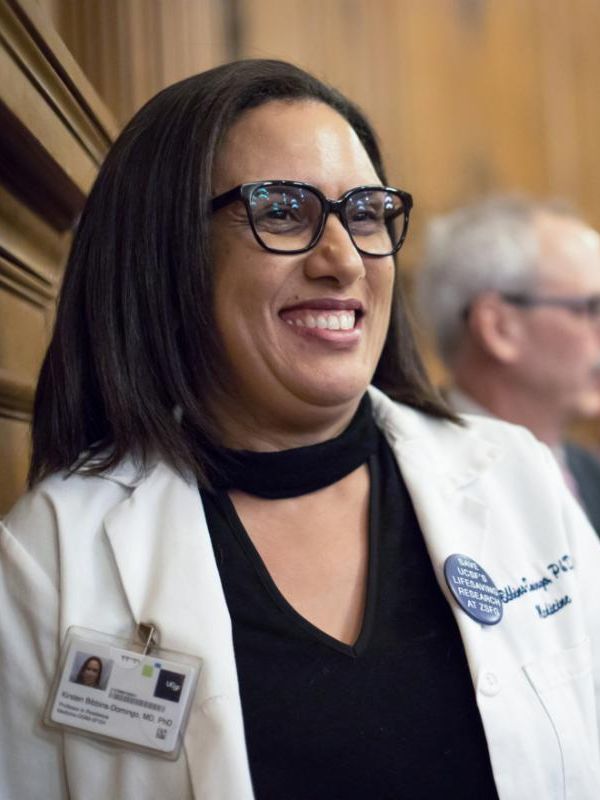
Dare I say it feels almost like spring? Some research is returning to campus – although most of our department will continue to work remotely through September. We recently gained one new faculty member, and more than one worthy research project earned new funding. Our publications continue at a Kentucky Derby-worthy pace. But spring this year is also bittersweet, and I’m sad to announce that John Witte is leaving us for Stanford effective this summer. I hope you are enjoying the good weather and making plans for the summer. I look forward to returning to some of our familiar pre-pandemic activities and to seeing some of you soon in-person!
- Kirsten
|
|
|
|
|
|
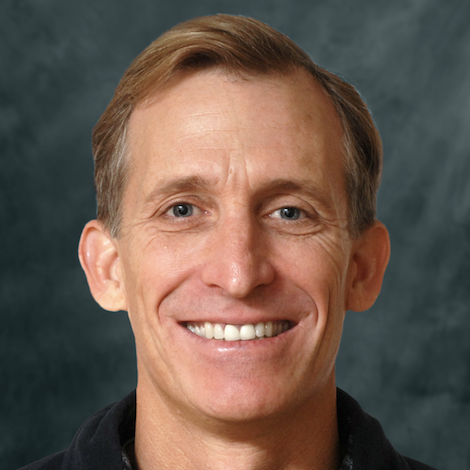
John Witte will be leaving us to join the Stanford Departments of Epidemiology and Population Health and Biomedical Data Science this summer, after nearly 18 “great years” in our department. He will continue to collaborate on research projects and to teach and mentor at UCSF. John has been the chief of the cancer epidemiology division for many years and the vice-chair for faculty development. The department is better for his considerable contributions, and we wish him much success in his new position.
|
|
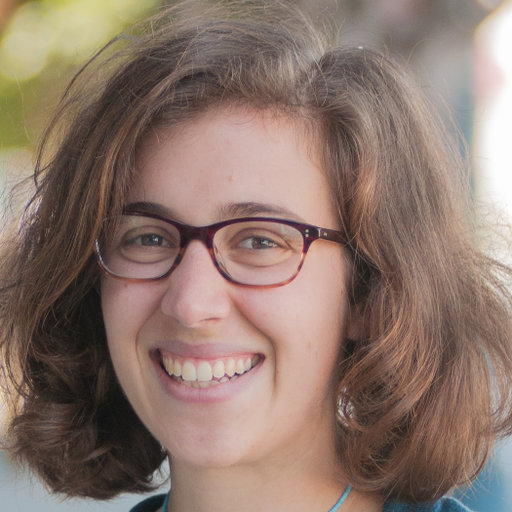
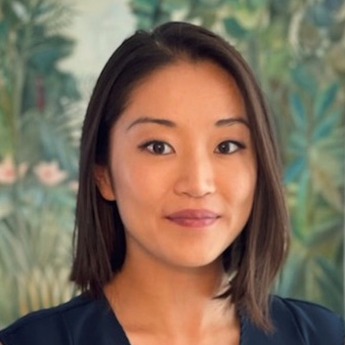
Alison Cohen joined the department as new faculty. Previously she was an assistant professor of public and nonprofit administration at the University of San Francisco. Alison uses epidemiology tools to do community-based participatory research on health inequities. Her current research includes a randomized controlled trial of a school-based civics education intervention to assess potential effects on adolescent health, a research-practice partnership with a community organizing group for Latina immigrant women in the Bay Area, and a national longitudinal cohort study of COVID-19 pandemic experiences of college students.
|
|
|
|
|
Isabel Elaine Allen recently received a three-year, $800,000 grant from the Hewlett Foundation to investigate how open education resources are changing the way K-12 and higher education are incorporating equity and inclusion into courses and institutional strategies and practices. The work will cover all disciplines and include administrators, faculty and students.
|
|
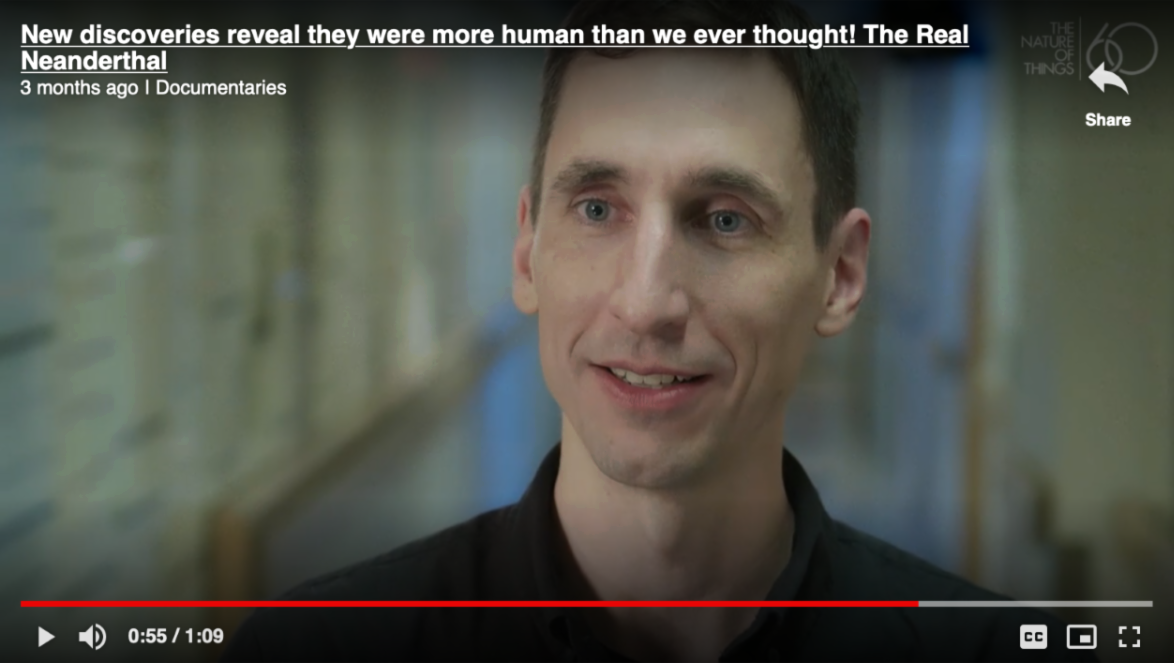
Tony Capra recently appeared in a Canadian Broadcasting Corporation documentary on Neanderthals, called “The Real Neanderthal.” It can only be streamed in Canada at present, but it may become available in the U.S. Stay tuned!
|
|
|
|
|
Jean Feng and Romain Pirracchio received a grant from the UCSF-Stanford CERSI program to investigate safe algorithmic change protocols for modifications to AI/ML-based software considered as a medical device. The work will be done in close collaboration with Berkman Sahiner and Alexej Gossmann from the US FDA.
|
|
Robert Hiatt, as PI for the NIH All of Us Research Program, has relaunched seeing participants at UCSF Mission Bay. UCSF patients can sign up at Joinallofus.org to share electronic health records, health surveys, donate blood samples, and receive genetic analysis. UCSF researchers are invited to access the All of Us Research Hub to review and analyze cohort data now available to 280 participating institutions.
|
|
|
Two of our PhD students – Alice Guan and Eduardo Santiago-Rodriguez – recently received F31 grants. Alice’s project is called, “A lifecourse approach to evaluating the effect of structural stigma on cancer risk factors among sexual minorities,” and Eduardo’s is “The Social Environment and Colorectal Cancer in the United States.” Congratulations!
|
|
The Vittinghoff award, launched in honor of Professor Eric Vittinghoff, recognizes methodologically innovative work in epidemiologic, clinical, or translational research by current or recent trainees of the Department of Epidemiology and Biostatistics. Nominations are open to participants or recent graduates of the ATCR, MAS, ImS, and PhD programs. The deadline is July 1 – check the website for more details!
|
|
News highlights from the website
|
|
Communications tip
Want your paper to have its maximum impact? Then avoid jargon and acronyms – and define any acronyms you do use. It’s not just non-scientists who prefer plainer language; it’s also your peers and your funders! This week, a University of North Carolina pharmacist with experience on study groups at the National Institutes of Health advised via Twitter: “We all use acronyms - limit them & define w/ 1st use. Use common 1s. Too many acronyms = poor readability.” And a peer-reviewed paper recently found that among more than 20,000 papers, those that contained higher proportions of jargon in their titles and abstracts were cited less frequently by other researchers. Turns out that even among scientists, many don’t have ready familiarity with the acronyms and jargon you use in your specific area of research.
|
|
Cancer disparities impacting AAPI communities and the rise in racism against Asian Americans |
|
Evaluating the impact of malaria control interventions on birth outcomes |
|
UCSF Dementia Day: Clinical, community and population-based research |
|
A Randomized Study to Assess the Effect of Including the Graduate Record Examinations (GRE) Results on Reviewers Scores for Underrepresented Minorities.
Kristina V Dang, Francois Rerolle, Sarah F Ackley, Amanda M Irish, Kala M Mehta, Inez Bailey, Elizabeth Fair, Cecily Miller, Kirsten Bibbins-Domingo, Eva Wong-Moy, M Maria Glymour, Meghan D Morris.
Am J Epidemiol. 2021 Mar 18.
|
|
Anterior cruciate ligament abnormalities are associated with accelerated progression of knee joint degeneration in knees with and without structural knee joint abnormalities: 96-Month Data from the Osteoarthritis Initiative.
Gersing AS, Schwaiger BJ, Nevitt MC, Joseph GB, Feuerriegel G, Jungmann PM, Guimaraes JB, Facchetti L, McCulloch CE, Makowski MR, Link TM.
Osteoarthritis Cartilage. 2021 Mar 25.
|
|
Anticoagulant treatment satisfaction with warfarin and direct oral anticoagulants for venous thromboembolism.
Fang MC, Go AS, Prasad PA, Hsu JW, Fan D, Portugal C, Sung SH, Reynolds K.
J Thromb Thrombolysis. 2021 Apr 8.
|
|
|
|
|
|
|