Disability Pride Month: Celebrating Strength, Identity and Inclusion
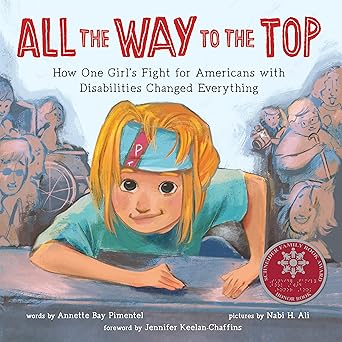
In July, we recognize Disability Pride Month—a time to celebrate the contributions, resilience, and rich diversity of people with disabilities. Rooted in the landmark passage of the Americans with Disabilities Act (ADA) on July 26, 1990, this month is more than just a celebration. It’s a movement. It’s a reminder of how far we’ve come, and how far we still have to go.
What Does Disability Pride Mean?
Disability Pride is about embracing disability as a natural and valuable part of human diversity. It challenges the outdated notion that disabilities are something to be ashamed of or hidden. Instead, it encourages people to stand tall in their identities—and invites the rest of the world to listen, learn, and show up as allies.
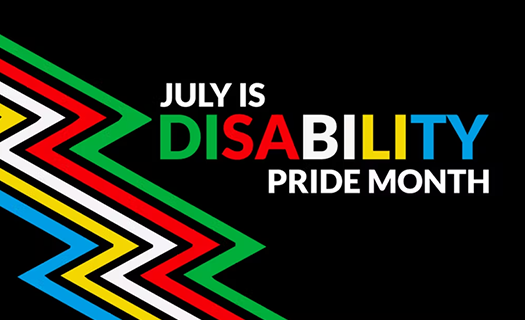
The Disability Pride flag, redesigned in 2021 for greater accessibility, symbolizes this diversity. The zigzag design represents how disabled people creatively navigate barriers, while each color highlights a different aspect of disability—physical, sensory, intellectual, psychiatric and invisible.
Names we should know
Temple Grandin
An autistic professor of animal science, Grandin revolutionized the livestock industry and became one of the most influential voices in neurodiversity and autism acceptance.
Erik Weihenmayer
Completely blind by age 13, Erik went on to become the first blind person to summit Mount Everest. He continues to climb, kayak, and motivate others around the world.
Stevie Wonder
A legendary musician who has been blind since shortly after birth, Stevie Wonder has won 25 Grammy Awards and is celebrated for his contributions to soul, R&B, and pop music.
Andrea Bocelli
An Italian tenor who lost his sight at age 12, Bocelli is one of the most famous classical and operatic singers in the world, with more than 75 million records sold.
Shaquem Griffen
A former NFL linebacker born with amniotic band syndrome had his left land amputated at 4 years old. Upon graduating from UCF, he went on to play professional football and inspire countless athletes with disabilities.
We celebrate the progress that has been made to accept and include people with disabilities, but know there is much more to do to reduce barriers in our communities.
NBF celebrates our differences and encourage education and conversations around disabilities to reduce their social stigma through the thousands of grade-appropriate books distributed to students in 24 Title I schools among 11 states and DC, and their neighboring public libraries. Understanding and compassion, and the books that convey that, are the heart of NBF's mission.
|