News and information to help journalists serve the public and stay safe.
|
|
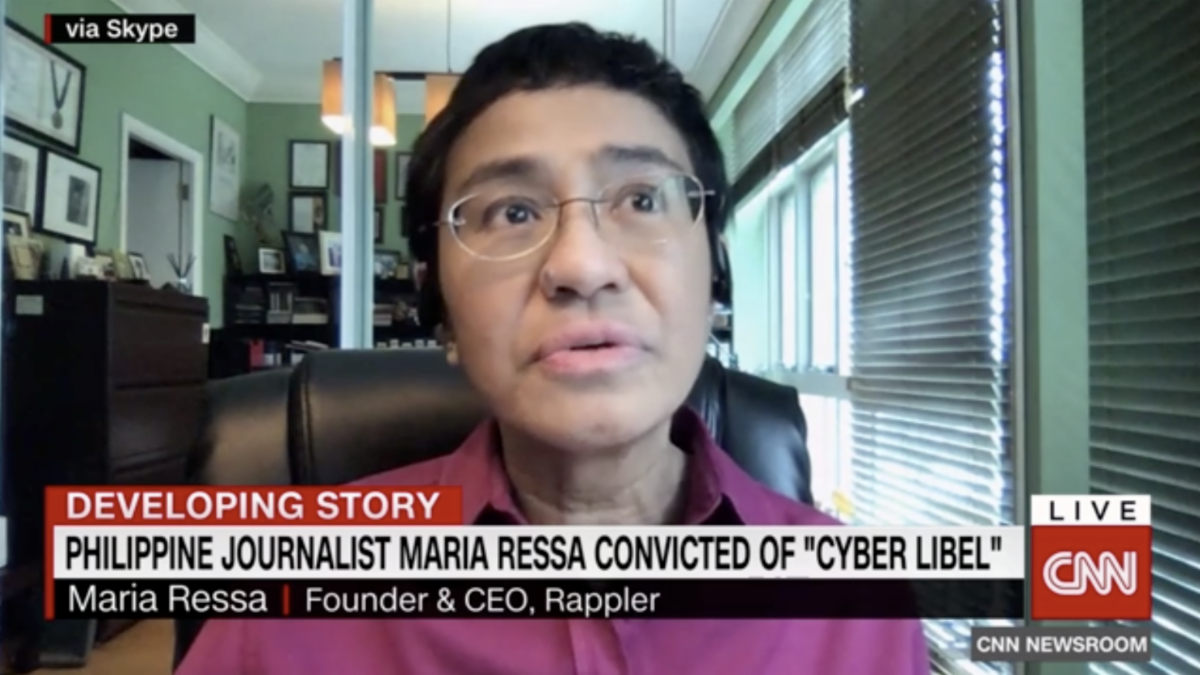
Amanda Bennett, whose leadership of Voice of America came under White House attack for its coronavirus coverage,
resigned Monday
. Her departure comes just days after the
Senate confirmed
Michael Pack as CEO of the U.S. Agency for Global Media, the independent agency in charge of VOA.
Bennett told staff her departure and that of Deputy Director Sandy Sugawara “changes nothing about the staff nor the staff’s passion, mission or integrity,” according to a VOA statement.
Bennett received the
National Press Club’s Fourth Estate Award
last year.
|
|
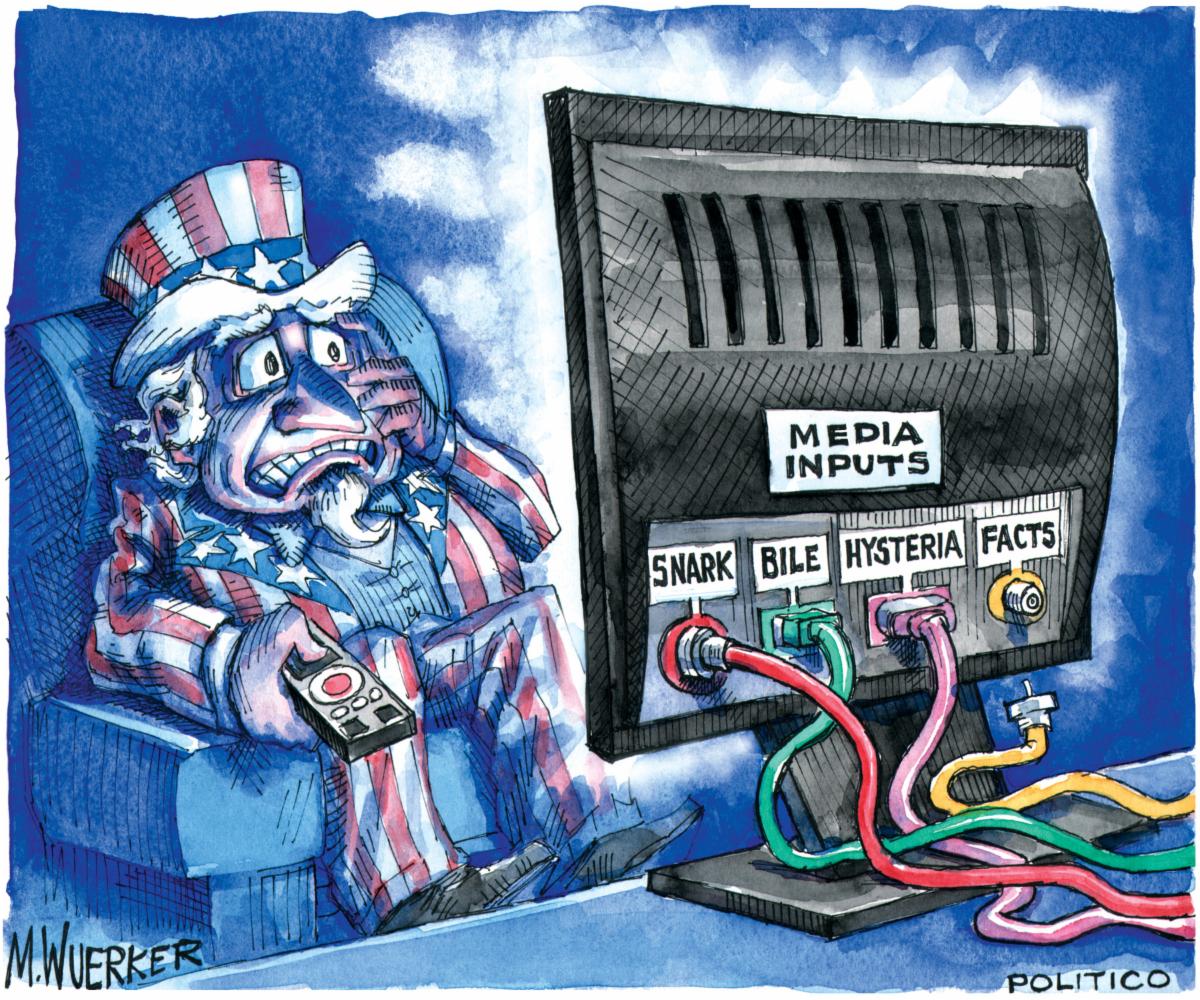
Political cartoons can particularly rankle an audience. Because they are an image, their
impact is swift, often visceral
. A good cartoon will make you think, reveal hypocrisy or depict injustice. Sometimes they fail, playing on stereotypes or racist tropes.
How do syndicates, publishers or editors draw a line between censoring and rigorous editing of political opinion?
Wuerker
: It's completely a matter of taste. Different editors and syndicates have different tolerances and sensitivities to what's over the line. A lot of cartoonists these days self-syndicate. So in those cases, it's really just up to the cartoonists themselves.
Many editors describe this moment as a time of reckoning for the news media. How does that affect how cartoonists, syndicates and publishers examine political cartoons?
Wuerker
: I'm of two minds on this. I do think that it's great that this time of reckoning has come. We have a lot to think about, lots we can improve upon as a country. I welcome the idea editors and cartoonists are taking this moment to be introspective and even awaken themselves to the levels of racism and bias in American society. I don't see how you can see this as anything but a good thing.
That said, there are plenty of people that find this "time of reckoning" an offensive idea, just like they thought [Colin] Kaepernick taking a knee was hugely offensive. ... And they're saying so in their cartoons. Hey, it's a free country! The backlash, though, is different this time. In the age of social media, the slap-down of anyone taking an opposing view is itself over the line.
Calling for editors to resign and cartoonists to be sacked comes from an unhealthy intolerance. Everyone has a right to be offended by the opinions of others, and they have the right to express that offense. But Twitter mobs out to hunt down the heretics and burn them at the stake (this goes on on both sides) seems out of control and un-American to me.
I think the free market of ideas is not just a good idea but it's an essential part of pluralistic democracy. I love political humor, but for political satire to survive, it needs to operate in this open free market where people have to tolerate opposing views and accept that some of them will be offensive to some people.
(Image republished with permission from Matt Wuerker.)
|
|
|
“While publications ask Black journalists — both freelance and full-time staff members — to put their lives at risk to report on racial injustices and embed themselves within the protests, they rarely provide resources for these same journalists to process the trauma incurred both on the job and in daily life,” writes
Sonia Weiser
, a journalist based in New York.
Following the protests after George Floyd’s killing, Weiser created a
fund
to provide financial assistance for mental health support. To date, the effort has raised more than $45,000 and assisted at least 53 individuals.
We reached out to Weiser to learn about the response and how the funds are distributed.
How did the idea for the fund arise?
Weiser
: I saw an uptick in editors asking Black journalists to write about the protests and their personal experiences. They were all asking for so much in exchange for so little. Publishing anything regardless of subject matter puts you in a vulnerable spot because all of a sudden, you're opening yourself up to criticism. Every word is a personal choice. That's a lot of yourself to share with the public. So imagine the emotional toll of writing about trauma? People are putting their lives at risk to get editors the kinds of stories they think will bring in clicks and are barely being paid enough to attend a single therapy session to process all of it. So I recognized a need and couldn't find anything that fulfilled it.
What has the response been so far?
Weiser
: In the first 48 hours, we reached a little over $32,000 (minus the fees gofundme takes out.) That $32K went to helping 53 individuals. When I reopened the fund after gofundme reimbursed me for all the payments I fronted, I noticed that more people were applying for funding, but the original urgency that compelled donations had dwindled. During the first week of the protests, there was a performative aspect to activism. Everyone was matching donations and posting their fundraising efforts. People were excited to be doing the work and even more excited to prove it. Unfortunately, that seems to have ended. Donations are coming in, but not at the speed they were.
|
|
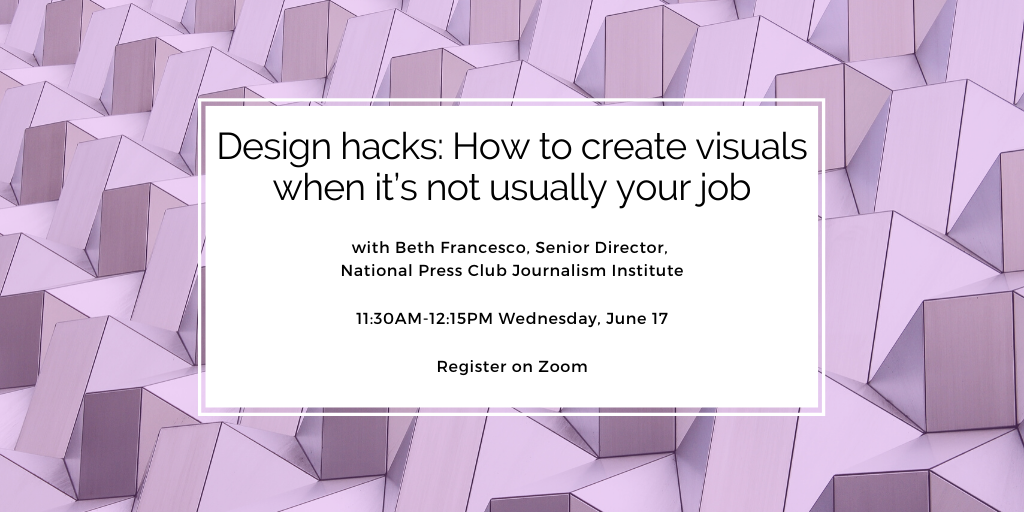
In our scroll and skim culture, dynamic visuals can make the difference in whether a reader engages with a story. But not every story can attract a graphic design professional’s time in the newsroom, especially in the continuing pandemic news cycle. If you’re a reporter, editor, social media manager now handling (or who wants to handle) quick-turn graphics, get a head start with our hacks for designing visuals when it’s not usually part of your job.
Beth Francesco
, the National Press Club Journalism Institute’s senior director, will share best practices, tools you have at your disposal from home, and exercises for creating visuals regardless of your hands-on design experience.
Registration is open
.
|
|
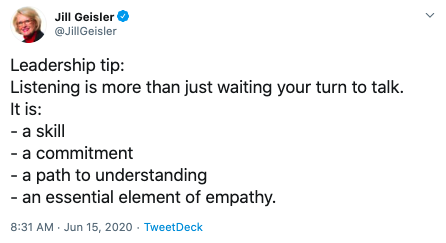
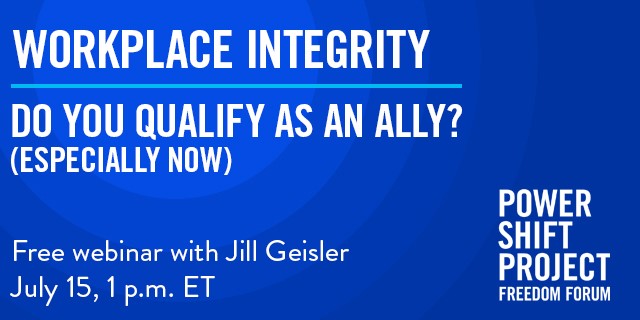
Advice from
Jill Geisler
, Bill Plante Chair in Leadership & Media Integrity, Loyola University Chicago, Freedom Forum Fellow in Women’s Leadership
|
|
|
The National Press Club Journalism Institute is spotlighting
the next generation of journalists
, students graduating from college or Master’s programs this spring into
a challenging job market
, in hopes they’ll meet future bosses and colleagues here who will reach out and support them in building journalism’s future together.
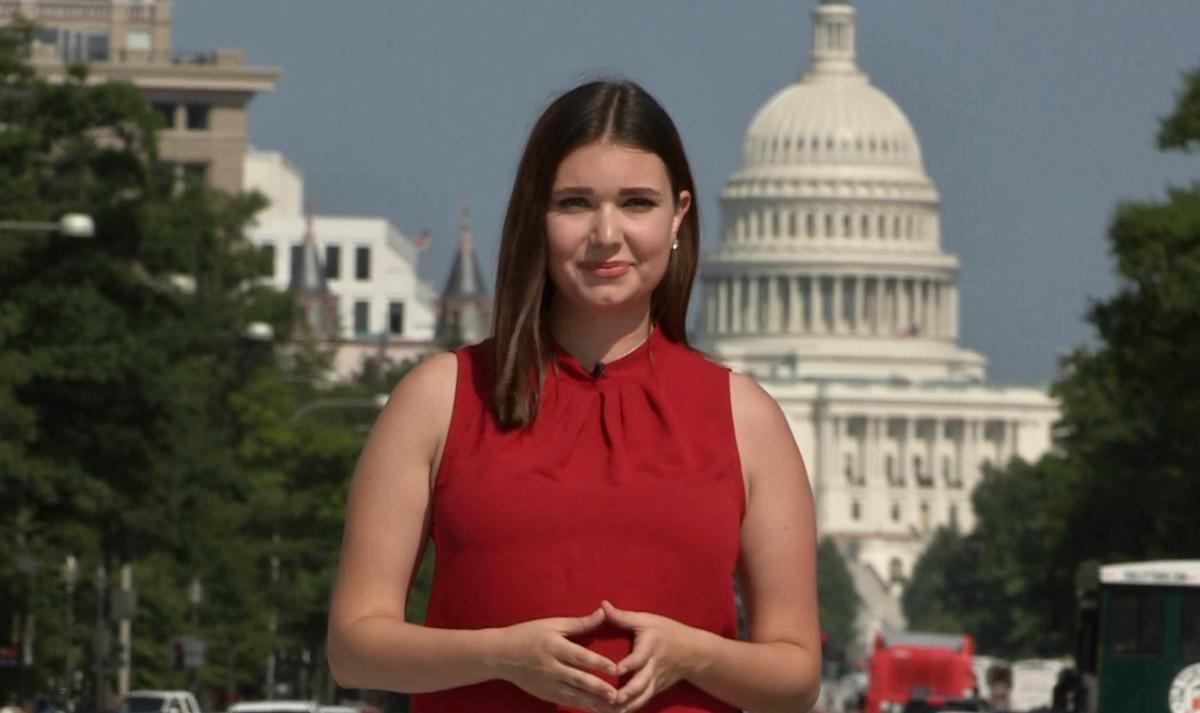
School
:
Syracuse University
Location
:
Syracuse, NY
Internships
: Fox, WBNG
What have you learned from your involvement with student media on your campus?
Caracciolo
: CitrusTV provided me with invaluable experience over my last four years at Syracuse University. The opportunity to learn every position from floor director to producer, reporter, and anchor helped me gain a well-rounded understanding of all that goes into a local news broadcast. From producing live election night specials to covering campus protests that garnered the attention of national news, it has truly been an incredible learning experience.
What's been your best moment in journalism?
Caracciolo
: Last year I traveled to Israel for spring break as part of Newhouse's International Reporting class. During my 10 days in Israel, I produced a piece on the
water crisis in the Middle East
. I have always had an interest in international reporting, and to be able to get a taste of that dream my junior year of college was an opportunity I am forever thankful for. The icing on the cake? My piece recently won a NYS Broadcasters Award for best hard news college story!
|
|
At the end of your workday these days, your commute may amount to no more than a walk from your home office to the couch. But even if you’ve ventured back to your pre-COVID-19 workspace, disengaging when your work is done is
key to your well-being
.
Here are some tips on how to relax and turn your mind away from the previous eight hours that occupied your day.
- Take a shower or a warm bath. The water washes away stress and the cleansing refreshes you.
- Spend time with your immediate family. If you have children, let loose with them. Play, do something simple, goofy and fun.
- Cook. Chop vegetables, sautéed garlic, push some onions around in a pan until they have just the right translucence. It’s a creative and a soothing pastime. And you might end up with leftovers.
- Listen to your favorite music or podcast. It can help you feel more alert or optimistic — or simply help you unwind.
- As the days stay light longer, join your significant other (or your favorite pup) on a neighborhood walk or a stroll through a nearby park. Greenery will help.
- Read a chapter of the book on your night table, a short story, or a piece of long-form journalism that has nothing to do with your work.
- If it’s Friday, it’s date night. Cook together or order take out. Light candles. Dance or watch a rom com.
|
|
This newsletter is written & edited by the National Press Club Journalism Institute staff: Beth Francesco, Holly Butcher Grant, Jim Kuhnhenn, and Julie Moos.
Send us your questions and suggestions
for topics to cover.
|
|
|
|
|
|
|