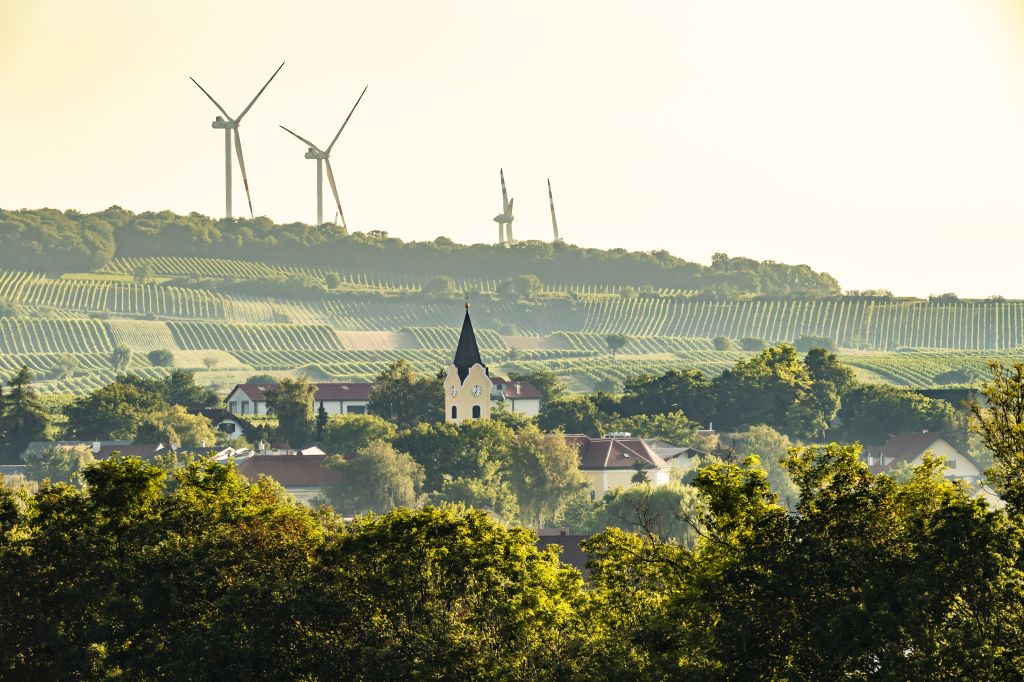
www.netzl.com GÖTTLESBRUNN/Carnuntum
Click on the picture for a digital map
Home Of Austria's
 Finest Wines
Greetings!

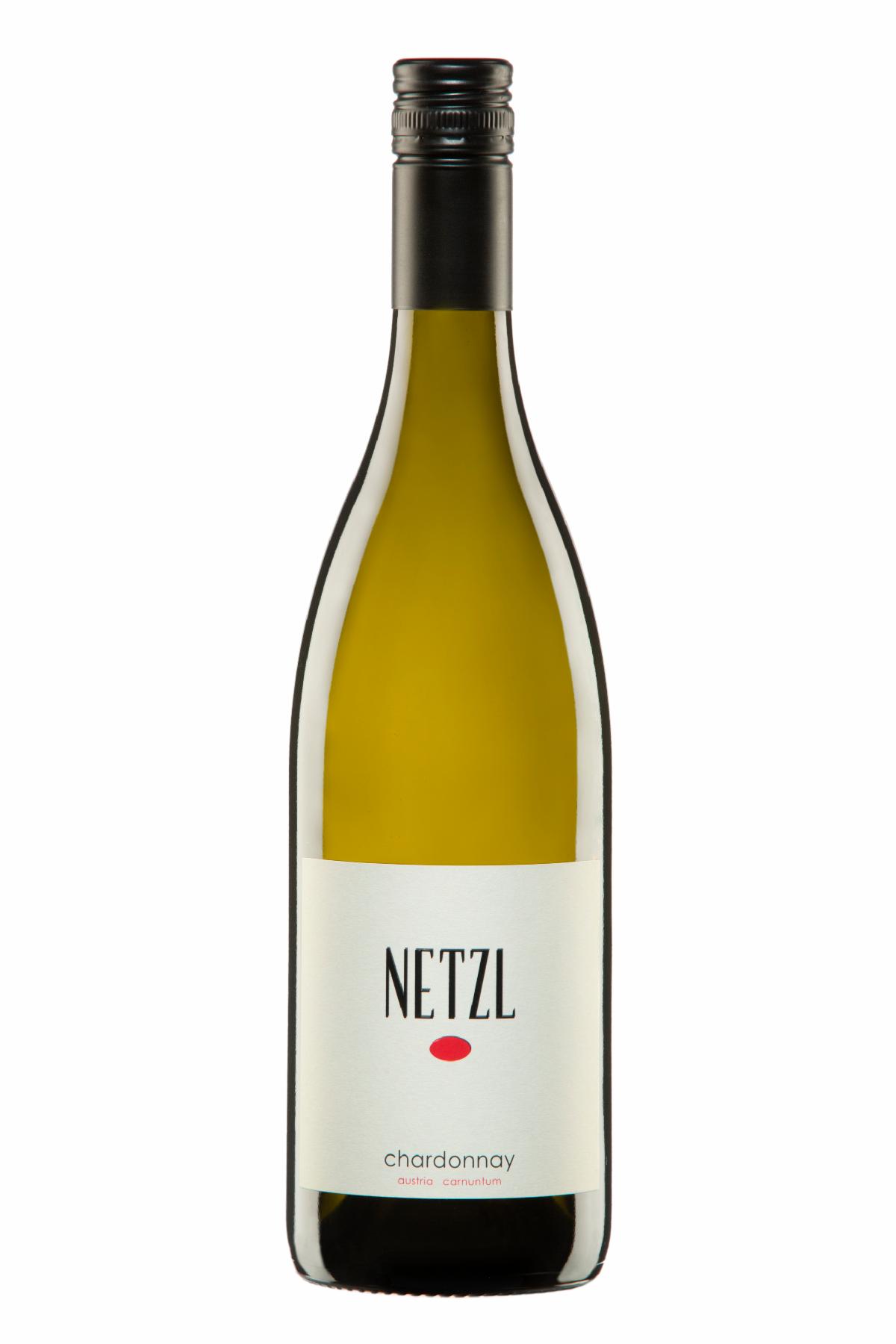
Chardonnay from Austria...... yes Chardonnay also is grown in Austria and I love this unoaked example from Netzl. For many years I used to say that I don't need a Chardonnay from Austria, but a few years ago we decided to add it to our selection and I am very excited to have it there. It displays pronounced fruit aromas of apple, quince, and some tropical notes.
It's simply delicious and unique, a must-have!!!!!

Usually, Netzl is known for their red wines from Zweigelt and especially for the flagship wine


There's a subtle but intriguing note of dried hay flower on the nose of this wine. It also perfumes the palate, where a streak of lifted lemon spells poise, and a richer, more sonorous note adds creaminess. Together, these flavors are a synthesis of freshness and mellow pear fruit.


Wine Of The Week:

elevation: 850 ft
exposure: south-east
average age of vines: 15 years
varietals: 100% Chardonnay

the vineyard:
The Chardonnay grapes love the perfect conditions of our “Pannonian” climate with the deep and nutritious soils of the vineyard Haidacker. As a result, they develop their very intensive and exotic aromatic with some nice acidity on the palate, due to the cooler influences of the River Danube during the nights.

wine production
harvest time: 23rd-24th September 2019 maceration: 4 hours
fermentation: slow fermentation in stainless steel tanks around 65 °F

first racking: after resting 8 weeks on the yeast
ripening: 4 months on the lees in stainless steel tanks
alcoholic content:13.5 % by vol total
acidity: 5.7 g/l residual sugar: 2.3 g/l
potential: 2020 – 2025

tasting notes:
Lots of tropical fruit and spice on the nose, yellow apples, melons, and hey, nice acidity, fresh and animating, pure Chardonnay.

food pairing:
Light, grilled meat or with cream- or wine-sauce such as poultry, veal or fish, vegetarian and dishes with asparagus.
Click on the picture and listen to Christina talking about this delicious Chardonnay
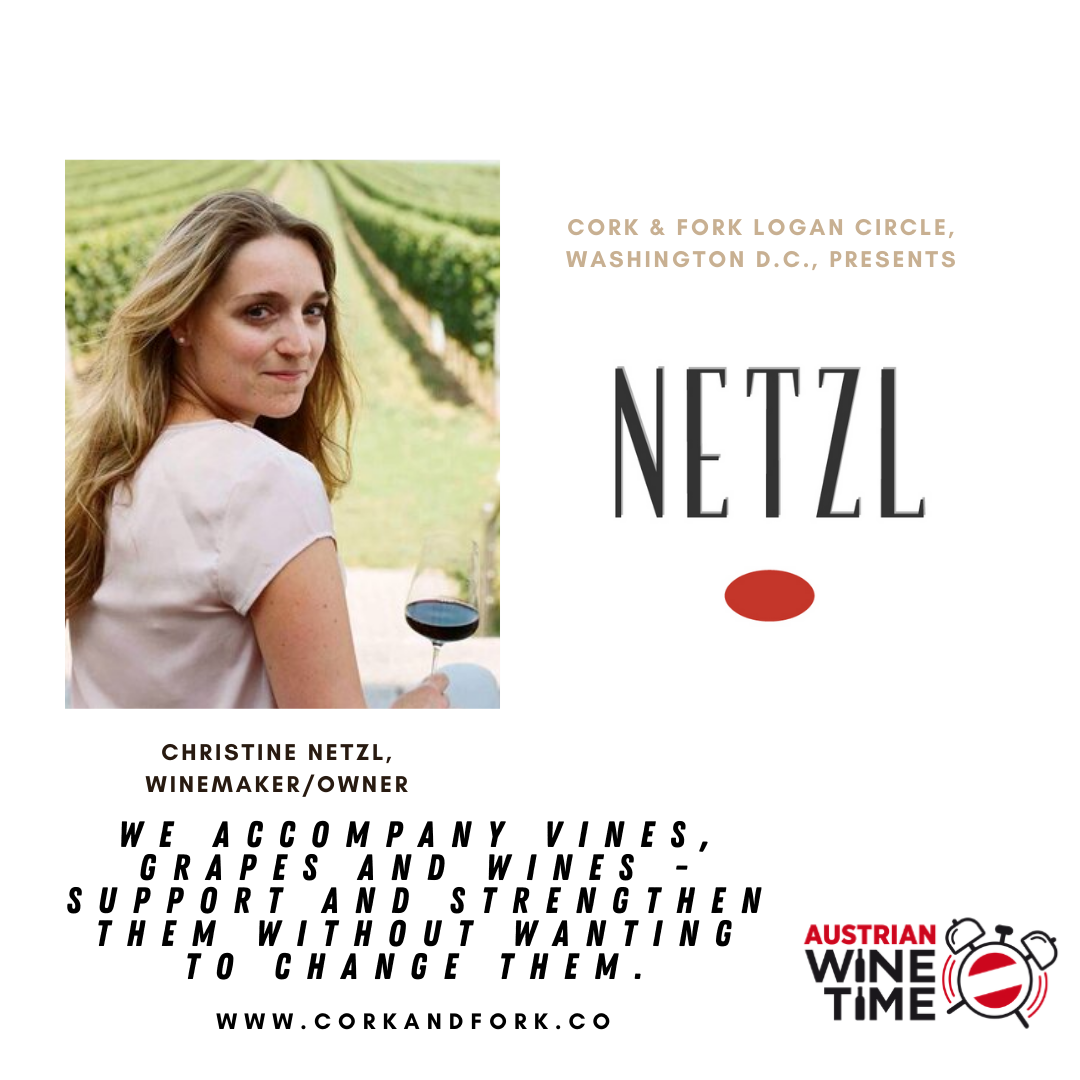
Christina Netzl began her path towards natural winemaking as a young girl of 5 years old, working on her family’s farm and vineyard with her parents and grandparents. Her parents later focused the family business solely on grape growing and winemaking, building the winery up to the 28 hectares they operate today in the Carnuntum winemaking region, located just east of Vienna and north of the Neusiedlersee. Christina studied oenology and wine management in London, getting to know wine styles from all over the world. In 2007, she returned to the winery to work with her parents, and after having two children became passionate about organic viticulture. They began the process of converting everything to organics in 2013 starting with soil treatments and elimination of herbicides, followed by eliminating pesticides and 100% organic vineyard management, and then finally organic production in the winery. In 2018 they began the official process of certifying organically. Over the last 10 years working at the winery, Christina has fallen in love with ancient winemaking practices and thus has now launched this natural line of wines.
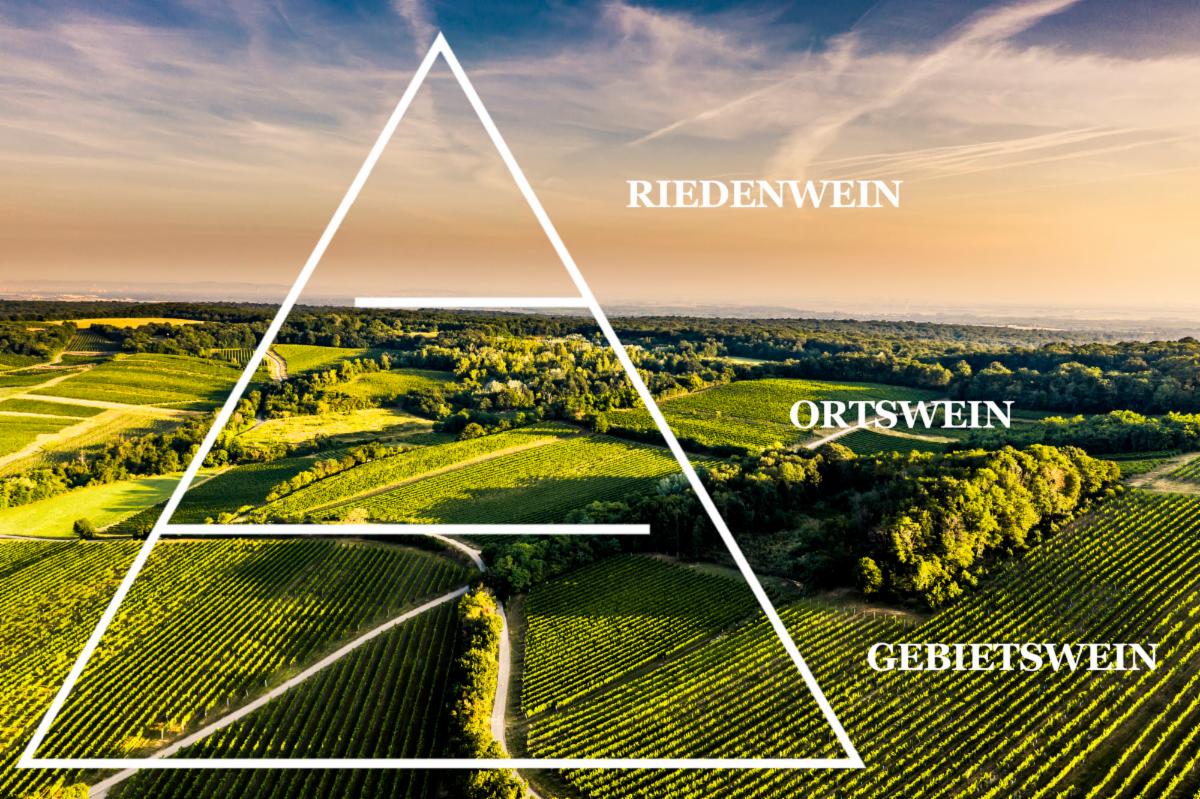
the origin pyramid of the brand  CARNUNTUM DAC

16 years preparation
The long time was necessary. The winemakers have not made it easy, because the objective was to create a solid and sustainable structure that would give the area a clear profile for many years to come.
It was also important that all winegrowers - from the internationally renowned wineries to the local wine taverns - support the new structure and find their place in the origin pyramid.
It was about nothing less than the identity of the area.
And this can not be done quickly with a variety. Because Carnuntum is indeed small, but various red and white wines keep the balance. The variety of landscapes is diverse, the soil structures are also. There are water-storing sedimentary soils from the times of the primeval sea, on whose former coasts pure limestone slopes can be found. Along the former course of the river "Urdonau" wide fields with years-old Danube red rocks wander through the area, while granite and gneiss come to the foreground on the "Carpathian" ridges. And many landscape hills are covered with loess from the ice ages.
How to find an unequivocal answer to the question in an area that has received so many accents over millions of years:  

What is typical Carnuntum?
In Carnuntum, things finally went from the top. In numerous tastings and discussions, the winegrowers analyzed their individual layers: Which are the best wines of the area and why? Which wines have the greatest international fame, which is recognized as the clearest ambassadors of the area? Which varieties are these wines made of? Which varieties best express which individual layers?
The answers to these questions led to a clear area profile. Because, and that was pretty clear to all, the best wines of the area must be part of the Carnuntum DAC.

What does Carnuntum mean?
In the future, only those wines that bear the name "Carnuntum", which correspond to the jointly defined style. (All other wines show "Lower Austria" as the origin on the label).
Carnuntum are red wines that are dominant (at least 2/3) of Zweigelt and/or Blaufränkisch and Carnuntum are white wines that are dominant (at least 2/3) of Grüner Veltliner and/or Burgundersorten. That sounds vague but tastes clear. Essential: this regulation applies to all three stages - local wine, local wine, and single-vineyard wine.
In the definition of local wine, the Carnuntines have agreed on six terroirs, which have a clear character:
  • Göttlesbrunn, Höflein, Stixneusiedl, Petronell, Hainburg and Prellenkirchen

The "Riedenkarte" the Rubin Carnuntum wineries to   download

2 wines with 97 points
Anton Bauer "Artist" Blaufrankisch and
Steininger Ried Steinhaus Riesling
plus many more with 90+ ratings......