|
National Today Reports
December 1, 2024
| |
|
First recognized in 1988, World AIDS Day falls on December 1 each year. World AIDS Day is dedicated to spreading awareness of the AIDS pandemic spread by the spread of HIV infection, and to mourning those who have died of the disease. An estimated 40 million people worldwide have died of AIDS since 1981, and an estimated 37 million are living with HIV, making it one of the most important global public health issues in recorded history. Despite recent improvements in treatment, the AIDS epidemic still claims an estimated two million lives each year, of which more than
250,000 are children.
| |
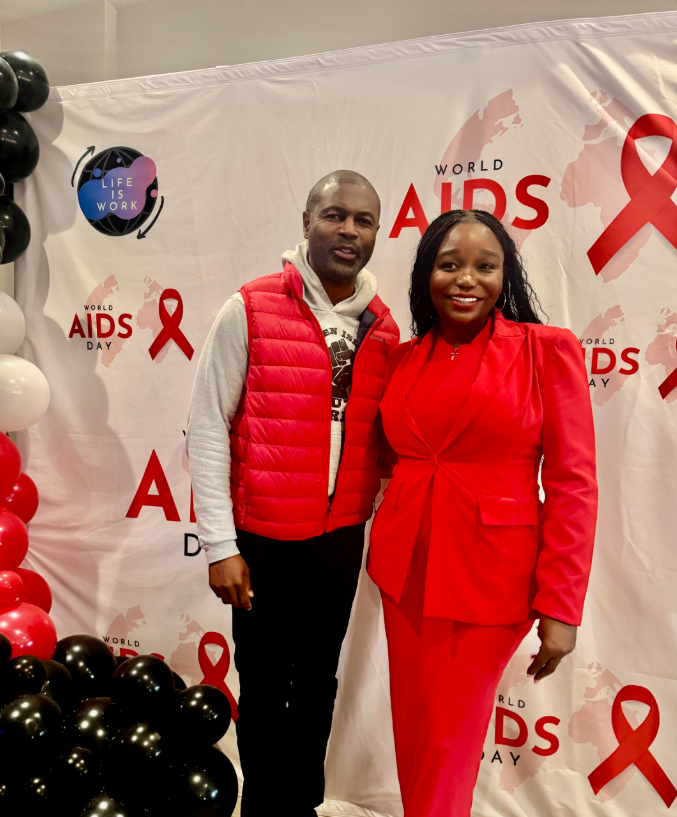
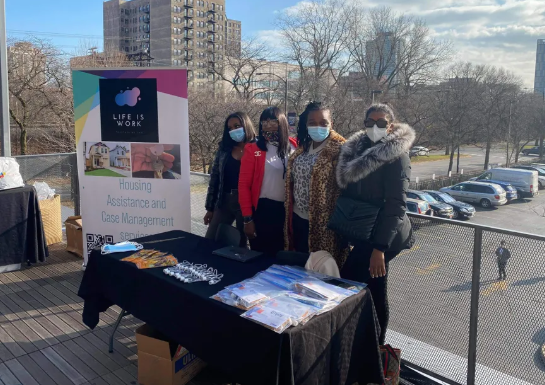
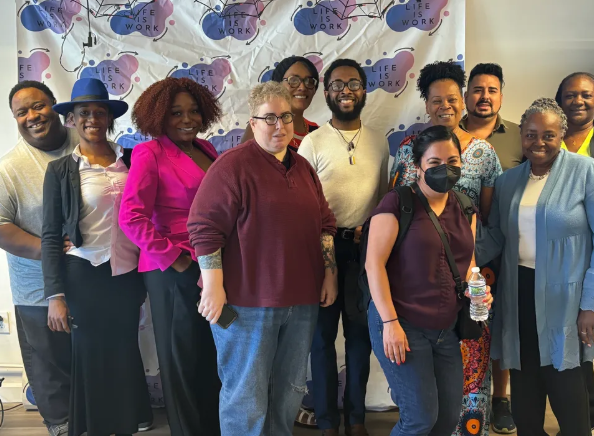
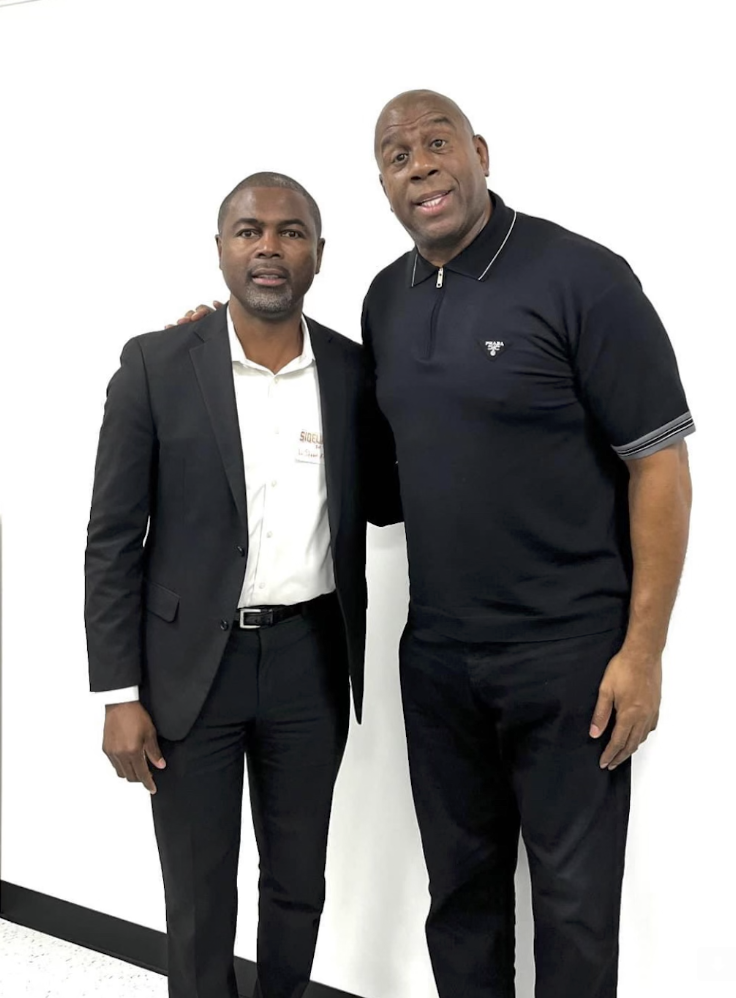
Rep. Ford Attends Life is Work’s Grand Opening Brunch in Honor of World AIDS Day | State Rep. La Shawn Ford and Zahara Bassett, CEO of Life is Work | |
Click Image Below to Learn More Information About Life is Work | |
World AIDS Day | The Awareness of AIDS-affected people | Medanta Hospital | |
The U.S. Department of Health and Human Services Reports
November 29, 2024
| FACT SHEET: The Biden-Harris Administration’s Efforts to End HIV/AIDS At Home and Abroad | Ahead of World AIDS Day, we remember those who have died from AIDS-related illnesses—honoring their courage and contributions as essential to the progress made thus far. We also stand in solidarity with the more than 39 million people with HIV around the world. Four years ago, the Biden-Harris Administration renewed and strengthened the government’s bipartisan commitment to ending the HIV epidemic. Since then, significant progress has been made through a whole-of-society approach, unprecedented investments, and a steadfast commitment to leading with science, advancing equity, and addressing HIV stigma and discrimination. | |
The U.S. Department of Health and Human Services Reports
November 29, 2024
|
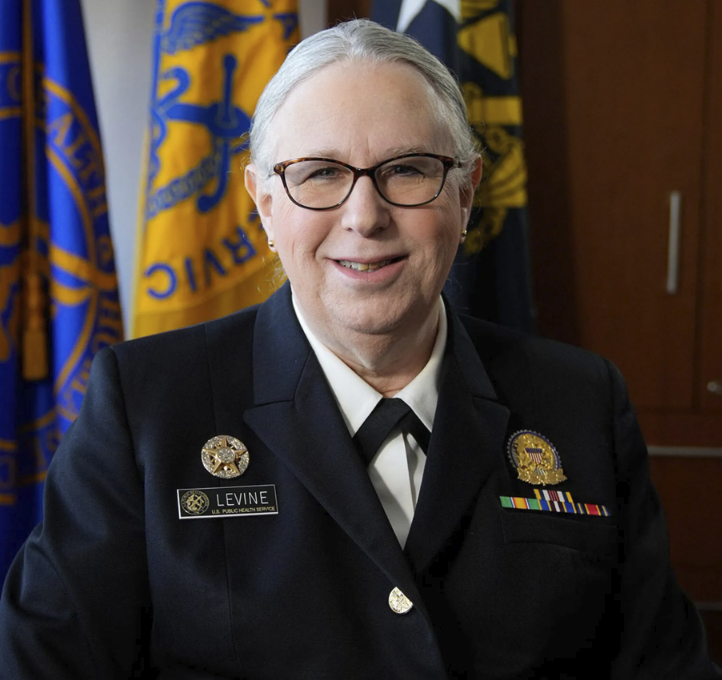
Statement by Assistant Secretary for Health Admiral Rachel Levine on World AIDS
Day 2024
| |
In commemoration of World AIDS Day on December 1, Assistant Secretary for Health Admiral Rachel Levine, MD, released the following statement:
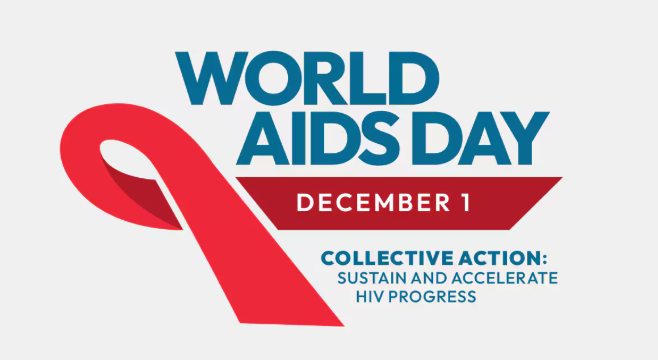
“The theme of this year’s World AIDS Day, ‘Collective Action: Sustain and Accelerate HIV Progress,’ reminds us that we must remain steadfast in our commitment to prevent new HIV infections and provide essential services to all people with HIV,” said Assistant Secretary for Health Admiral Rachel Levine, MD.
“Today, we pause to remember the estimated 39 million individuals around the globe with HIV, including approximately 1.2 million people here in the United States. We also remember the 42 million individuals worldwide who have died from HIV/AIDS. Their stories and their lives will continue to motivate and inform our work to end the HIV epidemic.”
| |
ABC News Reports
November 29, 2024
| President Biden and first lady to debut AIDS Memorial Quilt on the White House South Lawn | |
President Joe Biden and first lady Jill Biden will mark World AIDS Day on Sunday by debuting the AIDS Memorial Quilt at the White House.
It will be displayed on the South Lawn as the Bidens commemorate the day with survivors, their families and advocates.
A red ribbon will also be displayed on the South Portico of the White House to recognize those who have died due to AIDS-related illnesses, as well as the more than 40 million individuals living with HIV around the world.
The red ribbon -- now an annual tradition -- made its first appearance in 2007, under the Bush administration.
| |
"Life doesn't stop because something happens to you."
-Magic Johnson, Former NBA Player and HIV/AIDS Awareness Advocate
| |
What Is HIV/AIDS?
Understanding the Basics of the Virus
and Disease
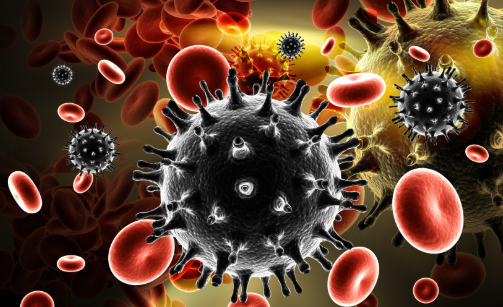
| HIV (Human Immunodeficiency Virus) is a virus that attacks the immune system, specifically targeting CD4 cells, which help the body fight infections. If untreated, HIV can lead to AIDS (Acquired Immunodeficiency Syndrome), the most severe stage of the infection, where the immune system is too weakened to defend against life-threatening illnesses. While there is no cure, advances in treatment, such as antiretroviral therapy (ART), allow people living with HIV to manage the virus effectively and live healthy lives. Early detection and education remain crucial in preventing and treating HIV/AIDS. | |
HIV.gov Reports
January 13, 2023
| |
HIV (human immunodeficiency virus) is a virus that attacks cells that help the body fight infection, making a person more vulnerable to other infections and diseases. It is spread by contact with certain bodily fluids of a person with HIV, most commonly during unprotected sex (sex without a condom or HIV medicine to prevent or treat HIV), or through sharing injection drug equipment.
If left untreated, HIV can lead to the disease AIDS (acquired immunodeficiency syndrome).
The human body can’t get rid of HIV and no effective HIV cure exists. So, once you have HIV, you have it for life.
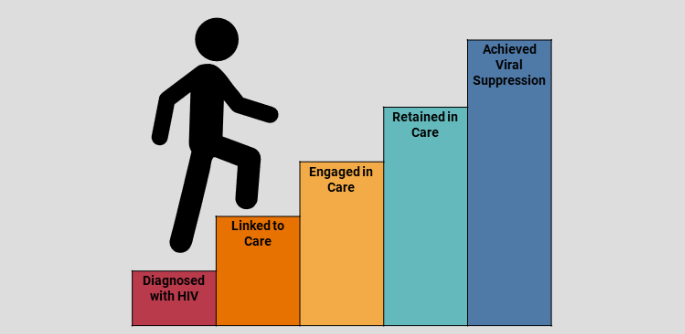
Luckily, however, effective treatment with HIV medicine (called antiretroviral therapy or ART) is available. If taken as prescribed, HIV medicine can reduce the amount of HIV in the blood (also called the viral load) to a very low level. This is called viral suppression. If a person’s viral load is so low that a standard lab can’t detect it, this is called having an undetectable viral load. People with HIV who take HIV medicine as prescribed and get and keep an undetectable viral load can live long and healthy lives and will not transmit HIV to their HIV-negative partners through sex.
| |
Centers for Disease Control and Prevention Reports
January 13, 2023
| |
HIV (human immunodeficiency virus) is a virus that attacks the body's immune system. Without treatment, it can lead to AIDS (acquired immunodeficiency syndrome).
There is currently no effective cure. Once people get HIV, they have it for life. But proper medical care can control the virus.
People with HIV who get on and stay on effective HIV treatment can live long, healthy lives and protect their partners.
| |
HIV Transmission
How the Virus Spreads and What You Need to Know
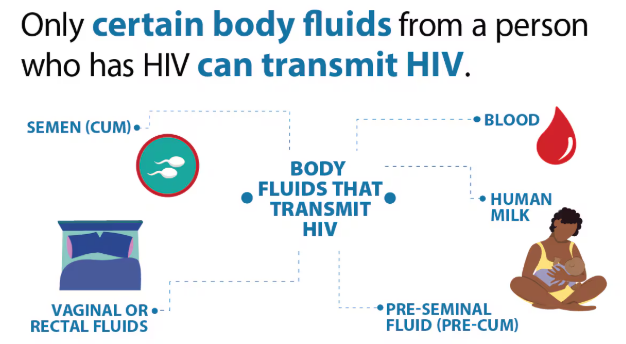
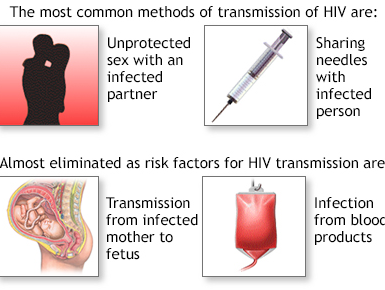
| HIV is primarily transmitted through contact with certain body fluids, including blood, semen, vaginal fluids, rectal fluids, and breast milk. The most common ways the virus spreads are through unprotected sex, sharing needles, and from mother to child during childbirth or breastfeeding. It can also be transmitted through transfusions of contaminated blood or organ transplants, though this is rare due to rigorous screening. HIV is not spread through casual contact such as hugging, shaking hands, or sharing food. Understanding these transmission methods is crucial for prevention and reducing the spread of the virus. | How is HIV Transmitted? - Body & Soul Charity | |
Centers for Disease Control and Prevention Reports
November 25, 202
| You can get HIV if you have anal or vaginal sex with someone who has HIV without using protection (like condoms or medicine to prevent HIV). You can also get HIV from sharing needles, syringes, or other drug injection equipment (for example, cookers) with someone who has HIV. Pregnant people can pass HIV to their baby during pregnancy, childbirth, and breast/chestfeeding. | |
HIV/AIDS
Signs and Symptoms to Watch For
| HIV symptoms can vary, but early signs often include flu-like symptoms such as fever, fatigue, sore throat, and swollen lymph nodes. As the virus progresses, more severe symptoms can emerge, including rapid weight loss, persistent cough, and recurrent infections. Without treatment, HIV can lead to AIDS, where the immune system becomes severely weakened, making the body vulnerable to opportunistic infections. Early detection and treatment with antiretroviral therapy (ART) can help manage the virus and prevent progression to AIDS. | AIDS Healthcare Foundation Reports | HIV Symptoms Vs. AIDS Symptoms | While some people never experience symptoms of HIV at all (making routine testing vital), about two-thirds of people will have a flu-like illness. HIV symptoms in men and HIV symptoms in women are often the same. However, there are a few symptoms that exclusively affect people with a uterus. Some common signs of HIV can include: | HIV & AIDS - signs, symptoms, transmission, causes & pathology | How I Discovered I was HIV Positive | |
HIV/AIDS Treatment
Managing the Virus with Effective Care
| |
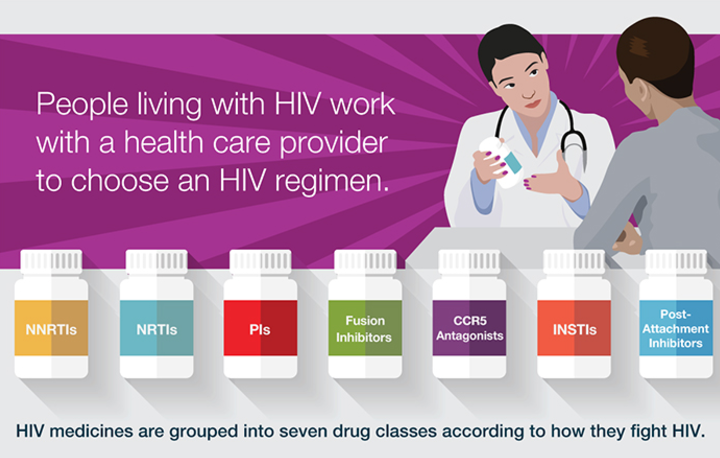
HIV/AIDS treatment primarily involves antiretroviral therapy (ART), a combination of medications that prevent the virus from replicating, helping to manage the infection and protect the immune system. With early diagnosis and consistent use of ART, people with HIV can live long, healthy lives. ART also reduces the risk of transmitting the virus to others. While there is no cure, ongoing research continues to explore new treatments and potential cures. Regular medical care, monitoring, and lifestyle adjustments are key components in managing HIV effectively.
| |
Centers for Disease Control and Prevention Reports
April 12, 2024
| |
There are two types of HIV treatment: pills and shots.
Pills are recommended for people just starting HIV treatment. There are many FDA-approved single pill and combination medicines available.
HIV treatment shots are long-acting injections given once a month or once every other month, depending on your treatment plan.
Shots may be right for you if you are an adult with HIV who
- has had an undetectable viral load (or has achieved viral suppression) for at least three months,
- has no history of treatment failure, and
- has no known allergy to the medicines in the shot.
You'll need to visit your provider regularly to receive your shots. Tell your health care provider as soon as possible if you've missed or plan to miss an appointment for your shot.
| |
HIV.gov and NIH.gov Reports
August 16, 2021
| HIV Treatment: The Basics |
-
The treatment for HIV is called antiretroviral therapy (ART). ART involves taking a combination of HIV medicines (called an HIV treatment regimen) every day.
-
ART is recommended for everyone who has HIV. People with HIV should start taking HIV medicines as soon as possible. ART cannot cure HIV, but HIV medicines help people with HIV live longer, healthier lives. ART also reduces the risk of HIV transmission.
-
A main goal of HIV treatment is to reduce a person’s viral load to an undetectable level. An undetectable viral load means that the level of HIV in the blood is too low to be detected by a viral load test. People with HIV who maintain an undetectable viral load have effectively no risk of transmitting HIV to their HIV-negative partners through sex.
|
The History of World AIDS Day
A Global Movement
| World AIDS Day, established in 1988, was the first global health day dedicated to raising awareness about a major public health issue. It emerged during the height of the HIV/AIDS epidemic, aiming to combat stigma, promote education, and mobilize international solidarity. Over the years, it has evolved into a global movement, uniting governments, organizations, and communities to support those living with HIV, honor lives lost, and advocate for equitable healthcare solutions. | |
Looking Back On 40 Years Of The
AIDS Epidemic
| |
Centers for Disease Control and Disease Reports
November 4, 2024
| |
Two World Health Organization (WHO) public information officers started World AIDS Day in 1988 as an international day for global health. Since then, it has been observed each year on December 1.
World AIDS Day is a day of solidarity for people around the world who are affected by HIV and for voices to unite by sharing experiences, remembering those lost, and standing together in the fight against HIV. The observance is also reserved as a day to bridge new and effective programs and policies across different sectors around HIV/AIDS.
While great strides have been made since the first known cases of AIDS were reported in 1981, the disease remains a public health challenge. World AIDS Day is an opportunity for individuals and communities to honor the more than 32 million people worldwide who have died from AIDS-related illness.
| 10 Facts You Have to Know About HIV/AIDS |
HIV/AIDS by the Numbers
A Global and National Perspective on the Epidemic
| Today, HIV/AIDS remains a significant global health challenge, with millions living with the virus and thousands of new infections annually. Advances in antiretroviral therapy (ART) have improved survival rates and quality of life, but disparities persist, especially in marginalized communities. Stigma, limited access to healthcare, and the lingering effects of COVID-19 have hindered progress. While global efforts have reduced infection rates in some regions, continued focus on prevention, education, and equitable healthcare is essential to overcome these barriers. | HIV/AIDS Global Statistics | |
HIV.gov Reports
August 15, 2024
| |
HIV, the virus that causes AIDS, is one of the world’s most serious public health challenges. But there is a global commitment to stopping new HIV infections and ensuring that everyone with HIV has access to HIV treatment.
The latest statistics on HIV around the world from UNAIDS
Exit Disclaimer include:
Number of People with HIV—There were 39.9 million people across the globe with HIV in 2023 . Of these, 38.6 million were adults (>15 years old), and 1.4 million were children (<15 years old). In addition, 53% were women and girls.
New HIV Infections—An estimated 1.3 million individuals worldwide acquired HIV in 2023 , marking a 39% decline in new HIV infections since 2010 and a 60% decline since the peak in 1995. New HIV infections, or “HIV incidence,” refers to the estimated number of people who newly acquired HIV during a given period such as a year, which is different from the number of people diagnosed with HIV during a year. (Some people may have HIV but not know it.) Women and girls accounted for 44% of all new HIV infections in 2023.
| |
UNAIDS Reports
August 2, 2024
| Global HIV & AIDS statistics — Fact sheet | |
People living with HIV
- In 2023, there were 39.9 million [36.1 million–44.6 million] people living with HIV.
- 38.6 million [34.9 million–43.1 million] adults (15 years or older).
- 1.4 million [1.1 million–1.7 million] children (0–14 years).
- 53% of all people living with HIV were women and girls.
- 86% [69–>98%] of all people living with HIV knew their HIV status in 2023.
- About 5.4 million people did not know that they were living with HIV in 2023.
| World Health Organization Reports | |
Global situation and trends:
Since the beginning of the epidemic, 88.4 million [71.3–112.8 million] people have been infected with the HIV virus and about 42.3 million [35.7–51.1 million] people have died of HIV.
Globally, 39.9 million [36.1–44.6 million] people were living with HIV at the end of 2023. An estimated 0.6% [0.6-0.7%] of adults aged 15–49 years worldwide are living with HIV, although the burden of the epidemic continues to vary considerably between countries and regions.
The WHO African Region remains most severely affected, with one in every 30 adults (3.4%) living with HIV and accounting for more than two-thirds of the people living with HIV worldwide..
| |
HIV.gov Reports
August 15, 2024
|
Fast Facts
The information on this page refers to individuals ages 13 and older unless otherwise noted.
- Approximately 1.2 million people in the U.S.a have HIV. About 13 percent of them don’t know it and need testing.
- HIV continues to have a disproportionate impact on certain populations, particularly racial and ethnic minorities and gay, bisexual, and other men who have sex with men (MSM).b
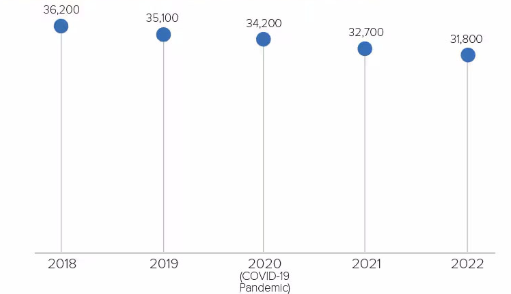
- In 2022, an estimated 31,800 people acquired HIV in the U.S.
- Estimated new HIV infections decreased 12% from 36,300 in 2018 to 31,800 in 2022.
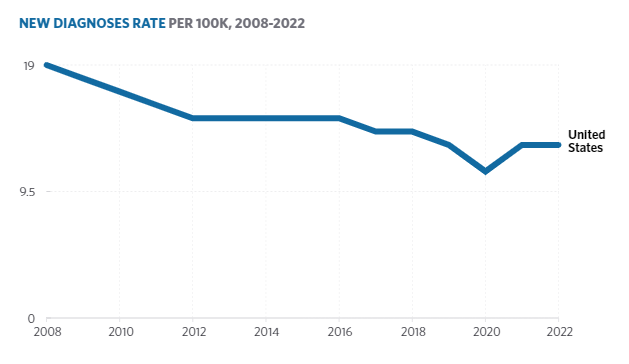
- In 2022, 37,981 people aged ≥ 13 and older received an HIV diagnosis in the U.S. and 6 territories and freely associated states.
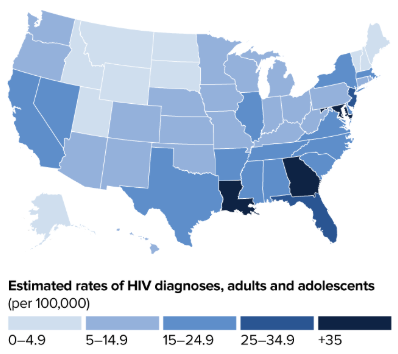
- HIV diagnoses are not evenly distributed across states and regions. The highest rates of new diagnoses continue to occur in the South.
| |
AIDSvu Reports
August 15, 2024
| |
Understanding the Current HIV Epidemic
in the United States
| |
Efforts to improve awareness and reduce new infections are critical to ending the HIV epidemic. Understanding HIV at the local level better equips communities to develop targeted HIV prevention and treatment efforts.
Here is a high-level overview of the HIV epidemic in the United States:
| |
|
Did you know that a law was passed in 2007 to make HIV testing part of routine general medical care with an opt-out option?
| |
|
Fighting HIV/AIDS Through Policy
Rep. Ford’s Role in Promoting Health Equity
| Rep. La Shawn K. Ford has been a steadfast advocate in the fight against HIV/AIDS, using policy to address health disparities and promote equitable care. His initiatives focus on increasing funding for prevention and treatment programs, expanding access to healthcare in underserved communities, and reducing the stigma surrounding HIV. By championing legislation aimed at eliminating systemic barriers, Rep. Ford plays a vital role in ensuring that everyone, regardless of background or income, has access to the resources needed to combat HIV/AIDS. | |
|
Illinois Press Release Reports
June 27, 2007
| |
Gov. Blagojevich signs Rep. Ford's Bill into law making HIV testing a routine part of medical care in Illinois | |
|
SPRINGFIELD - On National HIV Testing Day, Governor Rod R. Blagojevich signed a new law making HIV testing a routine part of general medical care. Senate Bill 929 allows medical providers to proceed with a test once they have secured verbal informed consent, instead of written consent, from a patient clearly acknowledging that a test will be administered as part of their check-up or routine blood work. This change in the law will increase the number of Illinoisans who are tested for HIV/AIDS and increase awareness regarding individual knowledge of HIV status. Rep. LaShawn Ford (D-Chicago) and Sen. Carol Ronen (D-Chicago) sponsored the legislation.
"I would like to thank the Governor for making HIV testing easier for the people of Illinois. This new law will make it easier to identify more people who have HIV and to get them the care they need to live longer and more productive lives," said State Rep. LaShawn Ford (D-Chicago).
| |
|
Austin Weekly News Reports
September 4, 2013
| Ford’s Bill Protecting Privacy of HIV-Positive Students Signed Into Law | |
CHICAGO – Legislation introduced by State Representative La Shawn K. Ford (D-Chicago) which protects the privacy of students who have HIV was signed into law today by Governor Pat Quinn. Previously, if a student was infected with HIV, the Illinois Department of Public Health or a local health department was required to report the student’s HIV status to the school’s principal, who in turn could notify others at the school.
The new law repeals this requirement.
| |
Click Image Below to View Public Act
98-0353, sponsored by State Representative
La Shawn K. Ford.
| Rep. Ford’s Call to Increase Funding for Black-Led HIV/AIDS Programs in Illinois | |
The Honorable JB Pritkzer,
I hope this letter finds you in good health and high spirits. I am writing to bring your attention to the critical issue of increasing funding for HIV programs in the state of Illinois, with a particular emphasis on supporting black-led organizations in their efforts to combat the high rate of AIDS cases. As we approach World AIDS Day, it is a fitting time to reflect on the persistent challenges faced by our community in the ongoing fight against HIV/AIDS. While significant progress has been made over the years, it is disheartening to note that Illinois continues to experience a disproportionately high rate of AIDS cases among African Americans. To combat this problem effectively, it is crucial to allocate resources to support organizations specifically focused on addressing the unique needs of the black community. Black-led organizations are best positioned to provide culturally competent, non-biased services for individuals affected by HIV/AIDS within the black community. These organizations have an unparalleled understanding of the unique societal, cultural, and economic factors that contribute to the high prevalence of HIV/AIDS among African Americans.
By empowering and funding these organizations, we can ensure that prevention, care, and support services are tailored to the specific needs of their communities. Furthermore, investing in black-led organizations will help address existing disparities in the delivery of healthcare services. By amplifying the voices and expertise of those directly affected by the epidemic, we can foster trust, inclusivity, and increased access to vital resources. This approach will save lives and contribute to our state's long-term well-being and prosperity.
Therefore, I earnestly request your support in increasing funding for HIV programs and allocating a significant portion of these funds to black-led organizations. By doing so, we can make substantial progress in reducing the prevalence rates of HIV/AIDS within the African-American community while promoting equity and addressing racial disparities in healthcare. Thank you for your attention to this matter. I am confident that, under your leadership, Illinois can become a shining example of effective and proactive measures taken to combat HIV/AIDS within our diverse population.
I look forward to witnessing your commitment to this crucial cause and the positive impact it will have on the lives of countless individuals.
Thank you for your time and consideration.
Sincerely.
La Shawn K. Ford
State Representative
| |
Illinois HIV Care Connect Reports
June 29, 2023
| |
Efforts for Funding Equity to African American-Led HIV / AIDS-Related Service Providers Result in Historic Levels of Direct State Funding
| |
The Black Leadership Advocacy Coalition for Healthcare Equity (BLACHE) applauds Governor J.B. Pritzker for signing into law a 2024 Illinois fiscal year budget that includes more than $8.5M in new direct funding to African American-led HIV/AIDS Community Based Service Providers.
Black legislators worked persistently throughout the entire 2023 session to elevate awareness of and address the funding inequity of AA-led CBOs that has existed for decades and has been limiting the State from “Getting to Zero” and being responsive to Ending the HIV Epidemic (EHE) in the Black community.
Ultimately, approximately 15 AA-led HIV/AIDS service providers, including CBOs and FQHC’s – most of which have never been directly funded from the state’s General Fund, are now directly funded for operating expenses, giving them the ability to adeptly build towards their organization’s mission relative to negating the spread of HIV-AIDS amongst marginalized African-American residents in Illinois, while facing challenges in back-office capacity, the need for improved technological infrastructure, stabilization of services, and other areas of insufficiency which existed due to cultural inequities before and during the COVID-19 pandemic, and are more evidently impacted today.
Every member of the Illinois House and Senate Black Caucus pushed inclusion of direct funding to African American-led HIV/AIDS service-related organizations as a strategy to address the alarming inequities in the spread and impact of HIV/AIDS among Black people in Illinois. Black legislative leaders (all Democrats) who lead the way include: State Representative Carol Ammons, Joint Chairwoman, ILCBC; State Representative Lakesia Collins, ILCBC Chair; State Representative Lashawn K. Ford;
| |
Capitol News Illinois Reports
February 9, 2023
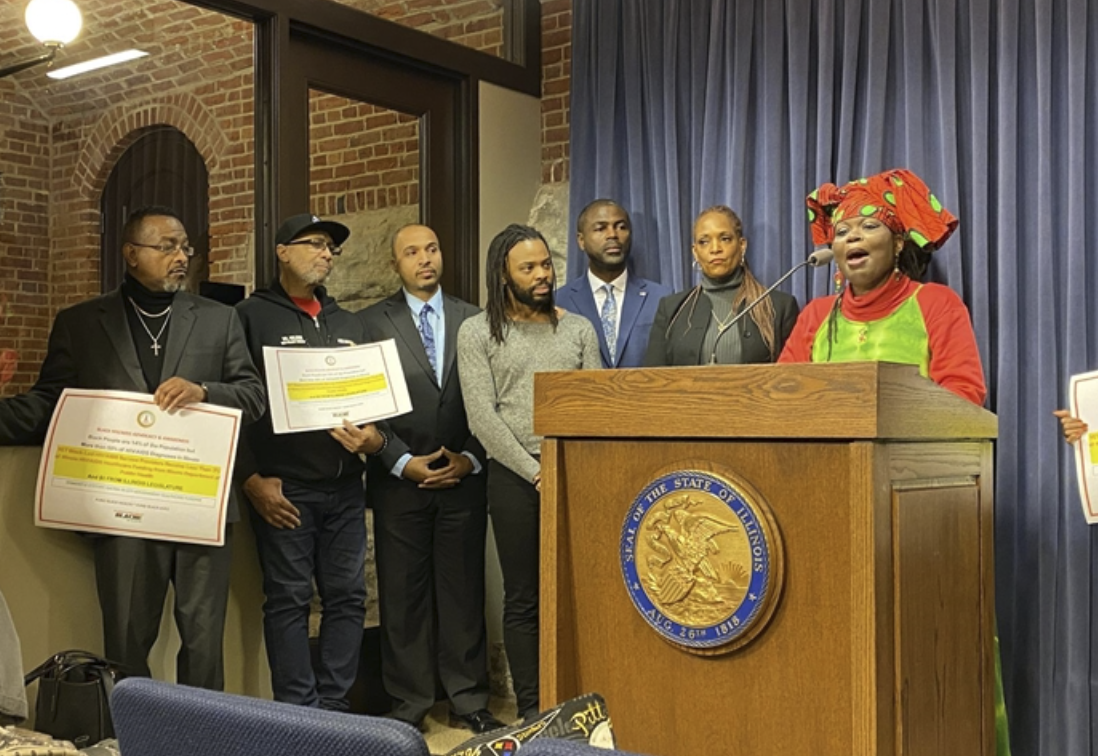
| On Black HIV/AIDS Awareness Day, advocates spotlight ongoing racial disparities | Yaa Simpson, or Sista Yaa, an HIV/AIDS community advocate and community epidemiologist for The Association of Clinical Trial Services, speaks at a news conference at the Capitol about the racial disparities in new HIV/AIDS diagnoses. Data from AIDSVu, an interactive data tool presented by Emory University’s Rollins School of Public Health, showed in 2020 Black people comprised 52.1 percent of HIV diagnoses in Illinois despite making up roughly 15 percent of the population. (Capitol News Illinois photo by Jerry Nowicki) | |
SPRINGFIELD – Illinois lawmakers and advocates commemorated National Black HIV/AIDS Awareness Day Tuesday, calling attention to the disproportionate impact the disease has on Black communities.
“It’s important that we commemorate or we talk about that on February 7, so that we can spark a debate with all of our public health providers across the state to understand that this is a public health crisis,” said state Sen. Mike Simmons, D-Chicago. “We cannot continue to lose Black life to HIV/AIDS.”
Simmons and other members of the Illinois Legislative Black Caucus were joined by members of the Black Leadership Advocacy Coalition for Healthcare Equity, or BLACHE, a coalition of Black-led organizations that work to prevent and treat HIV and AIDS in the Black community. The lawmakers and advocates called for the state to invest more money in organizations treating the disease in communities of color.
| State Rep. La Shawn K. Ford and Illinois Officials Call for More Resources on National Black HIV/AIDS Awareness Day | |
ABC7 News Reports
February 7, 2023
| HIV/AIDS organizations push for more resources on National Black HIV/AIDS Awareness Day | |
CHICAGO (WLS) -- On National Black HIV/AIDS Awareness Day Jeffery Pulliam recalled his own diagnosis 30 years ago.
"So certainly when I got that information I just thought this is it. It is over. I don't know what to do," he said.
For the last 16 years he's been helping fight the HIV/AIDS epidemic as the youth program manager at Test Positive Aware Network or TPAN, located in Chicago's Edgewater neighborhood.
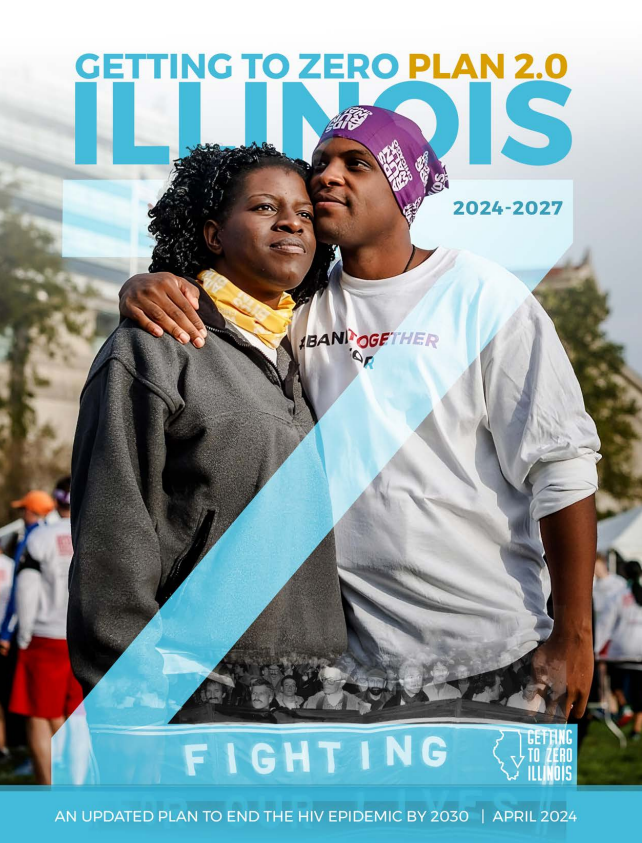
| Getting to Zero in Illinois | The Getting to Zero Illinois (GTZ-IL) initiative is a statewide effort aimed at ending the HIV epidemic by 2030. It focuses on reducing new HIV transmissions to zero and ensuring equitable access to care for all people living with HIV. Through a combination of prevention strategies, such as expanded access to PrEP (pre-exposure prophylaxis) and widespread HIV testing, alongside robust support for treatment and care, GTZ-IL addresses the systemic barriers contributing to health disparities. By prioritizing collaboration among healthcare providers, community organizations, and policymakers, the initiative works to create a future where HIV is no longer a public health threat in Illinois. | Click Image Below to Learn More | Click Image Below to Download GTZ-IL Plan | Click Image Below to View HIV Dashboard | |
HIV Risk and Prevention
How to Protect Yourself and Others
| |
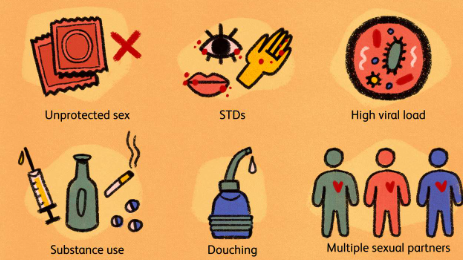
HIV risk factors include unprotected sex, sharing needles, and having multiple sexual partners, among others. Certain groups, such as men who have sex with men, people with untreated sexually transmitted infections (STIs), and individuals with compromised immune systems, are at higher risk. Prevention methods like consistent use of condoms, pre-exposure prophylaxis (PrEP), and regular HIV testing are essential in reducing the risk of transmission. Additionally, harm reduction strategies, such as needle exchange programs, play a crucial role in preventing the spread of HIV. Awareness, education, and access to preventive resources are key to protecting individuals and communities.
| Who's is at Risk for HIV? | |
HIV.gov Reports
June 15, 2022
| |
HIV can affect anyone regardless of sexual orientation, race, ethnicity, gender, age, or where they live. However, certain groups of people in the United States are more likely to get HIV than others because of particular factors, including the communities in which they live, what subpopulations they belong to, and their risk behaviors.
Communities. When you live in a community where many people have HIV, the chance of being exposed to the virus by having sex or sharing needles or other injection equipment with someone who has HIV is higher. You can use CDC’s HIV, STD, hepatitis, and tuberculosis Atlas Plus to see the percentage of people with HIV (“prevalence”) in different U.S. counties and states, as well as other data. Within any community, the prevalence of HIV can vary among different subpopulations.
Subpopulations. In the United States, gay, bisexual, and other men who have sex with men are the population most affected by HIV. According to CDC, of the 30,635 new HIV diagnoses in the U.S. in 2020, 68% (20,758) were among gay and bisexual men.a By race/ethnicity, Blacks/African Americans and Hispanics/Latinos are disproportionately affected by HIV compared to other racial and ethnic groups. Also, transgender women who have sex with men are among the groups at highest risk for HIV infection. People who inject drugs remain at significant risk for getting HIV as well.
| Who is most at risk for HIV? | |
Centers for Disease Control and Prevention Reports
February 7, 2022
| Prevention: Let's Stop HIV Together | |
Today, more tools than ever are available to prevent HIV, other STIs, and mpox and it starts with knowing your status.
| |
HIV info and NIH.gov Reports
December 11, 2023
| The Basics of HIV Prevention |
-
Protect yourself during sex: To reduce your risk of getting HIV, use condoms correctly every time you have sex.
-
Protect yourself if you inject drugs: Do not inject drugs. If you do, use only sterile injection equipment and water, and never share your equipment with others.
-
Protect yourself by taking PrEP: If you do not have HIV but are at risk of getting HIV, talk to your health care provider about pre-exposure prophylaxis (PrEP). PrEP involves taking a specific HIV medicine every day or an injectable HIV medicine every two months to reduce the risk of getting HIV through sex or injection drug use.
- Protect others if you have HIV: Take HIV medicine (called antiretroviral therapy or ART) as prescribed by your doctor. ART can reduce the amount of HIV in the blood (called viral load) to the point where a test cannot detect it (called an undetectable viral load). If you have an undetectable viral load, you will not transmit HIV to your partner through sex.
- Prevent perinatal transmission: If you have HIV and take HIV medicine as prescribed by your doctor throughout pregnancy and childbirth, the chances of transmitting HIV to your baby are less than 1%. If you have a partner with HIV and are considering getting pregnant, talk to your doctor about PrEP to help protect you and your baby from getting HIV while you try to get pregnant, during pregnancy, or while breastfeeding.
| |
HIV.gov Reports
June 27, 2024
|
What is PrEP?
PrEP, or pre-exposure prophylaxis, is medicine people at risk for HIV take to prevent getting HIV from sex or injection drug use. PrEP can stop HIV from taking hold and spreading throughout your body.
Currently, there are two FDA-approved daily oral medications for PrEP. A long-acting injectable form of PrEP has also been approved by the FDA.
Why Take PrEP?
PrEP is highly effective at preventing HIV when taken as indicated.
PrEP reduces the risk of getting HIV from sex by about 99% when taken as prescribed. Among people who inject drugs, it reduces the risk by at least 74% when taken as prescribed. PrEP is much less effective when it isn't taken consistently.
| HIV PrEP: Protect Yourself Against HIV | |
Reducing the HIV Stigma
Building Awareness and Fostering Acceptance
| Reducing the stigma around HIV is crucial to ensuring that individuals affected by the virus feel supported and empowered to seek testing, treatment, and care. Stigma often leads to discrimination, isolation, and reluctance to get tested, which can worsen health outcomes. Public education, open conversations, and positive representation of people living with HIV can help break down misconceptions and create a more inclusive environment. By fostering acceptance and understanding, we can encourage individuals to take preventive measures, seek treatment, and ultimately reduce the transmission of HIV. | |
Centers for Disease Control and Prevention Reports
December 11, 2023
| Ways to Stop HIV Stigma and Discrimination | |
Know how talk about HIV to avoid stigma. The words we use matter. Keep in mind that:
- When talking about HIV, certain words and language may have a negative meaning for people at high risk for HIV or those who have HIV.
- We can do our part to stop HIV stigma by being intentional and thoughtful when choosing our words, and choosing to use supportive—rather than stigmatizing— language when talking about HIV.
Consider using the preferred terms below to avoid promoting stigma and misinformation around HIV.
| |
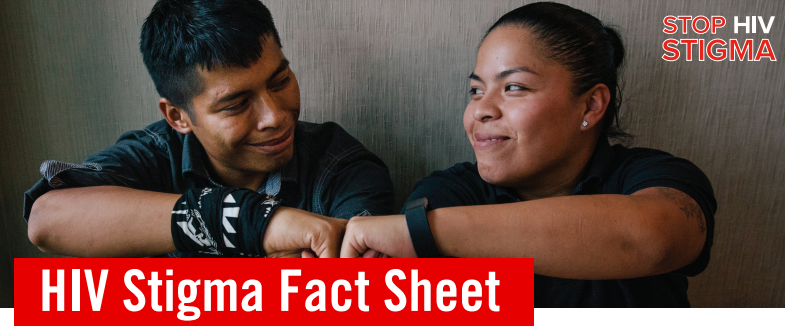
Click Image Below to View HIV Stigma
Fact Sheet
| CDC | Reducing HIV Stigma | How can parents support youth to reduce enacted HIV stigma? | Stigma & Discrimination Against People Living With HIV & AIDS . | Fahmida Iqbal Khan | TEDxNUST | HIV/AIDS Health Disparities | |
Dear Readers,
On this World AIDS Day, we stand at the intersection of two vital aspects of human existence – health and equality. Health disparities, unfortunately, remain a stark reality, and the fight against HIV/AIDS serves as a poignant reminder of the work that still lies ahead.
The prevalence, burden, and mortality of HIV/AIDS are much greater for African Americans than any other racial group in the United States. Since HIV/AIDS was first discovered in the early 1980s, the proportion of known cases has decreased among Whites and increased among African Americans.
While significant progress has been made in the field of HIV/AIDS research and treatment, disparities persist, affecting African-American communities disproportionately. Social determinants such as socioeconomic status, education, and access to healthcare continue to widen the gap in health outcomes. Stigma also plays a critical role in exacerbating these disparities, often preventing individuals from seeking testing, treatment, and support. This societal stigma surrounding HIV/AIDS can lead to shame, discrimination, and isolation, further hindering efforts to address the epidemic effectively.
Prevention remains at the core of our collective efforts to reduce the impact of HIV/AIDS, and understanding the risk factors is essential to this cause. Engaging in practices such as consistent condom use, access to pre-exposure prophylaxis (PrEP), and regular HIV testing are vital in stopping the spread of the virus. Furthermore, increasing awareness of behaviors that increase risk, such as unprotected sex and sharing needles, can help individuals make informed decisions and take proactive steps toward protecting their health.
This World AIDS Day, let us collectively pledge to dismantle the barriers that perpetuate health inequalities. This entails championing accessible healthcare, fostering education and awareness, and creating a compassionate environment that encourages individuals to seek help without fear of judgment or discrimination.
As we commemorate this day of reflection and action, let our voices rise in unison against the injustices that undermine the well-being of our communities. Together, we can pave the way for a future where HIV/AIDS health disparities, stigma, and preventable infections are but a distant memory.
Thank you for joining me on this journey towards a healthier, more equitable world.
Wishing you wellness and solidarity,
Dr. Chezalyn Grant, ND
Health Equity Coordinator for State Rep. La Shawn K. Ford
| |
CAP 20 Action Reports
July 27, 2012
| HIV/AIDS Inequality: Structural Barriers to Prevention, Treatment, and Care in Communities of Color | |
For the first time in more than two decades the International AIDS Conference returns to the United States and this week more than 20,000 delegates from nearly 200 countries are in Washington D.C. discussing a wide array of HIV/AIDS related issues, including the troubling racial disparities of our domestic HIV epidemic, specifically:
- African Americans, who make up only 14 percent of the U.S. population, make up 44 percent of the HIV-positive population.
- Latinos face three times the HIV infection rates as whites.
- Men who have sex with men represent 2 percent of the U.S. population but account for 61 percent of all new HIV infections.
| |
National Institutes of Health Reports
February 19, 2021
| To end HIV epidemic, we must address health disparities | Scientific strides in HIV treatment and prevention have reduced transmissions and HIV-related deaths significantly in the United States in the past two decades. However, despite coordinated national efforts to implement HIV services, the epidemic persists, especially in the South. It also disproportionately impacts marginalized groups, such as Black/African-American and Latinx communities, women, people who use drugs, men who have sex with men, and other sexual and gender minorities. | |
HIV. gov Reports
January 20, 2023
| What Is the Impact of HIV on Racial and Ethnic Minorities in the U.S.? | |
HIV can affect anyone regardless of sexual orientation, race, ethnicity, gender, age, or where they live. However, in the United States, some racial/ethnic groups are more affected than others, compared to their percentage of the population. This is because some population groups have higher rates of HIV in their communities, thus raising the risk of new infections with each sexual or injection drug use encounter. Additionally, a range of social, economic, and demographic factors such as stigma, discrimination, income, education, and geographic region can affect people’s risk for HIV as well as their HIV-related outcomes.
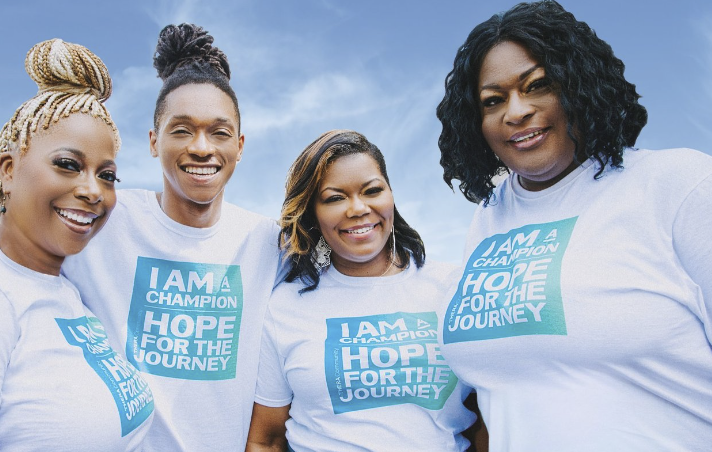
| I Am a Champion Hope for the Journey | |
The mission of the I AM A CHAMPION | HOPE FOR THE JOURNEY campaign is to share the stories of African Americans with HIV who take on the hard tasks of fighting against stigma, advocating for the future and holding space for others who need to be empowered. In keeping with the Griot oral traditions of the West African Mande empire of Mali, the I AM A CHAMPION campaign creates safe spaces for authentic storytelling.*
*CDC estimates that, as of 2019, about 1.2 million people in the U.S. have HIV.
In 2019, Black people accounted for 13% of the U.S. population but 40% (479,300) of people with HIV.
| Click Images to Learn More |
Learn how to Show Your Support for
World Aids Month
|
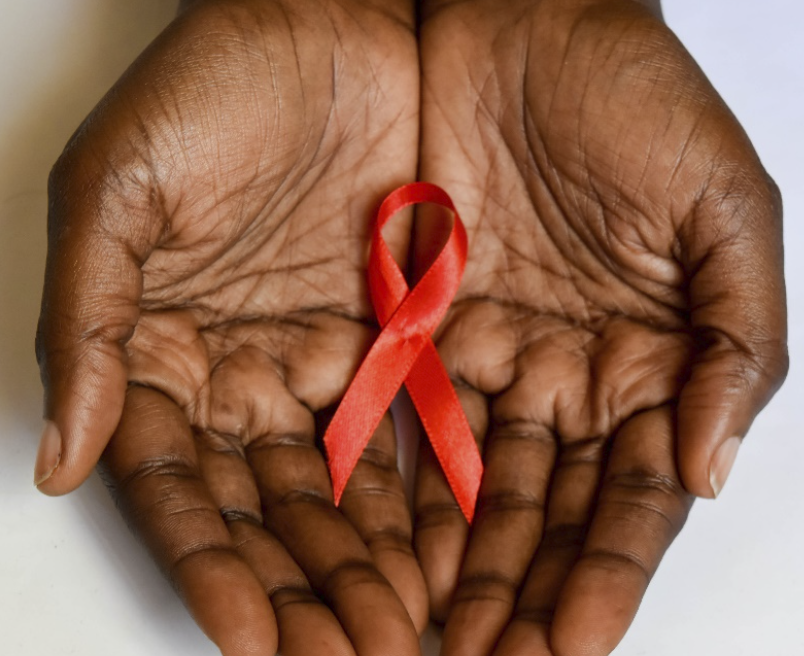
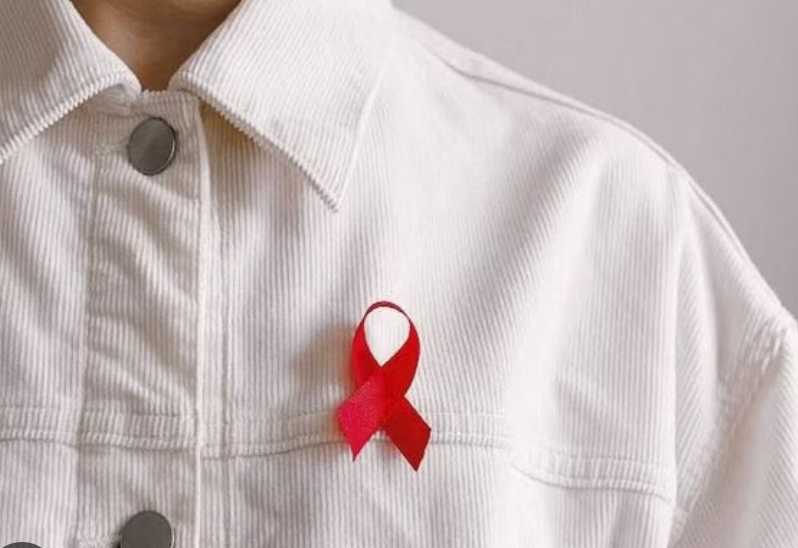
Wearing a red ribbon in your lapel is the most broadly recognized way of showing your support on World AIDS Day. Red symbolizes blood, and the pain caused by the disease, anger about global inaction to fight the epidemic, a warning to take the disease seriously, and a symbol of love, passion, and tolerance towards those affected by the disease. Check online to find a ribbon supplier that supports a charitable cause.
| |
Donate to an AIDS Charity | |
|
There are a host of national and international nonprofits devoted to fighting the disease and problems associated with its spread. Check online and consider whether you’d like to support an organization in the United States, where deaths have been declining since the mid-1990s but infection continues to affect thousands of people each year, or perhaps an organization focused on infection in Sub-Saharan Africa, where Adult HIV Prevalence has reached 1 in 20 people and 1.2 million people die of HIV/AIDS each year.
| |
Attend a Candlelight Vigil | |
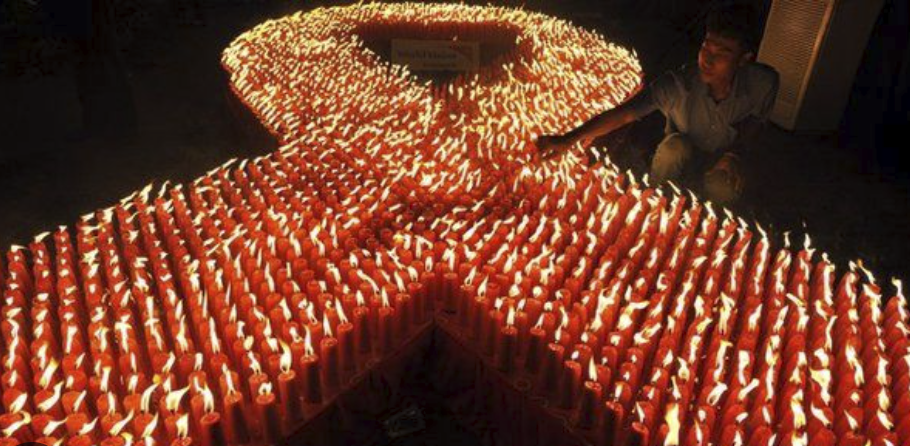
Most major cities in the U.S. host candlelight vigils on World AIDS Day as a way of visually commemorating those lost to the disease and vowing to fight it in the future. Check online to find a vigil near you and head along to show your support. Don’t forget to share your experience on social media to ensure that the idea is brought to the front of mind for your friends, and to demonstrate your support. | |
Rep. Ford's Job Highlights | |
Click Below to View Job Highlights of the Week | | | | |