Social Engineering - Part 1
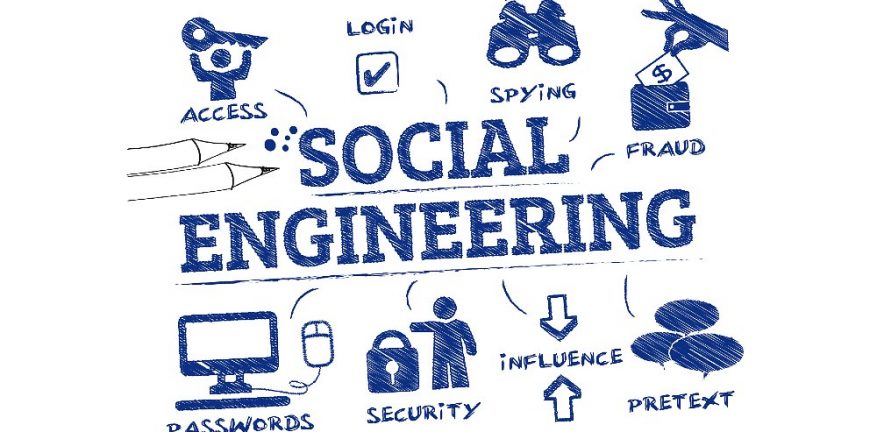
In recent years, social engineering has become an increasingly common tactic used by bad actors in an attempt to gain access to sensitive information and carry out malicious activities online. Social engineering involves using psychological manipulation to trick individuals into divulging confidential information or performing actions that compromise their security.
One of the most common attempts at this might be an email that is seemingly from Microsoft, for example, that asks for your password or tells you you need click to keep your password or something like that. It should be noted that Microsoft will never ask you for your password or ask you to click an email to keep the same password.
There are many types of techniques that someone looking to use social engineering might use. These types include:
Phishing
Phishing is one of the most prevalent social engineering techniques used online. It involves using deceptive emails or messages to lure victims into providing sensitive information such as login credentials or financial information. The previously mentioned Microsoft example would be a phishing attempt. Phishing emails often appear to come from trusted sources such as banks or other legitimate companies, making it difficult for individuals to identify them as fraudulent.
To protect yourself from phishing attacks, it's important to be wary of any emails or messages that ask for personal information or prompt you to click on a link. Always check the sender's email address and look for any suspicious or unusual elements in the message.
Spear Phishing
Spear phishing is a more targeted form of phishing that involves tailoring messages to specific individuals or groups. Attackers may research their victims on social media or other online platforms to gather personal information that they can use to craft a convincing message. For example, if someone can find a post you made online where you mention problems with E-Z Pass, they can look to target you by referencing something about that issue to try and trick you into believing the email is legitimate.
To protect yourself from spear phishing attacks, be careful about sharing personal information online, and avoid clicking on links or downloading attachments from unknown sources.
The next edition of Tech Talk News will cover additional forms of social engineering to be aware of.
If you'd like help eliminating more spam and attacks from your organization's emails, receive user training and testing related to these types of threats, are concerned with the legitimacy of an email and/or have concerns about a potentially successful social engineering attempt, please feel free to reach out to our offices so that we can discuss these things with you.