|
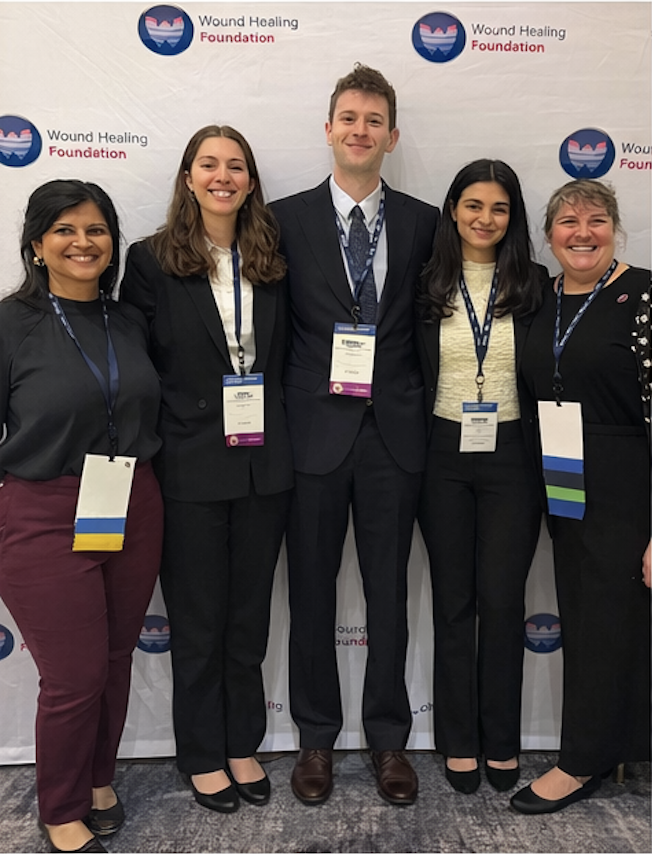
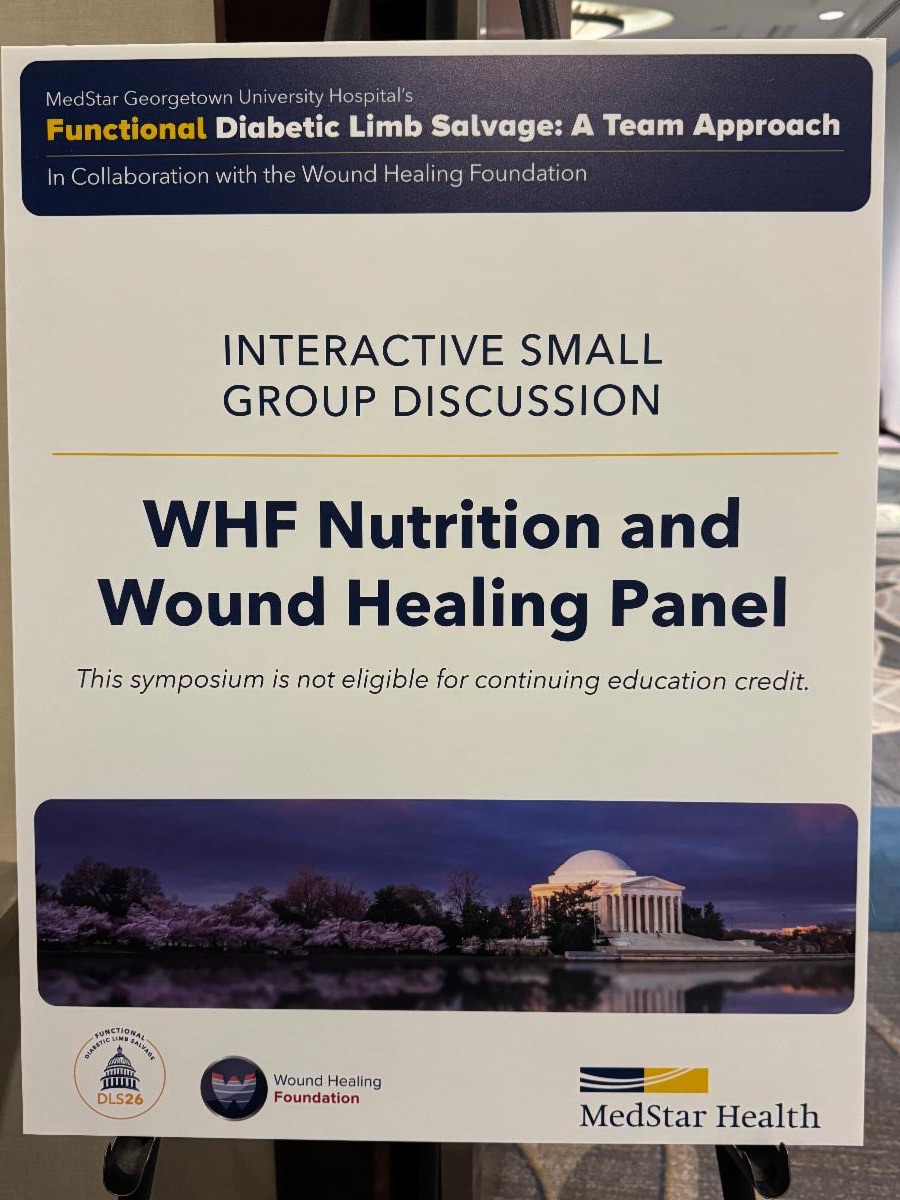
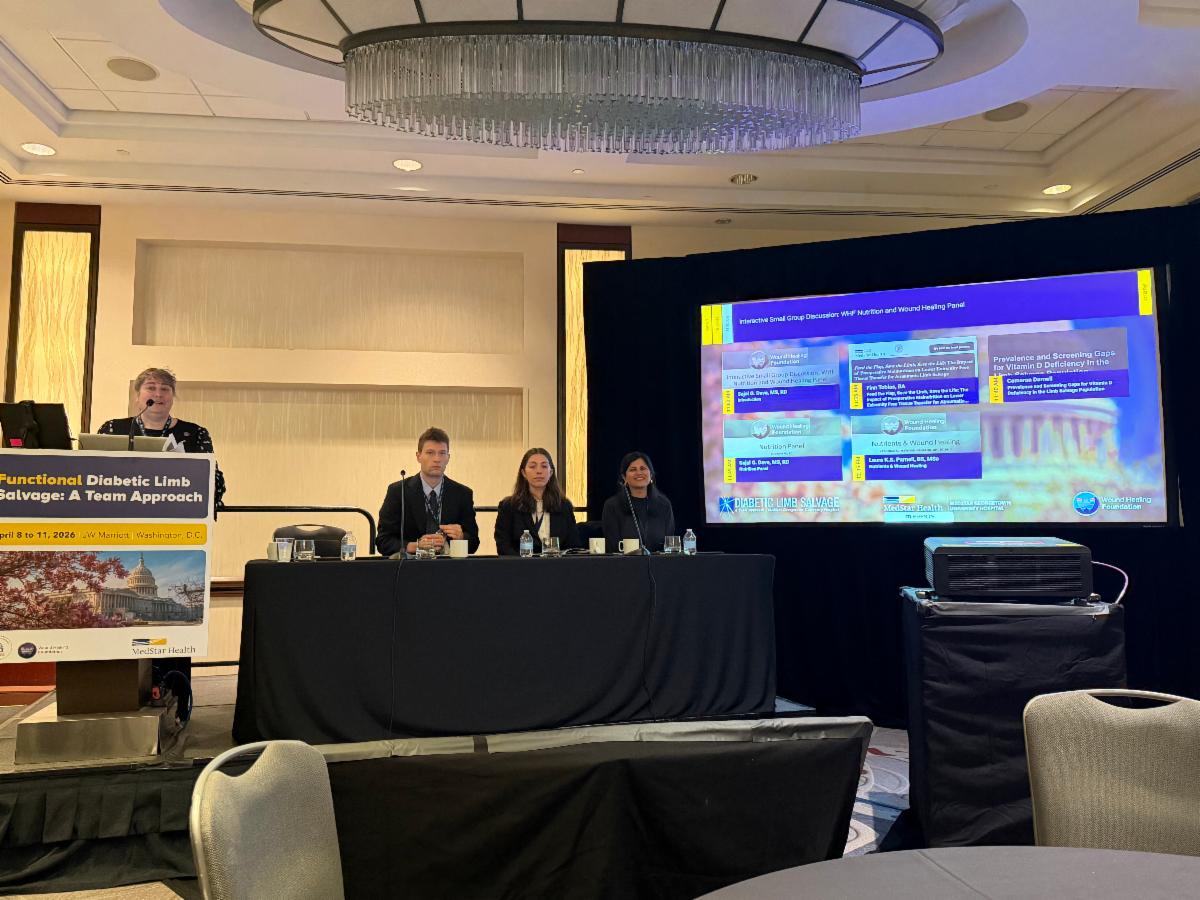
The Wound Healing Foundation's Interactive Small Group Discussion: WHF Nutrition and Wound Healing Panel was one of the opening workshops at the 2026 DLS and WHF conference. The focus of the back-to-back workshop was educating on the impact nutrition has on wound healing. Sejal Dave, Finn Tobias, Cameron Darnell, and Laura Parnell presented. This is Part 2 of 2 workshop summaries.
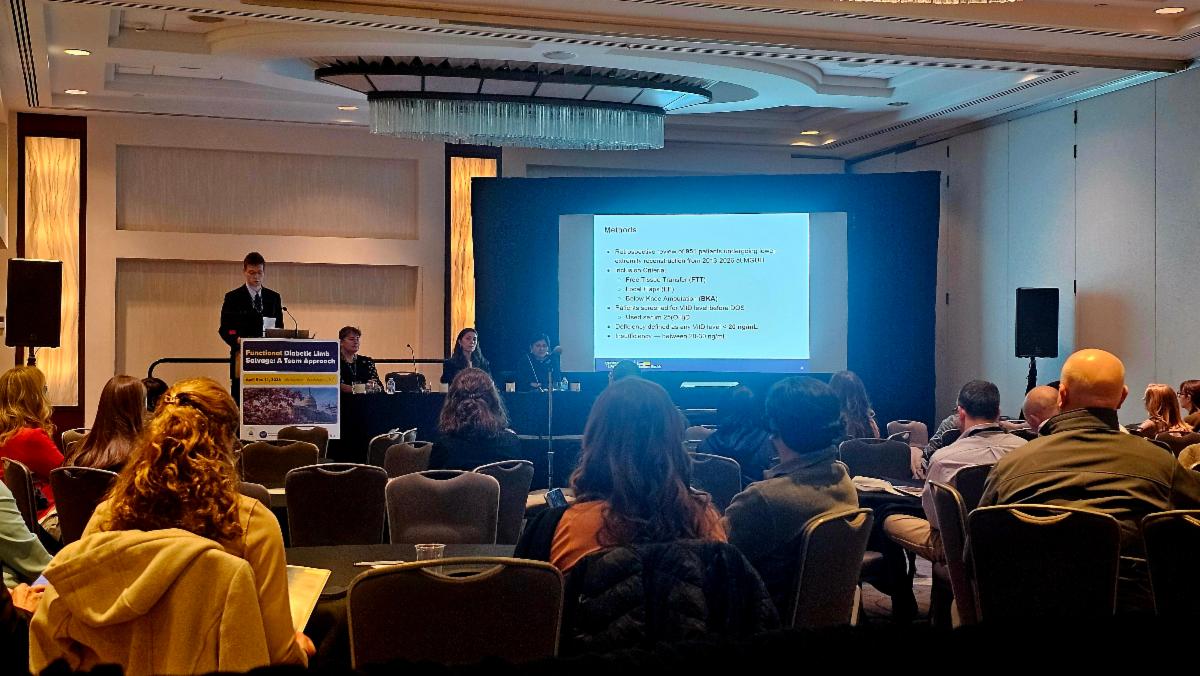
Medical students Finn Tobias, BA and Cameron Darnell, BS gave brief summaries of their clinical retrospective review findings that showed real world nutritional impacts on healing.
Ms. Tobias' research entitled, "Feed the Flap, Save the Limb, Save the Life: The Impact of Preoperative Malnutrition on Lower Extremity Free Tissue Transfer for Atraumatic Limb Salvage" looked at the impact low pre-albumin and hypoalbuminemia has on wound healing. She found that "low prealbumin, which may reflect acute malnutrition, appears to contribute to flap-related complications, whereas hypoalbuminemia, which may reflect chronic malnutrition, correlates with long-term limb loss and mortality". Typically, only hypoalbuminemia is treated pre-operatively. Treating low pre-albumin pre-operatively should improve the patient's nutritional status and reduce surgical wound and flap complications.
Mr. Darnell's research entitled, "Prevalence and Screening Gaps for Vitamin D Deficiency in the Limb Salvage Population ", assessed if and when Vitamin D levels were measured, if supplementation occurred, and the surgical outcome. He showed that " Vitamin D deficiency is highly prevalent in patients with chronic lower extremity wounds but is infrequently assessed preoperatively. Given its role in wound healing and the ease of supplementation", Mr. Darnell's institution has now implemented routine screening of all patients preoperatively.
The Wound Healing Foundation is delighted these medical students shared real world problems of wound healing and nutrition and the changes implemented to improve their patients' wound healing outcomes.
|