|
Black Maternal Health Week 2025
Centering the Voices, Wellness, and Rights of Black Mothers
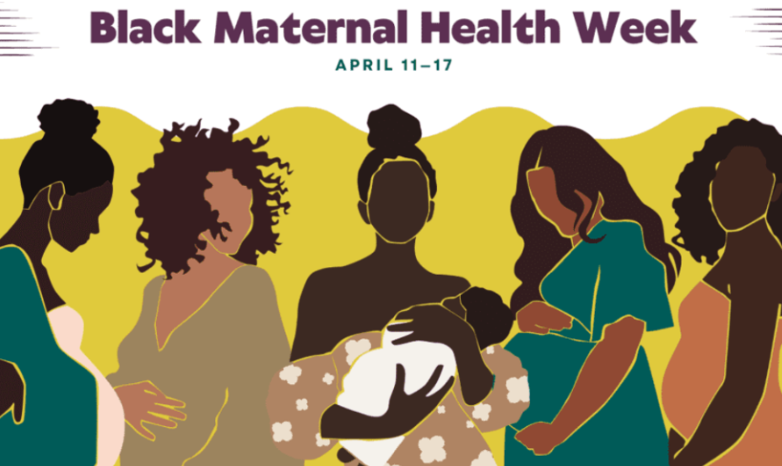
| | Black Maternal Health Week, observed from April 11th to April 17th, aims to raise awareness about the maternal health crisis affecting Black women in the U.S. This week focuses on addressing the disparities in maternal health outcomes, advocating for policy changes, and highlighting the importance of culturally competent care. It also emphasizes the need for increased support for Black mothers and families, addressing systemic barriers, and promoting health equity. Through education, advocacy, and community engagement, Black Maternal Health Week strives to create lasting change and improve maternal health outcomes for Black women. | | Click image below to view HR0237, sponsored by State Rep. Sonya M. Harper. | | |
Theme of the Year
Healing Legacies: Strengthening Black Maternal Health Through Collective Action and Advocacy
| |
This year’s theme for Black Maternal Health Week, “Healing Legacies: Strengthening Black Maternal Health Through Collective Action and Advocacy,” emphasizes the power of honoring ancestral wisdom while mobilizing communities to create meaningful change. It highlights the importance of collective efforts—rooted in advocacy, cultural healing, and systemic reform—to address the ongoing maternal health crisis. By uplifting community voices and strengthening support networks, this theme calls for unity and resilience in the fight for equity and justice
in Black maternal health.
| |
Dr. Grant on Black Maternal Health
Prevention Starts Before Pregnancy
| |
Dear Reader,
As Black Maternal Health Week continues to shed light on urgent disparities, we are confronted with the stark reality that Black women face a daunting 3 times higher risk of maternal mortality compared to their White counterparts. This sobering statistic stems from a complex interplay of factors—socioeconomic disparities, cultural biases, racial discrimination, and limited access to quality healthcare.
Black women who have recently given birth are also disproportionately residing in areas with limited reproductive health resources. This places an additional burden on an already vulnerable demographic and highlights the urgent need for systemic reform and expanded access to care.
While the systemic issues and legislative hurdles contributing to the disproportionately high maternal mortality rate among African-American women may seem insurmountable, we do have the tools to make a difference. Astonishingly, 91 percent of maternal deaths are preventable with the right interventions and support.
One often-overlooked factor contributing to poor maternal outcomes is chronic illness—many of which are linked to being overweight or obese. According to the CDC, nearly 57% of Black women aged 20 and over are classified as obese. Obesity increases the risk of high blood pressure, gestational diabetes, preeclampsia, and complications during labor and delivery—all of which can turn a routine pregnancy into a high-risk situation.
This is not about appearance—this is about survival, strength, and creating the conditions for a healthy pregnancy and postpartum experience. By empowering ourselves with education and supportive resources, we can take proactive steps to improve our health before, during, and after pregnancy.
Here are a few tips for getting started:
- Start small – Incorporate 30 minutes of movement into your day, whether it’s walking, dancing, or stretching.
- Hydrate often – Drinking water instead of sugary drinks helps with metabolism and energy.
- Focus on whole foods – Lean proteins, leafy greens, fruits, and healthy fats support hormone balance and nourish the body.
- Find community – Join local wellness groups or virtual support networks that celebrate Black women’s health journeys.
- Prioritize sleep and stress management – Chronic stress increases cortisol, which can affect weight and overall well-being.
Research into alternative birthing options presents another promising path forward. Studies on birth centers show better health outcomes, including lower rates of C-sections and fewer severe maternal complications. The personalized care offered in these settings has also earned high satisfaction among birthing individuals.
Governor Pritzker's proposal to allocate $23 million toward improving birth equity and maternal health outcomes for Black women—along with expanding access to birthing centers for low-income expectant mothers—is a step in the right direction. Still, it's important to recognize that many Black women are categorized as high-risk due to chronic health conditions and therefore may not qualify for these centers.
This makes it all the more critical to invest in preconception health, chronic disease prevention, and weight management support. When Black women are equipped with the tools to achieve and maintain a healthy weight, we open doors to safer pregnancies, lower mortality rates, and generational wellness.
Beyond resource allocation, legislative action must prioritize preventive medicine and dismantle the structures that perpetuate health disparities. This is how we build a more equitable healthcare system for all.
Through relentless dedication and unified action, we can work toward a future where every Black woman receives the care, dignity, and support she deserves during pregnancy and childbirth.
Chezalyn Grant, ND
Health Equity Coordinator
Office of State Rep. La Shawn K. Ford
| | Words & Wombs Create Worlds: The Black Maternal Health Crisis | | |
Northwestern Reports
March 19, 2025
| Improving Black Maternal Health Open House | | |
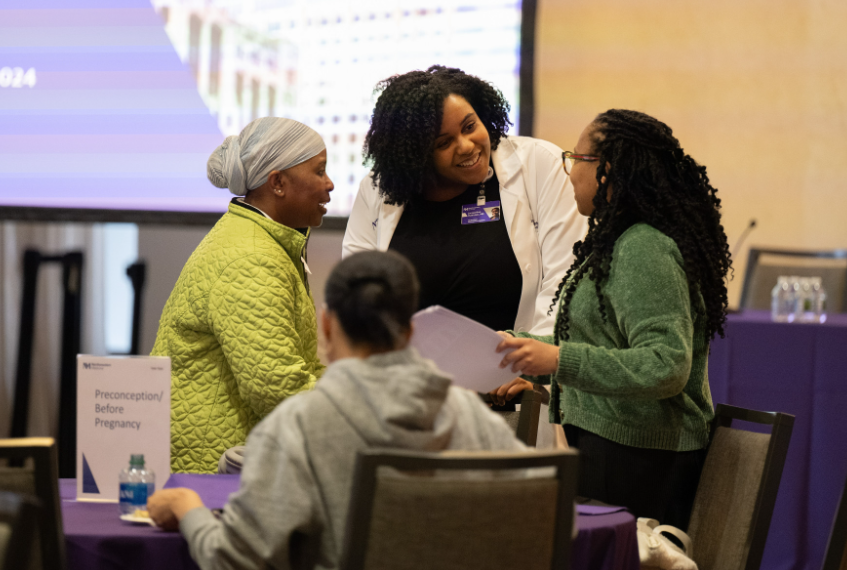
CHICAGO – March 19, 2025 – Black Maternal Health Week is recognized from April 11-17, a time to raise awareness that Black women in the United States are dying from pregnancy-related causes at a higher rate. Northwestern Medicine's Obstetrics and Gynecology Department is hosting an educational session and open house on Tuesday, April 15, at Prentice Women's Hospital to raise awareness for Black maternal health.
What: Improving Black Maternal Health Open House
When: Tuesday, April 15, from 5-7:30 pm
Where: Prentice Women's Hospital, third floor atrium, 250 East Superior Street, Chicago
Parking: With registration, attendees can park in Northwestern Medicine Parking Garages A (222 East Huron Street), C (321 East Ontario Street) and D (321 East Ontario Street) at no charge
| Northwestern Medicine hosting Black Maternal Health Open House | | Black Mamas Matter Alliance Reports |
The events and programming planned for #BMHW25 will offer opportunities to engage in activities and conversations that honor the values and traditions of the Reproductive and Birth Justice Movements.
BMMA does not have chapters. The alliance is composed of existing Black-women led organizations and individuals whose work is deeply rooted in reproductive justice, birth justice, and the human rights framework. During BMHW, we encourage supporters to engage with and attend local events hosted by the organizations and partners in our Alliance, or support birth and reproductive justice Black-led efforts locally.
Click on each flyer for their perspective links to access or register for the event.
| Every Baby Guilford Hosts 2025 Black Maternal Health Week: Family Day | | |
ABC News Reports
April 11, 2025
| | Black Maternal Health Week: Mamma Jamma helping mothers through dance | | |
CHICAGO (WLS) -- Friday was the first day of Black Maternal Health Week.
One Chicago woman is using dance to close the gap on the disparities Black women face during and after pregnancy.
Kemeera Nimahat is the CEO of Mamma Jamma Dance & Maternal Wellness.
"My movements are designed to help balance muscles and tissues, help create space in the body," Nimahat said.
The Mamma Jamma dance class intentionally crafts moves with a pregnant and postpartum body in mind.
"I feel like it keeps me going like, I'm still myself at the same time as I'm carrying another human being," dance client Ameri Reese Jelani said.
| | |
Nexstar Media Group Reports
April 11, 2025
| Springfield kicks off Black Maternal Health Week with 3rd annual celebration at City Hall | | |
SPRINGFIELD, Mass. (WWLP) – Massachusetts state and local officials filled city hall with deep emotions as they talked about their connection to supporting Black mothers, birthing people and families.
If they don’t say something, they told 22News, it doesn’t help anyone. They’re hoping others do the same.
This year, communities across the U.S are Healing Legacies: Strengthening Black Maternal Health Through Collective Action and Advocacy. That’s the 2025 theme for celebrating Black Maternal Health Week
| | |
Democratic National Convention Reports
April 11, 2025
| |
DNC Statement on Black Maternal
Health Week
| |
To mark the start of Black Maternal Health Week, DNC Chair Ken Martin and Associate Chair Congresswoman Joyce Beatty released the following statement:
“Black women are three and a half times more likely to die of pregnancy-related complications than their white counterparts in America, and Donald Trump is actively working against the safeguards and research that would improve this glaring disparity.
“Black women should not have to live in fear during the course of their pregnancy or need to fight to receive quality health care. Yet, the MAGA Trump administration is working to sabotage Medicaid, which covers two-thirds of all births for Black mothers, to priding himself on disproportionately ripping reproductive health from Black women by overturning Roe, it’s clear that Trump and his loyal MAGA Republicans are focused on worsening health outcomes for Black mothers instead of improving them. While Trump does everything in his power to rip away health care from Black mothers, Democrats are fighting back to ensure Black mothers have the care they deserve.”
| |
The Grio Reports
April 11, 2025
| Black Maternal Health Week kicks off today. Has the needle moved on the Black maternal health crisis? | | |
The 2025 Black Maternal Health Week (BMHW25), which lasts through Thursday, April 17, kicks off today with the theme “Healing Legacies: Strengthening Black Maternal Health Through Collective Action and Advocacy.”
The theme “emphasizes the power of Black-led perinatal, maternal, and reproductive health organizations to drive systemic change and foster community healing,” according to the organizers’ official website. This year’s theme is also holding space for the continued systemic oppression, “reproductive injustices and health inequities” that disproportionately impact Black mothers and birthing people.
| |
“Some Black women I’ve spoken with are now scared to get pregnant as if there is something broken in us. Because our lives are so often framed in a ‘culture of poverty’ narrative, I fear that we have internalized the problem and made ourselves the cause when the truth is we are being treated unfairly, disrespectfully, at worst criminally, or not treated at all.”
-Tatyana Ali, American actress and singer
| |
The Reality
Why Black Maternal Health Can’t Wait
| Black women in the U.S. are three to four times more likely to die from pregnancy-related causes than white women, a disparity driven by systemic racism, implicit bias, and inequities in healthcare access. These statistics are not just numbers—they reflect preventable tragedies and generations of injustice. This section shines a light on the structural issues that continue to threaten Black maternal health and the urgent need for reform. | |
The Black Maternal Health Federal Policy Collective News Reports
April 10, 2025
| State of Maternal Health 2025 | A surge of maternal health advocacy in the United States that began in 2014 has achieved greater investment in research, programs, care quality, and insurance coverage of maternal health. Today, as a result, many more individuals and families can access high-quality perinatal care that meets their needs. That is something worth celebrating—but evidence shows that more progress is still needed. | U.S. Centers for Disease Control and Prevention Reports | Maternal Mortality Rates in the United States, 2023 | In 2023, the maternal mortality rate for Black women was 50.3 deaths per 100,000 live births and was significantly higher than rates for White (14.5), Hispanic (12.4), and Asian (10.7) women. | |
U.S. News Reports
February 7, 2025
| Black Maternal Deaths Remain High Despite Overall Decline In U.S. | |
FRIDAY, Feb. 7, 2025 (HealthDay News) -- While maternal deaths in the U.S. declined in 2023, Black women still died at more than three times the rate of white women during pregnancy or childbirth, highlighting widening racial disparities in maternal health.
The U.S. Centers for Disease Control and Prevention's just-released annual report showed that 669 women died in 2023 of pregnancy-related causes, a drop from 817 deaths in 2022 and 1,205 in 2021, when the COVID-19 pandemic drove maternal deaths to a 50-year high, the Associated Press reported.
| |
University Health Reports
April 11, 2025
|
The Sobering Facts About Black
Maternal Health
| |
Black women are twice as likely as White women to die from a pregnancy-related condition, according to last year’s Maternal Mortality in Illinois Report.
That report also found 91% of those deaths were preventable.
The new documentary “The Fight for Black Lives” chronicles the stories of Black mothers who faced racial inequities in the health care system. The film comes as Gov. J.B. Pritzker is proposing $4 million dollars in his new budget proposal aimed at
addressing the issue.
| | New documentary sheds light on epidemic of Black maternal deaths | Nightline | | Mom shares her story as Hulu documentary 'Aftershock' confronts Black maternal health crisis | Black Maternal Health Week: Highlighting Disparities and Inspiring Stories of Resilience | Black maternal health week: Understanding racial disparities in pregnancy | |
Illinois Launches Maternal Health Initiative
Targeting Racial Disparities and Supporting Black Mothers Statewide
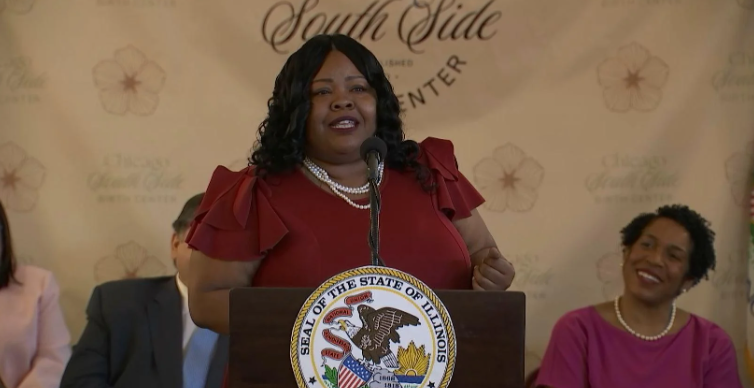
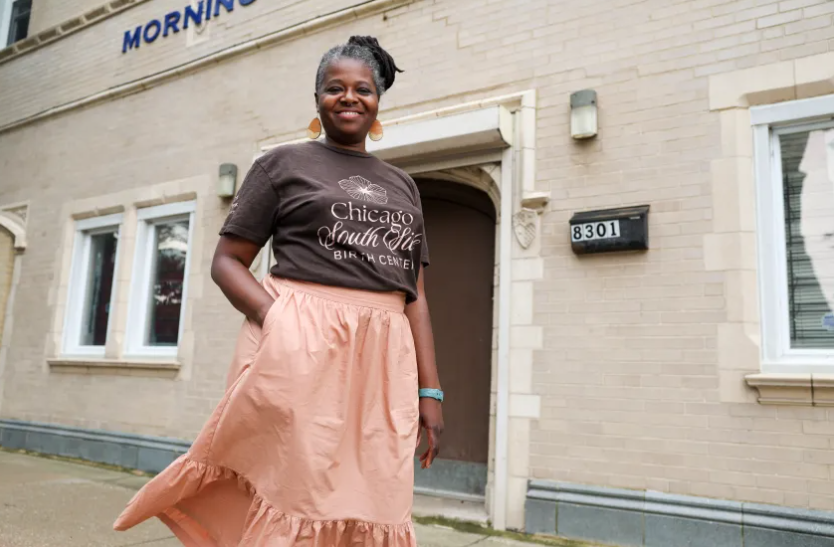
| Governor JB Pritzker and Lt. Governor Juliana Stratton announced a $23 million investment in the FY2025 budget to improve birth equity across Illinois, with a strong focus on supporting Black mothers. Unveiled at the Chicago South Side Birth Center, the initiative includes expanded funding for community-based care, home visiting programs, a new child tax credit, and a diaper distribution pilot. The plan also advances Medicaid reimbursement for doulas and lactation consultants, and supports midwifery and birth centers like CSSBC. With Black women three times more likely to die from pregnancy-related causes, this comprehensive effort is a bold step toward closing racial health gaps and ensuring all Illinois families have access to safe, respectful, and equitable maternal care. | |
The State of Illinois Reports
February 26, 2024
| Gov. Pritzker Announces New Maternal Health and Birth Equity Initiatives at South Side Birth Center | |
Across the nation, Black women are three times as likely to die from pregnancy-related causes than white women. To confront racial disparities in maternal mortality rates, Governor Pritzker announced a number of initiatives in the FY25 budget, to break down silos between agencies driving maternal health initiatives and uplift community-based care and local partnerships.
- With a proposed $4.4M allocation, the Illinois Department of Public Health (DPH) will create a statewide strategic plan and distribute Birth Equity Resource Building Grants to support the needs of community-based reproductive healthcare providers.
- The new budget also proposes $12M to establish a Child Tax Credit targeted at low-income families with children under three.
- The Governor is proposing a $5M increase to the DHS Home Visiting Program, which supports four evidence-based home visiting models: Early Head Start Home-Based (EHS), Healthy Families America (HFA), Nurse-Family Partnership (NFP), and Parents as Teachers (PAT).
- The budget also includes $1M to pilot a new DHS diaper distribution program and a $1M increase to the Illinois Reproductive Health Facilities Grant administered by the Department of Commerce and Economic Opportunity.
| Click image below to read HB0738, sponsored by State Rep. Mary E. Flowers. | |
CBS News Reports
February 26, 2024
| Gov. Pritzker proposes $23M for birth equity | |
CHICAGO (CBS) -- Governor JB Pritzker is calling for state money to make sure all Illinois women can have healthy and safe pregnancies.
The governor is proposing investing $23 million in the 2025 budget for birth equity.
"The maternal mortality rate for Black women in Illinois is three times the rate for white women," Pritzker said. "That is a shame, and we need to reverse that."
That includes $12 million for a child tax credit for low-income families with children under the age of three, $5 million to increase a home visit program for families, and $4.4 million for birth equity grants.
| |
Ever Thrive Illinois Reports
February 26, 2024
|
EverThrive IL applauds Governor Pritzker’s proposed investment to reduce
maternal mortality
| |
EverThrive Illinois applauds Governor Pritzker for reaffirming his commitment to improving Black maternal health in his State of the State address. Governor Pritzker proposed an investment of $23 million for programs and policies that aim to support families and keep Black women alive during and after pregnancy. Specifically, this funding would be used to:
- Create a new child tax credit for families with children under three;
- Create a monthly diaper allowance for families with low incomes;
- Increase funding for existing home visiting programs to connect families to services;
- Provide training for health care providers on billing insurance and Medicaid; and
- Expand access to birth centers statewide.
| |
ABC 7 News Reports
July 29, 2024
|
Gov. Pritzker signs Illinois birth equity initiative into law, celebrates
Medicaid expansion
| |
CHICAGO -- Gov. JB Pritzker signed a law Monday that expands insurance coverage during and after pregnancy with the goal of lowering infant and maternal mortality rates, especially for Black Illinoisans.
The law requires insurers that provide state-regulated health care plans to cover pregnancy and postpartum services for covered individuals, including midwife services, doula visits, and lactation consultants for up to 12 months after the end of a pregnancy. Licensed or certified midwives will need to be covered by insurance providers starting 2025, while all other outlined services must be covered by January 2026.
| Gov Pritzker signs birth equity initiative | |
WTTW News Reports
February 26, 2024
| New Birth Center to Open on South Side as Pritzker Touts Proposed Maternal Health Spending | |
State and community leaders on Monday celebrated the planned opening of a new freestanding birth center on Chicago’s South Side while emphasizing proposed maternal health spending increases in Gov. J.B. Pritzker’s budget.
The nonprofit Chicago South Side Birth Center will mark the city’s second active midwife-led birth center, but the first for the South Side. Advocates say the Black-led center offers safe birthing alternatives in a medically underserved area of the city.
Jeanine Valrie Logan, a midwife and leader at the Chicago Beyond philanthropic organization that helped launch the birth center, said the push to create more options for family planning would have been impossible without a 2021 law that increased to 17, from 12, the number of birth centers allowed in Illinois.
| |
Chicago Tribune Reports
July 15, 2024
| Some have called the South Side a birthing ‘desert.’ A nurse midwife is working to change that. | |
Jeanine Valrie Logan sat in traffic for nearly two hours while she was in labor with her third child.
Logan was determined to have her daughter at a birth center — a type of small facility focused on childbirth, often staffed by midwives. But there weren’t any birth centers near her home in the south suburbs, so she traveled nearly 30 miles to Berwyn.
“I’m not an anomaly,” Logan said, of the time it took her to get to the birth center. “People deserve to have that access in their own community.”
Now, six years later, Logan is working to make that belief a reality. Logan, who is a certified nurse midwife, worked with lawmakers in recent years to expand the number of birth centers allowed in Illinois, and she is seeking permission from a state board to open a new birth center on the South Side of Chicago.
| Click image below to learn more information about the Chicago South Side Birth Center | |
Reclaiming the Birthing Experience
Why Birthing Centers Matter for
Black Women
| For Black women, birthing centers offer a powerful alternative to traditional hospital settings by providing culturally competent, respectful, and personalized care. In a healthcare system where Black mothers are disproportionately impacted by maternal mortality and mistreatment, birthing centers create a safer, more empowering space centered on trust and informed choice. With midwife-led support, low-intervention options, and a focus on the whole person, these centers honor the unique needs and experiences of Black women—helping to reclaim the birth journey with dignity, autonomy, and community care. | Hospital vs Birth Center: Midwife Rant | |
National Library of Medicine Reports
September 10, 2023
| An alternative model of maternity care for low‐risk birth: Maternal and neonatal outcomes utilizing the midwifery‐based birth center model | |
Women receiving midwifery‐based birth center care experienced lower rates of cesarean section (−12.2 percentage points, p < 0.001), low birth weight (−3.2 percentage points, p < 0.001), NICU admission (−5.5 percentage points, p < 0.001), neonatal death (−0.1 percentage points, p < 0.001), and higher rates of breastfeeding (9.3 percentage points, p < 0.001).
Conclusions
This analysis supports midwifery‐based birth center care as a high‐quality model that delivers optimal outcomes for low‐risk maternal/newborn dyads.
| Midwife Puts Focus On Black Maternal Health | |
National Library of Medicine Reports
April 2022
| We Are Not Asking Permission to Save Our Own Lives: Black-Led Birth Centers to Address Health Inequities | While favorable outcomes of birth centers are documented, Black-led birth centers and maternal health models are rarely highlighted. Such disparities are manifestations of institutional racism. A nascent body of literature suggests that culturally affirming care provided by Black-led birth centers benefit all birthing people—regardless of race. Birth Detroit is one such maternal health model led by Black women that offers a justice response to inequitable care options in Black communities. | Expectant Black mothers find support with doulas and midwives | Nightline | |
Birthing Center Access
Eligibility Guidelines for Expecting Patients
| Birthing centers offer a supportive, community-based alternative to hospital births, but eligibility is typically based on factors like low-risk pregnancy status, overall health, and gestational age. Patients must often undergo an initial assessment to ensure they meet clinical safety guidelines for out-of-hospital birth. Many birthing centers prioritize culturally competent care and welcome individuals seeking personalized, midwifery-led support. Medicaid and private insurance may be accepted, depending on the center. Understanding these eligibility requirements helps expecting parents make informed choices about where and how they want to give birth. | |
Our Birthing Center Reports
July 15, 2024
| | What is considered Low Risk? | | |
The following are some examples which would disqualify patients from delivering at Our Birthing Center.
- Blood pressure: Patients with hypertension (high blood pressure) are ineligible for delivery at the birthing center. That includes pre-pregnancy / chronic hypertension and preeclampsia which is pregnancy induced high blood pressure.
- Breech position: A client who presents with breech position does not meet risk criteria for delivery at OBC.
- Cardiovascular: patients with documented cardiovascular problems such as heart disease, pulmonary embolism, moderate to severe cardiac murmurs or symptomatic congenital heart defects.
- Chromosomal abnormalities evidenced in amniotic fluid.
- Diabetes- insulin controlled. Gestational diabetes which is diet controlled may be eligible if cleared by PCP.
- Epilepsy
- Fetal growth: If Estimated Fetal Weight is less than 2500 gm or greater than 4000gm.
- Genital Herpes- Active within one week of delivery.
- Infection: untreated vaginal, urinary, or skin infections.
- Kidney issues- patients with moderate to severe renal disease; pyelonephritis.
- Multiple gestation - Twins, triplets, etc.
- Oligohydramnios- a condition in pregnancy characterized by a deficiency of amniotic fluid.
- Known abnormalities of the Placenta
- Premature labor - before 37 weeks
- Post Term labor- past 42 weeks into the pregnancy
- STD’s: Patients with active Sexually Transmitted Diseases such as HIV.
- Substance abuse: women with a history of substance abuse
- Tuberculosis
- VBAC
| | |
Oula Reports
March 30, 2023
|
Birthing Center: What It Is & What
to Expect
| |
Who qualifies for a birthing center?
Because birth centers are out-of-hospital, only low-risk candidates are typically eligible to deliver there. The criteria for birthing centers are similar to that of home birth candidates. While each provider’s evaluation criteria for what deems someone “low-risk” enough to deliver safely at a birth center can vary a few common considerations include:
- A term pregnancy, between 37 to 42 weeks
- A single gestation pregnancy (in other words, not twins or triplets)
- A baby who is head down
- A placenta not covering the cervix at the time of labor
- No ongoing chronic medical conditions such as high blood pressure or diabetes managed with medication, clotting disorders, large or numerous fibroids, elevated BMI (greater than 40)
- No prenatal conditions such as gestational hypertension or gestational diabetes managed with medication
-
No history of a previous C-birth, though some birth centers are open to pregnant people who have already had a successful VBAC in a previous pregnancy. Read more about Types of Births: Differences & Benefits.
| | |
Barriers to Birthing Center Access
How Hypertension, Diabetes, and BMI Impact Black Women
| Black women are disproportionately affected by chronic conditions like hypertension, diabetes, and higher BMI, all of which can categorize a pregnancy as high-risk and limit eligibility for birthing center care. These health disparities are not just individual concerns—they reflect systemic inequities in access to preventive care, nutrition, and culturally competent medical support. As a result, many Black women are excluded from choosing lower-intervention, midwifery-led birthing options. Addressing these underlying health and social factors is critical to expanding access and ensuring that all women, regardless of race or risk status, have safe and empowering choices in their birth journey. | | |
Centers for Disease Control and Prevention Reports
March 30, 2023
| | Independent Association of Waist Circumference With Hypertension and Diabetes in African American Women, South Carolina, 2007–2009 | Obesity is associated with hypertension and diabetes, which are independent risk factors for cardiovascular disease (CVD); 53% of African American women are obese. Of the approximately 44% of African American women who are hypertensive, more than 87% are overweight or obese. Additionally, more than twice as many African American women (13.1%) as white women (6.1%) have been diagnosed with type 2 diabetes. Obesity is usually measured using body mass index (BMI). However, abdominal adiposity may be more predictive of CVD risk than BMI. This study investigates the independent association of waist circumference with hypertension and diabetes in African American women. | |
Franciscan Health Reports
March 25, 2023
|
Heart Disease And Hypertension In
Black Women
| |
Even though heart disease has long been understood to be the number 1 cause of both death and disability for men in the U.S., women have not always been aware that they are at nearly equal risk for heart disease and its complications. According to the American Heart Association (AHA), while more than 50,000 Black women die of heart disease each year, only about 36 percent of Black women understand that heart disease is their greatest health risk.
Black women had the highest rate of high blood pressure (58.4%) and obesity (57.9%), according to a January 2025 article in the AHA journal Circulation.
And that’s a problem. Black women also are at a higher risk of having hypertension, weight issues and diabetes—all major contributors to heart disease—than their non-Hispanic white counterparts. What’s more, the rate of Black women who die from heart disease is higher than that of non-Hispanic white women.
| |
American Heart Journal Reports
August 2021
| Cardiovascular Risk Factors in Younger Black Women: Results from the 10,000 Women Community Screening Project | The reasons driving the high proportion of CVD in black women are complex and centered around social determinants of health [1], [4], [7], [8], [9], [10], [11], [12], [13]. Hypertension (HTN) is one of the most significant contributors to cardiovascular morbidity and mortality among black women. It often occurs earlier, goes uncontrolled, and is associated with higher stroke and end-stage renal disease rates compared to caucasian people [1], [4], [7], [14]. From 2009 to 2012, the prevalence of HTN among black women aged 20 and older was approximately 11% higher than the adult average [7]. In 2011, black women had nearly twice the age-adjusted death rate per 100,000 attributable to hypertension – a finding consistent with other studies showing higher hypertension-related mortality among black women [1], [4], [7]. Moreover, black women are affected more by obesity and are less likely to be treated for conditions like hyperlipidemia than other groups [1], [9], [10], [11]. | |
Closing the Gap
Advancing Solutions to Address Black Maternal Health Inequities
| | Addressing health inequities in Black maternal health requires bold, community-driven solutions that prioritize racial justice, cultural competency, and access to quality care. Black women face significantly higher risks of complications and maternal mortality due to systemic racism, bias in healthcare, and lack of supportive services. Effective solutions include expanding access to midwives and doulas, funding community-based care, improving Medicaid coverage, and investing in maternal health programs designed by and for Black communities. By centering Black voices and dismantling barriers, we can create a maternal health system that is equitable, respectful, and life-affirming. | | |
Centers of Disease Control and Prevention Reports
April 8, 2024
| Working Together to Reduce Black Maternal Mortality | Each year in the United States, hundreds of people die during pregnancy or in the year after. Thousands more have unexpected outcomes of labor and delivery with serious short- or long-term health consequences. Every pregnancy-related death is tragic, especially because more than 80% of pregnancy-related deaths in the U.S. are preventable. Recognizing urgent maternal warning signs, providing timely treatment, and delivering respectful, quality care can prevent many pregnancy-related deaths. | |
US News Reports
April 11, 2024
| | Black Maternal Health Week 2024: U.S. News Recognizes U.S. Hospitals With Excellent Black Patient Outcomes | | |
Washington, D.C. – For Black Maternal Health Week 2024, U.S. News & World Report, the global authority in hospital rankings and consumer advice, today recognized High-Performing Maternity Care Hospitals’ success in supporting Black maternal health.
U.S. News’ analysis of all High-Performing Maternity Care Hospitals in the U.S. identified 26 hospitals in 13 states achieving excellent outcomes for cesarean section and unexpected newborn complications among Black patients.
“For Black Maternal Health Week 2024, we celebrate these hospitals' success in their important work supporting and advancing Black maternal health as part of U.S. News’ ongoing commitment to health equity and our support of women’s access to maternity care,” said Jennifer Winston, Ph.D., health data scientist at U.S. News.
| |
|
CNN Reports
December 9, 2023
| | As the nation battles a maternal health crisis, more women of color are choosing birth centers over hospitals | |
Vernette Kountz had given birth to four children in hospitals — including a set of surrogate twins — before deciding she was ready for a different experience.
Kountz said while her previous deliveries had all been healthy and smooth, she felt her hospital and medical office visits were rushed, routine and impersonal.
“When you’re in this medical model, you feel kind of shuffled around, told what to do, you have all of these assessments and ultrasounds,” Kountz said. “It feels more so transactional and less intimate.”
So, in 2021, when Kountz found out she was pregnant with her fifth child, she decided to have the baby at the Atlanta Birth Center. The facility, she said, provided the holistic, personal and intimate care she had longed for as a mother and she had a water birth to deliver her son, Hudson.
Kountz said she valued the experience so much she’s preparing to deliver her sixth baby at the same birth center in January.
| | |
Mayo Clinic Reports
December 07, 2021
| Weight loss: 6 strategies for success | | |
Hundreds of fad diets, weight-loss programs and outright scams promise quick and easy weight loss. However, the foundation of successful weight loss remains a healthy, calorie-controlled diet combined with increased physical activity. For successful, long-term weight loss, you must make permanent changes in your lifestyle and health habits.
How do you make those permanent changes? Consider following these six strategies for weight-loss success.
| | |
Resources for Black Women Planning to Conceive
Click Images Below to Learn More
| |
National Maternal Mental Health Hotline
1-833-TLC-MAMA (1-833-852-6262)
| | Rep. Ford's Daily Job Leads | | | | |