Faulkner County Agriculture Update

January 10, 2025


General Conditions

Weather


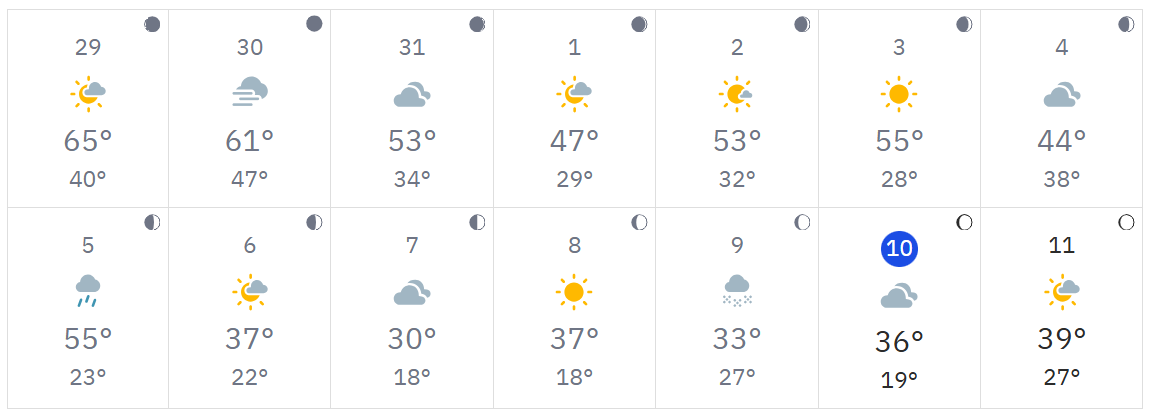
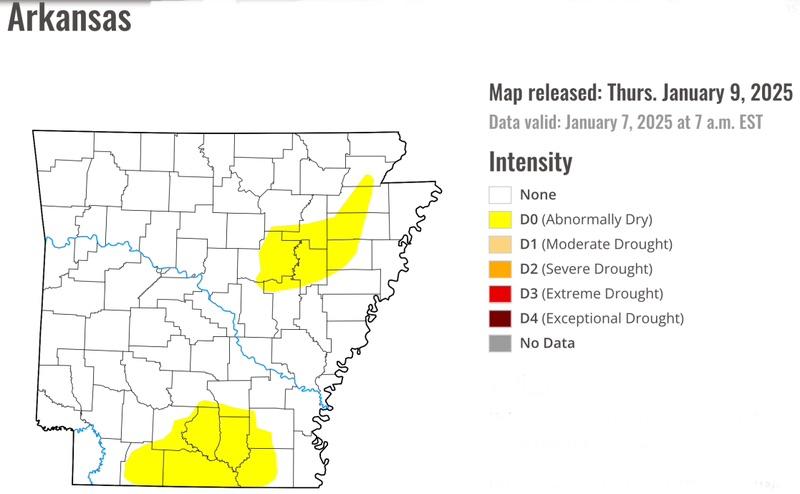
The snow was predicted for a week and this time the forecasters hit it right on the nose. It started about 2 o'clock on Thursday and went all through the night. Anywhere from 8 to 11 inches have been reported. This snow should help tremendously on the drought monitor. All the rain we received last week already helped a lot.


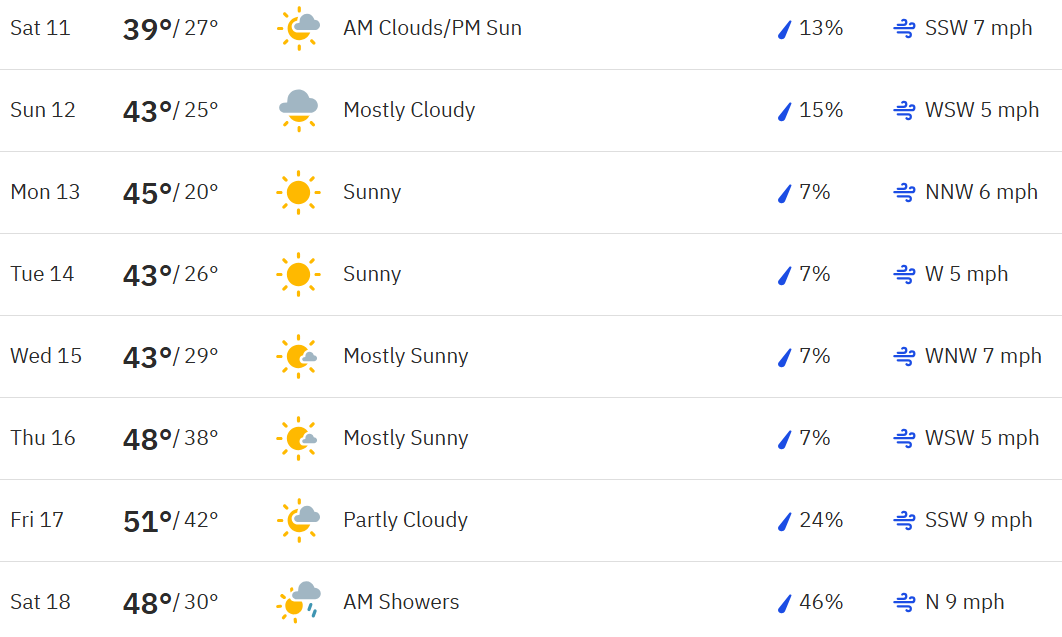
Enjoy the snow day and we should warm up during the day next week. Our next big chance of rain is next Saturday.

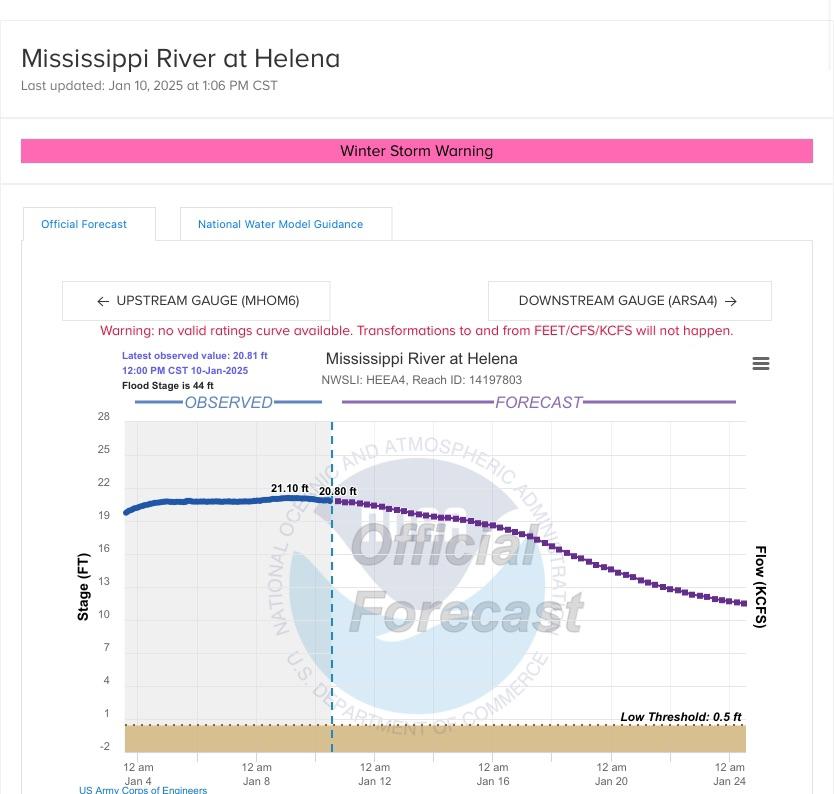
Arkansas and Mississippi River

Drought Monitor
US Drought Monitor

Row Crop

MP Pesticide Recommendation Publications


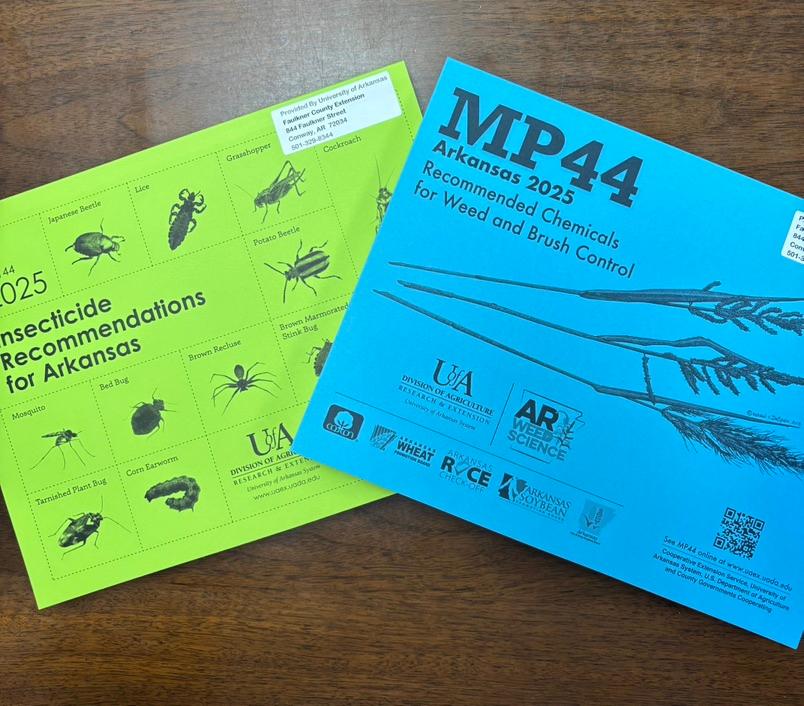
We have the 2025 Pesticide Recommendation Publications available for free in the office. I have also dropped some off at the Associated Farmers Co-Op in Conway, Conway Farm and Home and Farmers Association in Springhill.


If you want to access them online, I have a link for each MP below.


MP44 - Weed and Brush Control

MP144 - Insect Control

MP154 - Disease Control

Row Crop Production Meetings


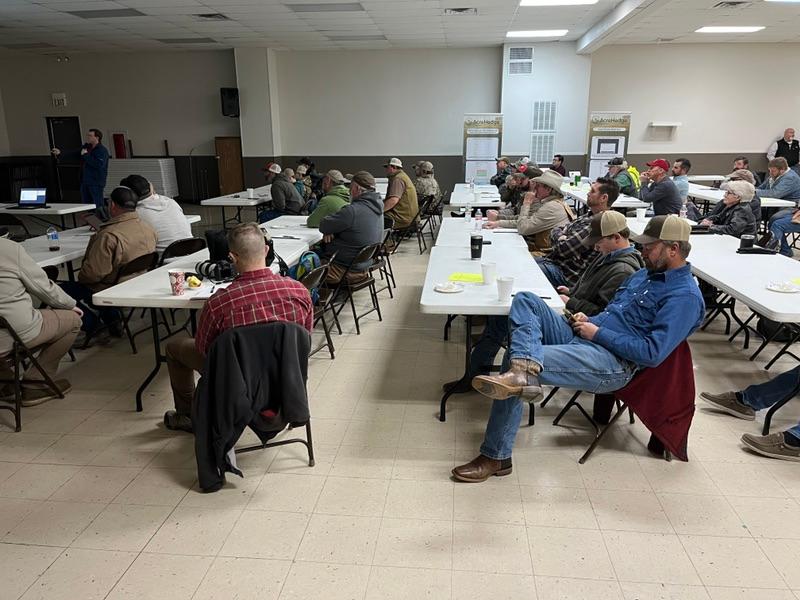
The 2025 River Valley Row Crop Production Meeting was held on January 9th at the Conway County Fairgrounds in Morrilton. We beat the snow and had a great turnout with some really good information for our producers. Thanks to all of our sponsors and to the agents that brought it together.


The next meeting will be the River Valley Rice Meeting on March 4, 2025

Wheat


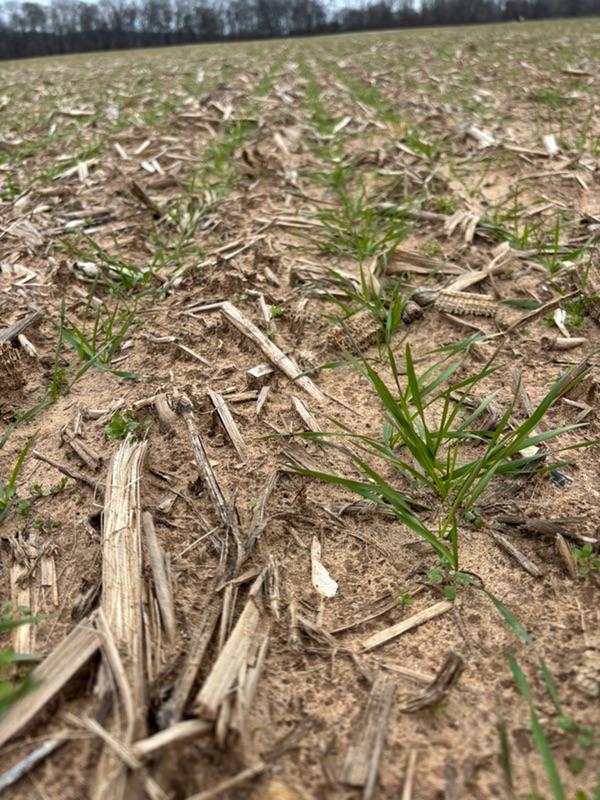
I have always been told that wheat loves a good snow. I don't have any research to back that up, but the old timers always know what they are talking about. Once we get through all of this cold weather we will be looking at fertilizer and some herbicide applications. It will be here before you know it! Now is a good time to go through your sprayers and get them ready to go. If anyone needs help with calibration or any questions on sprayers make sure to give me a call.

Field Performance of One hundred Eighteen Soybean Varieties Against the Southern Root-knot Nematode and Frogeye Leaf Spot, 2024

By Michael Emerson, Travis Faske, Brandon Baker, and Nicole Emerson


A comprehensive disease screening program has been conducted by the University of Arkansas System, Division of Agriculture, Extension Plant Pathology since 1990, thanks to support by the Arkansas Soybean Promotion Board. Results are located in the following link.

Field Performance of One hundred Eighteen Soybean Varieties Against the Southern Root-knot Nematode and Frogeye Leaf Spot, 2024

Beef, Small Ruminants, & Forages

Upcoming Meetings


We are starting to schedule livestock meetings for the spring. After the first of the year we will have more scheduled, but for now here are the ones we have dates for. These are save the dates with agendas to follow.


February 13, 2025 - River Valley Beef Conference - Morrilton


February 19, 2025 - KOMA Conference - Ft. Smith


February 21, 2025 - Little Red River Beef Conference - Heber Springs

When to Assist with the Calving Process – the Three Stages of Parturition

Mark Z. Johnson, Oklahoma State University Extension Beef Cattle Breeding Specialist


Parturition, or the birthing process, has three stages. Understanding the stages is critical in order to know when/if we need to provide assistance during calving season to increase the likelihood a live calf is born alive and off to a good start.


Stage 1: Dilation of the Cervix. The may take hours or days to complete and can easily go unnoticed. Uterine muscular activity is quiet during this stage as the cervix softens and the pelvic ligaments relax. During this stage, you may notice switching of the tail and a thick clear mucus string hanging from the vagina. Cow’s appetite may decrease and they may separate themselves off from the herd. Increased uterine contractions at the end of this stage push uterine contents against the cervix causing further dilation. 


Stage 2: Delivery of the Calf. This stage officially begins with the appearance of the water bag at the vulva. This is the time to start your clock. Research has shown that healthy heifers with normal calf presentation will calve unassisted within one hour of the onset of stage two. Healthy cows with normal calf presentation will calve within 22 minutes of the start of stage two. This suggests that normal stage two of parturition should be defined as approximately 60 minutes for heifers and 30 minutes for adult cows. In heifers, not only is the pelvic opening smaller, but the soft tissue has never been expanded prior to that first birth. Older cows have had deliveries before and birth often proceeds quite rapidly unless there is some abnormality such as a very large calf, backwards calf or twin birth.


When Should We Assist? Offering assistance is a matter of judgement and good judgement is the result of experience. If you have a cow or heifer laboring and don’t know when stage two began you will need to do a vaginal exam. If possible, have the cow up on her feet, restrained in a well-lit area that is safe for both you and the cow. It is much easier when both you and the cow are standing. Start by cleaning the cow’s vulva, rectum and surrounding area, as well as your hands and arms with soap and water. Cleanliness is important. Wear protective sleeves. Gentleness and lubrication are important. Feel for the cervix, if not dilated it will feel as if your hand passes through or along a firm, tubular or circular structure. Once fully dilated, you should no longer feel the cervical ridge. Can you feel the calf? A normal anterior presentation will permit you to feel the calf’s feet and nose with the spine of the calf resting just under the cow’s spine. If the presentation is normal and the water bag is still intact around the calf, you can allow up to an hour to permit the cow to calf unassisted. If the water bag has broken and the cervix is fully dilated, the calf needs to be delivered sooner. If you detect an abnormal presentation, encounter something that doesn’t feel right or a situation you can’t manage, you will need to contact a veterinarian for assistance.   


Stage 3: Delivery of the Placenta. The placenta should be shed within 8 – 12 hours after delivery of the calf. If retained, do not forcibly remove it. Administering antibiotics may be necessary if the cow acts sick. The placenta will slough out in 4 – 7 days.

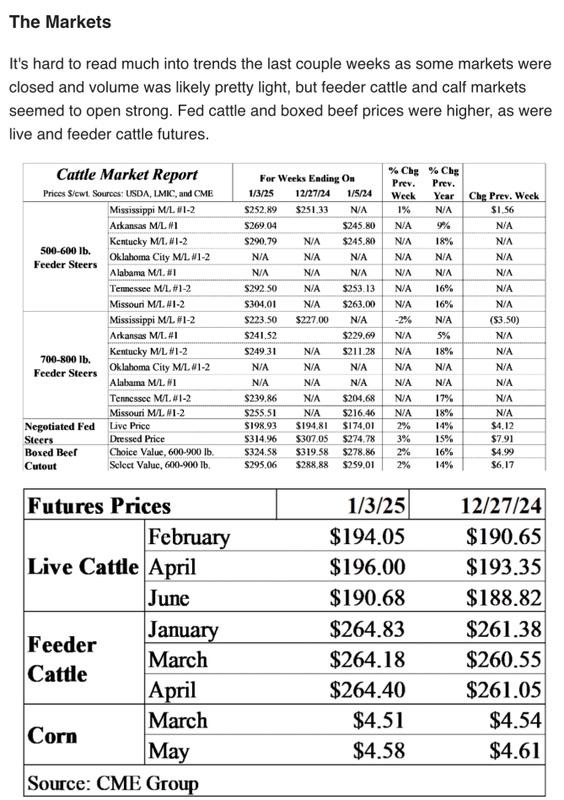
Cattle Market Notes Weekly

Livestock Market Report


The weekly livestock market report is available on the Arkansas Department of Agriculture website.

ADA Livestock Market Report

Pesticide Applicator Trainings


This is the Pesticide Applicator Training Schedule for Faulkner, Perry and Conway County.


Cost for the certification training is $20 that is payable at the training. It is a good idea to call and register for the class or if you have any questions, feel free to call and ask. Office numbers are located below. Anyone can go to any of these trainings. You don't have to just go in your county.


Faulkner County call and talk to Mindy Beard at the office at 501-329-8344 or email at rbeard@uada.edu

Perry County - 501-889-2661

Conway County - 501-977-2146


You can also get certified online. It also costs $20. The link to the online training is listed below.

Online Pesticide Applicator Training

Sign up for Text Alerts


You can now sign up for text alerts from me throughout the year. I have two areas you can sign up for which includes Faulkner Livestock or Faulkner Ag (Row Crop Updates). To sign up you can follow one of these links or use the QR Codes below.

Faulkner Livestock


Use either the QR Code or this link:

https://slktxt.io/10lLe

Faulkner Ag (Faulkner Row Crops)


Use either the QR Code or this link:

https://slktxt.io/10lLc

Upcoming Events

January 9 - River Valley Soybean and Corn Production Meeting - Morrilton

February 13 - River Valley Beef Conference - Morrilton

February 19 - KOMA Beef Conference - Ft. Smith

February 21 - Little Red River Beef Conference - Heber Springs

March 4 - River Valley Rice Meeting - Place to be determined

Contact Kevin Lawson, County Extension Agent–Agriculture, Faulkner County | Kevin Lawson
uaex.uada.edu/faulkner