|
A bipartisan bill introduced in the U.S. House of Representatives would block the use of artificial intelligence and prior authorization requirements in traditional Medicare payment models.
The legislation, H.R. 6361, known as the Ban AI Denials in Medicare Act, was introduced on December 2, 2025, by Reps. Greg Landsman and Bonnie Watson Coleman. The bill would prohibit the Department of Health and Human Services from implementing the WISeR (Wasteful and Inappropriate Services Reduction) model, a Medicare initiative designed to use prior authorization to curb unnecessary services.
In addition, the bill would amend the Social Security Act to prevent the Center for Medicare and Medicaid Innovation from testing any future Medicare Part A or Part B payment models that include prior authorization, including those that rely on artificial intelligence.
Supporters of the bill argue it would protect seniors’ access to care by preventing automated or administrative barriers to Medicare services. The legislation has been referred to the House Committees on Ways and Means and Energy and Commerce for further consideration.
Click here to read H.R. 6361
| |
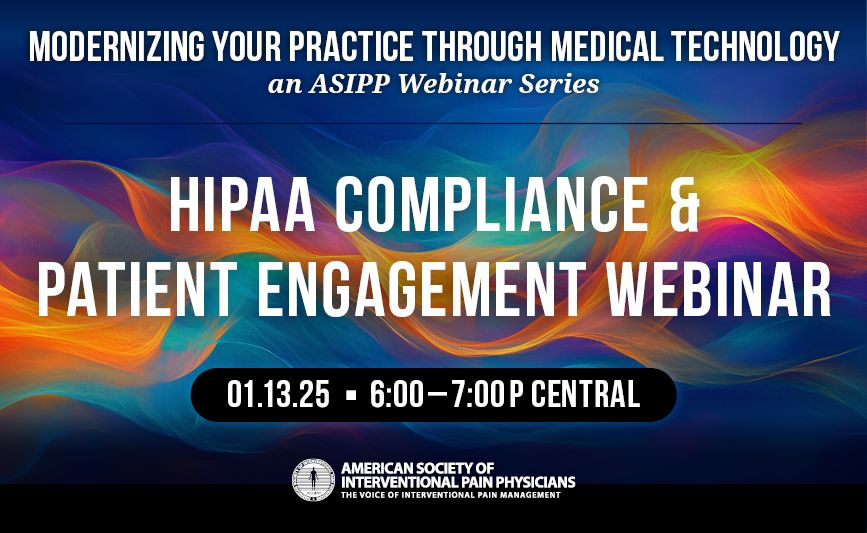
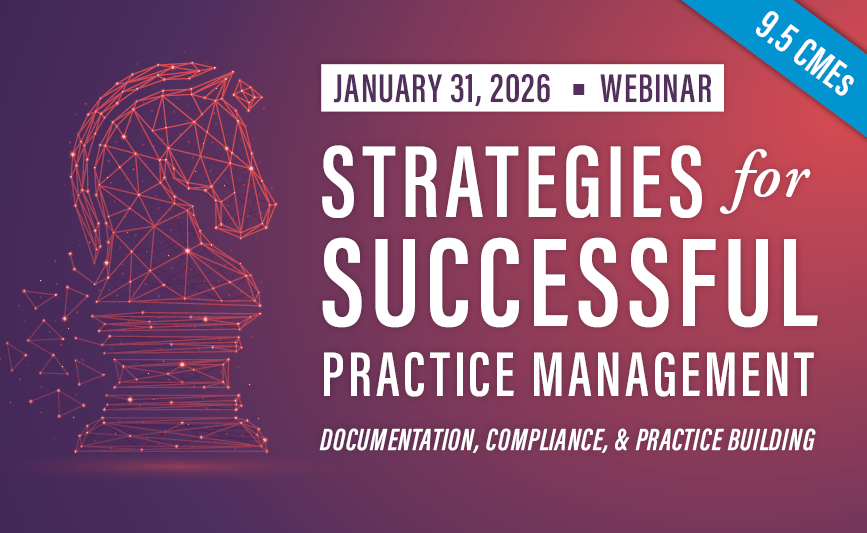
Upcoming ASIPP Webinars
Register today!
| | |
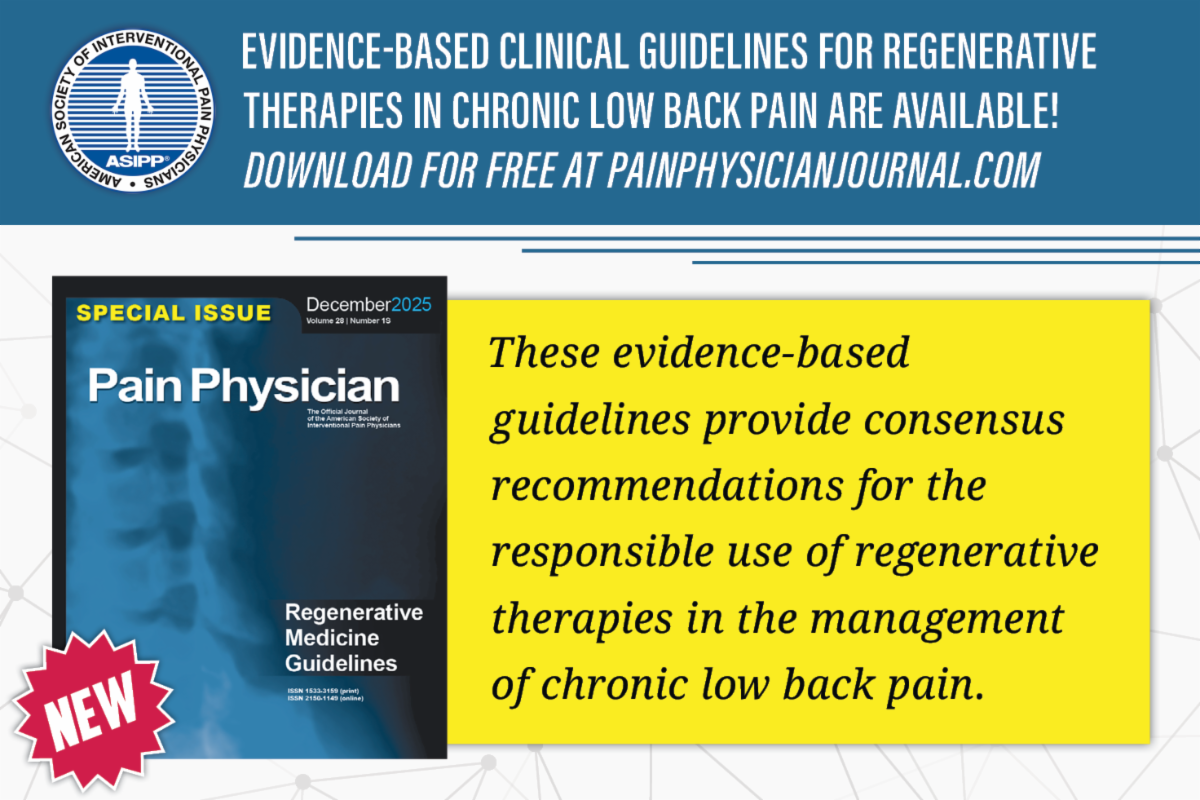
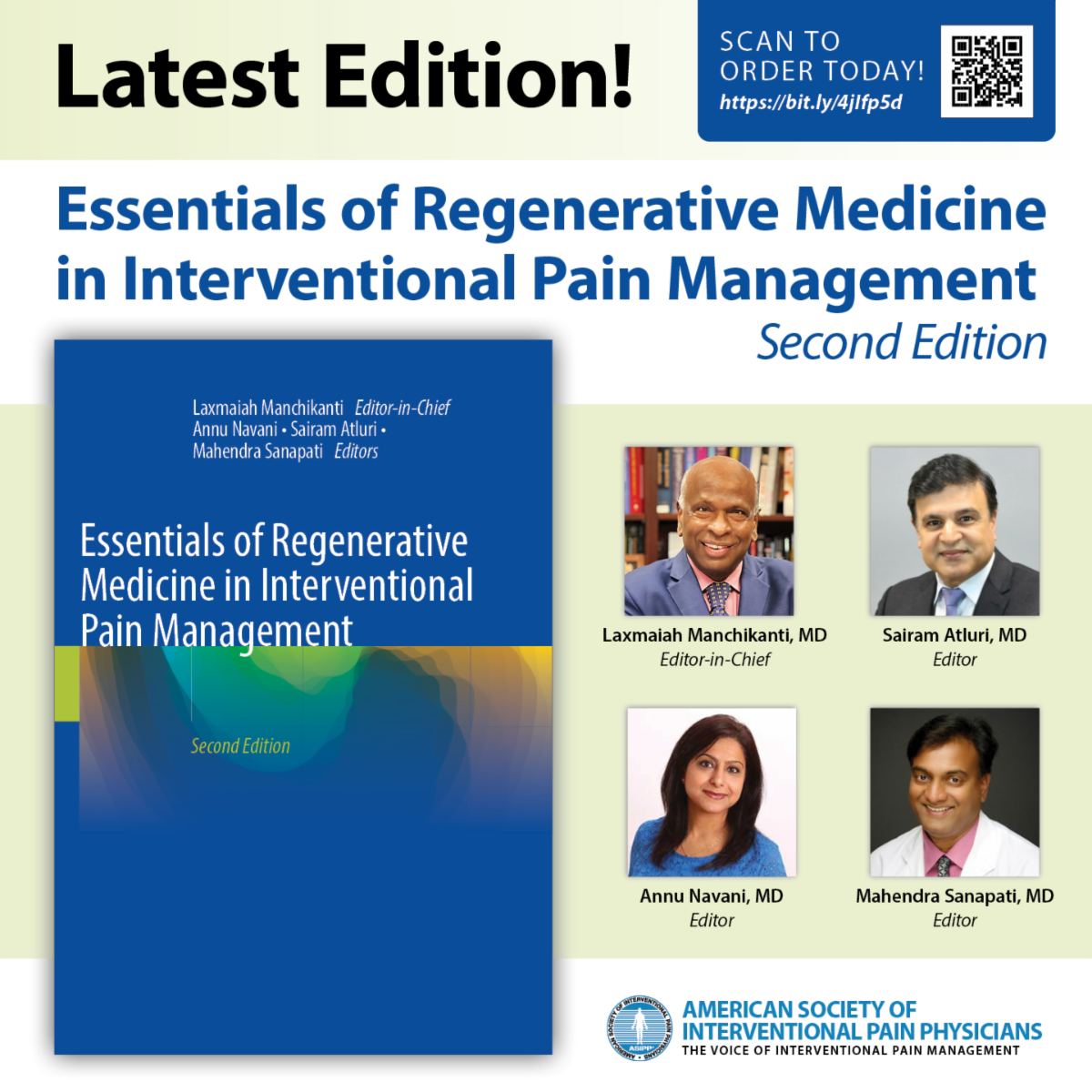
Laxmaiah Manchikanti, MD, Riya Navani, Annu Navani, MD, Mahendra Sanapati, MD, Alan D. Kaye, MD, PhD, Adam M. Kaye, PharmD, Amol Soin, MD, Devi Nampiaparampil, MD, Kenneth D. Candido, MD, Alaa Abd-Elsayed, MD, Theodore T. Sand, PhD, Navneet Boddu, MD, Sairam Atluri, MD, Anss Annie Augustine, BDS, Dajie Wang, MD, John Santa Ana, DO, Lady Christine Ong Sio, MD, Vidyasagar Pampati, MSc, Michael Khadavi, MD, Nebojsa Nick Knezevic, MD, PhD, Robert Farhat, DO, Shivam S. Shah, MD, Shounuck J. Patel, DO, Tom Nabity, Jr, MD, Alexander Bautista, MD, Aaron K. Calodney, MD, Joseph Cabaret, MD, Miles R. Day, MD, Paul J. Christo, MD, Sanjay Bakshi, MD, Shalini Shah, MD, Sheldon Jordan, MD, Sheri L. Albers, DO, Vivek Manocha, MD, and Joshua A. Hirsch, MD
| |
Join Us in New Orleans for ASIPP 2026
Earn CMEs, Expand Networks, and Explore the Future of Pain Management
| | |
It is our pleasure to invite you to the American Society of Interventional Pain Physicians’ 2026 Annual Meeting, where we will continue to shape the future of Interventional Pain Management.
This 28th Annual Meeting will take place Thursday, March 19 through Saturday, March 21, 2026, at the Hilton New Orleans Riverside in New Orleans, Louisiana.
The 2026 Annual Meeting will provide the tools, knowledge, and connections you need to thrive in the evolving field of interventional pain management.
| | JOIN or RENEW your ASIPP Membership for the best registration rates. | | Hands-On Cadaver Workshops | | | |
|
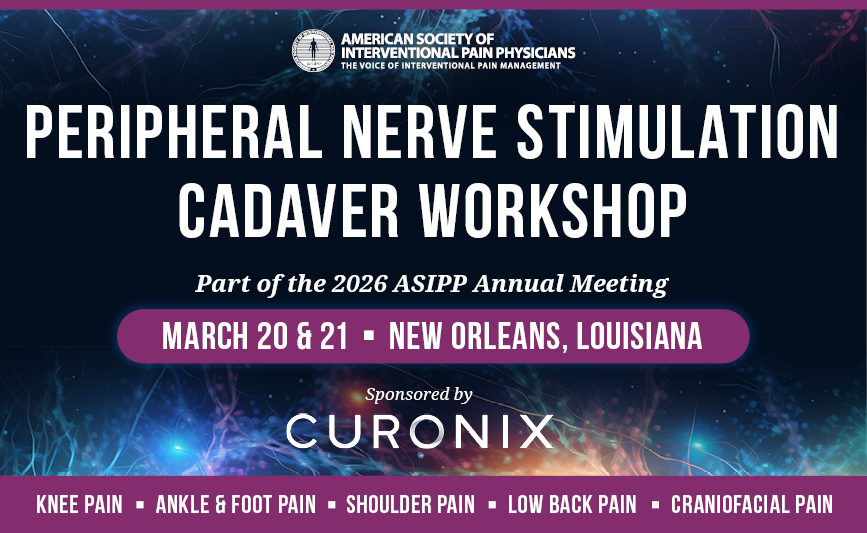
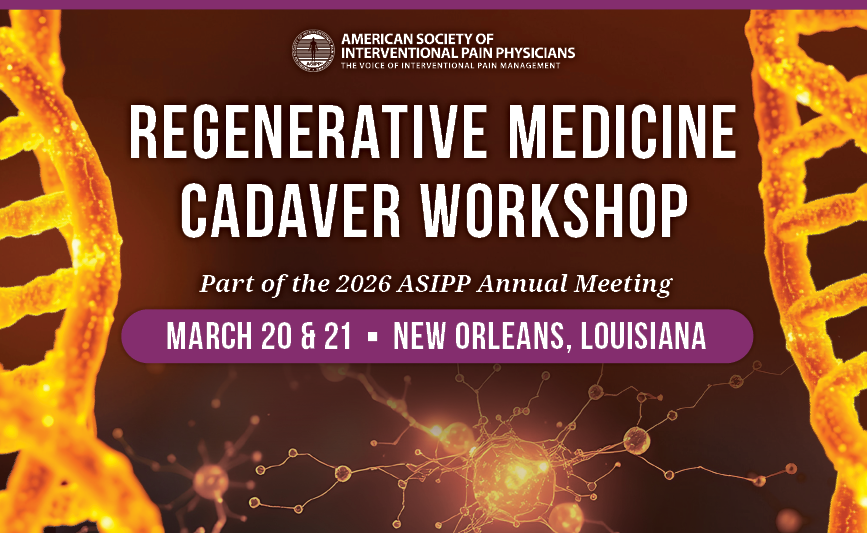
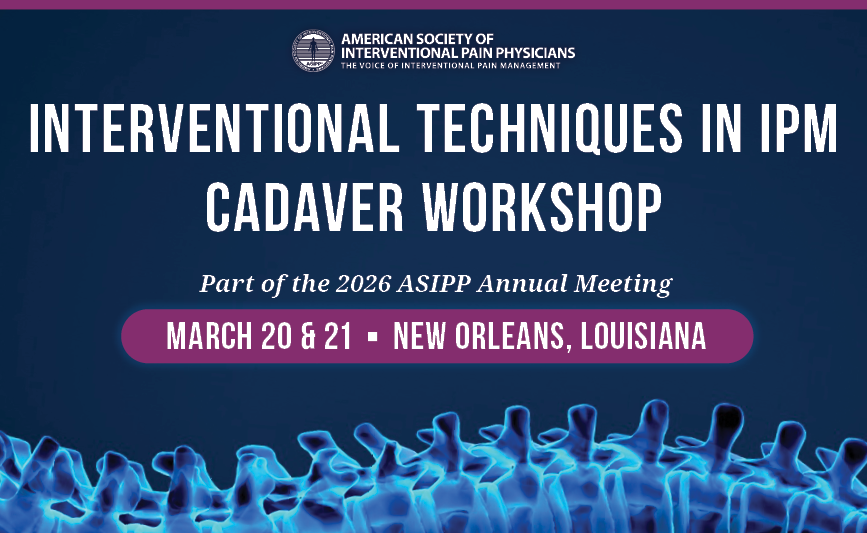
Don't miss the Hands-On Cadaver Workshops taking place March 20 and 21 alongside the Annual Meeting in New Orleans!
These workshops offer practical, guided training in key interventional procedures. This is an invaluable opportunity to sharpen your skills and gain confidence through real-time, instructor-led practice.
Sponsored by Curonix
(non-CME)
(8 CMEs)
- Interventional Techniques
(8 CMEs)
| | |
A limited number of qualifying residents/fellows will receive a scholarship to attend the ASIPP 28th Annual Meeting, March 19-21, 2026 at the Hilton New Orleans Riverside. Recipients of this scholarship with receive reimbursement of their meeting registration, and up to three nights stay at the host hotel. This includes room block rate and tax.
Deadline to apply is February 15, 2026.
Click here for more information.
| |
Worrying probe into publications' partisanship may have lost steam
A few months into the second Trump administration, major medical journals received letters from Edward R. Martin Jr., who was the U.S. attorney for the District of Columbia at the time. (He has since been replaced by Jeanine Pirro.)
The first letter to come to light was addressed to CHEST Editor-in-Chief Peter Mazzone, MD, MPH, of the Cleveland Clinic, and dated April 14. Martin's letter contained five questions, including how the journal assessed its "responsibilities to protect the public from misinformation" and how it handled competing viewpoints. Martin requested a response by May 2.
Other major journals received similar letters, including the New England Journal of Medicine and Obstetrics & Gynecology, the official journal of the American College of Obstetricians and Gynecologists, as well as two other journals that did not want to be named.
But since receiving those letters in April, the publications haven't heard a peep on the matter from DOJ, several of the journals confirmed to MedPage Today. Most of the journals also declined to comment on the details of their responses to DOJ's letter.
Click here to read the full article.
| |
- Well-established group seeking an interventional pain physician with pain fellowship training
- Comprehensive interventional pain management program with physicians, nurse practitioners, and two Ambulatory Surgery Centers
- Established interventional pain management practice with strong clinical and research focus
- High-volume practice that is ethical and fully legally compliant
- Research and publication opportunities available
- Early and generous partnership opportunities in both the practice and ASC
The Community:
- Excellent quality of life in a county of more than 60,000 residents, with a regional drawing area exceeding 200,000
- High standard of living with abundant recreational and social opportunities
- Strong public school system and a private parochial elementary school
- Convenient location: approximately 2.5 hours to Nashville and St. Louis; 3 hours to Memphis, Louisville, and Lexington
- Daily one-hour flights to major international hubs, including Chicago O’Hare and Houston, TX
Please email Cindy Jackson at cindy@thepainmd.com with your current CV to schedule an interview or to learn more about this practice.
| |
However, estimated COVID-related hospitalizations
and deaths did decrease from 2022 to 2024
| | |
New research questioned old assumptions
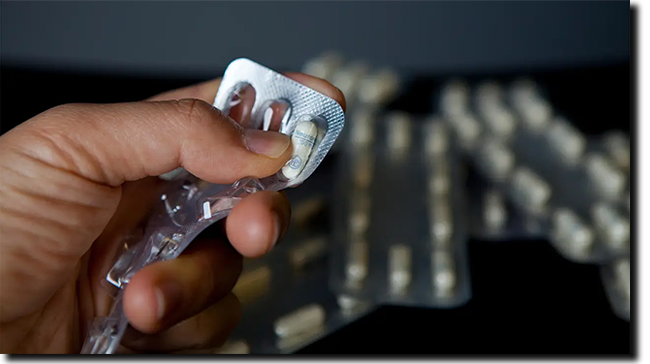
Often championed as a safer alternative to opioids and prescribed off-label for chronic pain, gabapentin is approved officially for postherpetic neuralgia and partial-onset seizures. The drug's label carries serious warnings about dizziness, suicidal thoughts, respiratory depression, and other adverse effects. Another gabapentinoid, pregabalin (Lyrica), is approved for the same indications, plus neuropathic pain and fibromyalgia.
New Risks, Rising Prescriptions
Perhaps the most startling finding about gabapentin in 2025 came from a study that suggested gabapentin prescriptions for chronic low back pain were linked with increased risks of dementia and mild cognitive impairment, especially in younger people.
Among more than 52,000 adults tracked for 10 years in U.S. healthcare claims records, chronic pain patients with six or more gabapentin prescriptions had a higher incidence of dementia and mild cognitive impairment compared with those not prescribed gabapentin. Dementia risk was more than double -- and mild cognitive impairment risk was more than triple -- among those ages 35 to 49, the researchers reported in Regional Anesthesia & Pain Medicine. A similar pattern emerged among those ages 50 to 64 years.
Click here to read the full article.
| |
ASIPP is pleased to announce the launch of the Regenerative and Longevity Medicine Section!
This section reflects the growing importance of regenerative and longevity medicine—fields dedicated to restoring health, enhancing vitality, and extending the healthy years of life. From stem cell therapies and tissue engineering to gene therapy and orthobiologics, these disciplines are transforming the way we approach pain management and age-related decline.
Section membership offers:
- Access to ASIPP’s physician database and future data registry
- Opportunities for certification and continuing education
- Section-exclusive resources and updates
No additional cost for ASIPP members!
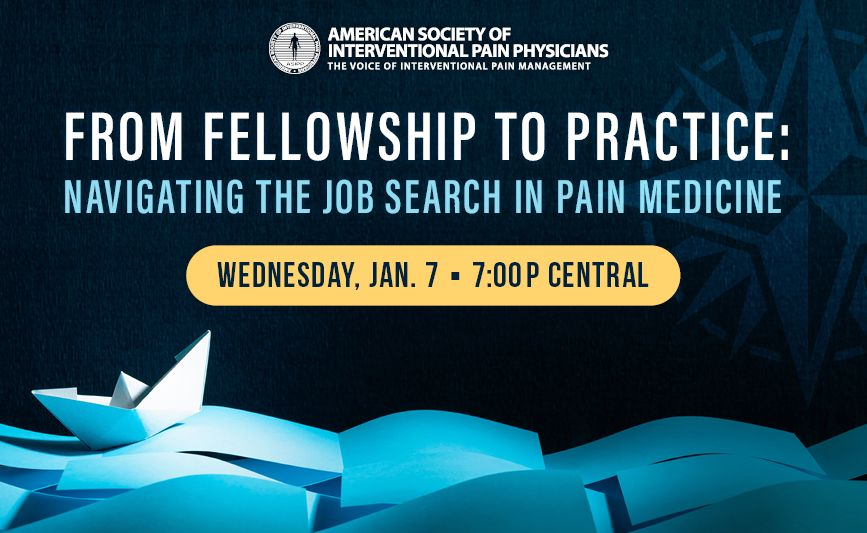
| | This webinar is designed to help pain medicine fellows and early-career physicians navigate the job search. Speakers will break down the pros and cons of key practice types—solo, academic, private group, and corporate-owned—so you can make informed career decisions. The session concludes with a live Q&A, giving you the opportunity to get clear answers to your most important questions. | | |
ASIPP is proud to launch our Resident and Fellow Mentorship Program. This initiative is designed to connect trainees with experienced pain physicians to foster professional growth, provide guidance, and strengthen the future of our specialty.
Each mentor would be paired with one to two trainees, but can take more if interested. Trainees will be responsible for initiating introductions and arranging at least one to two video calls per year. These sessions will provide opportunities for mentees to seek advice on clinical decision-making, career planning, research opportunities, and professional development.
We believe that your experience, expertise, and insight can have a lasting impact on the next generation of pain physicians. By volunteering as a mentor, you will play a critical role in shaping the future of our field and ensuring that ASIPP continues to cultivate excellence in interventional pain medicine.
If you are interested in serving as a mentor, please confirm your participation by filling out the appropriate form below.
| | |
What should you be worried about?
This is “a common question in medical school or residency,” said Austin Wesevich, MD, a specialist in young adult oncology and research at the University of Chicago Medicine in Chicago.
But Wesevich questions the medical preoccupation with worry. “Why do we always need to be worried?” he said. “Why is that the verb that is so commonly asked? Worry to me is different than concern or paying attention.”
Healthcare workers are investigators, “trained to think in terms of risk and vigilance to do their jobs well,” says Annia Raja, PhD, a clinical psychologist who specializes in providing therapy to physicians. Things like anticipating complications or problems before they happen and running risk calculations on whether a given intervention will be effective are some of the most critical aspects of clinical practice.
Click here to read the full article.
| | |
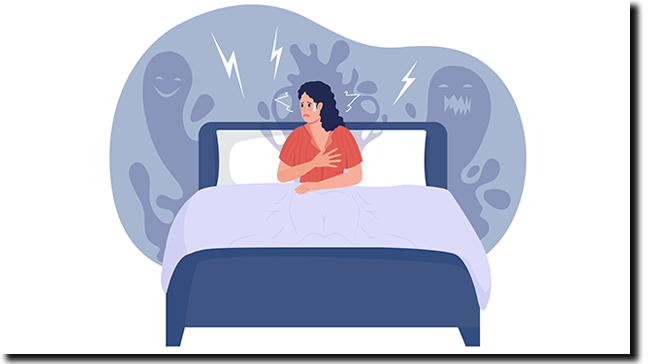
Many clinicians will understandably dismiss a patient’s report of a vivid, frightening dream about falling ill as a byproduct of anxiety. However, a growing body of neurobiological research suggests these nocturnal narratives may be more than mere coincidence. Emerging evidence indicates that some dreams may serve as harbingers of disease, detecting physiologic changes before conventional diagnostics — or even symptoms — emerge.
Unlike typical dreams that fade upon waking, “prodromal dreams” stay with people and involve vivid, often disturbing imagery in which they discover a specific illness. Anecdotal examples from the International Association for the Study of Dreams include a woman who dreamt of her aunt, who had died of breast cancer, warning her that she too had the disease — later confirmed by mammogram.
Now, new neuroscientific models and clinical studies are beginning to provide biological plausibility for how the sleeping brain might detect early pathology.
Click here to read the full article.
| | |
Apply now!
January 24 & February 7, 2026
Four (4) hour virtual exam
- ABIPP Path – Combined CCPM/ CSM Exam
For those with subspecialty in Pain Medicine
Two (2) hour virtual exam
- ABIPP Competency Exam in IPM
For those without primary board certification
Two (2) hour virtual exam
- ABIPP Competency Exam in Regenerative Medicine
Two (2) hour virtual exam
- Controlled Substance Management Competency Exam
Two (2) hour virtual exam
- Documentation, Coding, Compliance, Practice Management Competency Exam
Two (2) hour virtual exam
| | | |
We're excited to let you know that the new ASIPP Community, hosted by DocMatter, is now live!
The ASIPP Community on DocMatter will serve as a place for members to collaborate around clinical and research topics to advance the care of their interventional pain patients.
Click here to be a part of the conversation!
| | |
Pain Medicine Case Reports (PMCR) and Editor-in-Chief Alaa Abd-Elsayed, MD, PhD would like to invite you to submit case reports and case series to the PMCR journal. Your article will be published free of charge.
Open access journals are freely available online for immediate worldwide open access to the full text of published articles. There is no subscription fee for open access journals. Open access journals are no different from traditional subscription-based journals: they undergo the same peer review and quality control as any other scholarly journal.
Interested in becoming a member of the PMCR Editorial Board?
Editorial board members are asked to review 2-6 manuscripts per year. Please submit your most up-to-date CV to sgold@asipp.org for consideration.
For more information or to submit your articles, click here.
| | |
We are excited to announce that Pain Medicine Case Reports (PMCR) journal (eISSN 2768-5152) has been accepted for inclusion in MEDLINE and PubMed, the prestigious bibliographic database of the U.S. National Library of Medicine. PMCR, a companion publication to the prestigious Pain Physician journal by ASIPP, joins its counterpart in achieving indexing in both MEDLINE and PubMed, marking ASIPP’s dual presence in these renowned databases.
The inclusion of PMCR journal in MEDLINE signifies a higher level of selectivity, as MEDLINE consists of the top 5,200 biomedical journals. This indexing also means that articles from PMCR will be searchable using NLM Medical Subject Headings (MeSH terms) and other metadata.
The selection for MEDLINE follows a rigorous evaluation process by reviewers from the Literature Selection Technical Review Committee (LSTRC). According to their criteria, the scientific quality of a journal’s content is the primary factor considered for indexing.
We extend our congratulations to the Pain Medicine Case Reports Editor-in-Chief, Deputy Editor-in-Chief, Journal Team, and Editorial Board for this achievement, which underscores the significance and excellence of this esteemed journal.
| | | | |