| Investing today in the neighborhoods that will shape Two Rivers' future.
Last night, the Two Rivers City Council discussed and ultimately approved an important step toward the community's long-term vision by approving a one-year extension of Tax Incremental District (TID) No. 9.
While the Council approval last night involves Tax Increment Financing, the larger purpose is much simpler: to help Two Rivers grow by creating more housing opportunities for families who make less than $100,000 per year.
For the past year, the City has consistently identified one priority above all others: increasing the population of Two Rivers. Growing the community means attracting new residents, supporting local employers, strengthening the tax base, increasing school enrollment, and ensuring the City can continue providing the high-quality services residents expect.
Housing is the foundation of that vision.
Investing in the Next Generation of Neighborhoods
Under Wisconsin law, certain TIF districts may be extended for one additional year if the additional tax increment is dedicated to housing-related activities. By approving the one-year extension of TID # 9, the City will capture approximately $160,000 in additional tax increment that can now be invested directly into preparing land for future residential development rather than allowing those funds to expire.
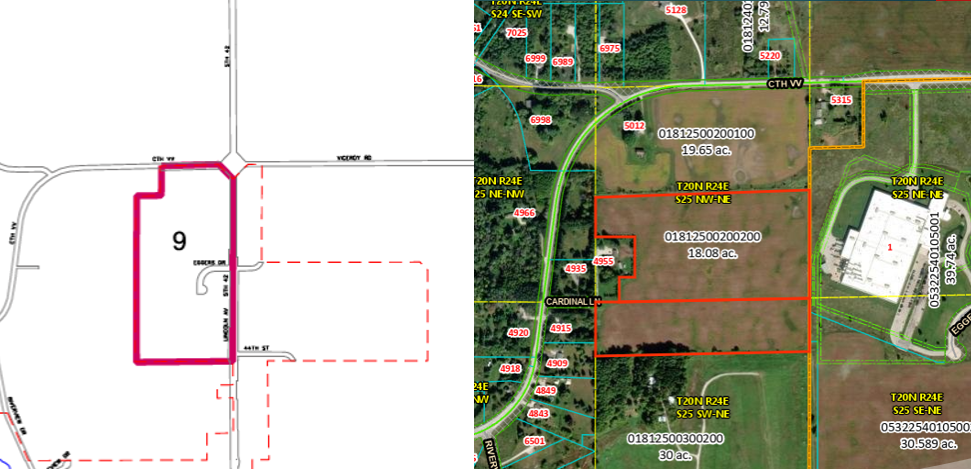
Those dollars will help support the development of approximately 24 acres on the north side of the community near the High School, where a new neighborhood could include approximately 35 to 40 single-family homes along with additional multi-family housing.
Importantly, this is not an exclusively affordable housing development, nor is it a Section 8 housing project. There will be no Section 8 housing as part of this future neighborhood. Instead, the vision is to create a balanced neighborhood featuring market-rate homes alongside housing that is attainable for working families.
Meeting Today's Housing Needs
Two Rivers has experienced success with developments such as Sandy Bay Highlands, which has added beautiful higher-end homes to the community. At the same time, City leaders recognize that today's housing market requires additional options.
Nearly 74% of the City's housing stock was built before 1980, and many younger families and first-time homebuyers are looking for newer homes that better fit modern lifestyles and budgets. Families earning less than $100,000 per year often face significant challenges finding newer homes they can afford.
Providing more attainable housing options is an important part of attracting young families, retaining local workers, and supporting employers who continue to invest in Two Rivers.
A New Approach to Development
The project also represents a strategic shift in how the City manages residential development.
Rather than serving as the primary developer and marketing individual lots over many years like in Sandy Bay Highlands, the City's role will focus on acquiring and preparing the property while partnering with private-sector developers to construct and market the neighborhood. This approach allows the City to leverage private investment and development expertise while helping bring new housing to the market more efficiently.
Building for the Future
Communities don't grow by accident. Growth requires planning, investment, and a willingness to prepare for the next generation.
The approval of this TIF District extension represents more than a financial decision. It is an investment in the future of Two Rivers. It reflects the City's commitment to creating neighborhoods where families can put down roots, children can grow up, businesses can find employees, and future generations can choose to call Two Rivers home.
Increasing the population of Two Rivers remains one of the City's highest priorities, and expanding housing opportunities is one of the most important ways to accomplish that vision.
|