pqcnc banner

clOUDi 3.0 updates newsletter


November 29, 2023

Quick Reminder - please turn in your final Monthly Leadership Report!!

In the Literature...

Take-home Naloxone at Opioid Treatment Programs: A Lifesaver

Opioid-related overdose deaths have increased almost 30% in the US since the COVID-19 pandemic began. Tragically, many of these deaths could be prevented with widespread availability of naloxone. One innocuous harm-reduction strategy would be the federal government mandating the provision of take-home naloxone and brief overdose education to patients at opioid treatment programs.


Implementation of a Prenatal Naloxone Distribution Program to Decrease Maternal Mortality from Opioid Overdose

Maternal mortality rates have been increasing in the United States for decades. For several years, opioid overdoses have been a leading cause of maternal mortality in several states. New Hampshire (NH) is a particularly severe case, with 50% of all maternal deaths being caused by drug-related overdoses from 2016 to 2017. We report on the implementation of a point-of-care naloxone distribution program for an Ob/Gyn clinic in NH.


Take-home naloxone programs for suspected opioid overdose in community settings: a scoping umbrella review

The implementation of naloxone programs, such as ‘take-home naloxone’ (THN), has emerged as a key intervention in reducing opioid overdose deaths. These programs aim to train individuals at risk of witnessing or experiencing an opioid overdose to recognize an opioid overdose and respond with naloxone. Naloxone effectively reverses opioid overdoses on a physiological level; however, there are outstanding questions on community THN program effectiveness (adverse events, dosing requirements, dose-response between routes of administration) and implementation (accessibility, availability, and affordability). The objective of this scoping review is to identify existing systematic reviews and best practice guidelines relevant to clinical and operational guidance on the distribution of THN.


Sepsis in Obstetric Care now enrolling teams...

After months of work and multiple virtual meetings by our Sepsis in Obstetric Care Expert Team, we are proud to announce that work is complete (AIM/Mission statement, action plan, key driver diagram, metrics and prework) and we are prepared for launch of our Sepsis in Obstetric Care Initiative in January at our January Kickoff.


What is needed now is you and your hospital and a commitment to address the challenge that is infection in obstetric care.


Maternal death due to sepsis is fortunately relatively low, but it is reported as 11.7% of maternal mortality cases in North Carolina, and it should be lower.


This is our chance!


Please consider and discuss with your perinatal and hospital leaders the opportunity you have to reduce maternal deaths and morbidity from sepsis in your hospital. Join us on this path as we continue the mission to make North Carolina the best place to give birth and be born!


Learn More  (and register your team)
 

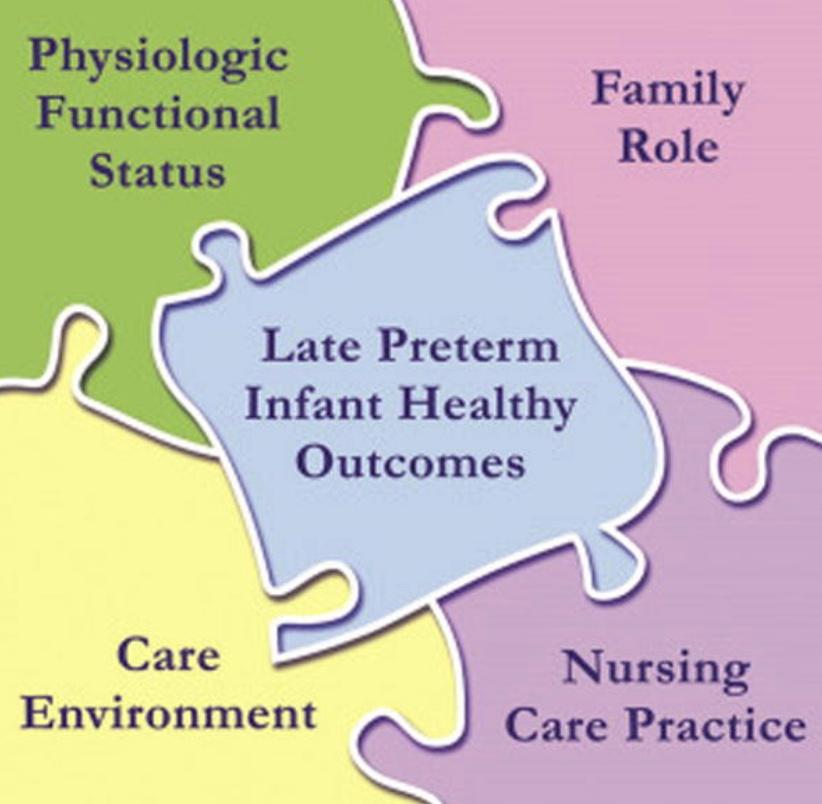
Care of the Late Preterm Infant Initiative now enrolling teams....


In January 2024, PQCNC will be kicking off an initiative to improve the care and outcomes for the late preterm infant population. In 2022, North Carolina saw over 7,500 infants born between 35-36 weeks gestation. This initiative will provide an opportunity to ensure you have an evidence based care pathway for this population as we collectively work to reduce readmissions of these infants.


Over the last few months, the expert team has worked to develop the charter, action plan/driver diagram and data collection elements for this initiative. Please take a moment to review these items as you discuss the opportunity to improve care for these infants.


This is all hands on deck! Every delivery hospital in North Carolina cares for late preterm infants and now is the chance to improve the care that is provided.


Please consider joining us on our journey…..

Learn more (and register your team)
 
Contact me!
Keith M Cochran
984-974-7871

'Unoffice' hours - click here to schedule a Zoom meeting