THE 19th CENTURY RARE BOOK & PHOTOGRAPH SHOP |
|
AMERICAN WEALTH
the richest Americans of the 19th century
|
|
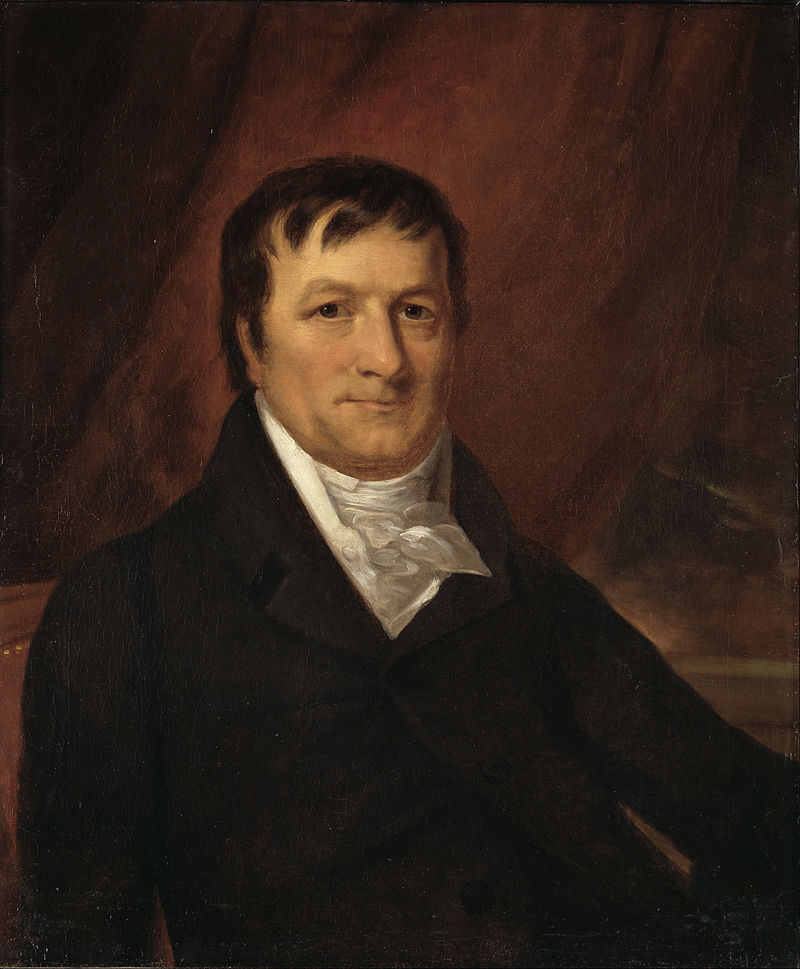
Astor was “the richest and most powerful of American businessmen. He came to personify nineteenth-century American business leadership, and he became a favorite subject for both capitalism’s apologists and detractors.” |
|
tremendous Astor collection
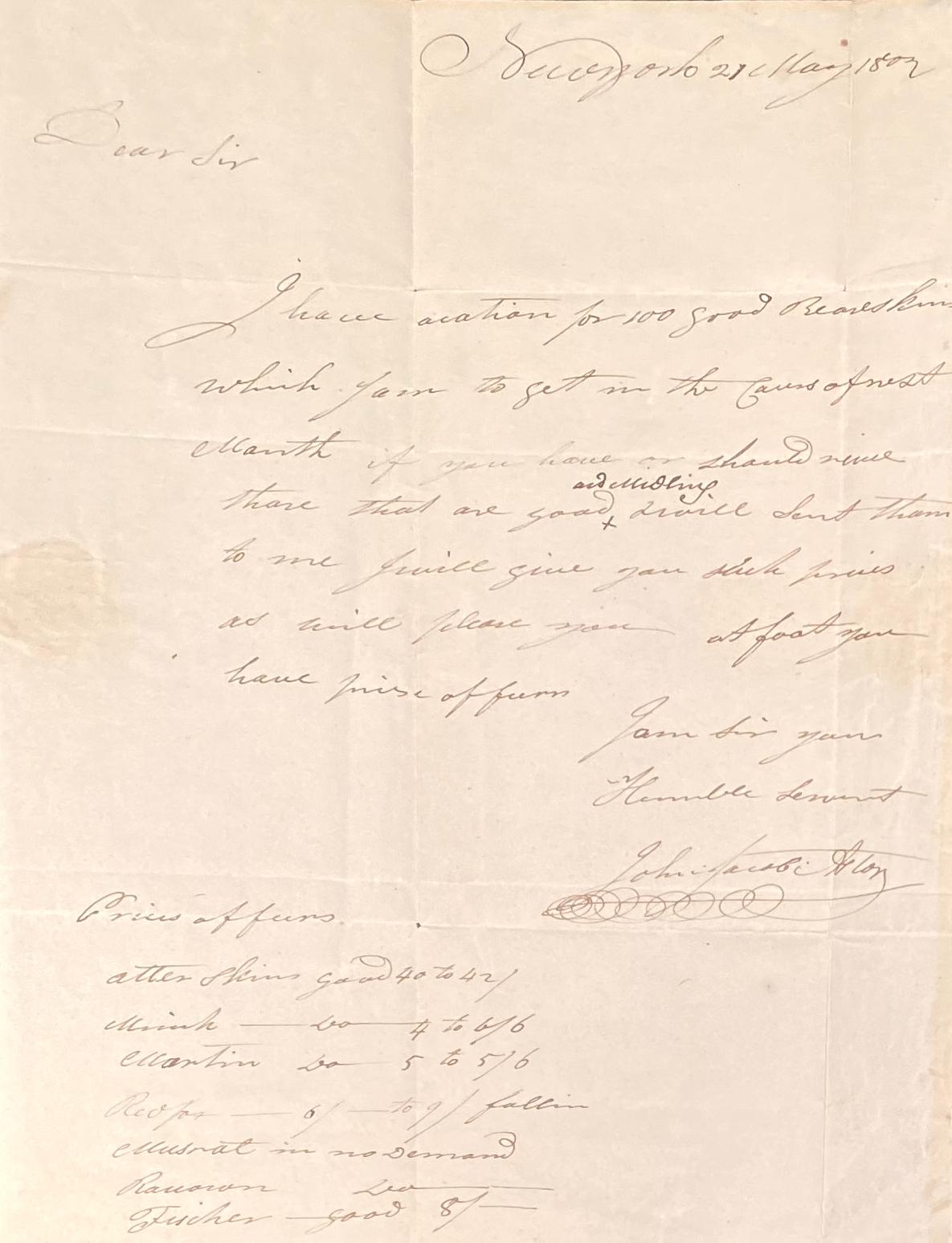
John Jacob Astor. Collection of 14 letters and documents (1802-1827)
14 letters and documents, mainly autograph letters signed including an outstanding run of financial letters to a fur trading partner
|
|
Astor began trading furs in the 1780s. By 1808, the year of the founding of his American Fur Company, he had become the leading American fur merchant. In the following years Astor made fortunes in the China trade and in New York real estate. He was by far the wealthiest person in American history before the railroad era.
“John Jacob Astor was pre-eminently the opener of new paths, a breaker of trails. … The trees of the forests west of the Mississippi were blazed by his hunters and trappers; and his partners and agents planted through this vast region the flag of the American Fur Company. The Atlantic and Pacific Oceans were invisibly lined by the path of his vessels. His were the first American ships to habitually circle the globe, trading around the earth. With his far-sighted vision withdrawn from distant scenes, and centered on Manhattan Island, he led the way toward the upbuilding of the largest, and most important city in the new world” (Gebhard).
This remarkable collection documents Astor’s wide-ranging contributions to American business and financial history.
|
|
John Wesley Jarvis. John Jacob Astor (c. 1825)
|
|
the wealthiest man in history and one of the first great modern philanthropists |
|
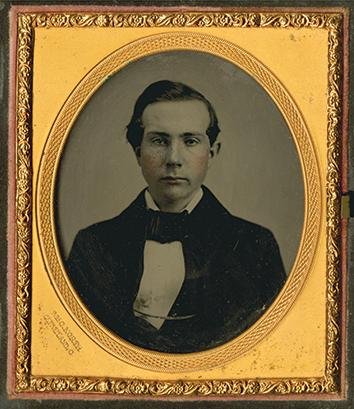
earliest photograph of Rockefeller
John D. Rockefeller by William C. North, Cleveland, c. 1857-1858
Sixth-plate ambrotype (3 3⁄4 x 3 1⁄4 in.), with Rockefeller’s cheeks hand-tinted. Oval brass mat and ornate brass retainers in decorated thermoplastic case with hidden single clasp; decorated red velvet lining.
|
|
This famous portrait of John D. Rockefeller is the earliest photograph of the greatest titan of American business and philanthropy.
When he sat for this photograph in 1857 or 1858, the 18-year-old Rockefeller was working as a bookkeeper in Cleveland. He began his own business in 1859, built his first oil refinery in 1863, and established Standard Oil in 1870, revolutionizing the nascent petroleum industry.
Rockefeller was the wealthiest man in history and one of the first great modern philanthropists. As a percentage of the United States economy, no other American fortune has ever come close to that of Rockefeller.
In addition to amassing an immense fortune (perhaps $1 billion at the turn of the century) and helping to fuel the national economy with Standard Oil and its descendants, Rockefeller was a pioneering benefactor of medical science and, with his descendants, a major force in the conservation movement.
|
|
John D. Rockefeller, Random Reminiscences of Men and Events (1909)
|
|
Rockefeller chose this unique photograph to be the frontispiece to his autobiography, Random Reminiscences of Men and Events, published in 1909 when he seventy. In that book the portrait appeared with the caption: “Mr. John D. Rockefeller at the age of eighteen.” The Rockefeller Archive Center holds a copy of this image printed on paper (presumably created when the ambrotype was unsealed in order to create the frontispiece for Random Reminiscences).
|
|
 |
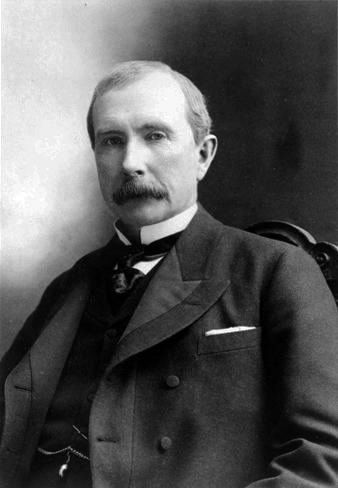
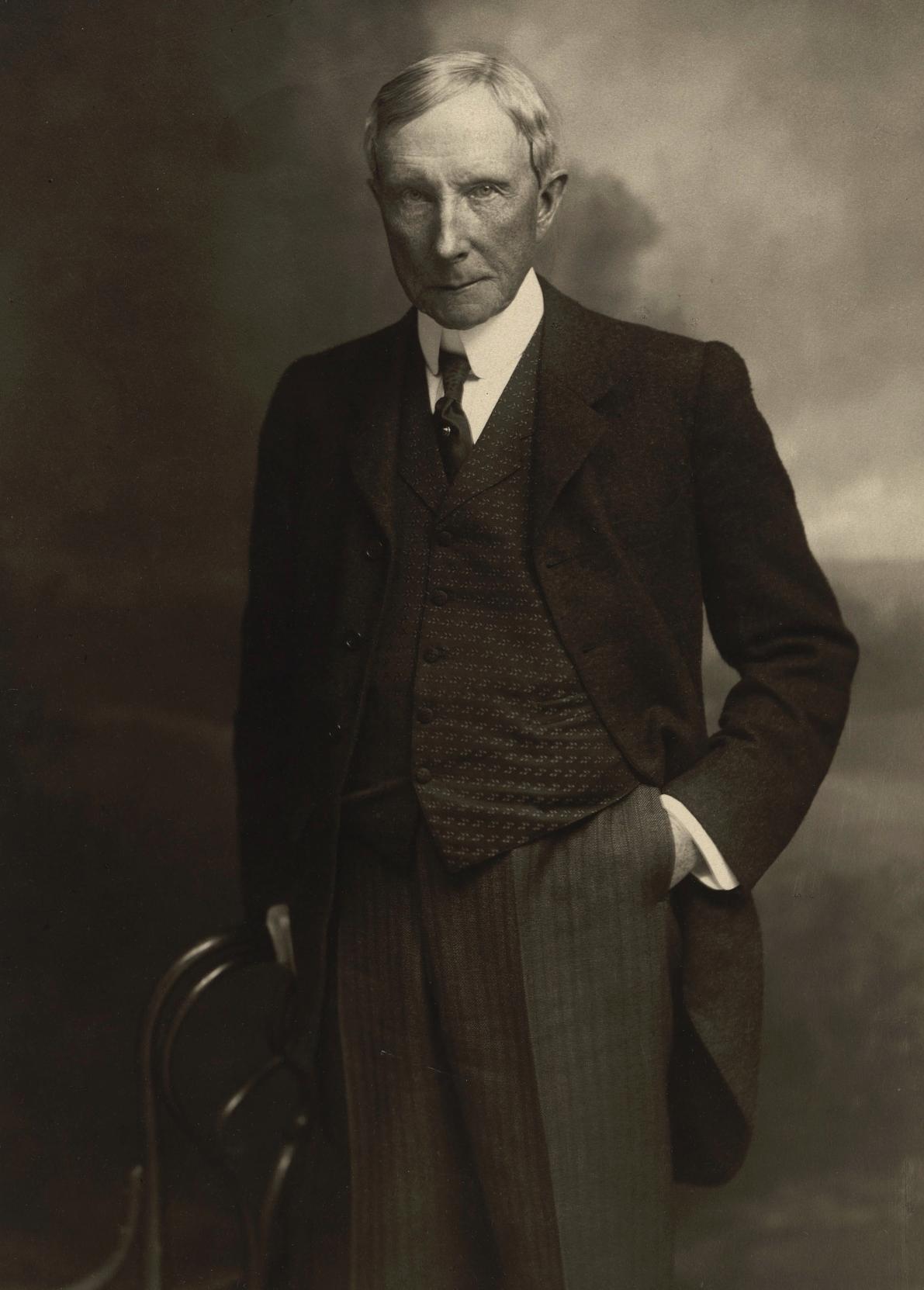
Rockefeller in 1885
(Rockefeller Archives Center)
|
|
|
|
Rockefeller in 1914 (National Portrait Gallery, Smithsonian Institution) |
|
|
|
“Gentlemen, You have undertaken to cheat me.
I won't sue you, for law is too slow. I'll ruin you.”
– Vanderbilt, quoted in his New York Times obituary
|
|
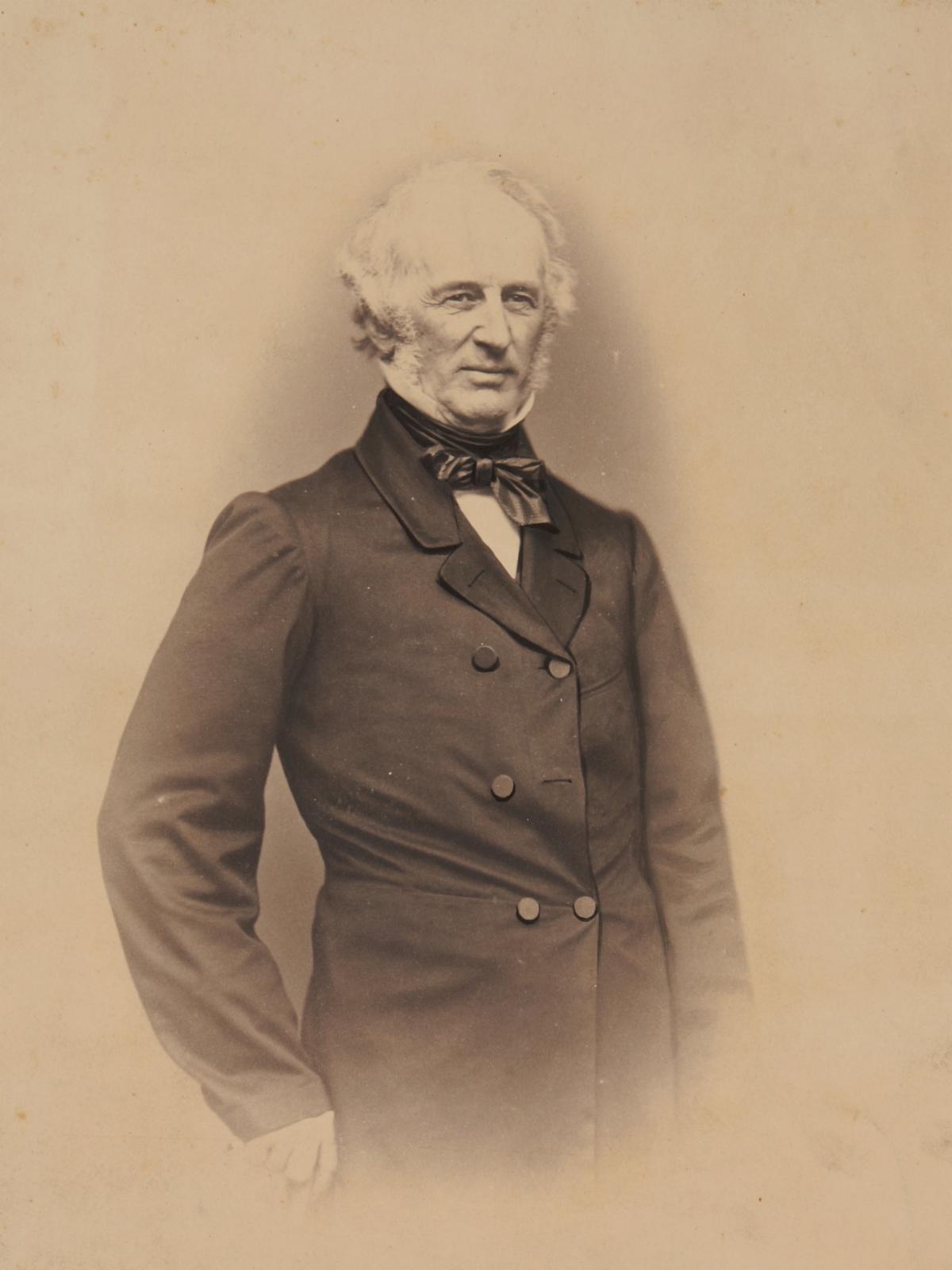
Commodore Vanderbilt, first of the “Robber Barons”
Cornelius Vanderbilt by Mathew Brady, attrib., ca. 1860s
Albumen print (9 x 13 in. vignetted image, the entire sheet measuring 15½ x 18½ in).
|
|
Founder of the Vanderbilt business dynasty, Cornelius Vanderbilt made his fortune first in steamships and shipping and then in railroads. His career spanned the birth of the steamship and the development of the great American railroad networks. He was “the oldest and perhaps the greatest of the nineteenth-century railroad barons” (ANB).
Grand Central Station and Vanderbilt University stand as testaments to his influence and wealth. Vanderbilt was the second wealthiest person in American history, behind John D. Rockefeller, according to Klepper and Gunther.
|
|
“Surplus wealth is a sacred trust which its possessor is bound to administer in his lifetime for the good of the community.”
– Andrew Carnegie
|
|
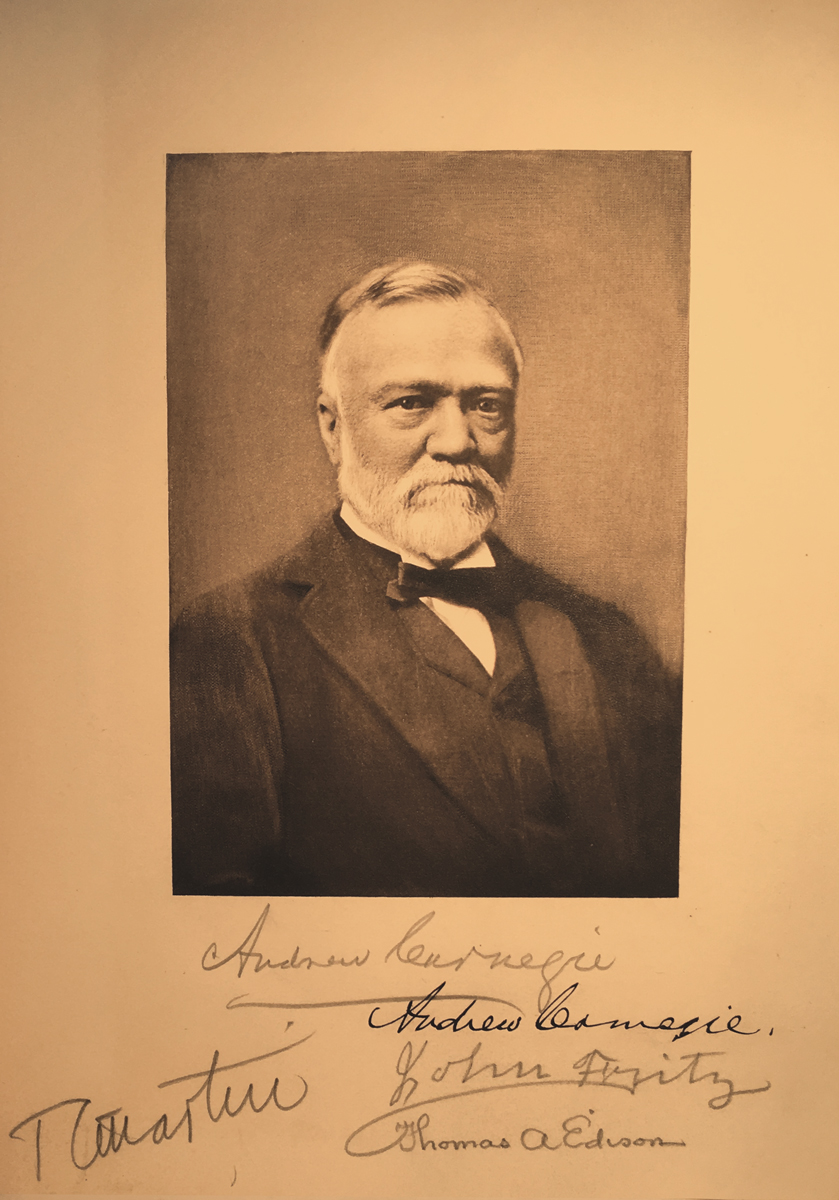
signed by Carnegie, Twain, and Edison
Andrew Carnegie. Engineers Club Inaugural Banquet Commemorative of the Opening of the New Club House on which occasion Mr. Andrew Carnegie will be the guest of honor (1907)
|
|
Andrew Carnegie led the expansion of the American steel industry in the late nineteenth century and became one of the richest Americans in history. The sale of his holdings led to the creation of U.S. Steel in 1901. Over the following two decades Carnegie gave away more than $350 million – almost 90 percent of his fortune. His “The Gospel of Wealth” (1889) had called on the rich to use their wealth to improve society. Carnegie's donations to universities, libraries, and other institutions and foundations helped usher in a new age of philanthropy. |
|
“Any man who has to ask about the annual upkeep of a yacht can't afford one.”
– J. Pierpont Morgan
|
|
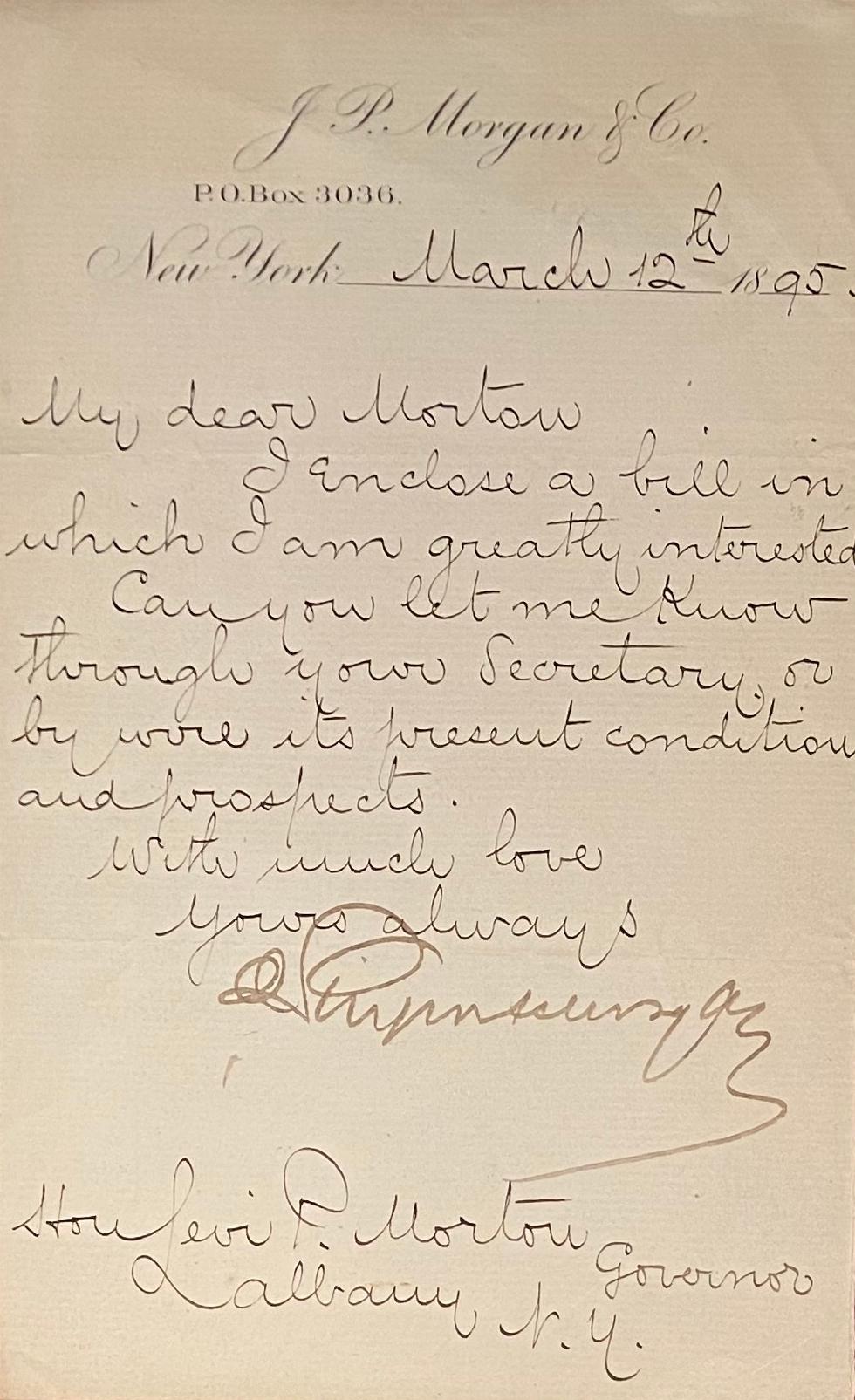
J. P. Morgan ushers a bill into law
J. Pierpont Morgan, Letter signed to New York Governor Levi P. Morton J. P. Morgan & Co., 1895.
One page. Archivally framed.
|
|
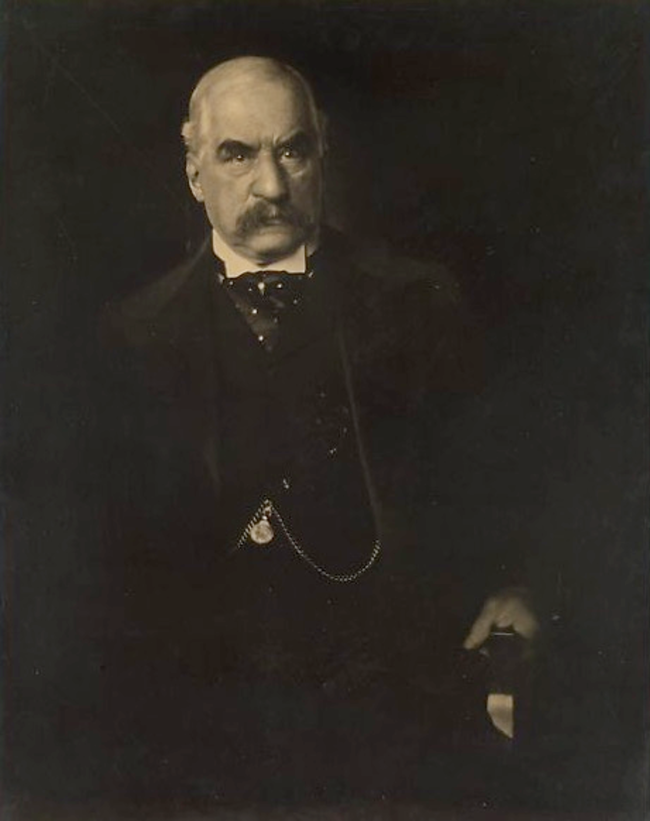
J. Pierpont Morgan dominated American finance and business for decades, overseeing the formation of General Electric and United States Steel, among many others.
In this letter Morgan writes to his friend financier Levi P. Morton, the governor of New York, and one of Morgan’s principal banking rivals. Morton’s bank was eventually merged into Morgan Guaranty Trust. Morgan writes: “I enclose a bill in which I am greatly interested. Can you let me know through your Secretary or by wire its present condition and prospects. With much love, Yours always J. Pierpont Morgan.”
|
|
Edward Steichen. J. Pierpont Morgan (1903)
|
|
“God gave me my money. I believe the power to make money is a gift from God. ... I believe it is my duty to make money and still more money and to use the money I make for the good of my fellow man according to the dictates of my conscience.”
– John D. Rockefeller
|
|
19th Century Rare Book & Photograph Shop
Stephan Loewentheil President & Founder
& Jacob Loewentheil
446 Kent Avenue, Penthouse A
Brooklyn, New York 11249 USA
tel. 347.529.4534 * fax. 347.529.6779
Thomas L. Edsall
& Stacey Lambrow
10400 Stevenson Road, Suite 100
Stevenson, Maryland 21153 USA
tel. 410.602.3002 * fax. 410.602.3006
|
|
Copyright 19th Century Shop © 2021. All Rights Reserved. |
|
|
|
|
|
|