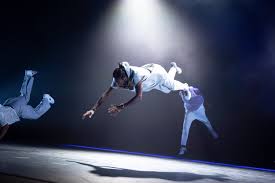
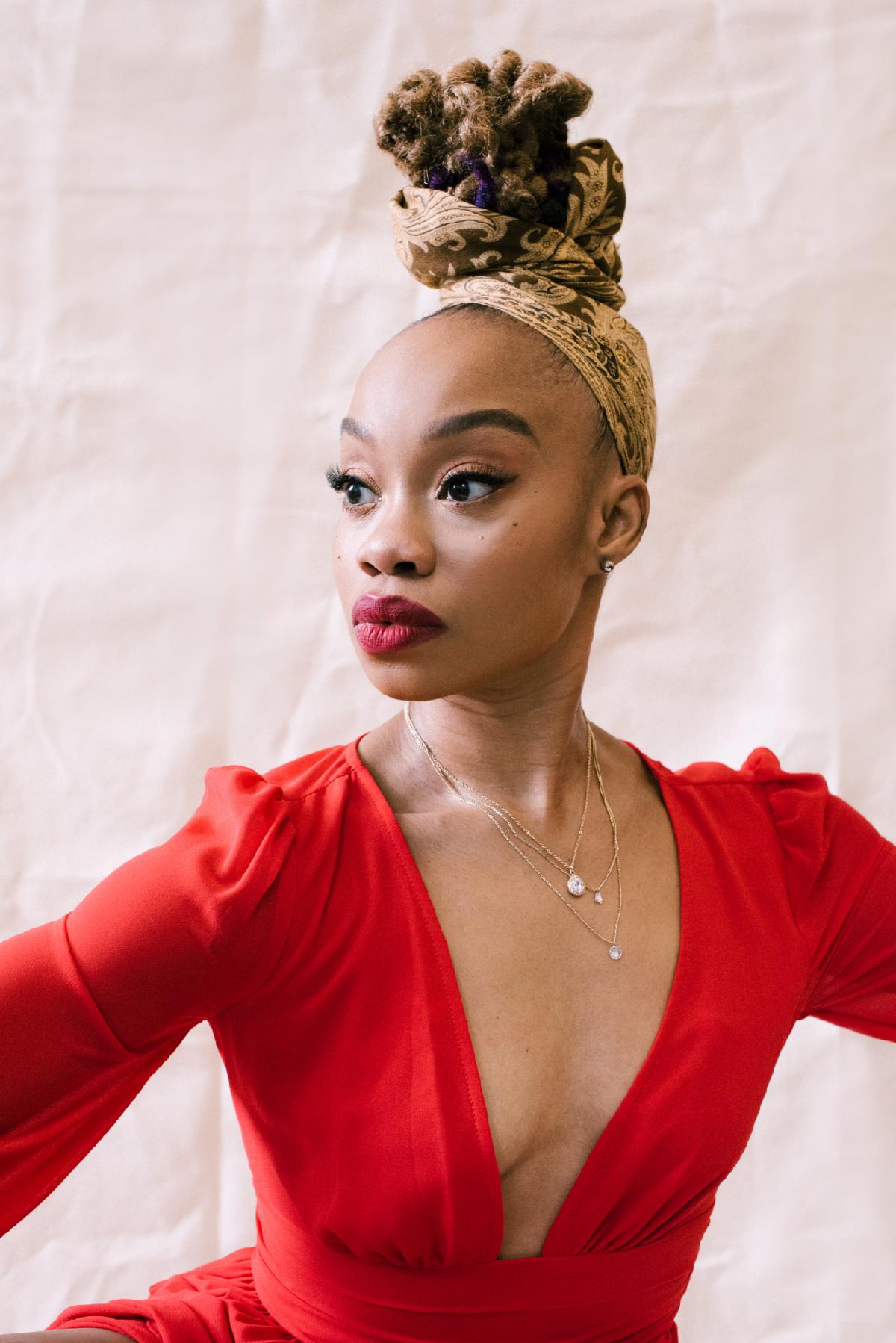
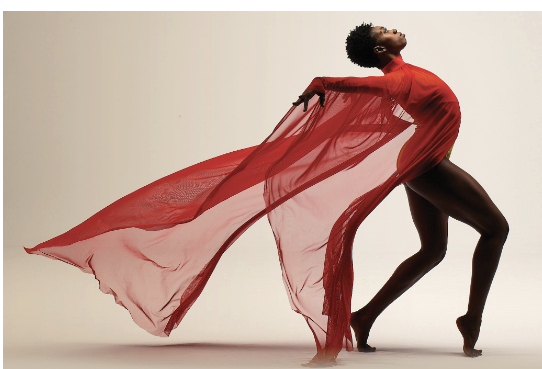
Camille A. Brown's "I Am"

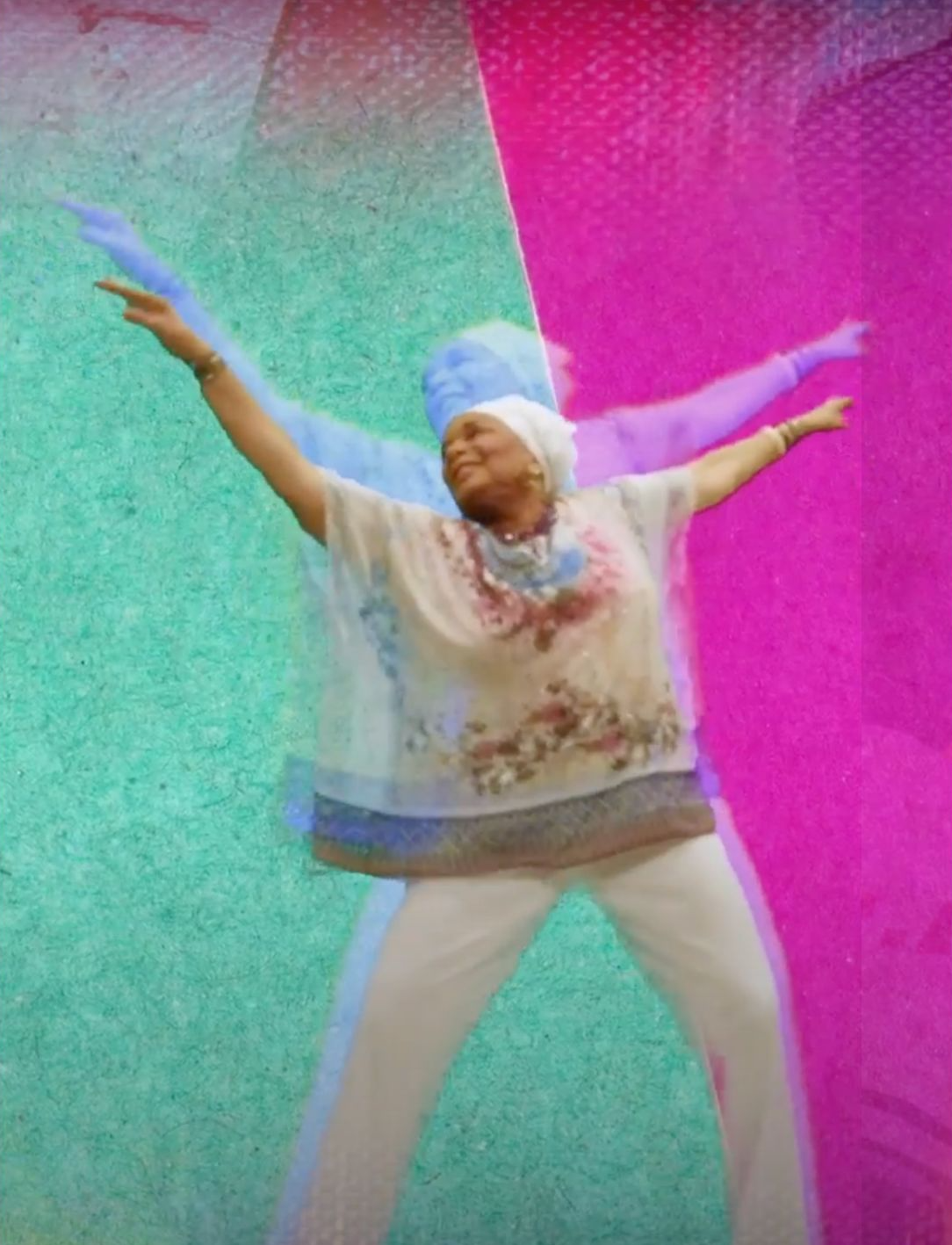
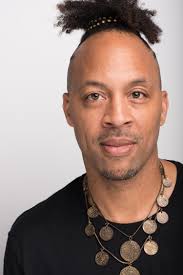
D. Sabella Grimes's "Earthseed Movement"

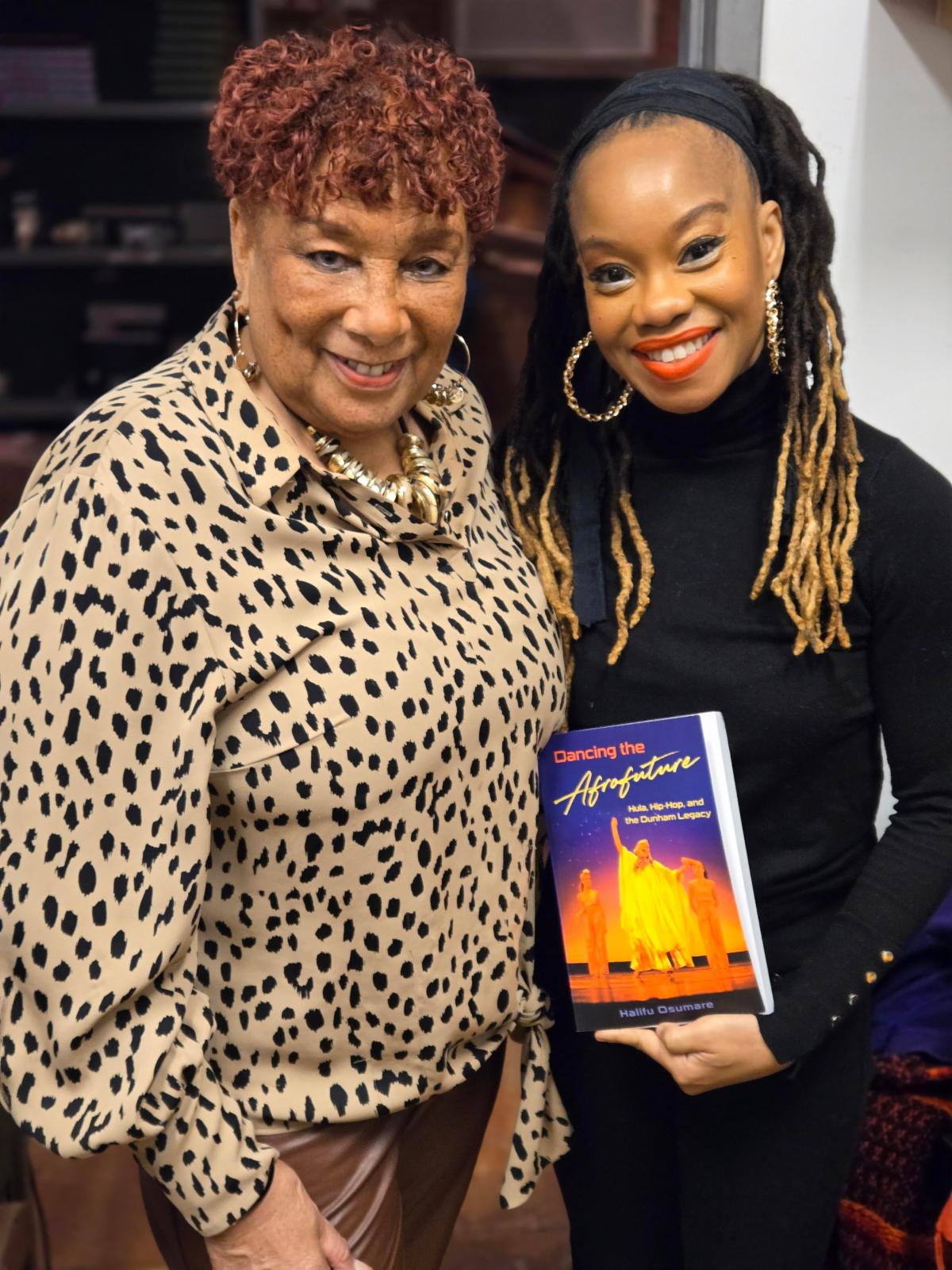
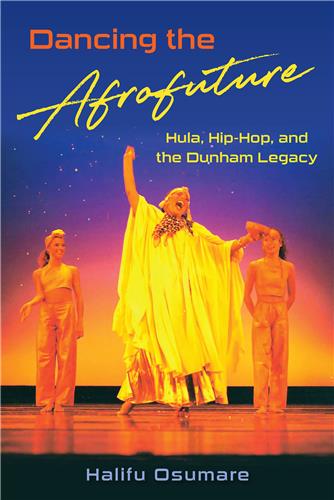
DANCING the Afrofuture

Greetings Halifu,


"There's a Future past what we think is the End."


Camille A. Brown


Dancing the Afrofuture (2024)


"Black folks are not only concerned with how the present begot the past, but with seizing control of the future narrative. Viewing time and space holistically, we are not longer focused on the then and the now, but the next and how we can imaginatively shape it to manifest an awesome salutary future reality." (p. 11)


"Afrofuturist dance artists are not only concerned with past and present injustices but are, in fact, seizing control of furute narratives. As sociologist Robin D.G. Kelly has said, ' the most radical art is not protest art but works that take us to another place, envision a different way of seeing, perhaps a different way of feeling." (p. 260)

Choreographers Exploring Afrofuturism


Camille A. Brown

New York City

“ink”


She Celebrates the rituals, gestural vocabulary, and traditions that remain ingrained within the lineage of the African Diaspora. Diaspora and r

D. Sabela Grimes

Los Angeles

"Supreme Inspiration"


He utilizes Science Fiction writer Octavia Butler’s concept of Earthseed---“God is Change”---as the organizing principle for his “Earthseed Movement."


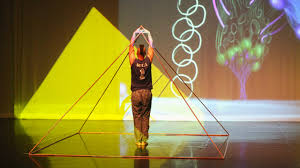
Raissa Simpson

San FranciscoP

"Technoculture"


Using live drones with the dancing body, she is concerned with the Afro-Present as well as the Afrofuture, where the ancient intersects with the ignorance and inequalities of the present. 

WATCH MY 2022 CHOREOGRAPHY ON MY YOUTUBE CHANNEL

"In The Eye of the Storm"


•Afrofuturism is all around us in the 21st Century! It is important for Black People to creatively DESIGN our own FUTURE, beyond the horror of the PAST and the uncertainty of the PRESENT. 


•Artists of all genres, including DANCE, are creatively speculating on an AFROFUTURE, and in the process, CREATING it.

Dance is Life & Life is a Dance

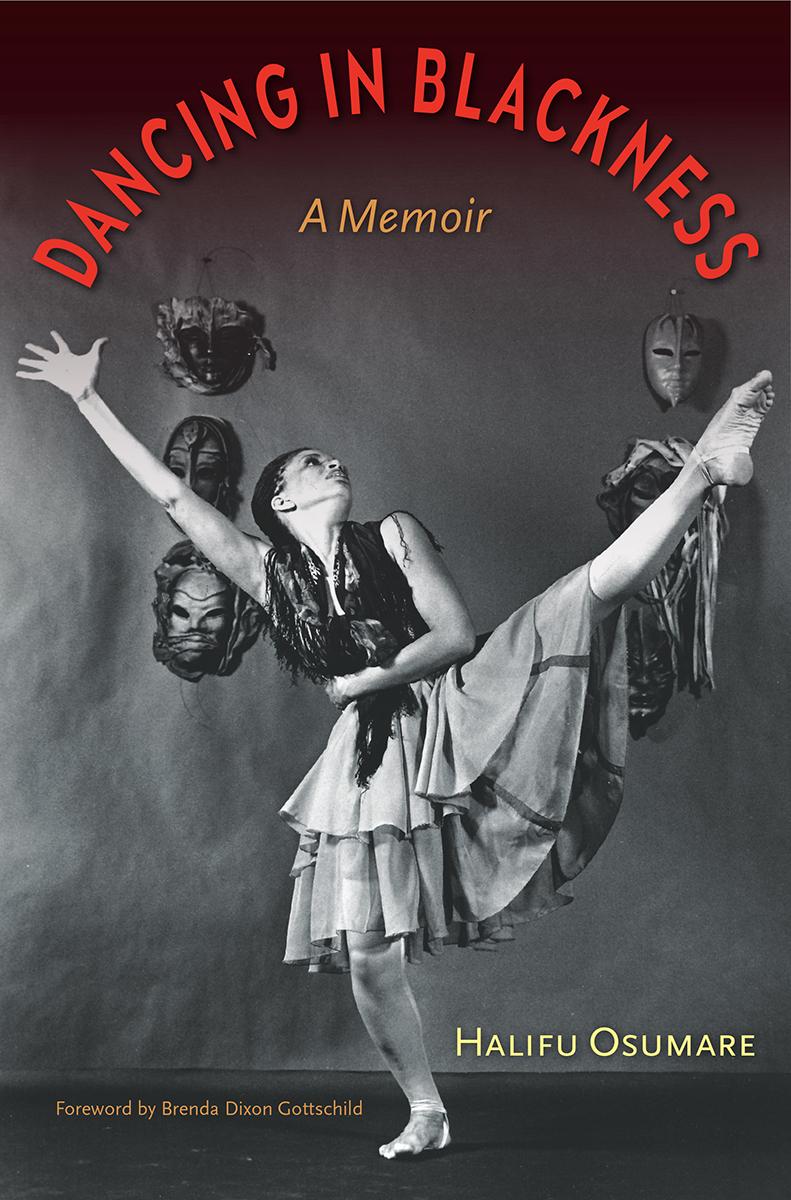
Dancing in Blackness:

A professional female dancer’s personal journey over four decades, across three continents and 23 countries, and through defining moments in the story of black dance in America.

BUY NOW

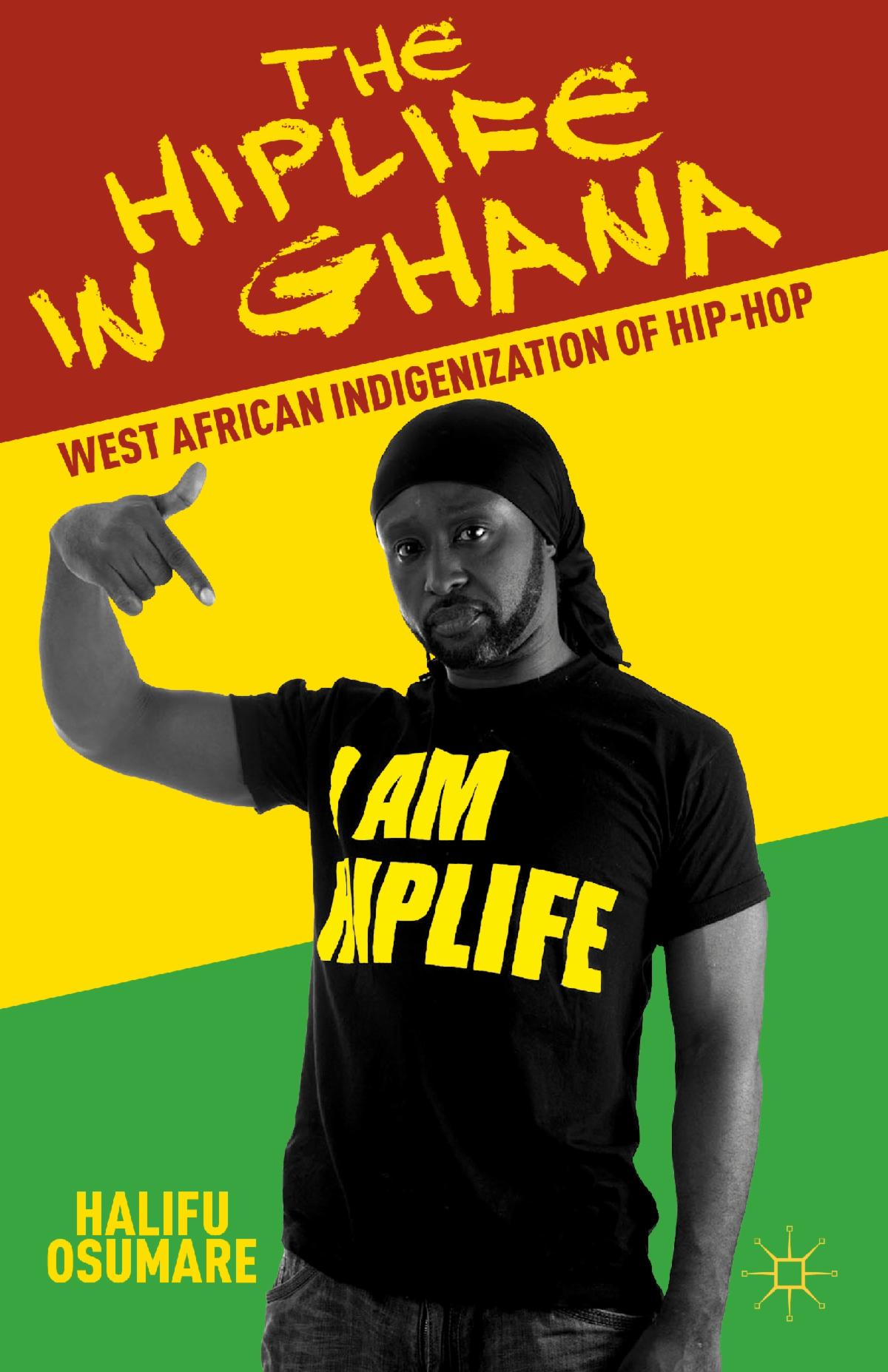
The Hiplife in Ghana: How one West African country has received hip-hop and turned it into a new genre by remixing it with their century-old pop music of highlife.

BUY NOW

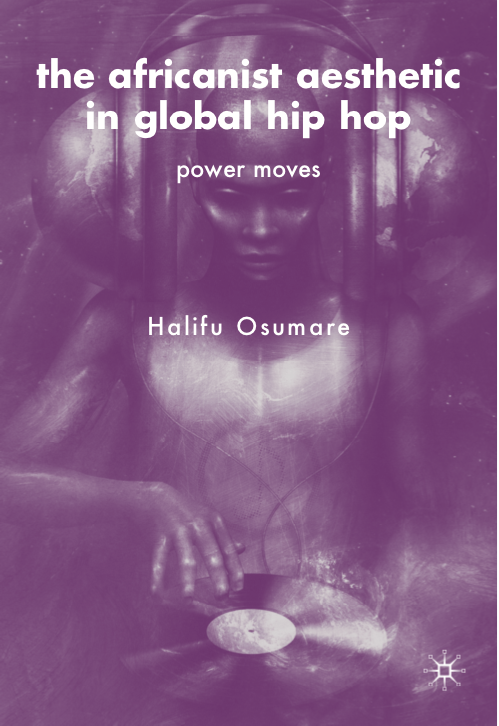
The Africanist Aesthetic in Global Hip Hop: Explores the two reasons for hip-hop’s globalization: 1) American dominant pop culture internationally, and 2) hip-hop’s beat and empowerment of youth.

BUY NOW

hosumare.com

Facebook  Instagram  X  LinkedIn