This Weekend at Historic Deerfield
June 11-13
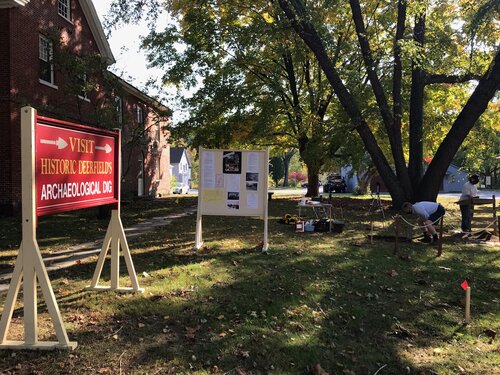
Digging Deeper: Stebbins House Archaeology Project
Friday, Saturday, and Sunday
June 11-13
10 a.m. - 3 p.m.
(weather permitting)

Historic Deerfield continues its archaeological investigation of the Stebbins House site. Museum visitors are invited to visit the excavation and talk to archaeologists at work as they follow-up on clues from a ground-penetrating radar survey.
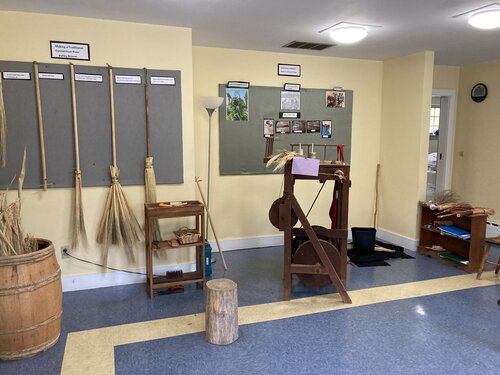
Broom-Making Demonstrations at the History Workshop
Saturday, June 12
10 a.m. - 4 p.m.

Brooms were so important to the economy of 19th century Deerfield that at one time there were eight broom-making shops along the Street! Join us in the History Workshop to watch a broom being made by hand, learn about growing and processing broomcorn, and see broom making tools and equipment. Learn the story of Caleb Salisbury, an African-American man who lived in Deerfield and made brooms, and learn about the role of broom-making and craft industry in the 19th century.
On View at the Flynt Center
TEXTiles and Technology
Helen Geier Flynt Textile Gallery
Fridays, Saturdays, and Sundays
9:30 a.m. - 4:30 p.m.

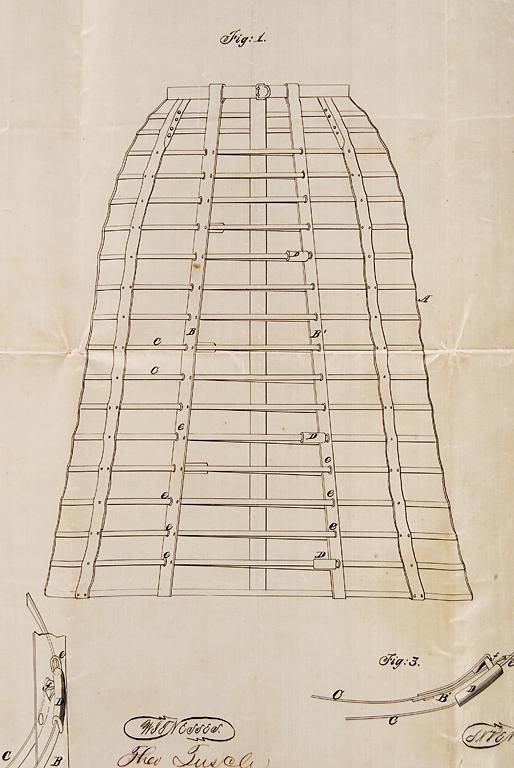
Featured in the Helen Geier Flynt Textile Gallery in 2021 is an insightful display featuring a group of objects that used both the printed word and/or new innovations to decorate and improve life for people in the 19th and 20th centuries. The theme is explored through a selection of objects that include an engaging pair of printed cotton handkerchiefs, a rare pair of early 20th-century water wings, and a 19th-century hoop skirt patent – as well as an actual hoop skirt made to its specifications! 

TEXTiles and Technology is but one of the themes explored in the gallery, named for founder Helen Geier Flynt (1895-1986), whose interest and collecting focus helped found the core of the museum’s important fashion and textile collection, which today numbers some 8,000 pieces. 

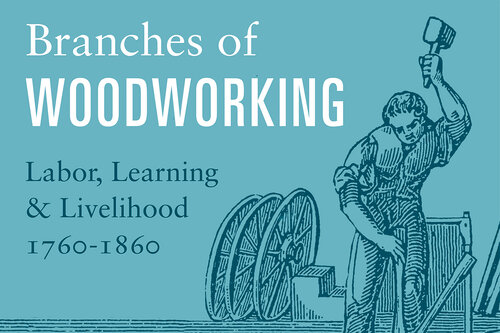
Branches of Woodworking: Labor, Learning & Livelihood, 1760-1860
Lobby
Fridays, Saturdays, and Sundays
9:30 a.m. - 4:30 p.m.

This exhibition reveals the evidence that objects hold about their manufacture and the diverse scope of work practiced by different kinds of woodworkers. Artisans offered a variety of skills and services to satisfy their neighbors’ demands for everything from high-style furniture to agricultural implements. Their trade demanded a broad range of tools and varying skills to transform wood in timber framing houses, joinery, cabinetmaking, turning, wheelwrighting, coopering, carpentry, and repair work. 
Boston Furniture Masterworks at Historic Deerfield
Into the Woods Gallery
Fridays, Saturdays, and Sundays
9:30 a.m. - 4:30 p.m.

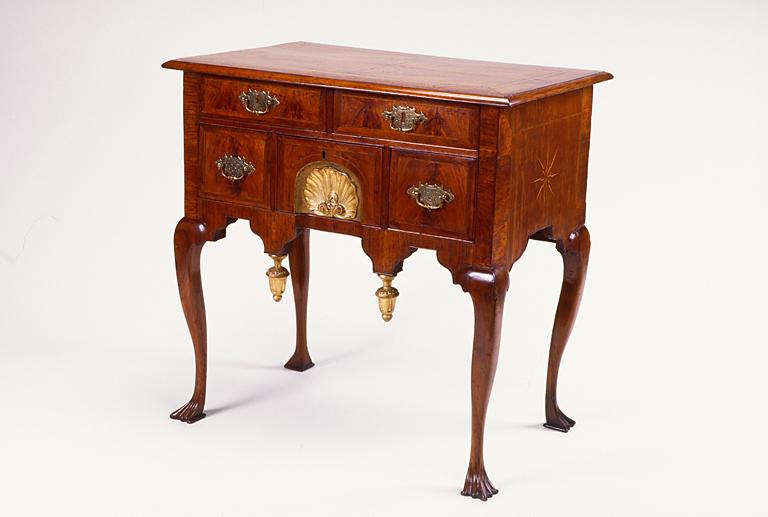
Come visit the “Into the Woods” gallery at the Flynt Center of Early New England Life to view an impressive array of furniture produced in Boston in the 18th and 19th centuries. Rare and exceptional forms include an 18th-century japanned high chest, an 18th-century turret-top tea table, and a 19th-century sideboard attributed to cabinetmakers John and Thomas Seymour.
English Anti-Slavery Ceramics
Museum's Attic
Fridays, Saturdays, and Sundays
9:30 a.m. - 4:30 p.m.

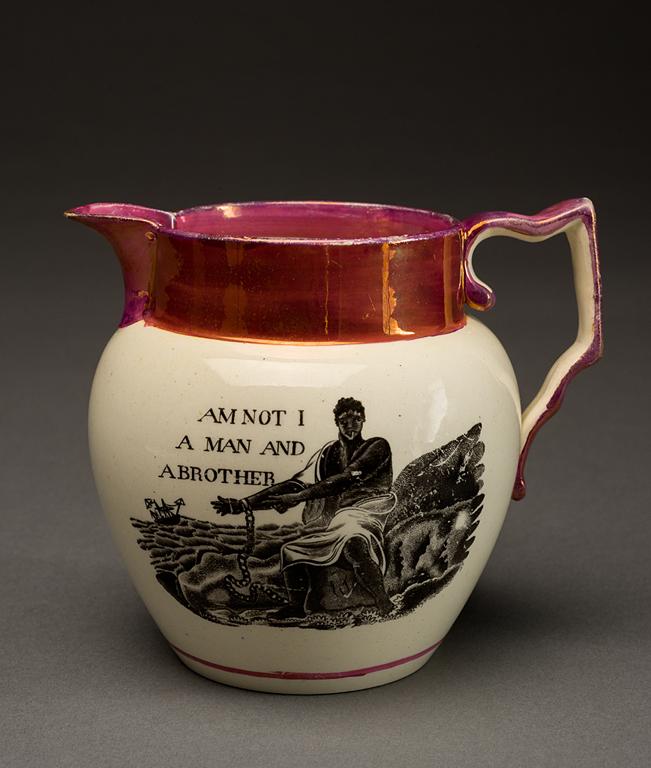
In 18th and 19th-century Britain and America, ceramics became an important medium for denouncing the horrors of slavery and promoting social change. Come visit the “Museum’s Attic” at the Flynt Center of Early New England Life to view and learn more about examples of anti-slavery ceramics, and the meaning behind their design and decoration.