NASA Harvest News
Making Sense of Data Deluge with AI
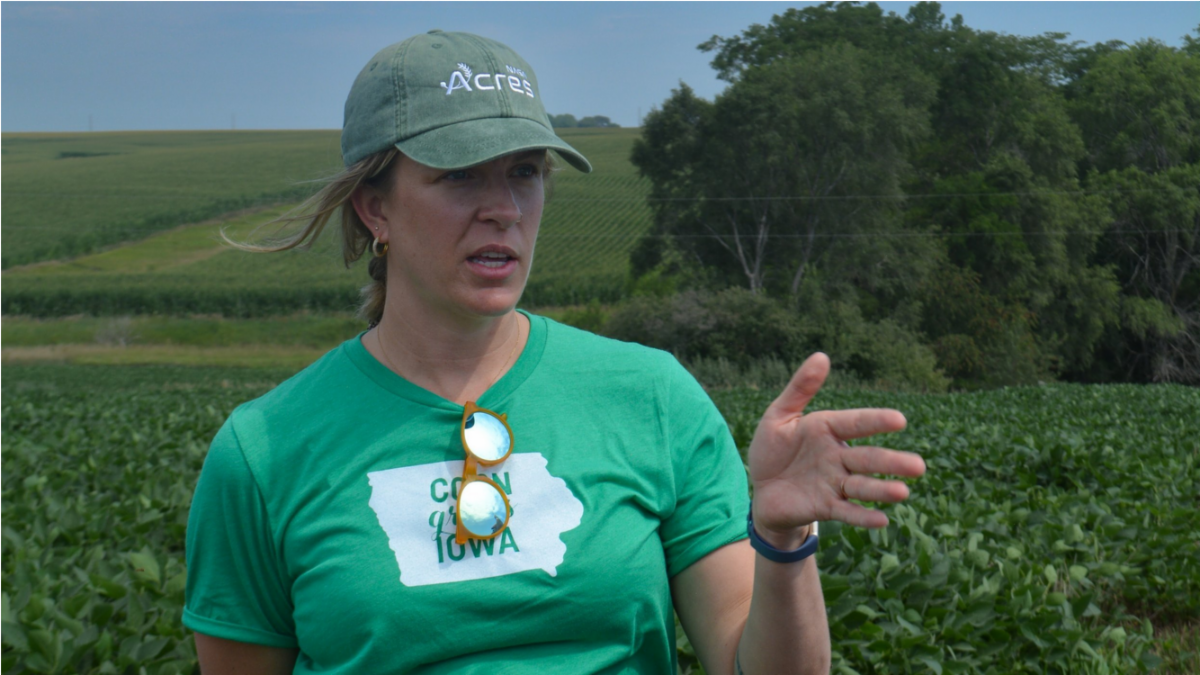
NASA Harvest's Machine Learning and Artificial Intelligence Lead, Dr. Hannah Kerner, discusses how she and her team are using AI to process, analyze, and implement real world applications from the massive amounts of Earth observation data being produced by orbiting satellites.

This video was prepared as part of a feature article for Arizona State University's Ira A. Fulton School of Engineering.
Read the original feature here.
After a successful pilot program, Harvest has renewed our partnership with Argentinian crop tracing platform, UCrop.it. We'll be working together to develop a satellite-based model for detecting nitrogen fertilizers in wheat crops for producers across Argentina.
General Mills and Unilever, global leaders in consumer food and packaged goods, have joined the Harvest Sustainable and Regenerative Agriculture (SARA) Initiative as its founding sponsors. Their support contributes to building a robust evidence base for farm conservation management practices.
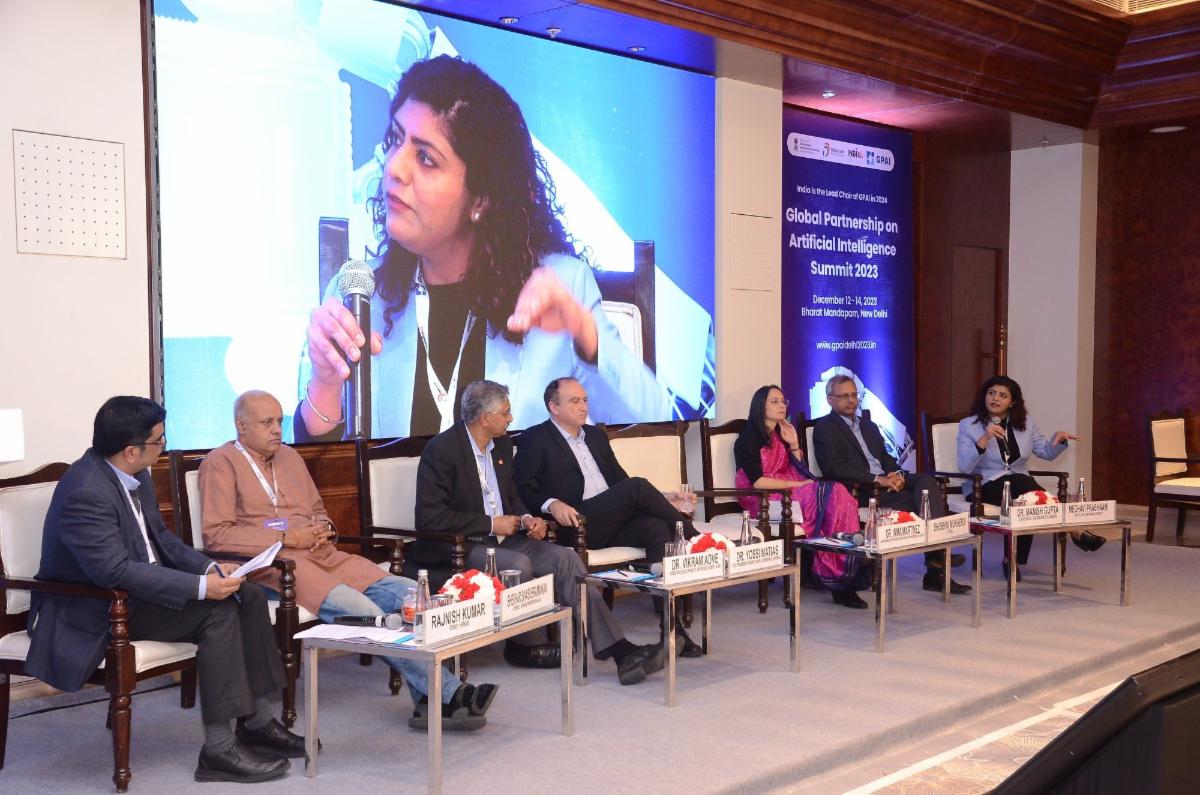
NASA Harvest's South Asia Lead, Meghavi Prashnani, traveled to New Delhi, India to discuss the intersection of artificial intelligence and agriculture, particularly how AI is allowing us to improve farmer outcomes, enhance climate resilience, and strengthen supply chains.
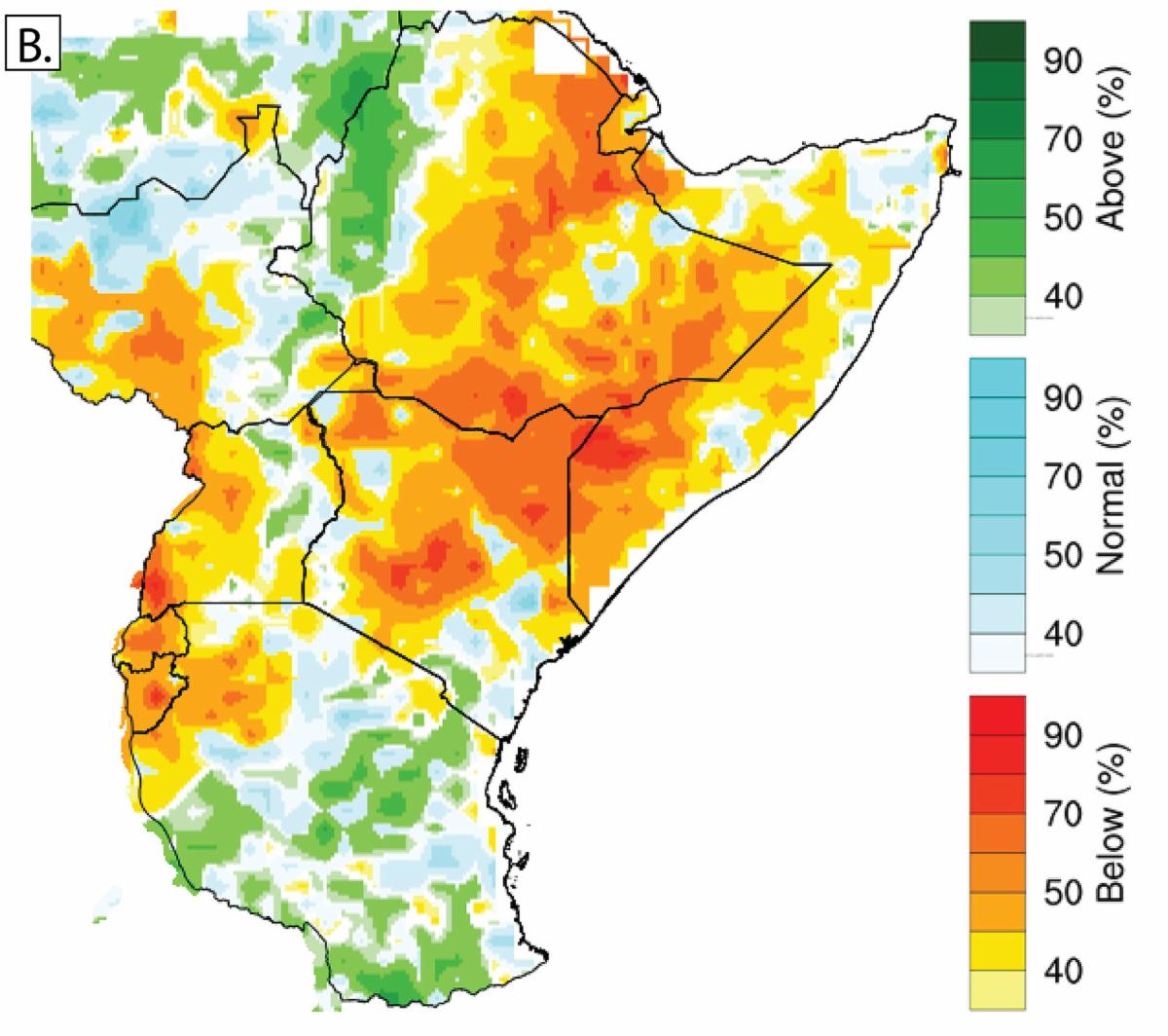
Research from NASA Harvest partners at the University of California, Santa Barbara's Climate Hazards Center and FEWS NET (Famine Early Warning System Network) is helping to combat famine in East Africa. The team is improving its ability to predict droughts in the region using forecasts based on sea surface temperatures. These improved predictions support enhanced humanitarian relief efforts.
Survey on Smallholder Yield Modeling
NASA Harvest has been tasked by the US Agency for International Development Feed the Future Initiative (USAID FTF) to evaluate the yield modeling landscape in smallholder settings to inform future interventions and investments.

To get a sense of the landscape beyond academic literature review, we appreciate input from organizations in the commercial and non-governmental sectors on relevant portfolios. The data collected in this survey will be presented to USAID stakeholders in a white paper that may be available for public viewing. Given potential sensitivities of disclosing intellectual property, any part of this survey is optional. Please feel free to contact us with any queries at https://nasaharvest.org/form/contact.
Upcoming Events
The NASA ARSET (Applied Remote Sensing Training) program is hosting a free online training on how to access and utilize various Earth observation datasets for the monitoring and analysis of global agricultural patterns. Participants will become familiar with data format and quality considerations, tools, and techniques to process remote sensing imagery at large scale from publicly available satellite sources, using various cloud tools.