OCTOBER 2026 NEWSLETTER

Fall Greetings from Boston

IN THIS ISSUE:

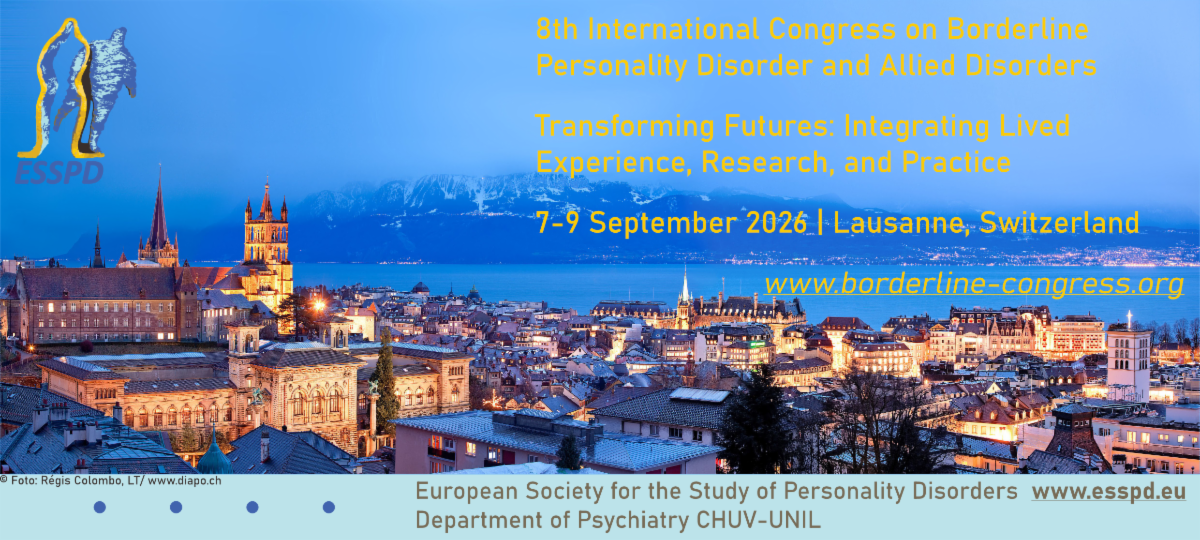
  • Updates from the 8th International ESSPD Congress in Lausanne → Page 2
  • Featured Research: GWAS for Borderline Personality Disorder → Page 3
  • Broadening Care for BPD & Suicidal Patients Around the Globe → Page 4
  • Newly Released Books & Upcoming Events → Page 5

Page 1

News from ESSPD 2026

Research Trends at ESSPD 2026

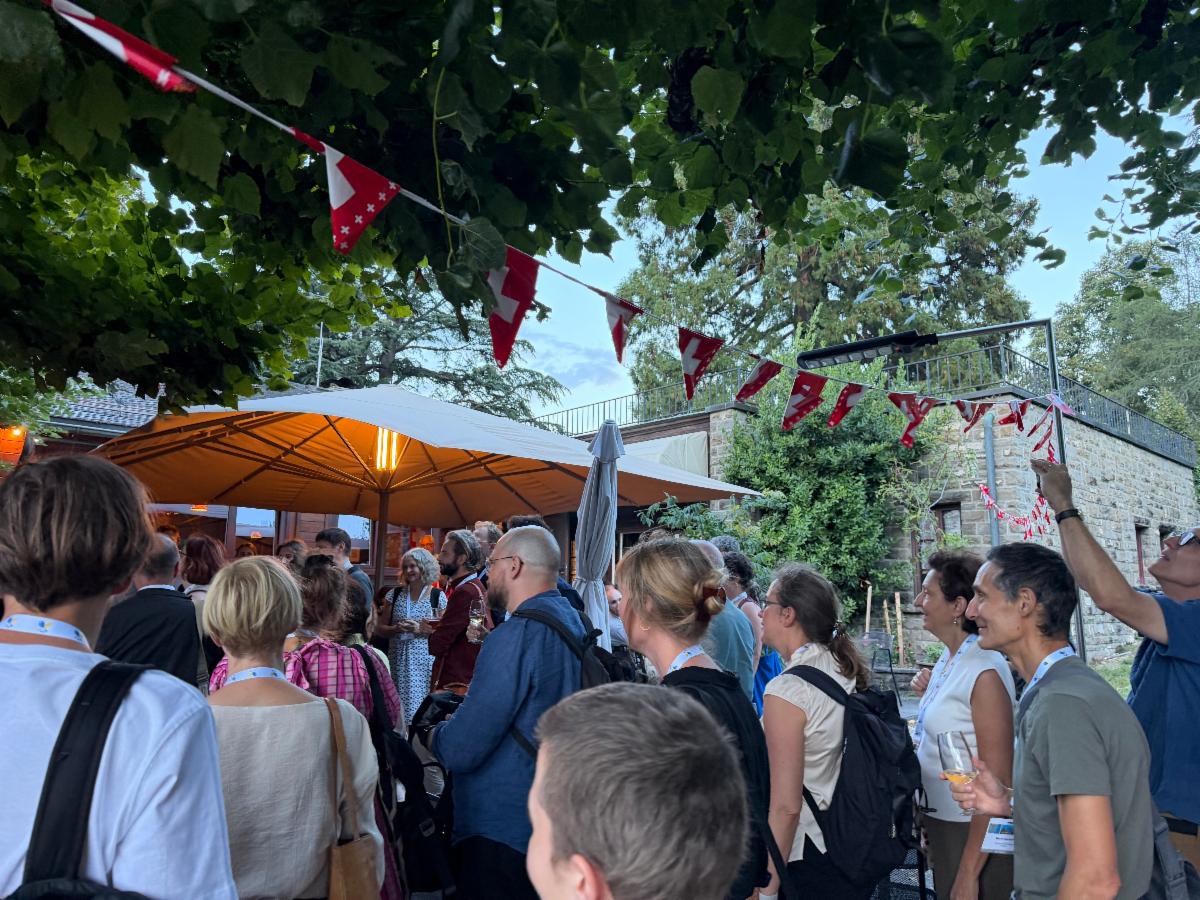
The heatwave in Lausanne, Switzerland during the 8th International ESSPD Congress coincided with a distinctly different atmosphere for this congregation of clinicians, researchers, and lived experience contributors in our community. The strongest trend at the 2026 ESSPD Congress in Lausanne was a decisive direction oriented to asking how effective care can be personalized, scaled, implemented early, and integrated into ordinary health systems. The inspiring plenaries focused on earlier and expanded intervention highlighted current realistic challenges and potential solutions (e.g. Andrew Chanen MD and Michael Kaess MD) as well as family interventions (e.g. Babette Renneberg PhD and Mario Speranza MD). Congratulations to the ESSPD and meeting planners on an excellent meeting which represents how our field is evolving and moving forward. This brief synthesis is based primarily on the congress program; it describes the direction of the research presented, not necessarily findings that have already passed peer review.

Major research trends:


★ Mechanisms of change are replacing treatment-brand comparisons. Many presentations examined processes that may operate across therapies:

  • Mentalizing and metacognition
  • Emotional awareness and emotion regulation
  • Epistemic trust
  • Identity integration and narrative coherence
  • Therapeutic alliance and therapist responsiveness
  • Self–other differentiation
  • Memory reconsolidation and enduring emotional change
  • Reduction of self-contempt
  • This suggests increasing interest in identifying the active ingredients of psychotherapy. Treatment models remain visible—DBT, MBT, TFP, schema therapy and GPM—but they are increasingly treated as different ways of mobilizing partially shared mechanisms.

★ Earlier recognition and intervention across development. Youth research was unusually prominent. 
Sessions addressed:

  • Personality vulnerabilities in children
  • Early markers of BPD
  • Standardized assessment of youth personality functioning
  • Developmental trajectories from adolescence into adulthood
  • Early intervention programs in Switzerland, France, and Spain
  • Parent involvement and treatment of children of mothers with BPD
  • This reflects declining reluctance to recognize personality pathology before adulthood. The emphasis is nevertheless developmental: researchers are trying to identify impairment and risk without prematurely imposing fixed identities.

★ From specialist therapies toward scalable systems of care. A substantial portion of the program addressed how evidence-based principles can be delivered beyond highly specialized psychotherapy centers. 
Examples included:

  • Generalist versus specialist treatment for severe personality disorders
  • Brief psychiatric treatment and ten-session group GPM
  • Scaling GPM according to severity, developmental stage, and comorbidity
  • DBT implementation in public psychiatry
  • Digital, blended, modular, and self-help interventions
  • User-controlled crisis admission
  • The emerging question is no longer simply, “Which therapy works?” It is, “What level and component of care does this patient need, and who can feasibly provide it?” This reflects a stepped-care or stratified-care model rather than universal referral to intensive specialist psychotherapy.


★ Dimensional diagnosis is becoming clinically operational. ICD-11 personality-disorder classification, severity assessment and personality functioning appeared throughout the program. 
Dimensional models were linked to:

  • Treatment selection and intensity
  • Psychotherapy integration
  • Monitoring longitudinal change
  • Youth assessment
  • Clinical heterogeneity within BPD
  • Generalist versus specialist allocation
  • The important change is that dimensional diagnosis is moving beyond psychometric debate. Researchers are beginning to test whether severity and trait profiles actually improve clinical decisions.

★ Transdiagnostic and cross-diagnostic boundaries are becoming more permeable. The congress included research on trauma, dissociation, psychosis, substance-use disorders, depression, narcissism, aggression, and neurodiversity in relation to personality pathology. 
Particularly notable were:

  • BPD–psychosis overlap
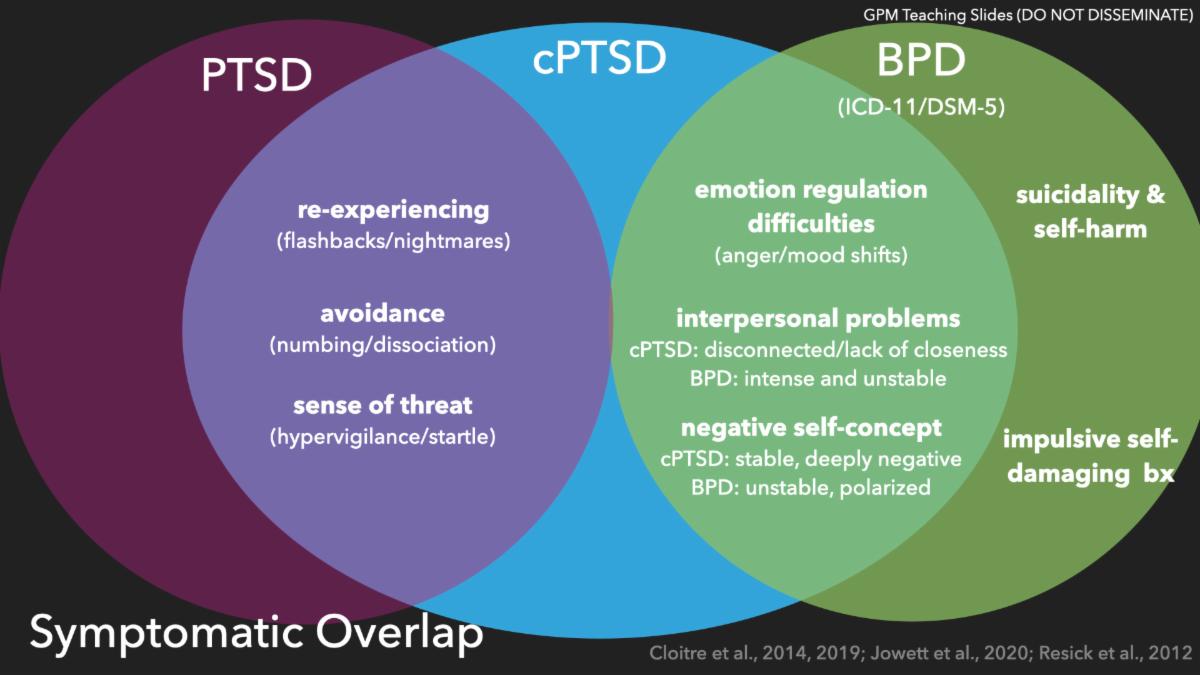
  • Combined treatment of PTSD and personality disorders
  • Dissociation as a transdiagnostic phenomenon
  • Emotion dysregulation across diagnoses
  • Modular treatment of pathological narcissism within a GPM framework
  • The field increasingly views BPD as neither an isolated category nor an all-purpose explanation. Personality dysfunction is being studied as one interacting component of broader psychopathology.


★ Recovery is being defined beyond symptom reduction. Functioning, agency, identity, relationships, parenthood and participation in ordinary life were recurrent outcomes. This is a meaningful shift away from judging success primarily through reductions in self-harm, hospital use, or diagnostic criteria. Suicidality and self-harm remain central—but increasingly as part of a broader objective: helping people develop sustainable lives, relationships, and social roles.


★ Lived experience is moving toward genuine co-production. The congress theme was “Transforming Futures: Integrating Lived Experience, Research, and Practice.” Experts by experience participated in plenary reflections, DBT adaptation, research design, and dedicated co-production symposia. The direction from consulting patients after decisions have been made toward involving them as investigators, presenters, and designers of services. The strength of actual co-production probably varies across projects, but its prominence represents a major cultural change.

★ Families and intergenerational processes are now central rather than peripheral.

Research extended beyond the identified patient to:

  • Family Connections and other caregiver interventions
  • Effects of BPD on relatives and partners
  • Mothers with personality disorders and their children
  • Peripartum intervention
  • Parent participation in youth treatment
  • Peer leadership among family members
  • Families are increasingly conceptualized simultaneously as affected parties, potential therapeutic resources, and targets for preventive intervention.


★ Methodological pluralism is expanding. Alongside randomized trials, the program included:

  • Pragmatic non-inferiority trials
  • Routine-care and implementation studies
  • Symptom-network and computational approaches
  • Neuroimaging and neuromodulation
  • Qualitative and phenomenological methods
  • Process research and metasynthesis
  • Ecologically oriented research on real-life experience
  • The field appears more willing to combine experimental precision with evidence about what happens in actual services and daily life.

What remains less developed:


Several limitations are still visible:

  • Many innovations are represented by feasibility studies, protocols, or uncontrolled implementation projects rather than definitive trials.
  • Long-term functioning, social recovery, and cost-effectiveness receive more attention conceptually than they do through mature outcome data.
  • Digital interventions, AI, neurobiological markers, and neuromodulation remain promising but comparatively preliminary.
  • Despite broader coverage, BPD still dominates the congress; other personality disorders receive much less systematic treatment research.
  • “Personalized treatment” is an organizing aspiration, but reliable algorithms for matching patients to treatment type, intensity, or duration are not yet established.

Overall interpretation:


The Lausanne ESSPD congress suggests that the field is entering an integration and implementation phase. The central scientific problem is shifting:

From proving that specialized psychotherapy can work to determining which therapeutic principles should be delivered, at what intensity, at what developmental stage, by which providers, and within what system of care.

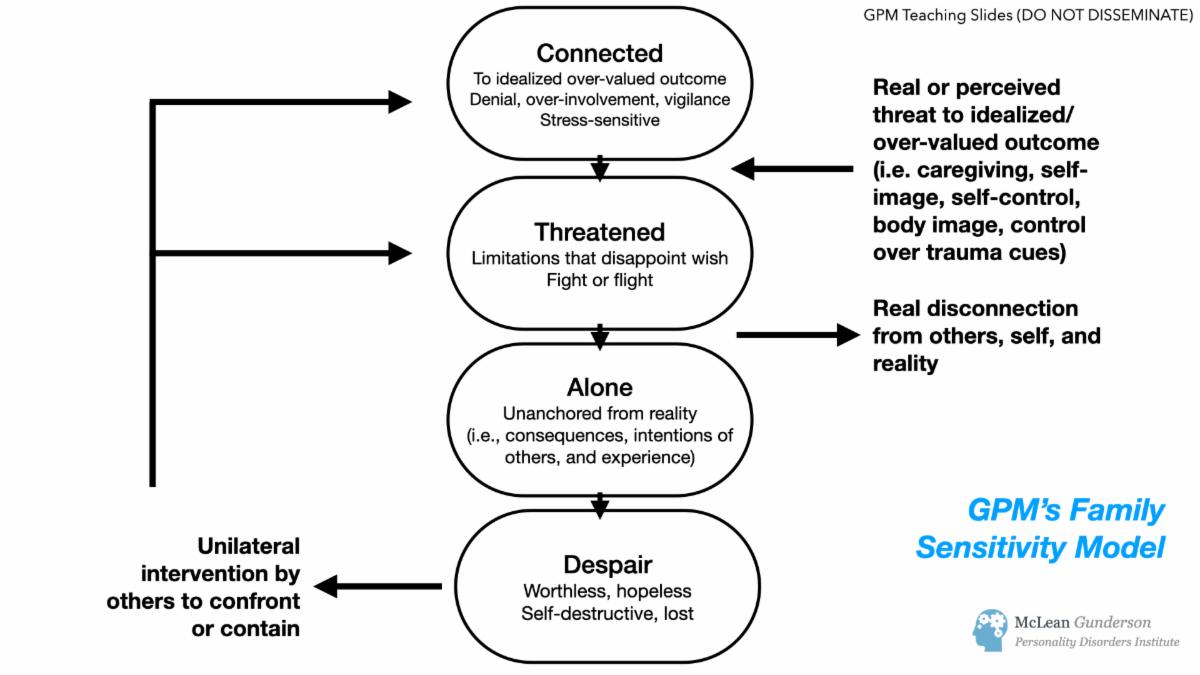
For GPM specifically, this is a highly congenial direction. The growing emphasis on generalist care, practical functioning, scalable intervention, dimensional severity, and integration across diagnoses places GPM close to the center of the field’s current trajectory—while mechanism-focused research on mentalizing, emotion regulation, and epistemic trust supplies a richer account of how such broadly organized treatment may work.

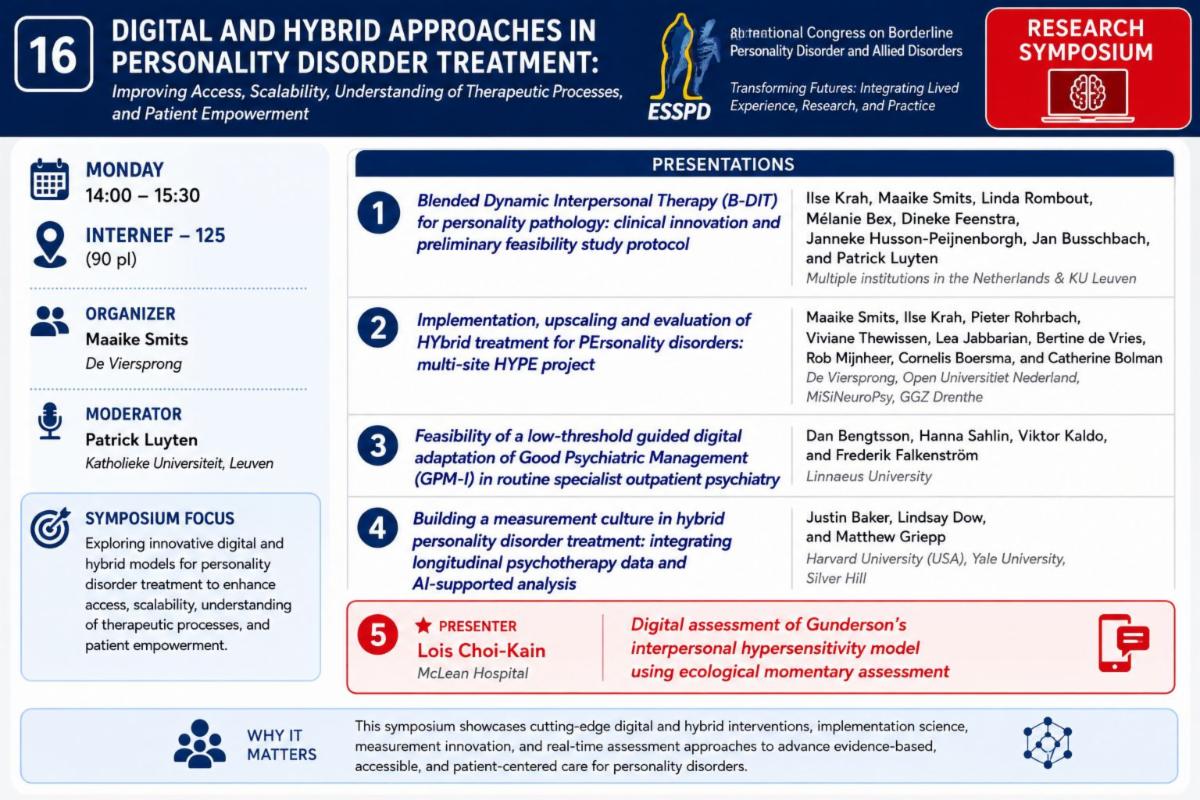
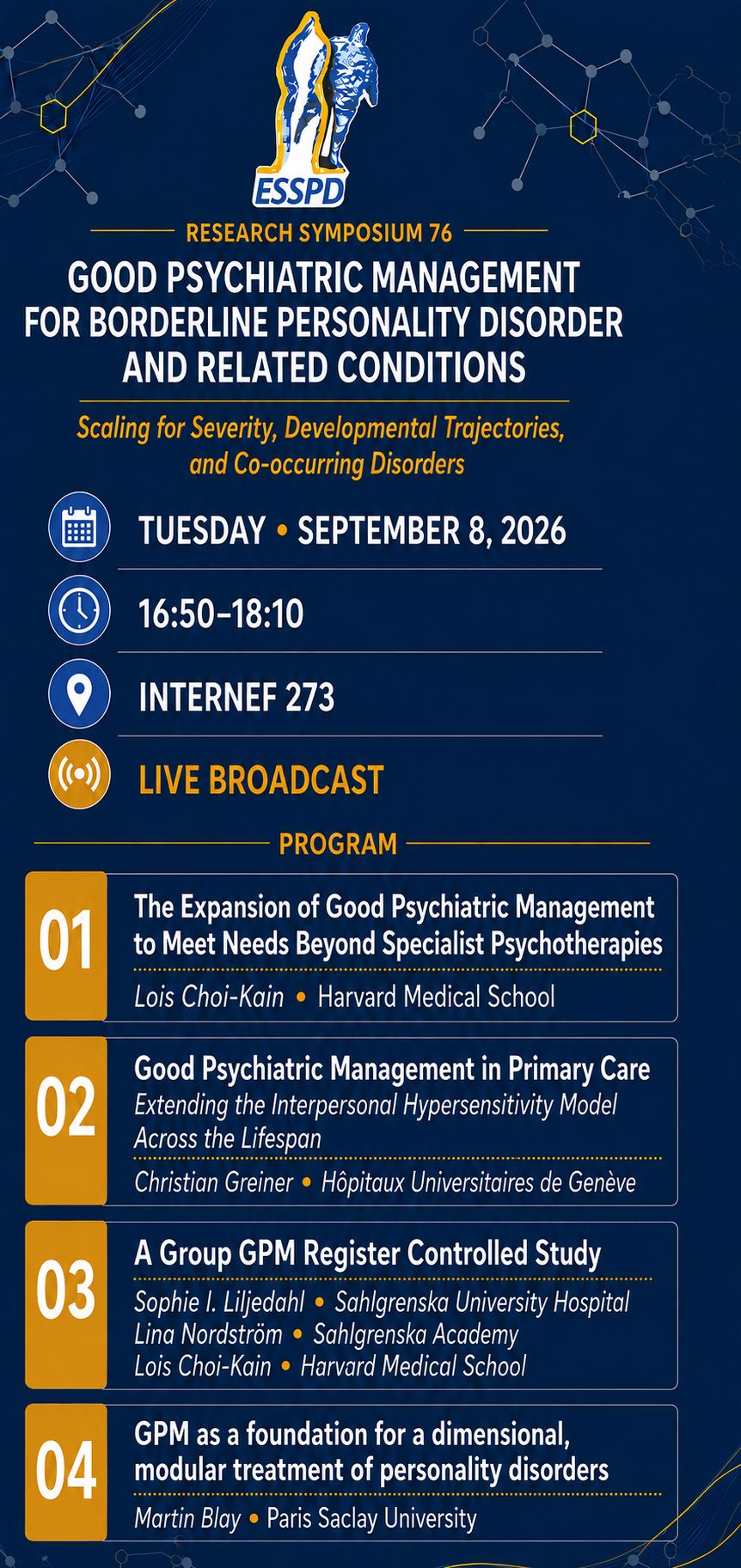
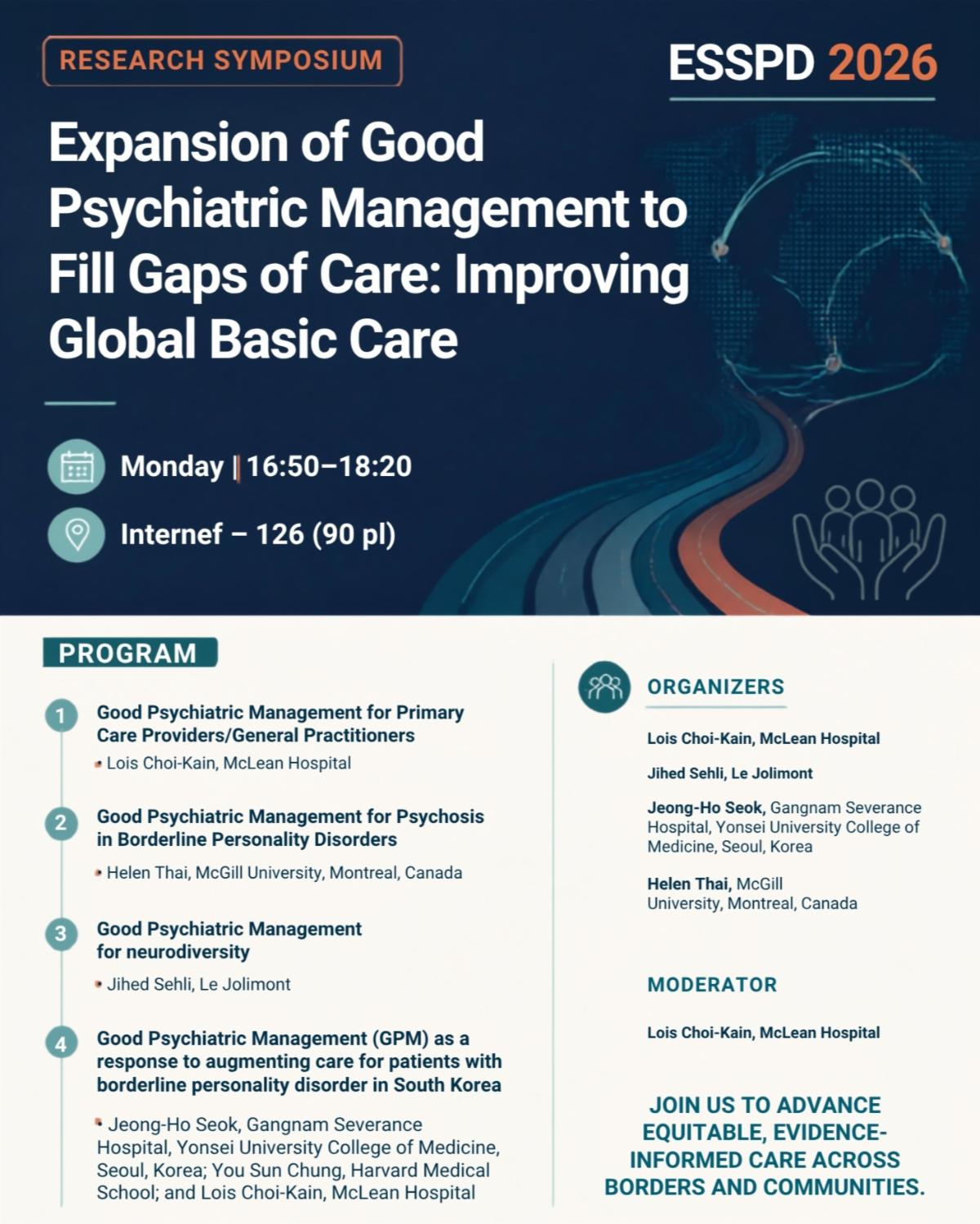
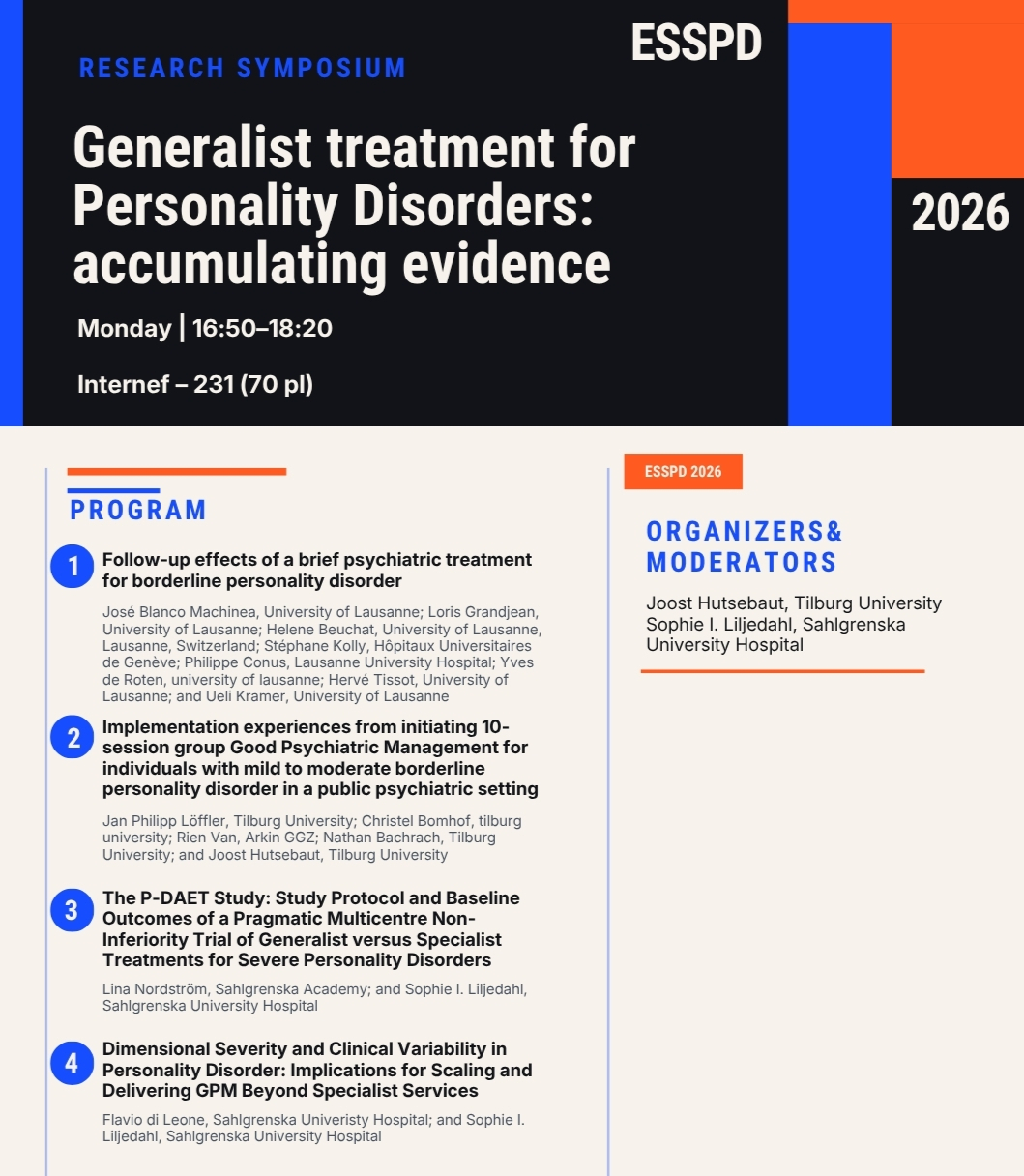
Good Psychiatric Management Presentations at ESSPD 2026

Page 2

New Genetic Insights for Borderline Personality Disorder (BPD)

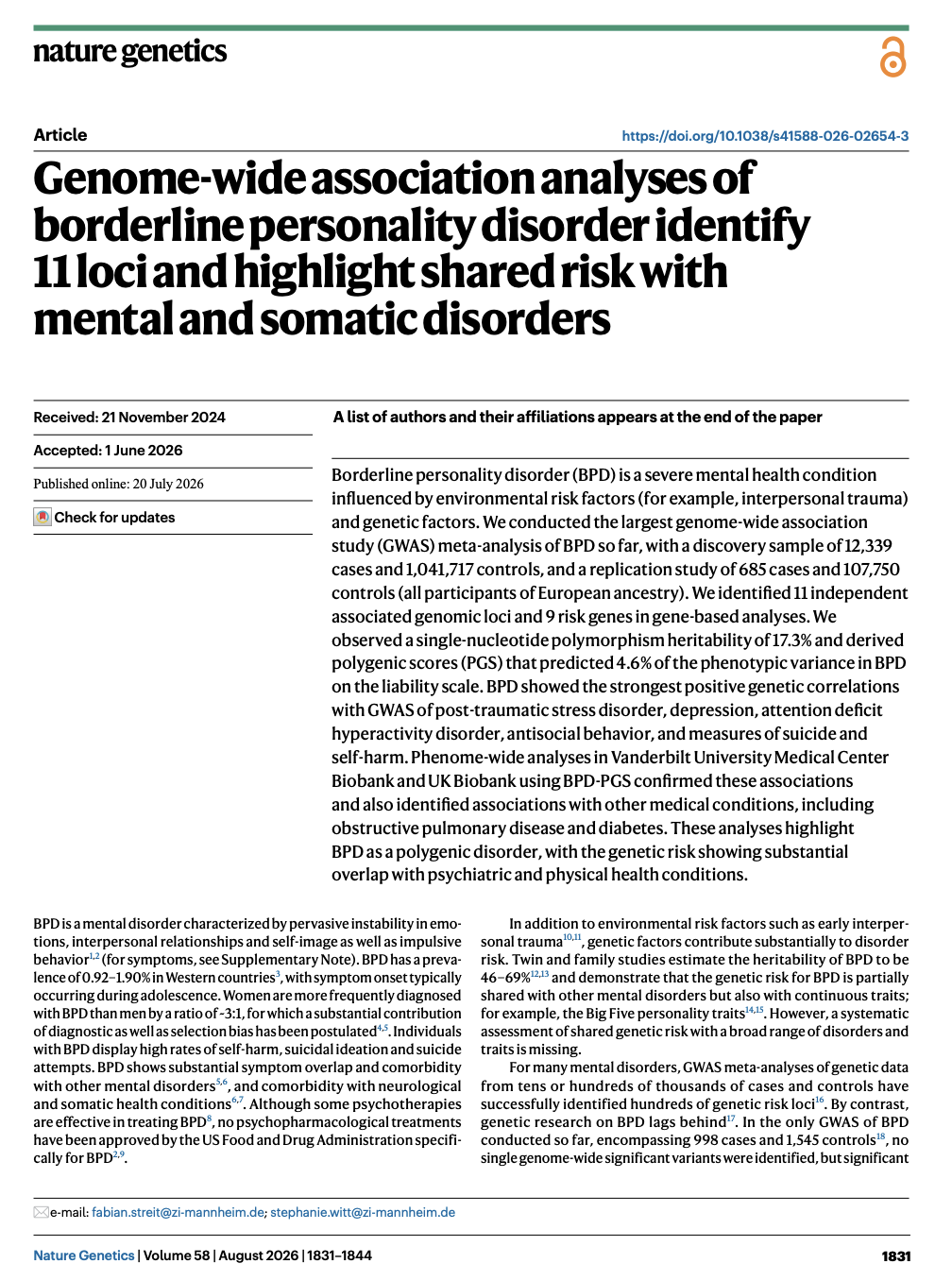
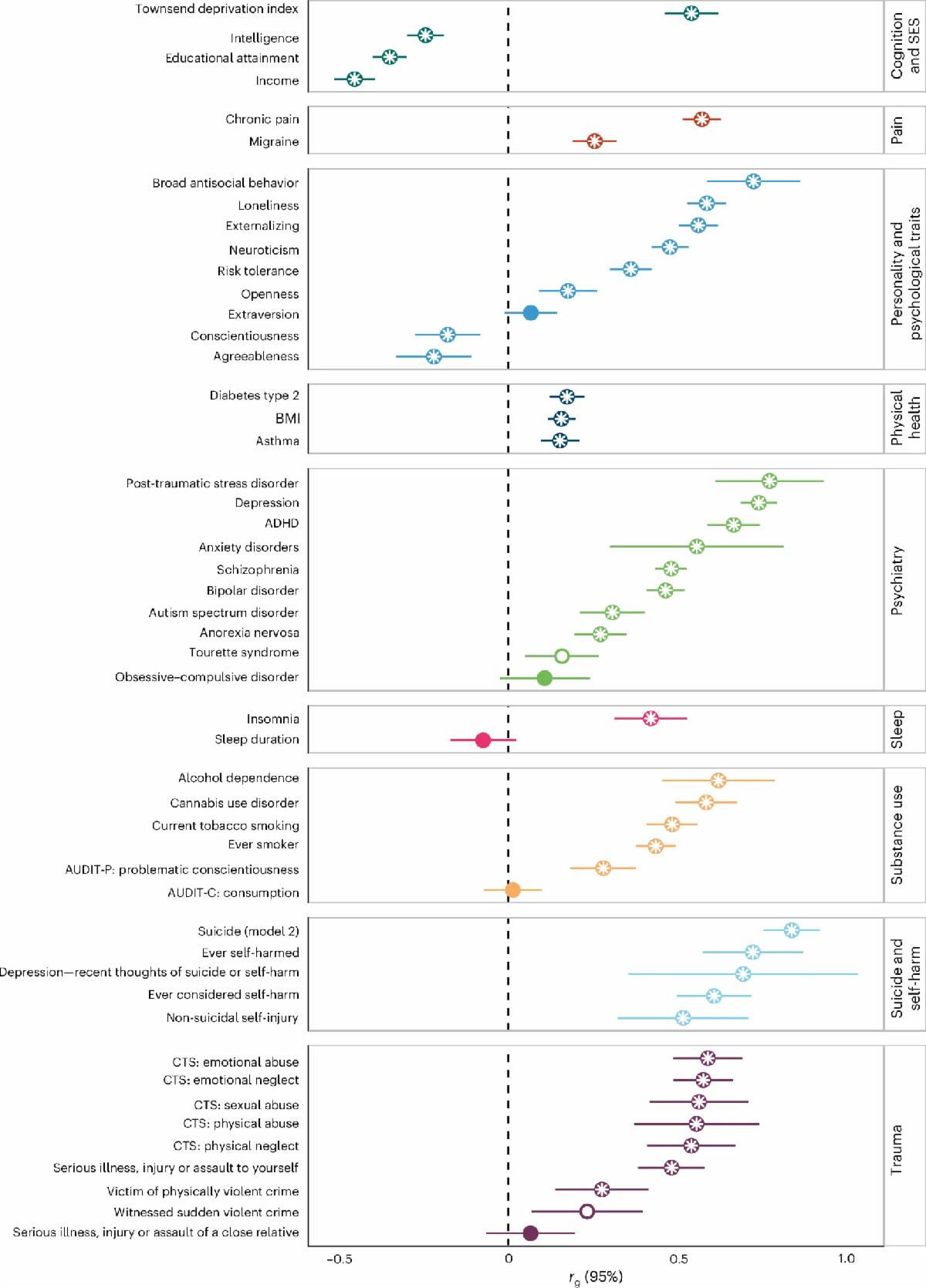
A landmark study published in Nature Genetics, led by Fabian Streit, PhD, and an international consortium of researchers, represents a major advance in our understanding of the biological basis of BPD. Using the largest genome-wide association study of BPD to date, including more than 12,000 cases and one million controls, the authors identified 11 independent genetic loci and 9 risk genes associated with BPD. The study found substantial genetic overlap between BPD and other psychiatric conditions, particularly PTSD, depression, ADHD, antisocial behavior, and suicide/self-harm, as well as associations with physical health conditions, such as diabetes and chronic pulmonary disease. This work underscores the complexity faced by individuals with BPD, which extends beyond psychiatric symptoms to encompass social and occupational functioning and physical health.

Page 3

Broadening Care for Borderline Personality Disorder & Suicidal Patients Around the Globe

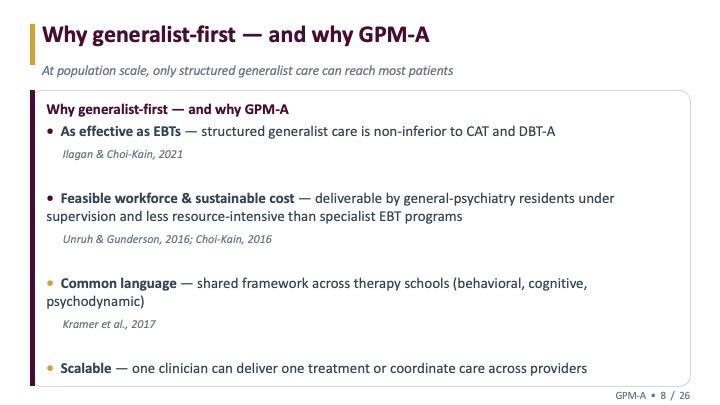
International collaborators and GPM Trainers around the world fuel the work of the Gunderson Personality Disorders Institute (GPDI) in its mission to broaden access to care. In the GPDI's first chapter, we served as an outlet for specialist evidence based treatment trainings and supervisions, contributing to their dissemination in many locales. Now that the mechanisms for teaching the specialists treatments are well-established, there is a growing awareness everywhere that these specialist approaches are finite in their length, position in illness trajectories, and reach. Generally available informed care for BPD and other personality disorders are needed fundamentally as a facet of usual care, to optimize the applications of specialist care to specific contexts. Reliable good care before and after specialists treatments where they are available can ease the burden on specialists services. In the majority of countries, where specialist approaches are and never will be available, generalist care is more crucial.


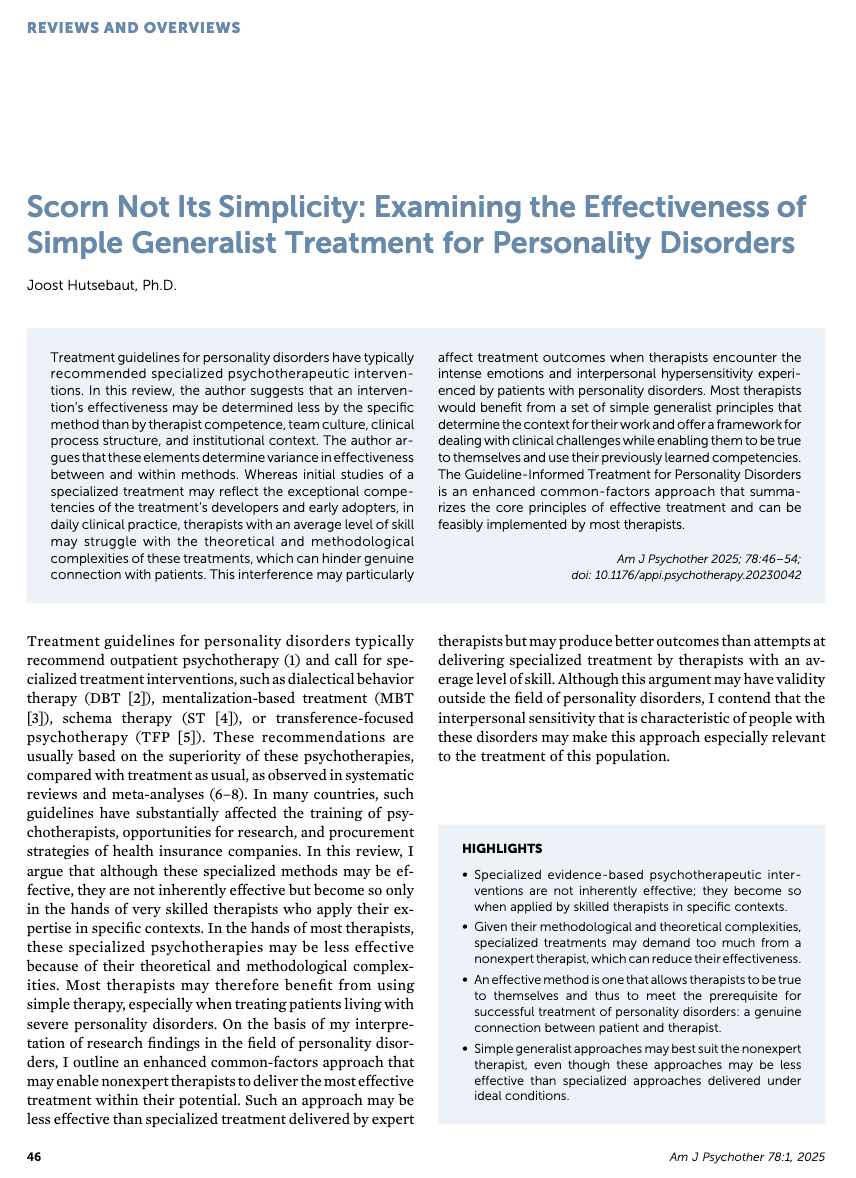
In this paper Scorn Not Its Simplicity: Examining the Effectiveness of Simple Generalist Treatment for Personality Disorders, Joost Hutsebaut incisively challenges the assumption that effective treatment for personality disorders must be highly specialized. A generalist approach, grounded in evidence-based knowledge and a strong understanding of personality disorders, offers an invaluable opportunity to expand access to effective care on a much larger scale. We remain at an impasse as the number of people living with personality disorders far exceeds the availability of evidence-based, specialized care. Simpler, evidence-based models that more health professionals can employ pave a path forward by not only mapping a journey in a proactive rather than reactive way, but also authorizing flexibility in the service of pragmatism and tailoring of treatment to individual patient needs and clinical context, rather than technical rigidity to maximize adherence. More flexible generic approaches spanning from supportive therapy to manualized generalist treatment models provide personalized, responsive, and “good-enough” care. Hutsebaut’s perspective reminds us that simplicity should not be mistaken for a lack of sophistication. The most scalable way to improve care is to equip more clinicians with the knowledge, skills, and confidence to provide good care clearly, consistently, and confidently.

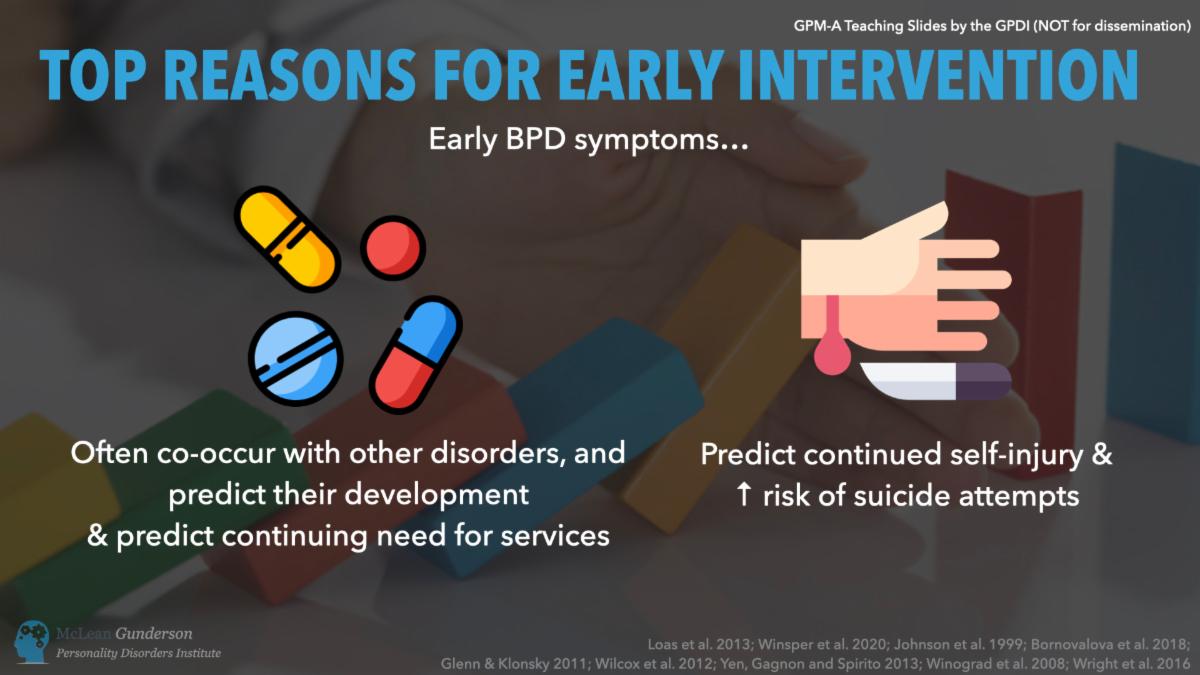
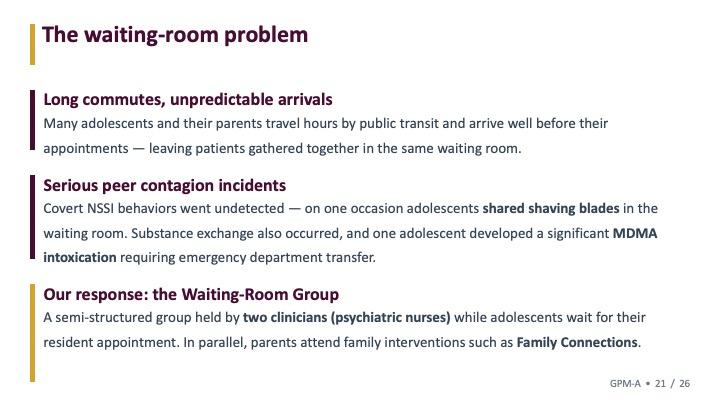
One of the most established implementation programs of GPM-A, led by Drs. Marcelo Brañas and Marcos Signoretti Croci, thrives in the Adolescent BPD Outpatient Program (ADRE) at the University of São Paulo. A team of GPM trainers have implemented GPM-A in a training clinic with psychiatric residents to meet the needs of adolescents with BPD in Brazil while simultaneously training young child and adult psychiatrists in the fundamentals of treating BPD and its usually complex profile as a basic aspect of general mental healthcare. Like many countries around the world, Brazil is facing growing challenges related to suicidality, self-harm, and personality disorders among adolescents. Their approach demonstrates what public health implementation can look like with a 3-pronged approach incorporating 1) clinical service delivery, 2) training both in formal training and continuing education for clinicians of multiple disciplines, and 3) research on implementation and adaptation. The team has translated resources, including the GPM-A Handbook, into Portuguese and developed a GPM resident workbook to help train the next generation of clinicians. At ADRE, GPM-A serves as the frontline treatment with a family group and psychoeducational group. The team also implements a stepped-care approach, offering DBT-A and individualized parent training on an as-needed basis. They have also introduced a waiting-room group for adolescents awaiting appointments at ADRE, an excellent example of the creativity, pragmatism, and flexibility clinicians need when delivering care, especially for adolescents. Earlier this year, ADRE hosted a GPM-A workshop attended by approximately 186 participants. The team is currently planning a two-day GPM 2.0 workshop with Dr. Lois Choi-Kain in São Paulo on February 19–20, 2027.

Slides by Drs. Brañas and Croci from the second

International Conference on Good Psychiatric Management for Personality Disorders

Page 4

Publications & Upcoming Events

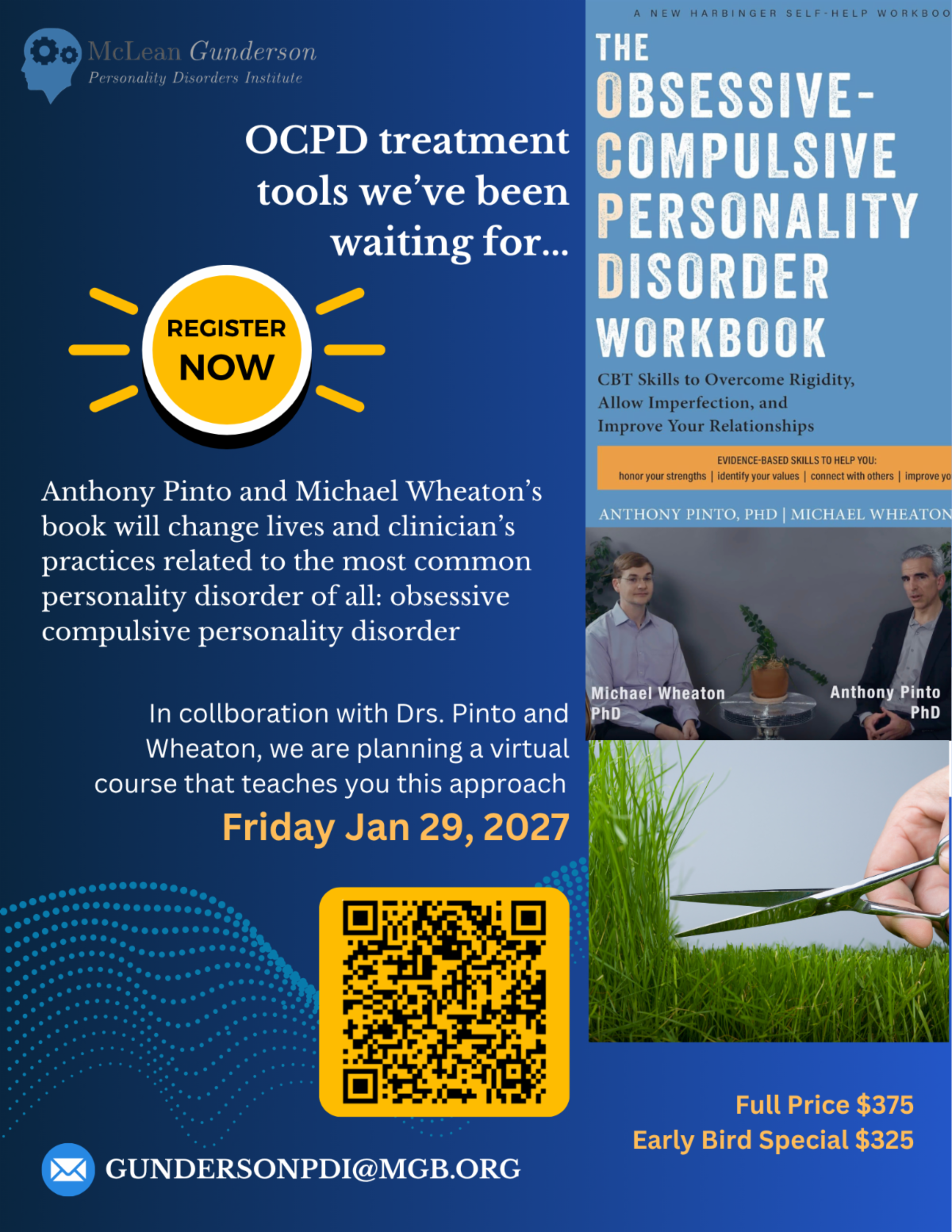
The Obsessive-Compulsive Personality Disorder Workbook

Anthony Pinto, PhD, is senior director of the Northwell Health OCD Center, a specialized outpatient program at Zucker Hillside Hospital in New York that treats obsessive-compulsive disorder (OCD) and obsessive-compulsive personality disorder (OCPD), and associate professor of psychiatry at the Donald and Barbara Zucker School of Medicine at Hofstra/Northwell.

Michael Wheaton, PhD, is currently assistant professor of psychology at Barnard College. His research has received grant funding from the National Institutes of Health (NIH), IOCDF, America Psychological Foundation, and Association for Psychological Science. Wheaton has previously worked as a study therapist in National Institute of Mental Health (NIMH)-funded clinical trials utilizing cognitive behavioral therapy (CBT) for OCD, and runs a small private practice focused on OCD and related disorders in New York, NY.

Patients with OCPD may struggle with debilitating self-judgement, doubt and indecision, perfectionism, rigidity, overwork, and an inability to finish tasks. They may fear situations in which they do not have complete control or feel chronically frustrated and “stuck.”


OCPD recovery means developing flexibility—not abandoning standards, conscientiousness, or identity. This workbook offers practical, evidence-based tools to help OCPD patients find greater balance without giving up valuable strengths such as attention to detail, conscientiousness, and a strong work ethic while recognizing and managing behaviors that can contribute to distress.


The OCPD workbook helps readers understand how CBT helps identify the cycle in which rigid rules provide short-term control but produce exhaustion, procrastination, indecision, and relationship conflict.


Through behavioral experiments, self-compassion, restorative self-care, time-limited “good enough” decisions, and small, manageable steps against procrastination, OCPD patients can begin loosening the rules that keep them stuck. The core intervention is a “dimmer switch”: match effort to a task’s actual importance instead of approaching everything maximally.


The ultimate goal is values-guided living: retaining useful traits while loosening rules that obstruct relationships, leisure, meaningful work, and well-being. This book is a valuable addition to the resources available for helping OCPD patients.

Understanding and Treating Obsessive Compulsive Personality Disorder (OCPD): What Clinicians Should Know


Virtual Course


January 29th, 2027

9:00 AM - 5:00 PM ET

6.5 CE credits

EARLY BIRD SPECIAL $50 off until November 10, 2026


Obsessive compulsive personality disorder (OCPD) is a chronic maladaptive pattern of excessive perfectionism, preoccupation with orderliness/detail, and need for control over one’s environment. Despite its prevalence (estimated at 6.5% of the population), most clinicians are not aware of how to treat OCPD. Drs. Pinto and Wheaton will review the core features of OCPD, how the condition impacts functioning, and how it can be differentiated from OCD and other conditions. Then they will focus on cognitive behavioral therapy interventions for the maladaptive traits and behaviors of OCPD and will demonstrate specific approaches for presenting problems, such as behavioral inflexibility, procrastination, and difficulty making decisions. Finally, Drs. Pinto and Wheaton will discuss the challenges of working with these patients and offer ways of overcoming treatment obstacles.

CME credits available for physicians, psychologists, nurses, and licensed mental health counselors. The course fee is $375 with an early bird discount of $325 available until November 10th.


For information about continuing education credit for Massachusetts social workers, please call 617.855.2738. Social workers from other states should check with their state licensing board to ensure they accept reciprocity with AMA PRA Category 1 Credit™ for re-licensure.

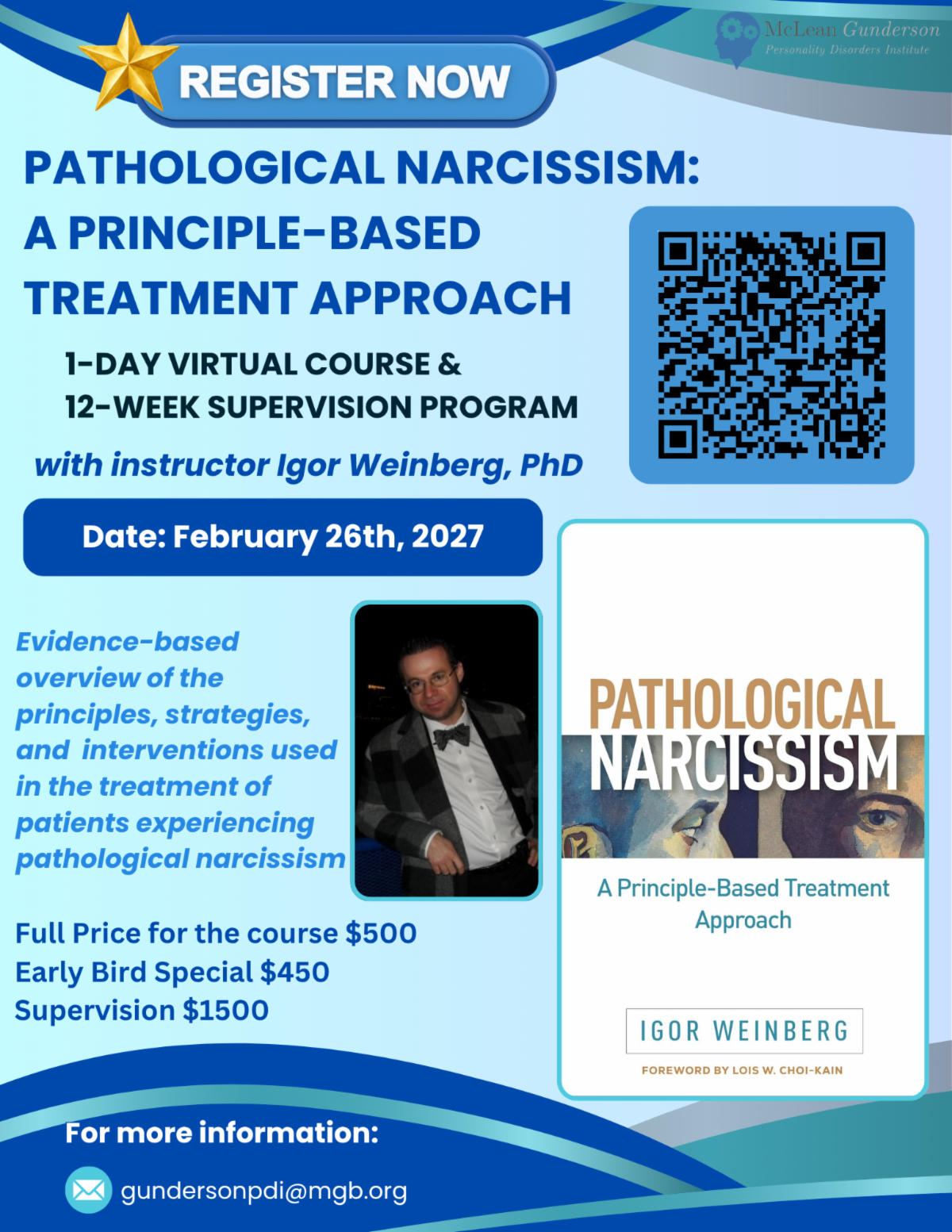
Pathological Narcissism: A Principle-Based Treatment

Igor Weinberg, PhD, is Associate Psychologist, Adult Outpatient Services, McLean Hospital and Assistant Professor of Psychology, Department of Psychiatry, Harvard Medical School. Dr Weinberg specializes in the assessment and treatment of personality disorders, particularly borderline and narcissistic personality disorders. Other areas of expertise include treatment of suicidal behaviors and substance use disorders in patients with PD.

Narcissism has been recognized and written about since the days of early Greek mythology. Books, film, paintings, music – and now, social media - have portrayed and explored the disorder and its effect on those who suffer from it directly and indirectly.


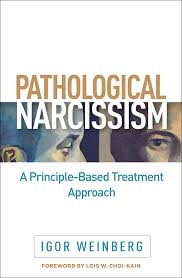
Released this coming November, 2026, Pathological Narcissism: A Principle-Based Treatment, by Igor Weinberg, PhD, addresses this condition from a therapeutic standpoint.

The book outlines strategies for addressing different presentations of pathological narcissism - grandiose and vulnerable, overt and covert - as well as ways to assess and intervene with co-occurring disorders, suicidality, or psychopathy.


Our new business manager Marjorie Overhiser interviewed Dr. Weinberg to learn more about his research and insights into this challenging and often misunderstood diagnosis.


You have published extensively, but this is your first book. Was there a specific patient or clinical experience that pushed you toward writing this?


I was blessed to have mentors that encouraged me to write because they thought I could, and they also thought it would be a good experience for me. And in fact, I usually do enjoy writing. It becomes a very organizing experience, like putting a jigsaw puzzle together. It helps me to make sense of things, but also to find or identify things that don't make sense. So, this was a constructive and creative process. 


I decided to write this book because I had a lot of material and thoughts accumulated specifically about pathological narcissism and how to treat it. My interest in that area was really stimulated by a number of patients that I had been seeing that were challenging to treat. I had great difficulty with some of them initially and was hoping at that time that my training in working with other personality disorders, primarily borderline personality disorder, might result in some traction with patients with pathological narcissism. But I realized that a lot of my interventions were falling flat. And that led to my interest in this area. So, I said, “If what I know doesn't work, maybe I can find out what could.”


Can you describe the difference between self-centeredness, narcissism, narcissistic personality disorder, and pathological NPD?


There are a lot of terms that developed over the last couple of decades around the subject of what narcissism and what pathological narcissism are. Not every type of narcissism is pathological. It’s important to note that there is what's called healthy narcissism, related to healthy ambition, constructive competition, or such traits as charisma and leadership, the ability to deal with disappointments and setbacks. Some forms of resilience, such developmental achievements as wisdom, are also expressions of healthy narcissism. These can be great assets for individuals throughout their lives because they may motivate progress, hard work, and development of something new. 


But there is another side of that spectrum, related to pathological narcissism, when people essentially regulate self-esteem in a way that is maladaptive, meaning that it's causing distress and dysfunction to them or to other people (usually both). That would be one way to define pathological narcissism. The issue here is that those things are not mutually exclusive. Some people might have a little bit of healthy narcissism and a little bit of pathological. In treatment, what we're trying to accomplish is to help people make use of their narcissism in a constructive way: re-channeling from pursuing maladaptive ways of sustaining self-esteem to finding more adaptive strategies to accomplish this. That's one of the paradoxes of narcissism in treatment: that it can motivate maladaptive and destructive behaviors or progress and creative ambition. 


People could rely on strategies to regulate self-esteem that may not be the most adaptive. This becomes increasingly pathological when those cause distress to oneself or other people, and dysfunction. In essence, this is what distinguishes it from being a personality style to pathological narcissism.


Interviewer: Narcissism is not something therefore you can simply cut out of your life, but rather want to cut back, but rather regulate. In substance use disorder treatment, cutting substances out are one path, but moderation or harm reduction is another.


Yeah, the analogy with substance use is an interesting one because some people might say that there's a sort of addictive quality to some of those behaviors associated with narcissism. People get hooked on the “high” they get. The problem with this interpretation is that the internal experience of people with pathological narcissism is far from being as glamorous as experiencing one high after another. It's usually quite miserable. People are not feeling the positive self-esteem and the grandiosity we attribute to them; the flip side of that is constant self-doubt, an inability to live up to one's own expectations, persistent self-criticism, self-shaming, self-loathing, and even self-contempt. So, it may appear that they're enjoying one high after another, but in reality, it's more like they're gasping for air. They're chasing after very short-lived experiences of admiration and self-esteem that usually dissipate quickly.


And that's one of the tragedies that these patients experience — what they're chasing doesn't stick. So, they keep repeating the cycle, they collapse, and then they resort to more frantic efforts to regulate self-esteem. That's sometimes when we see more aggressive behaviors coming out, severe depressive reactions, suicidality, or substance use.


How would you describe what you most hope to accomplish through this work? 


There are three things I'm hoping will come out of this project. One is the destigmatization of narcissism, which today is one of the most stigmatized conditions in psychiatry (and maybe for a reason). But certainly one of the problems with stigmatization is that it distorts the actual issue. It creates a certain narrative that doesn't correspond to what pathological narcissism really is. This makes it difficult for patients to seek treatment but also makes it harder for clinicians to listen to their patients without being distracted by those ideas. And again, those ideas exist for a lot of reasons, many of which may be valid. But we must figure out a more accurate representation of what pathological narcissism is. Another result of this mischaracterization is self-stigma, when patients internalize a sense of stigma. When that happens it becomes difficult for patients to come to treatment, because they feel enormous shame about who they are.


The second goal would be to promote research that helps integrate different domains and understandings of narcissism, with the hope of understanding how research findings can help with treatment, which really leads to the most important contributions in care.


The third thing has to do with the way that the book spells out several principles that can promote change. Because it's a flexible approach, it invites clinicians to use those principles flexibly, in a way that makes sense for individual patients. It's not prescriptive. It doesn't require clinicians to strictly adhere to those principles. But at the same time, I'm hoping that these principles can be introduced into clinical work, so it will become an accepted part of the common practice and helpful to individual patients.


And that's really what the book is promoting: this is not a one-size-fits-all. Treatment should be tailored to the patient, and clinicians should continue to make alterations to the treatment for a better “fit” for each patient as they go along.


Has completing this book changed your perspective on PN, or even on yourself?


I enjoyed writing this book. It was a lot of work, but I liked the process of putting things together and seeing what fits, what doesn't fit, identifying areas that we don't know much about. It was helpful to create a sort of “map” of what I find helpful with my own patients, when I can say, “Okay, well, I have experience with a certain number of patients and I integrated this experience with particular type of empirical findings, and now it's helping with new patients.” That map becomes a resource and gives some structure for thinking about patients in a more constructive way. That was helpful for me - to see that this work could be useful, I guess. And it was important for me to find out that all those hundreds of publications that exist on a subject can actually be used in practice. It's not just dead knowledge sitting on the shelf. 


I hope that some of my optimism and enthusiasm about this subject comes through in book and hopefully will give some hope to others: patients, therapists, and researchers, so they can think in a different way about the subject.

Pathological Narcissism: A Principle-Based Treatment Approach


Virtual Course & Supervision


February 26th, 2027

8:00 AM - 5:00 PM ET

7.75 CE credits

EARLY BIRD SPECIAL $50 off until November 10, 2026

This clinician-friendly approach emphasizes clinical pragmatism, change-orientation, and flexibility. It will help practitioners identify measurable goals in treatment, an important principle with this population given the risk of treatments that are not change-focused. The course will also present strategies to promote alliance building as well as helping the patient shift toward meaningful self-exploration and engagement in therapy. It will examine strategies to address fragility of the treatment alliance in order to shield treatment from premature terminations as well as treatment-interfering behaviors. Patients with NPD/PN tend to provoke strong negative reactions and those tend to undermine treatment in numerous ways. The workshop will help participants develop the capacity to learn from their own reactions to patients and avoid non-helpful stalemates in treatment. Strategies to address different manifestations of pathological narcissism will be reviewed: grandiose vs. vulnerable and overt vs. covert. Dr. Weinberg will help identify these manifestations, adjust clinical interventions to these manifestations and the fluidity of their changes. He will also help clinicians understand and intervene for different types of suicidality in patients with NPD/PN as well as for co-morbid antisocial traits.

Pragmatic guidelines will be reviewed to address common co-morbid conditions. The course utilizes clinical vignettes to promote interactive learning and a comprehensive understanding of the treatment.

CME credits available for physicians, psychologists, nurses, and licensed mental health counselors. The course fee is $500 with an early bird discount of $450 available until November 10th. The 12-week supervision program is offered at a fee of $1,500.


For information about continuing education credit for Massachusetts social workers, please call 617.855.2738. Social workers from other states should check with their state licensing board to ensure they accept reciprocity with AMA PRA Category 1 Credit™ for re-licensure.

Page 5

GPDI Website

Stay connected with GPDI by visiting our website for the latest training opportunities, research developments, announcements, and resources.

Page 6