RESOURCES
Metabolism is how your body turns food and drink into energy to keep you alive – made up of all the chemical processes happening in the body’s cells, according to the Cleveland Clinic. Metabolism touches all types of corners of health and can impact many types of conditions including bone health, obesity, heart health, liver health, urology, and more.
This Obesity Care Week on March 3-7, learn more about how metabolism impacts your health across the body.
| |
|
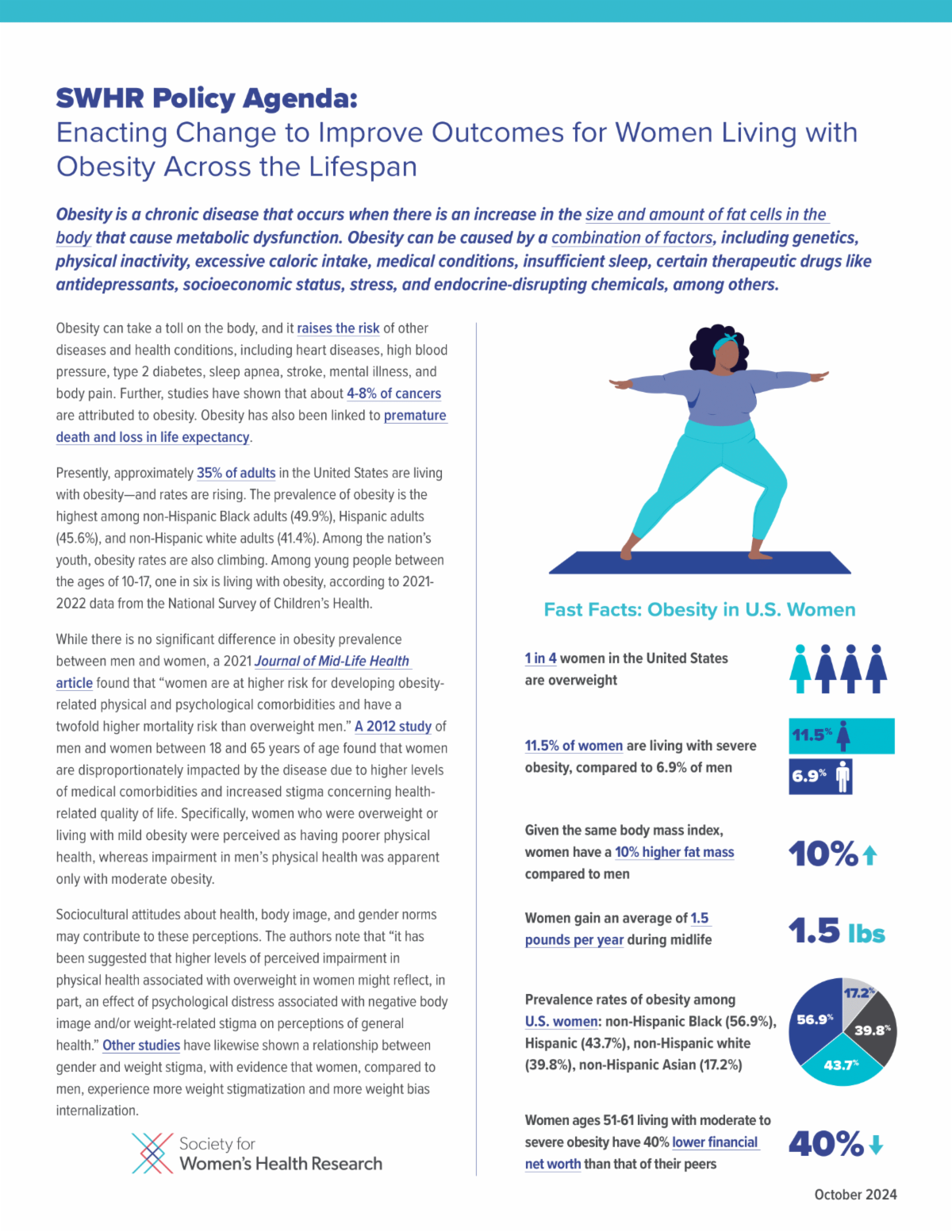
Check Out the Obesity Policy Agenda
Obesity is a chronic disease that can be caused by a combination of factors, including genetics, physical inactivity, excessive caloric intake, medical conditions, insufficient sleep, therapeutic drug side effects, socioeconomic status, stress, and endocrine-disrupting chemicals, among others.
The Enacting Change to Improve Outcomes for Women Living with Obesity Across the Lifespan Policy Agenda explores policy needs and opportunities in the health of women living with obesity. Read the agenda today!
| | |
|
Explore the Women's Health Research Agenda
Published in the Journal of Women’s Health, SWHR's Women’s Health Research Agenda highlights persistent areas of need in women’s health and serves as a roadmap for stakeholders looking to initiate engagement or increase current efforts in women’s health research.
The 2025 SWHR Women’s Health Research Agenda: Prioritizing Uterine Fibroids, Lupus, and Metabolism focuses on uterine health, autoimmune disease, and cardiometabolic health, with special emphasis on uterine fibroids, lupus, and metabolism in women. Read the agenda today!
| | |
Read more about metabolism on our blog! | |
NEWS AND RESEARCH
SWHR Working Group members have produced and shared the following news, research, and resources related to metabolism:
News and Research
-
Journal of Clinical Densitometry: Proceedings of the 2024 Santa Fe Bone Symposium: Update on the Management of Osteoporosis and Rare Bone Diseases, submitted by Deborah M. Kado, MD, MS in the Division of Endocrinology, Gerontology, and Metabolism at Stanford University School of Medicine
-
Springer Publishing: Women’s Healthcare in Advanced Practice Nursing, 3rd Edition | Chapter 7: Women’s bodies, women’s health | Chapter 9: Midlife women’s health | Chapter 35: Osteoporosis, submitted by Ivy M. Alexander, PhD, APRN, ANP-BC, FAANP, FAAN with the School of Nursing at the University of Connecticut
| |
|
Events and Resources
-
Event: Addressing heart risk factors: how heart health relates to bone health, on March 20 will feature Buff Bones® and Michelle Routhenstein, MS, RD, CDCES, CDN discussiing the intersection of the cardiovascular and skeletal system through the lens of nutrition, looking at key metabolic risk factors to positively impact your heart health along with nutrients to support both the heart and bones. Submitted by Rebekah Rotstein, NCPT of Buff Bones
-
Event: Heart, Kidney & Metabolic Health: Why It Matters for Women, on April 16 is a HeartTalks webinar on cardiorenal metabolic (CRM) health, featuring Dr. Payal Kohli and WomenHeart CEO Celina Gorre. Submitted by Jodi Smith, JD of WomenHeart
-
Resource: Lilli Health is launching the Lilli App in March, a digital platform providing free education and resources on metabolic health. While some features of the app will be available through a subscription, the educational content will largely be free for patients. Submitted by Ali Chappell, PhD, MS, RD of Lilli Health
-
Resource: Lilli Health is launching the LILACS Study in April, a large multicenter trial evaluating the impact of the Lilli App on metabolic health in patients with PCOS. Submitted by Ali Chappell, PhD, MS, RD of Lilli Health
| |
|
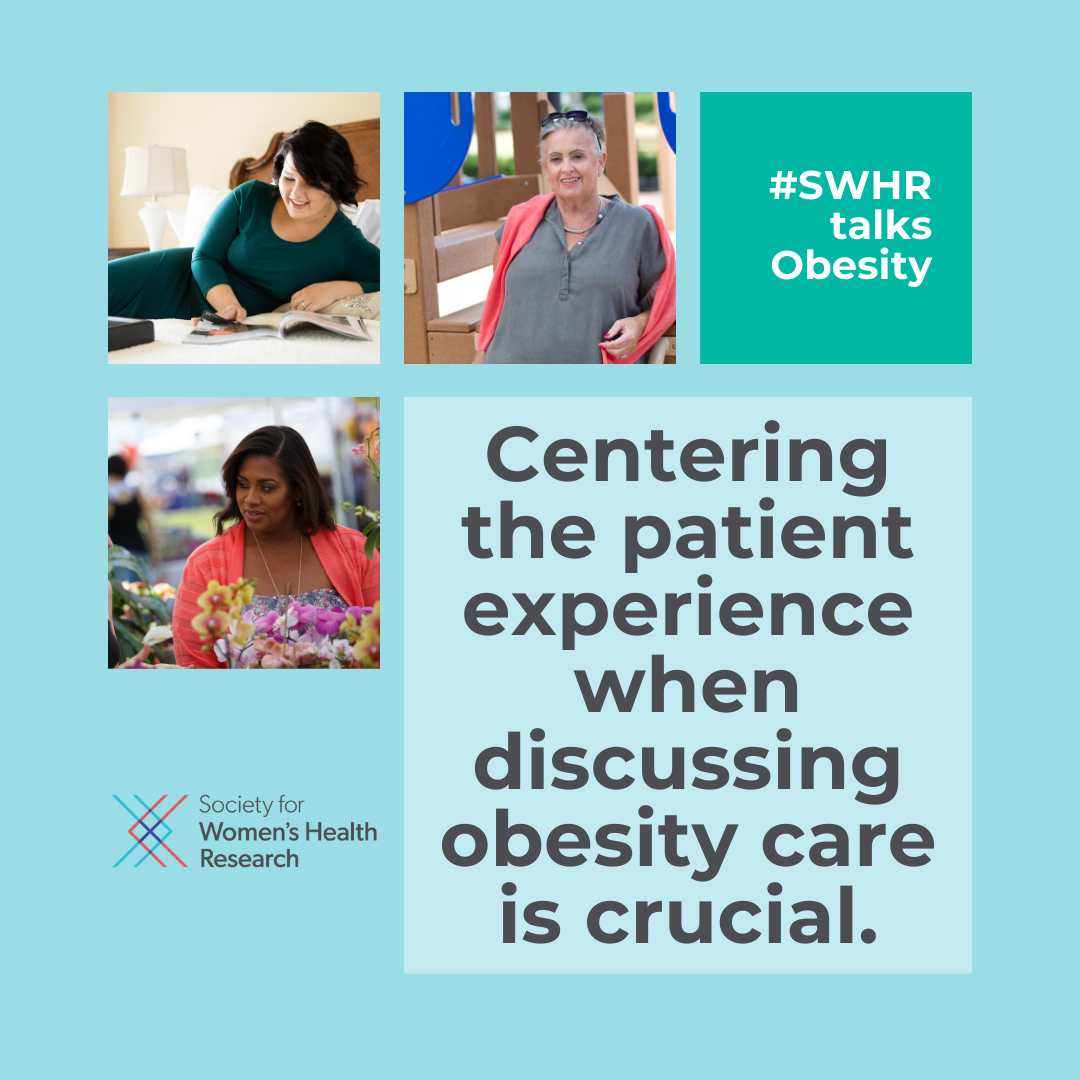
Centering the patient experience when discussing obesity care and amplifying the voices of those with lived experience is a crucial part of any health education and awareness effort. Check out the SWHR Obesity Policy Agenda, created with the support of 15 women’s health experts from across the care ecosystem: https://swhr.org/resources/swhr-policy-agenda-enacting-change-to-improve-outcomes-for-women-living-with-obesity-across-the-lifespan/
#SWHRtalksObesity
| |
|
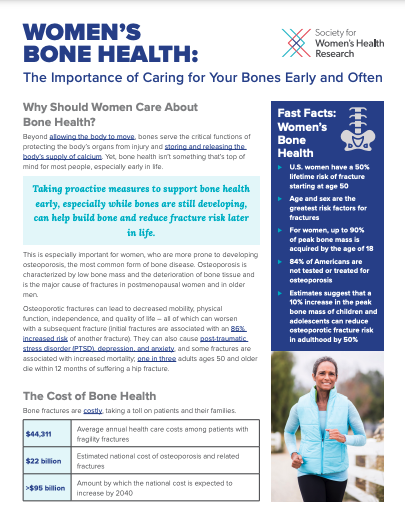
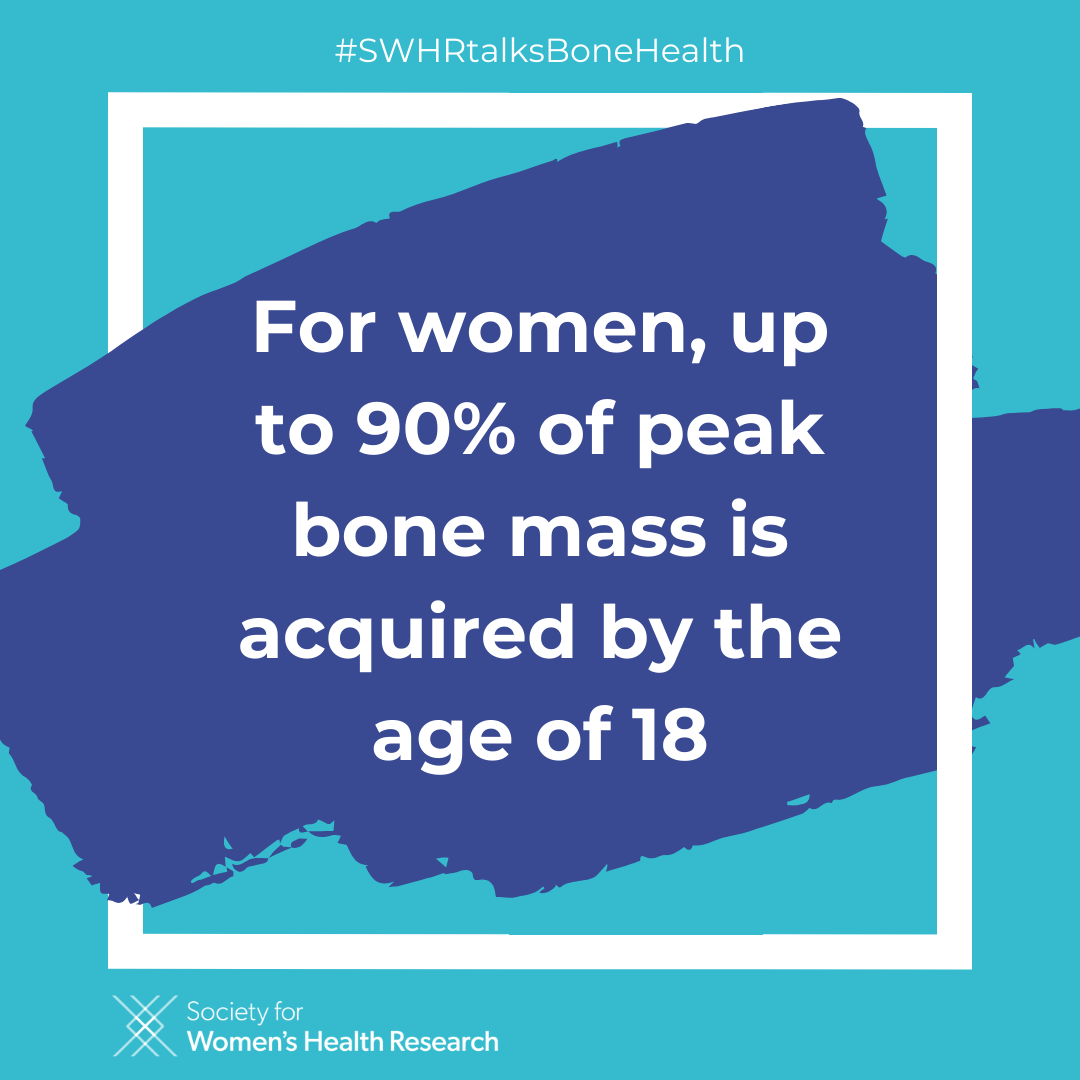
#DYK for women, up to 90% of peak bone mass (the point when bones reach their maximum strength and density) is acquired by the age of 18? Making bone-healthy decisions early in life can help you maintain healthy bone mass as you age. Have a conversation with the women in your life about their #bonehealth today.
#SWHRtalksBoneHealth
| |
#ReadMyLips: The time is now to get serious about addressing women’s #hearthealth! A lipid panel is a blood test that measures the amount of fat molecules (lipids) in your blood. Having too many lipids (cholesterol and triglycerides) in your blood can lead to buildup in your blood vessels and arteries, which can cause damage and increase your risk of heart disease. Learn about your lipids at swhr.org/read-my-lips/ | |
PARTNER SPOTLIGHT
Our work is only possible with the help of great partners. Check out one of our metabolism wellness partners here!
| |
The Endocrine Society
The Endocrine Society is a global community of 18,000 health professionals and researchers energized by the promise of unravelling the mysteries of hormone disorders to care for patients and cure disease.
The Endocrine Society’s members discover new ways to understand and treat complex hormone-related conditions, including diabetes, osteoporosis, thyroid conditions, and women’s health conditions such as menopausal symptoms, polycystic ovary syndrome, and infertility.
Advancing women’s health research is one of the Endocrine Society’s top policy priorities. The Endocrine Society has called attention to the role of sex as a biological variable and the role of hormones in women’s health. The Endocrine Society is also a vocal advocate for funding women’s health research.
The Endocrine Society’s peer-reviewed journals are leaders in requiring authors to disclose the biological sex of research subjects, including in animal and cellular research.
| |
All SWHR resources are free to view and share. Here's why: 2 in 5 women live with obesity in the United States. | | |
Did someone forward you this email? Looking for more news on women's health research? | | | | | |