|
One year ago, we launched the HarborPath Policy Council to help ensure patients with life-threatening and chronic conditions can access the medications and care they need through the enactment of effective public policies.
Since 2012, HarborPath has worked directly with patients, distributing more than $140 million in medications to people who could not otherwise get them. That work showed us exactly where the system breaks down, and why the formation of the HarborPath Policy Council was necessary to advance our work in serving unmet needs.
One of the Policy Council’s focus areas for our first year was education and care for those at risk of SUDEP. Sudden Unexpected Death in Epilepsy (SUDEP) is a leading cause of death among people living with epilepsy, yet many patients and families are never informed of the risk.
In its first year, the HarborPath Policy Council worked to advance education, awareness, and policy solutions that reduce preventable deaths and improve outcomes for individuals and families affected by epilepsy.
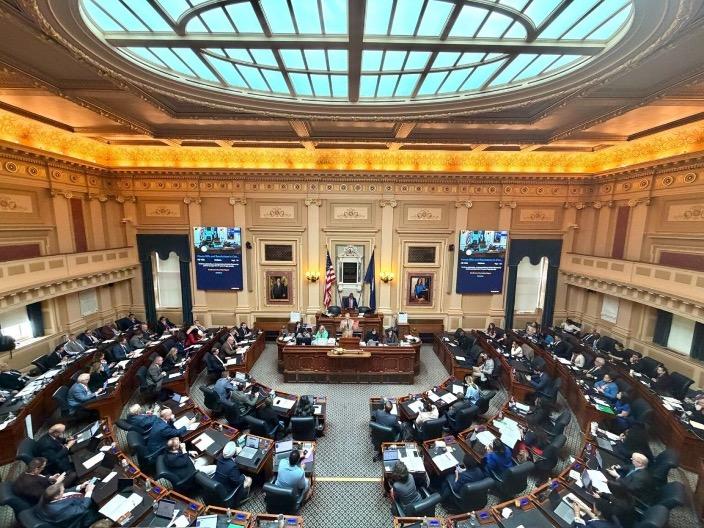
In Virginia, the Commonwealth’s signed budget funding to the Office of the Chief Medical Examiner to produce full written findings in deaths consistent with SUDEP, connect grieving families to the North American SUDEP Registry and publish SUDEP resources for the public.
In Ohio, the House passed the Brenna Brossard SUDEP Awareness Act, a bill that strengthens patient education, improves case tracking and reporting, supports first responders and expands access to seizure detection devices.
In Pennsylvania, Morgan Rose’s Law was passed unanimously and signed into law, requiring coroners to evaluate deaths involving epilepsy or seizure for SUDEP and record it accurately on the death certificate.
The Policy Council also supported HB 4294 in Oklahoma, known as Dylan’s Law II. The bill would have barred insurers from denying coverage because of an epilepsy diagnosis and required coverage of neurostimulation devices for patients whose seizures do not respond to medication alone. While it was ultimately vetoed after passing both chambers, we are encouraged by the momentum we saw in the Legislature and look forward to passing similar protections in 2027.
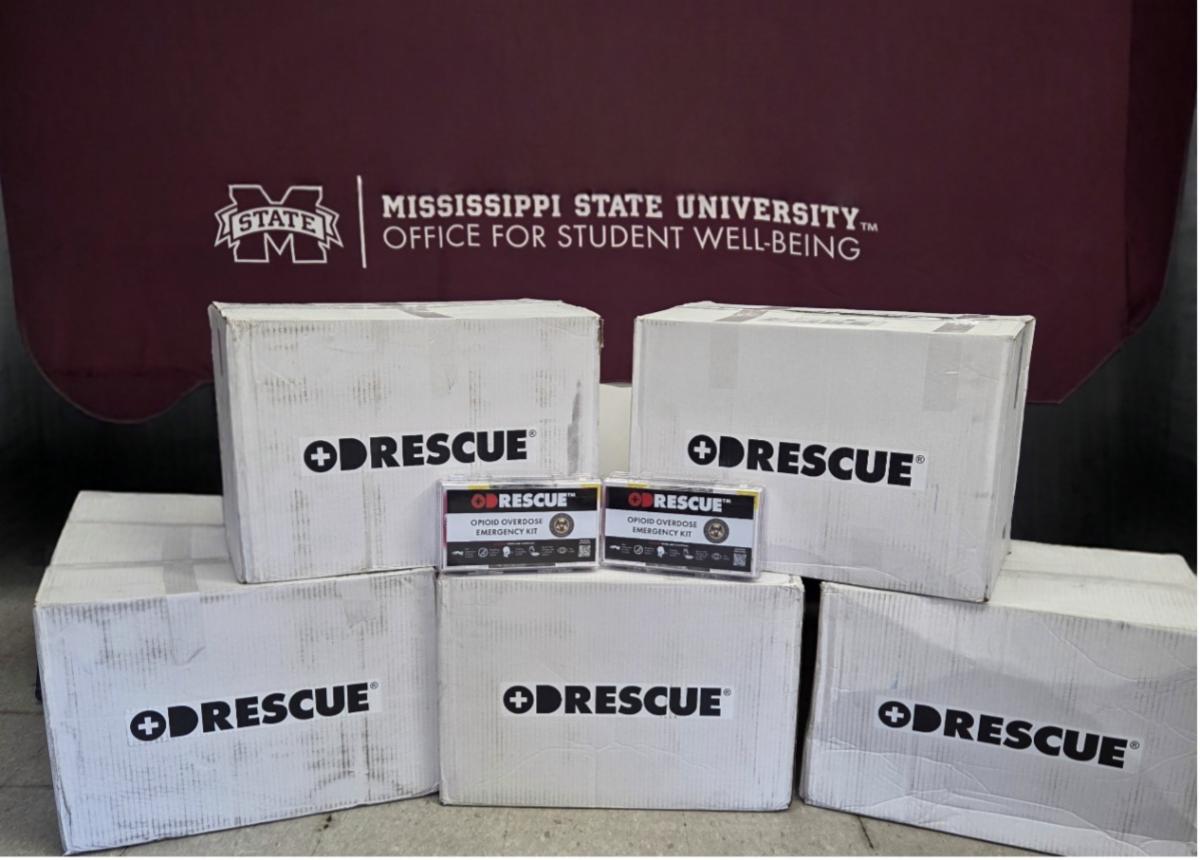
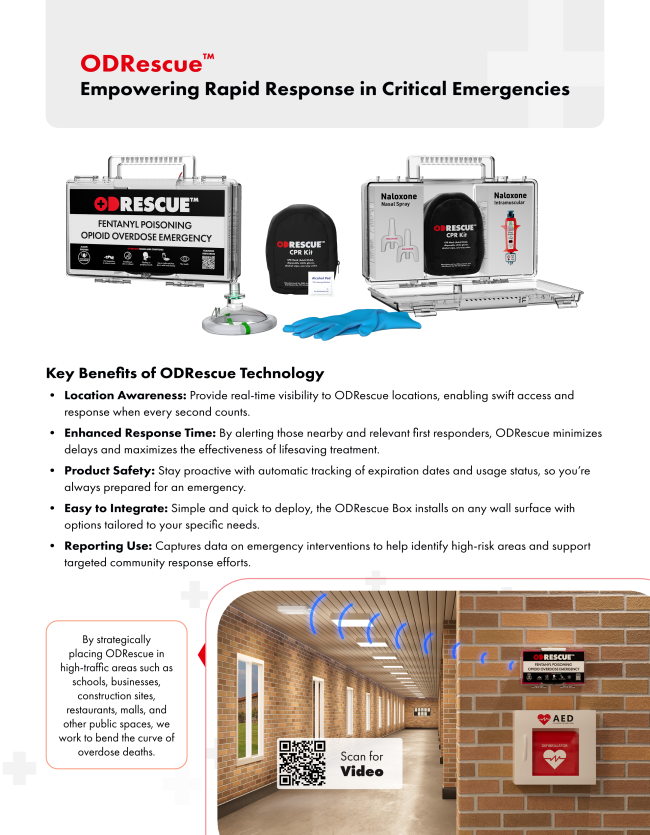
Our work was not exclusive to epilepsy. In Oklahoma, we supported Senate Bill 65, allowing any person, school, university, business or community organization in the state to legally possess, distribute and administer naloxone, and the people who step in to save a life are protected when they do.
As we look ahead to legislative sessions in 2027, we hope to expand on these policy changes in states the Policy Council has already developed a presence, along with targeted opportunities in additional states.
We’re grateful for the support and advocacy our work has received in the HarborPath Policy Council’s inaugural year and remain dedicated to our work in developing public policy that serves unmet needs for patients and their families.
-Ken Trogdon, President of HarborPath
|