|
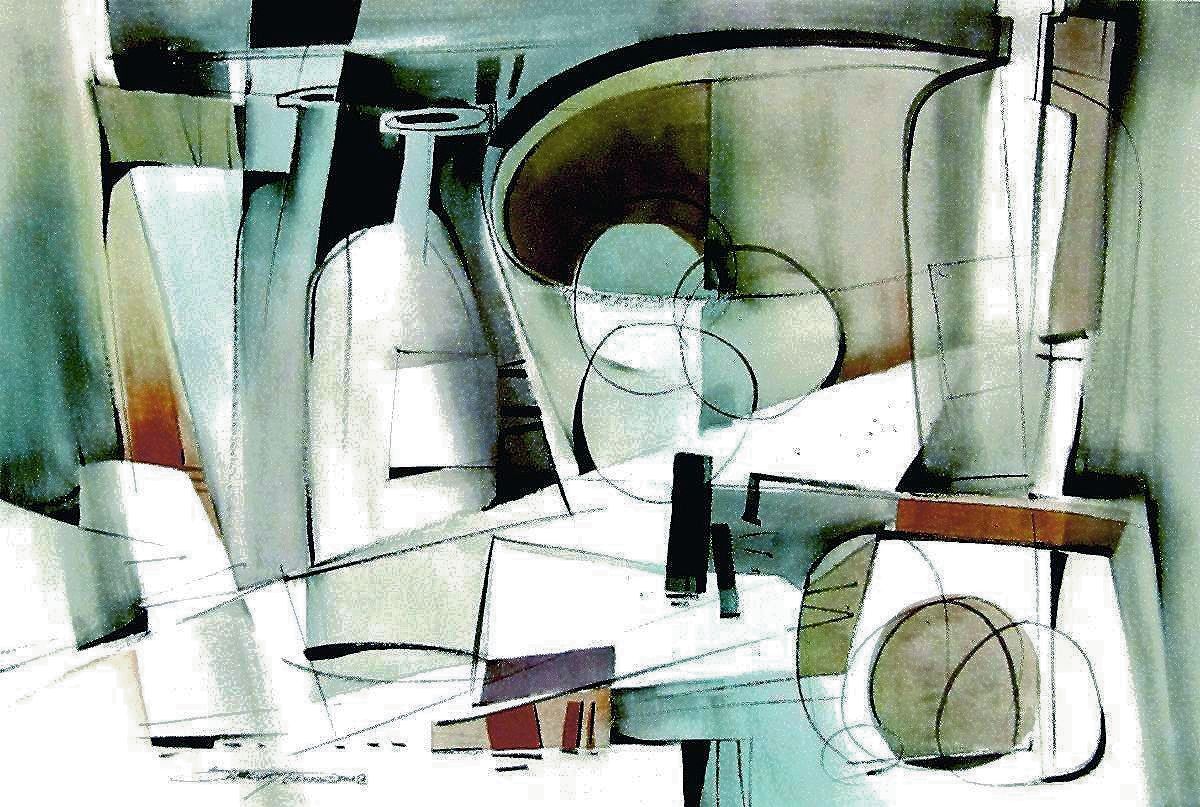
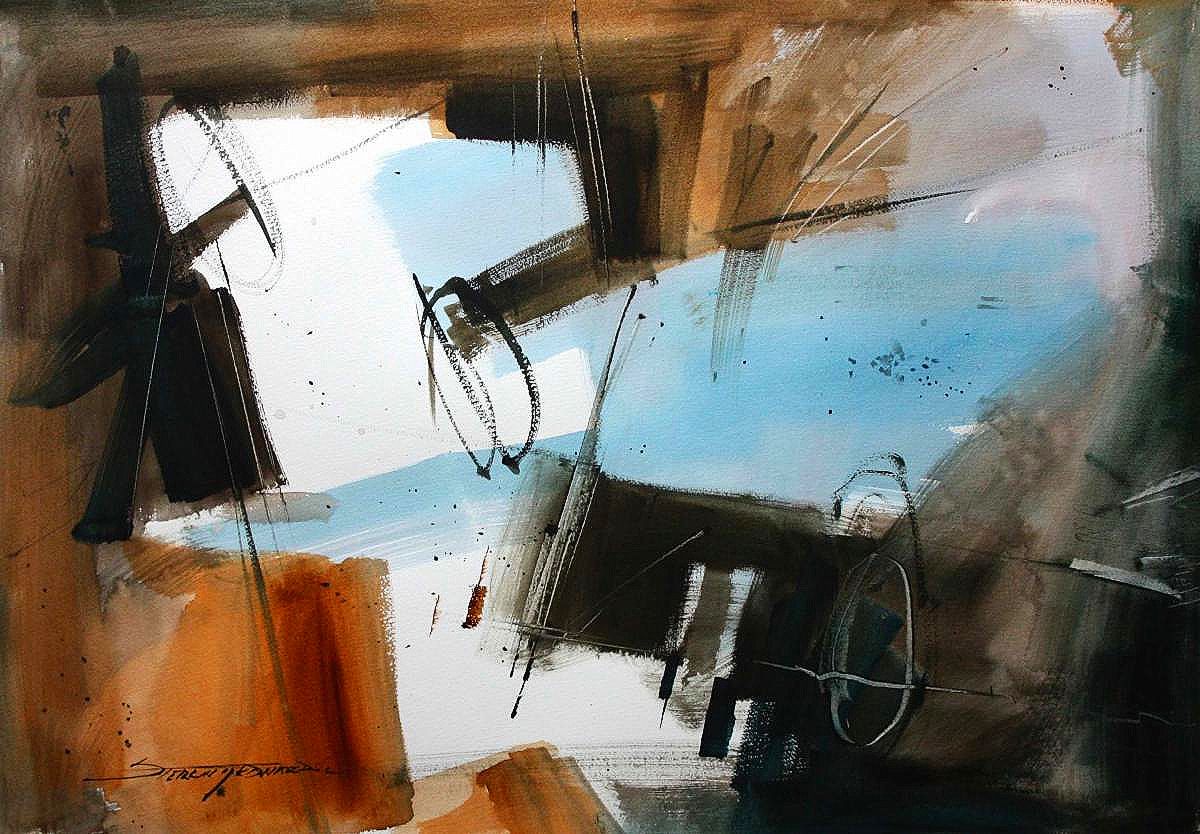
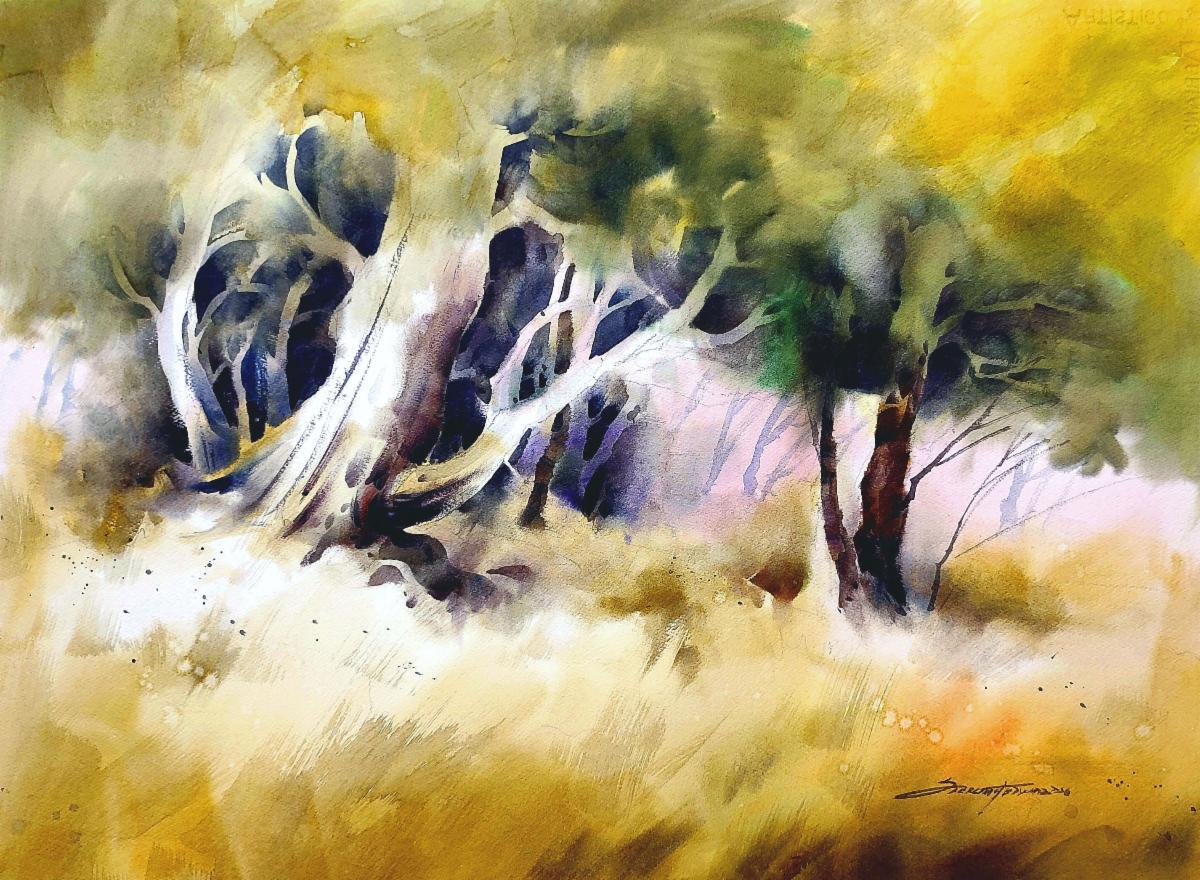
"Retro Excursion"
22" x 15" Watercolor
Tips for becoming a successful artist
Part One.
I am often been asked in workshops "how does an artist become good enough to make passive or full time income from his or her art?" Quite frankly, that's a tough question to answer since each artist is different and their individual success will depend on what they have to offer and how competent and dedicated they are to doing what it takes to be successful. There is no magic formula that works for everyone but there are a few things that I have found that can up your chances of gaining the recognition and respect that are necessary in this market. I will be writing a three part series of editorials based on what I have learned in my professional life as an artist. I will discuss and share things that have worked for me and a lot of other professional artists that I know. Here's a hint; it's not rocket science but rather hard work, dedication, sometimes having thick skin, NEVER letting failure beat you down, and NEVER stop trying to improve.
Part One: develop your skills
Any time we paint something we are using processes and techniques that each had to be learned individually. Over time I learned how to do a graded wash, glaze colors, negative painting techniques, working wet into wet, color mixing, and so on. I don't seriously think that any of us just decided one day to pick up a brush and then suddenly started creating beautiful works of art. Instead, we took classes, or watched videos, or read a lot of books by artist's whom we considered successful and wanted to emulate. Some of us traveled and attended live in-person workshops with these artists so that we could really immerse ourselves in their teaching while spending a week with other like minded people who we often share ideas. If you are at all like me, the more I learned the more I wanted to learn. Some of it was hard work and really tested my desire to stick with it. But I did and I've never regretted a minute of it.
As I was learning I constantly questioned my ability and looked for ways to improve. Maybe I needed to learn more about composition or maybe I need learn more about color theory so that I could minimize "mud" to help my painting have cleaner and more professional presentation. You need to become your biggest and most demanding critic if you want to be successful. ALWAYS look for ways to make your work just a little bit better. I now have a trained eye after many years of study that helps me spot the flaws in my paintings or to see when something isn't right. When I do spot something I make a mental note that I need to work harder to improve in that area. The average person who sees your painting may not notice the little flaws unless they have studied art, but don't ever assume that they don't see it. There are tens of millions of artists in the world that will be competing with you for your potential customers. With the invention of the internet, artists that have a website can easily access and get their work in front of your customers regardless of where they live. So your work has to be good, very good, to maximize that first impression someone will get when they see your work. A painting has many elements that may appeal to a potential customer so the first impression is super important. Sometimes just the brushwork or the colors can sell the painting, whereas other times the subject of the painting can recreate a nostalgic memory that appeals to someone. The first impression is everything and hopefully they will look no further and purchase your painting at that point.
Another thing I learned as I began getting my work into art galleries and entering major competitions is the importance of doing something different. Try not to fall into the trap of painting what everyone else is painting in hopes of getting a piece of their business. Most of the the artists that you are trying to copy have already established themselves in the art world and have a reliable customer base that will continue purchasing from them rather than purchase from someone relatively new in the market who is merely copying what they do. Simply put, do you want to be the artist who tries to copy everyone else, or the artist that everyone else tries to copy?
Diane and I have been collecting art for the past twenty years and we will almost always visit the local art galleries when we travel. We don't just purchase paintings for our collection but also ceramics, glass, and sculptures. We see so much of these things that it almost gets boring because a lot of what we see is very common. Most of it is very well executed or it wouldn't be in a nice gallery but it looks very much like what we saw in another gallery yesterday. Don't take this as an insult, because it's not intended to be, it's just a fact. Every once in a while, however, we see a piece of art that is different in addition to being attractive. We will often find ourselves gravitating to that piece and, depending on our budget at the time, we may buy it for our collection. The bottom line is that whatever it is, it has to speak to us. Quite often the piece not only appeals to us but we know that we will probably never see anything like it again and that itself is a selling point.
So doing something different and unique will often get the attention of serious art collectors and art galleries. As someone who has judged numerous national and international competitions I can tell you from personal experience that it is often a refreshing surprise that is much appreciated and gets more than the usual attention when an artist has demonstrated their ability to create something unique. That doesn't necessarily mean that you have to reinvent the wheel but rather look for opportunities to incorporate your own personal touch such as using unconventional colors, expressive brushwork, simplifying the design, etc.
To sum things up let's just say that you need to have something that is marketable to the largest market possible. Why would I purchase your painting when there are gazillions of others just like it to choose from? This is a question that every artist should ask themselves from time to time. Unfortunately we don't have a crystal ball that tells us what to paint and how to paint it. I don't think that any of us can predict what might appeal to the vast majority of people. If I could do that, I would be sitting on a beach on my private island with my laptop and a cocktail writing this editorial. What I do know after more than fifty years of creating and selling art is that people want quality and value in return for their hard earned money. So be your most demanding and honest critic of your work. Always focus on continuous improvement and never stop pushing your creativity.
In my April Newsletter I will discuss different things that I feel are necessary to market and monetize your art. Most professional artists that I know will agree that marketing your art is much more demanding than creating the art. Stay tuned.
|