|
|  |
|
|
Impacted payers need to send prior authorization decisions within 72 hours for urgent requests and seven days for standard requests.
Under a final rule released on January 17th, impacted payers will be required to send prior authorization decisions within 72 hours for urgent requests and seven calendar days for standard requests.
The Centers for Medicare and Medicaid Services released this and other provisions in the Interoperability and Prior Authorization final rule.
It affects Medicare Advantage organizations, state Medicaid and Children's Health Insurance Program, fee-for-service programs, Medicaid managed care plans, CHIP managed care entities, and Qualified Health Plan issuers on the Federally Facilitated Exchanges.
All are required to implement and maintain certain Health Level 7 Fast Healthcare Interoperability Resources application programming interfaces to improve the electronic exchange of healthcare data, as well as to streamline prior authorization processes.
Read More
| |
Congratulations to the
2024 ASIPP Award Recipients!
We are honored to present the following recipients:
| |
|
Giants of Pain Management
Richard Derby, MD and
David Schultz, MD
Lifetime Achievement Award
Ramsin Benyamin, MD, Aaron Calodney, MD, and Allan Parr, MD
Raj/Racz Excellence Award
Laxmaiah Manchikanti, MD
Manchikanti Excellence Award
Sheri Albers, DO
| |
|
Falco Excellence Award
Obi Onyewu, MD
Distinguished Research Award
Ramsin Benyamin, MD, Leo Kapural, MD, PhD, Konstantin Slavin, MD, Amol Soin, MD, and Ricardo Vallejo, MD, PhD
Distinguished Young Physician
Allan Parr, III, MD
League of Presidents
Sal Abdi, MD, PhD
| |
|
Gabapentin still commonly prescribed off-label for chronic pain
Gabapentinoid users increased from 4.0% in 2015 to 4.7% in 2021, Medical Expenditure Panel Survey (MEPS) data showed.
Moreover, gabapentinoids -- which includes gabapentin and pregabalin -- continued to be used for chronic pain and in conjunction with other sedating medications, reported Michael Johansen, MD, MS, of OhioHealth in Columbus, and Donovan Maust, MD, MS, of the University of Michigan in Ann Arbor.
"Our descriptive analysis of gabapentinoid use in the United States showed a continued increase since our last publication using MEPS data up to 2015," Johansen and Maust wrote in Annals of Family Medicine. "The growth was primarily driven by gabapentin, as we did not detect any increase in pregabalin users after 2008 or after generic availability in 2019."
Read More
| |
Masks are back — at least at some healthcare facilities. Should yours do the same?
A winter wave of COVID-19 and flu wave prompted some hospitals to reinstate mask mandates for patients, staff, and visitors. Most notably, masks are now required in all 11 of New York City's public hospitals and all Johns Hopkins Medicine locations in Maryland.
Some healthcare facilities in California, Illinois, Massachusetts, and North Carolina have also shifted to universal masking. When making the decision to put masks back on, staying up to date on Centers for Disease Control and Prevention (CDC) data — namely COVID hospital admission trends — can help guide your choice, said Syra Madad, a doctor of health science and an infectious disease epidemiologist with NYC Health + Hospitals.
Rising community transmission of respiratory viruses including COVID, respiratory syncytial virus (RSV), and influenza was behind NYC's decision, Madad said. Universal masking could help in reducing hospital-contracted diseases, like COVID, along with offering additional protection for the most vulnerable, high-risk individuals, she said.
Read More
| |
|
Virtual
February 17, 2024
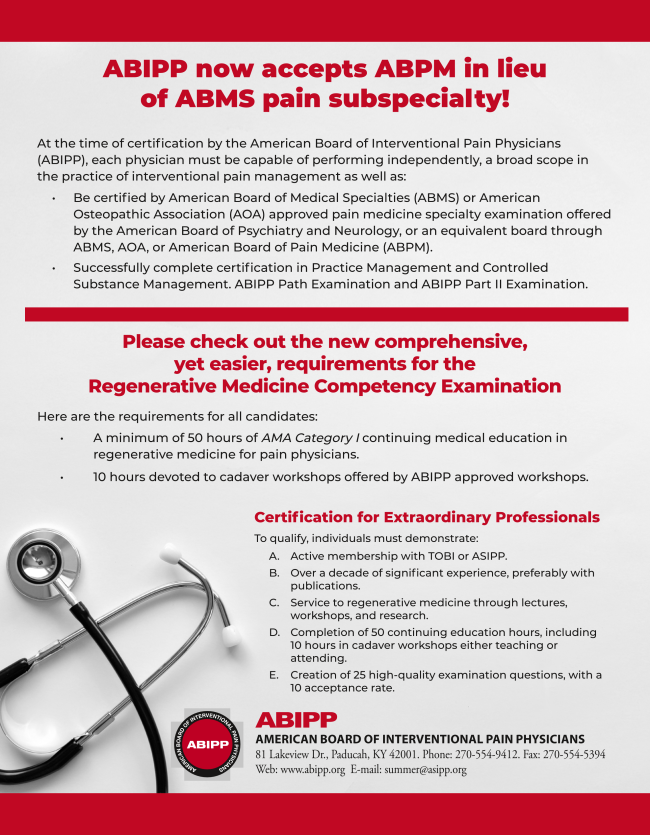
ABIPP Part I; ABIPP Path - Combined DCCPM/CSM virtual exam;
ABIPP Competency Exam in IPM; ABIPP Competency Exam in Regenerative Medicine;
CSM Competency Exam; DCCPM Competency Exam
In Person
October 18, 2024
ABIPP Part II - Practical Examination
Lab Venue: MERI, 44 S. Cleveland Street, Memphis, TN 38104
| |
|
No link between prenatal exposure and risk for autoimmune conditions, however
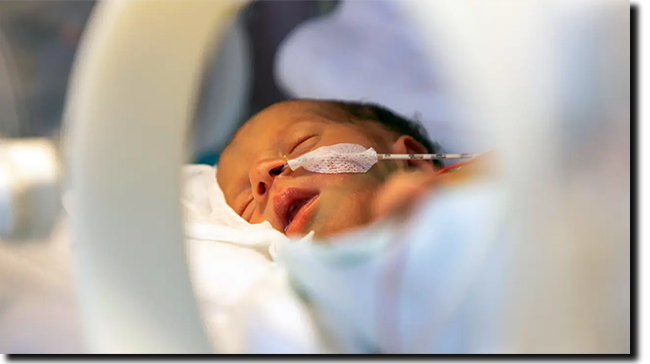
Opioid use during pregnancy for pain or opioid use disorder (OUD) was associated with an increased risk for hospitalizations and emergency department (ED) visits for immune-related conditions in exposed offspring, a retrospective population-based cohort study showed.
Of more than 400,000 kids born in Western Australia, those with perinatal opioid exposure had an increased risk of perinatal infection (adjusted OR 1.62, 95% CI 1.38-1.90) and eczema and dermatitis (aOR 11.91, 95% CI 9.84-14.41) compared with non-exposed children, reported Erin Kelty, PhD, of the University of Western Australia, and co-authors.
Prenatal opioid exposure was also linked to an increased risk of childhood asthma (aHR 1.44, 95% CI 1.16-1.79), but not allergies and anaphylaxis, according to findings in JAMA Network Open.
Read More
| |
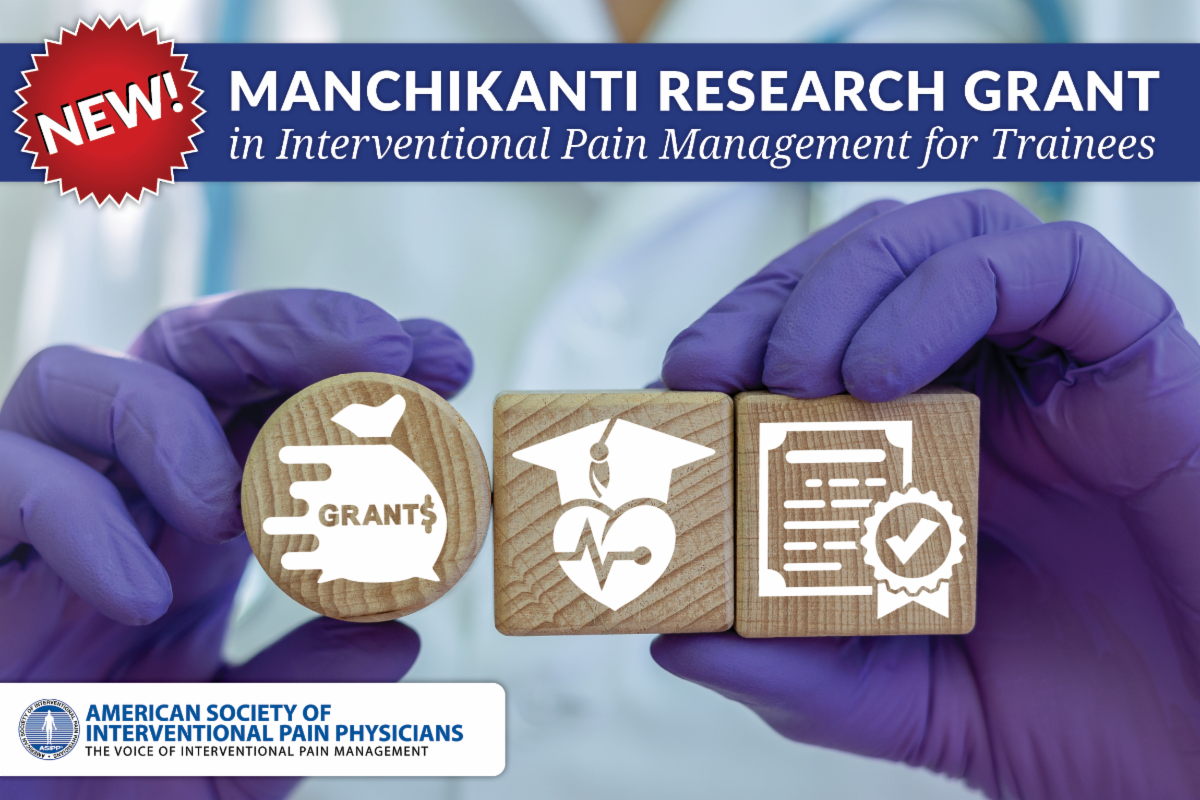 | |
Award Specifics:
- Annual Research Grant awarded to two (2) residents in the amount of $2,500 each; and two (2) fellows in the amount of $5,000 each for one-year project in IPM.
- Projects must be IRB approved, submitted or in pending status
- Mentor supervised by an ASIPP member in good standing.
- Must not overlap with current ongoing studies.
Application Requirements:
-
Applicant and mentor curriculum vitae (CV current, and updated within 4 weeks of the application date)
- Project proposal should include: title, abstract, specific aims, research approach (Background, Methods, Statistical Analysis, Timeline)
- Detailed budget
- Detailed mentorship plan by the mentor
- Specify the role of any collaborators/co-investigators that might be involved in the study.
- Applicant must be ASIPP member (in good standing) and Recipients must maintain ASIPP membership for at least 3 years post-award.
Application Deadline: January 31st, 2024
Recipients will be notified at ASIPP's 2024 Annual Meeting in Dallas, Texas.
Program Administration:
Inquiries about the Manchikanti Grant should be directed to: Melinda Martin
For more information, click here.
| |
|
Many patients never know for sure what they have, study suggests
Among patients diagnosed with axial spondyloarthritis (axSpA), "diagnostic uncertainty" persisted in nearly one-third 2 years after their initial classification, researchers said.
Data from the so-called SPACE cohort study, indicated that, out of 552 patients with suspected axSpA tracked for 2 years, 30% were still in the "suspected" category at the end of follow-up, with probabilities ranging from most likely to very unlikely, according to Mary Lucy Marques, MD, MSc, of Leiden University in the Netherlands, and colleagues.
In another 30% their axSpA diagnoses were upgraded to "definite," while the remaining 40% decidedly did not have the disorder as currently defined, the researchers reported in Annals of the Rheumatic Diseases.
Read More
| |
|
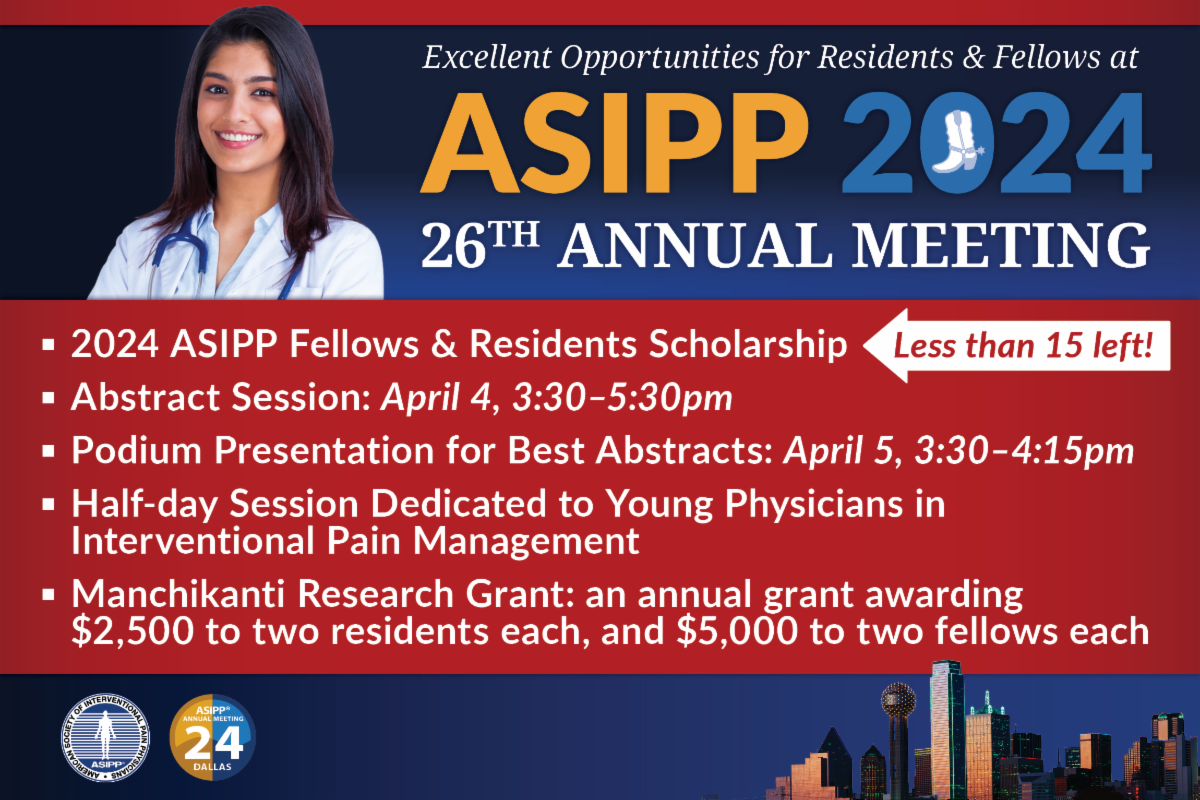
Excellent opportunities for Residents & Fellows
at ASIPP's 2024 Annual Meeting:
-
Resident & Fellow Scholarship — Limited to 100 - less than 15 left!
- Abstract Session (April 4, 3:30–5:30pm) and Podium Presentation for Best Abstracts during General Session (April 5, 3:30–4:15pm)
- Half-Day Session dedicated to Young Physicians in Interventional Pain Management
-
Manchikanti Research Grant, awarding $2,500 to two residents each, and $5,000 to two fellows each
| |
|
Drugs are commonly prescribed to treat insomnia, anxiety in PSP
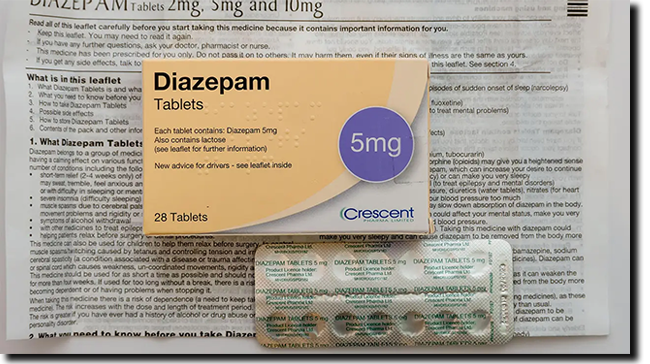
People with progressive supranuclear palsy (PSP) who were prescribed benzodiazepine derivatives had a faster decline in PSP Rating Scale (PSPRS) scores than those who didn't have benzodiazepines, a post hoc analysis showed.
In a secondary analysis of concomitant drugs used in a phase II/III clinical trial, only one medication class -- benzodiazepine derivatives, including lorazepam, clonazepam, alprazolam, and diazepam -- was associated with more rapid worsening of PSPRS scores (P<0.001), reported Anne-Marie Wills, MD, MPH, of Massachusetts General Hospital in Boston, and co-authors.
However, benzodiazepine-related drugs such as zolpidem, zopiclone, and eszopiclone were not associated with worsening PSPRS scores, they wrote in a JAMA Neurology research letter.
Read More
| |
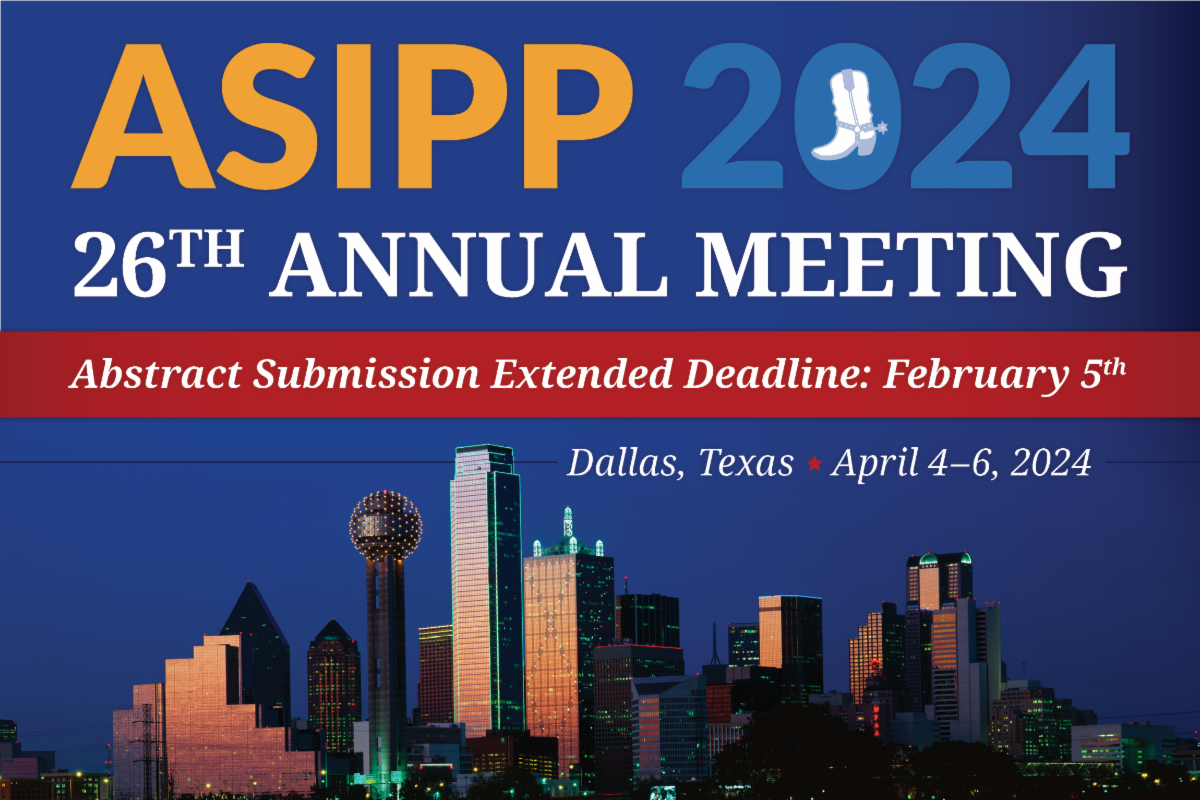
Abstract submissions are open for
ASIPP's 2024 Annual Meeting!
The submission deadline is February 5, 2024.
Don't miss your chance to be part of an exceptional event,
sharing insights and discoveries that shape the future of pain management.
| |
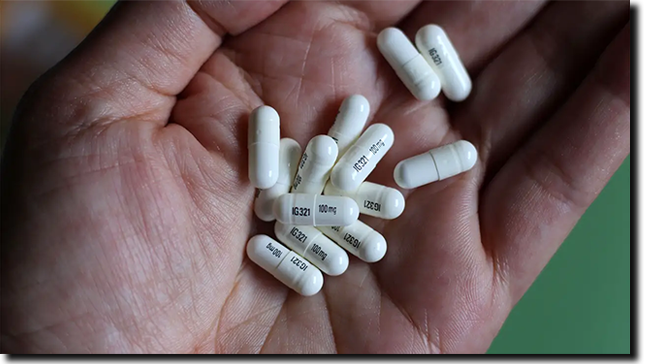
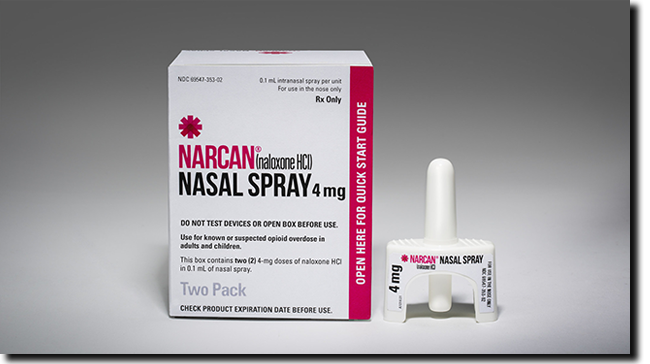
At the request of the US Food and Drug Administration (FDA), Emergent BioSolutions has extended the shelf life of the rapid opioid overdose reversal agent, naloxone (4 mg) nasal spray (Narcan), from 3 to 4 years.
Naloxone is "an important tool" in addressing opioid overdoses, and this extension supports the FDA's "efforts to ensure more OTC naloxone products remain available to the public," Marta Sokolowska, PhD, with the FDA Center for Drug Evaluation and Research, said in a statement.
Naloxone nasal spray was first approved by the FDA in 2015 as a prescription drug. Last spring, the agency approved the drug for over-the-counter use.
The FDA approved an initial shelf-life extension for naloxone nasal spray (from 2 to 3 years) in August 2020.
Read More
| |
ASIPP State Society Meetings | |
|
After Dobbs, women ages 18 and 45 in trigger states had a greater increase in these symptoms
After the U.S. Supreme Court decision to overturn Roe v. Wade, women living in states with trigger laws criminalizing abortion experienced an increase in anxiety and depression symptoms, according to a retrospective analysis of survey data.
From baseline to after the Dobbs v. Jackson Women's Health Organization opinion in June 2022, there was a significantly greater increase in mean Patient Health Questionnaire-4 (PHQ-4) scores for women ages 18 to 45 in trigger states compared with those in non-trigger states (difference-in-differences estimate 0.23, 95% CI 0.08-0.37, P=0.002), reported Benjamin Thornburg, BS, of Johns Hopkins Bloomberg School of Public Health in Baltimore, and co-authors.
There was also an increase of 0.11 in mean PHQ-4 scores among all survey respondents living in states with trigger laws versus non-trigger states (95% CI 0.06-0.16. P<0.001), they noted in JAMA.
Read More
| |
|
Save $250 on Your TOBI Conference Registration
by Completing Our Quick Survey
| | |
|
|
TOBI is dedicated to providing the best possible experience for our conference attendees—we ask that you complete this 60-second survey for us to better understand your preferences.
Those who complete the survey will receive a $250 discount on their TOBI Conference registration as our thanks!
*Discount unavailable for fellows, residents, and medical students
| |
- ASIPP Members Only Site Information - | |
-
To log in for the first time you will need to click “forgot password” at the bottom of the login window.
- Check your email and then log in as directed.
-
If you have problems logging into your account, click here.
| |
Pain Medicine Case Reports (PMCR) and Editor-in-Chief Alaa Abd-Elsayed, MD, PhD would like to invite you to submit case reports and case series to the PMCR journal. Your article will be published free of charge.
Open access journals are freely available online for immediate worldwide open access to the full text of published articles. There is no subscription fee for open access journals. Open access journals are no different from traditional subscription-based journals: they undergo the same peer-review and quality control as any other scholarly journal.
Interested in becoming a member of the PMCR Editorial Board?
Editorial board members are asked to review 2-6 manuscripts per year. Please submit your most up-to-date CV to sgold@asipp.org for consideration.
For more information or to submit your articles, click here.
| |
|
Loc Lam, DO, Vishal Bansal, MD, Thomas Chai, MD, and Larry C. Driver, MD
Abstract
BACKGROUND: Studies show that COVID-19 can cause neurological complications in both central and peripheral nervous systems. Plausible theories include virus-induced hyperinflammation and hypercoagulability, direct infection, and postinfectious immune processes. Our case report appears to be one of the first case reports highlighting COVID-19 infection, as a possible trigger for recurrent chemotherapy-induced peripheral neuropathy (rCIPN).
CASE REPORT: We present a case report of a 59-year-old man with rectal adenocarcinoma and a history of CIPN who experienced rCIPN after contracting COVID-19. Prior to infection, he experienced burning pain and dysesthesias in a stocking-glove distribution due to chemotherapy, with resolution of symptoms shortly after discontinuation. Unfortunately, within one week of his COVID-19 diagnosis, he experienced a return in his previous CIPN pain in a similar distribution and quality.
CONCLUSION: This case report suggests a potential role of COVID-19 infection in triggering the recurrence of CIPN, emphasizing the need for further research.
KEY WORDS: COVID-19, recurrent chemotherapy-induced peripheral neuropathy, neuropathic pain, cancer pain, chemotherapy-induced peripheral neuropathy
Read More
| |
|
Shuo Li, MBBS, Chenlong Liao, MD, PhD, Guangyu Wang, MMed, Yuanjie Zhang, MMed, Yiwei Wu, MD, PhD, and Wenchuan Zhang, MD, PhD
Abstract
BACKGROUND: Percutaneous balloon compression (PBC) has become one of the most common and effective minimally invasive treatments for trigeminal neuralgia (TN). However, the initial and long-term pain outcomes, as well as the complication rates of PBC for patients with TN with concomitant continuous pain (CCP) have yet to be specifically documented.
OBJECTIVE: In this clinical study, we aimed to evaluate and compare the results of PBC in treating TN with and without CCP.
STUDY DESIGN: Retrospective study.
METHODS: This research retrospectively analyzed the pain outcomes and complications of 57 patients with TN with CCP and 118 patients with TN without CCP who had undergone PBC at our institution from January 2019 through June 2022. Procedures were performed by one senior neurosurgeon in a single center. The postdischarge follow-up and the collection of clinical data, including immediate and long-term pain relief, time to recurrence, and complications, were completed through phone contact by an independent neurosurgeon blind to the patients’ information. Then, the results of the 2 groups were compared; demographic and clinical data were evaluated for possible predictive factors for poor pain outcomes.
RESULTS: In this study, PBC immediately resulted in complete pain relief in 70.2% of patients with CCP and significant pain relief in 84.2% of patients with CCP. For patients without CCP, the rates were 73.7% for complete pain relief and 85.6% for significant pain relief. After a minimum 6-month follow-up period, the rates decreased to 52.6% for complete pain relief and 73.7% for significant pain relief in patients with CCP, compared to 54.2% and 75.4% in those without CCP. The initial and long-term pain control rates in patients without CCP were slightly higher than those with CCP, but the differences were not statistically significant (P = 0.878, P = 0.968, respectively). The incidences of postoperative complications were similar between patients with and without CCP (21.1% vs 22.0%, P = 0.883), whereas the remission rate of complications in patients with CCP was significantly lower than that in patients without CCP (25.0% vs 69.2%, P = 0.011). A longer symptoms duration and having a history of neurodestructive procedures were predictive factors for poor outcomes following PBC.
LIMITATIONS: The study was performed in a single-center. The nature of this research is retrospective instead of prospective and randomized, with the inability to control completely for variables. Additionally, the follow-up duration was not long enough to observe recurrence in some patients.
CONCLUSIONS: This is the first specifically reported experience treating TN with CCP with PBC. PBC can result in significant relief of both episodic and constant pain from TN with CCP. Patients with a longer duration of pain and prior neurodestructive procedures have a higher risk of poor outcomes. The presence of CCP is not associated with pain outcomes and should not be considered a contraindication to PBC.
KEY WORDS: Percutaneous balloon compression, trigeminal neuralgia, concomitant continuous pain, pain relief, comparison, efficacy, complication, predictive factor
Read More
| |
|
Comparison of Percutaneous Endoscopic Transforaminal and Interlaminar Approaches in Treating Adjacent Segment Disease Following Lumbar Decompression Surgery: A Clinical Retrospective Study
Jialuo Han, MD, Wei Tang, MD, Guanghui Li, MD, Xiangli Ji, MD, Xiaoqi Wu, MSc, Kai Zhu, MMed, Guoqing Zhang, MD, Chuanli Zhou, MD, Xuexiao Ma, MD, and Jianwei Guo, MD
Abstract
BACKGROUND: Adjacent segment disease (ASD) is a common complication following posterior disc decompression and fusion surgery. Percutaneous endoscopic lumbar decompression surgery (PELD) has been used to treat ASD through either a transforaminal or interlaminar approach. However, to our limited knowledge there are no reports comparing the 2 approaches for treating ASD.
OBJECTIVE: To evaluate clinical outcomes of PELD in treating ASD and comparing the surgical results and complications between the 2 approaches. This may be helpful for spinal surgeons when decision-making ASD treatment.
STUDY DESIGN: A clinical retrospective study.
SETTING: This study was conducted at the Department of Orthopedics of the Affiliated Hospital of Qingdao University.
METHODS: From January 2015 through December 2019, a total of 68 patients with ASD who underwent PELD after lumbar posterior decompression with fusion surgery were included in this study. The patients were divided into a percutaneous endoscopic transforaminal decompression (PETD) group and a percutaneous endoscopic interlaminar decompression (PEID) group according to the approach used. The demographic characteristics, radiographic and clinical outcomes, and complications were recorded in both groups through a chart review.
RESULTS: Of the 68 patients, 40 underwent PEID and 28 patients underwent PETD. Compared with their preoperative Visual Analog Scale (VAS) pain score and Oswestry Disability Index (ODI) score, all patients had significant postoperative improvement at 3 months, 6 months, one year and at the latest follow-up. There were no significant statistical differences in the VAS and ODI scores between PETD and PEID groups with a P value > 0.05. There was a significant statistical difference in the average fluoroscopy times between the PETD and PEID groups with a P value = 0.000. Revision surgery occurred in 8 patients: 6 patients who underwent PETD and 2 patients who underwent PEID. The revision rate showed a significant statistical difference between the 2 approaches with a P value = 0.039.
LIMITATIONS: Firstly, the number of patients included in this study was small. More patients are needed in a further study. Secondly, the follow-up time was limited in this study. There is still no conclusion about whether the primary decompression with instruments will increase the reoperation rate after a PELD, and a longer follow-up is needed in the future. Thirdly, this study was a clinical retrospective study. Randomized or controlled trials are needed in the future in order to achieve a higher level of evidence. Fourthly, there were debates about PELD approach choices for ASDs, which may affect the comparison results between PETD and PEID. In our study, the approaches were mainly determined by the level and types of disc herniation, and the surgeons’ preference. More patients with an ASD with different levels and types of disc herniation and surgical approaches are needed in the future to eliminate these biases.
CONCLUSION: Percutaneous endoscopic lumbar decompression surgery is a feasible option for ASD following lumbar decompression surgery with instruments. Compared with PETD, PEID seems to be a better approach to treat symptomatic ASDs.
KEY WORDS: Lumbar degenerative disease, adjacent segment disease, percutaneous endoscopic lumbar decompression surgery, outcome
Read More
| |
|
ASIPP is now in collaboration with Curi Medical Liability Program
| |
|
Since this malpractice insurance program officially launched in November 2018, ASIPP has signed up hundreds of providers with an average savings of 30%. This is professional liability insurance tailored to our specialty and will stand up for us and defend our practices.
Curi is a full-service advisory firm that serves physicians and their practices. Their valued advice is grounded in your priorities and elevated in your outcomes. They are driven by a deep understanding of your specific circumstances in medicine, business, and life. To read a few important points to keep in mind about the program, including discounts, administrative defense, cyber coverage, aggressive claims handling, and complimentary risk management CME activities, visit our website.
| | |
|
Group Purchasing Organization Offer Better Pricing and Creates Added Value
ASIPP has formed a partnership with Henry Schein and PedsPal, a national GPO that has a successful history of negotiating better prices on medical supplies and creating value-added services for independent physicians. Working with MedAssets, PedsPal provides excellent pricing on products like contrast media that alleviate some of the financial pressures you experience today.
Learn More
| | |
|
ASIPP, Fedora Billing,
and Revenue Cycle Management Partnership
ASIPP is now offering our members the benefit of a unique revenue cycle management/ billing service.
We have received a tremendous amount of interest in the ASIPP® billing and coding program.
Click here to learn more about the negotiated rate for practices and more!
| |
|
Like and follow ASIPP® on Facebook, X, and LinkedIn for the most
up-to-date news related to you, your practice, and your patients!
| | | | |