| |
September Produce
Safety Newsletter
| | Strength Through Challenges | |
|
Between food safety concerns, extreme drought, and rising production costs, this remains one of our most challenging summers yet. The resilience of our farming community continues to inspire me. If you need a reminder of that strength, watch the Delta County peach growers’ video. Even after losing their crop, their hope and dedication shine through.
In this issue, you’ll find updates on food safety rules, drought conditions, recent outbreaks, and our progress toward full Produce Standards conformity. Thank you for your continued dedication to this vital industry.
Duane Sinning
Produce Safety Program Administrator
| | | |
Managing Seasonal Water & Food Safety Risks
Persistent drought conditions and recent multi-state foodborne illness outbreaks highlight how critical water safety and farm hygiene are to protecting consumer trust.
When drought restricts water availability, shared water sources face higher contamination risks just as seasonal conditions increase pathogen threats like Cyclospora, E. coli, and Salmonella. Because any outbreak undermines buyer confidence and lowers market demand for everyone, managing water and sanitation risks is essential to protecting your farm's bottom line.
Under the Produce Safety Rule, all agricultural water must be safe and of adequate quality for its intended use. If you determine your water quality is insufficient, you must discontinue its use immediately or apply mitigation measures.
To protect your crop, your business, and the industry, focus on these essential field practices:
| | |
Water Quality & Safety
- Inspect your water systems and sources, including those within your control, to identify all potential sources of contamination and possible mitigation practices
- Increase the time interval between the last direct water application and harvest to allow for microbial die-off, provided you have scientifically validated supporting data
- Increase the time interval between harvest and the end of storage to allow for microbial die-off or removal, provided you have scientifically valid supporting data
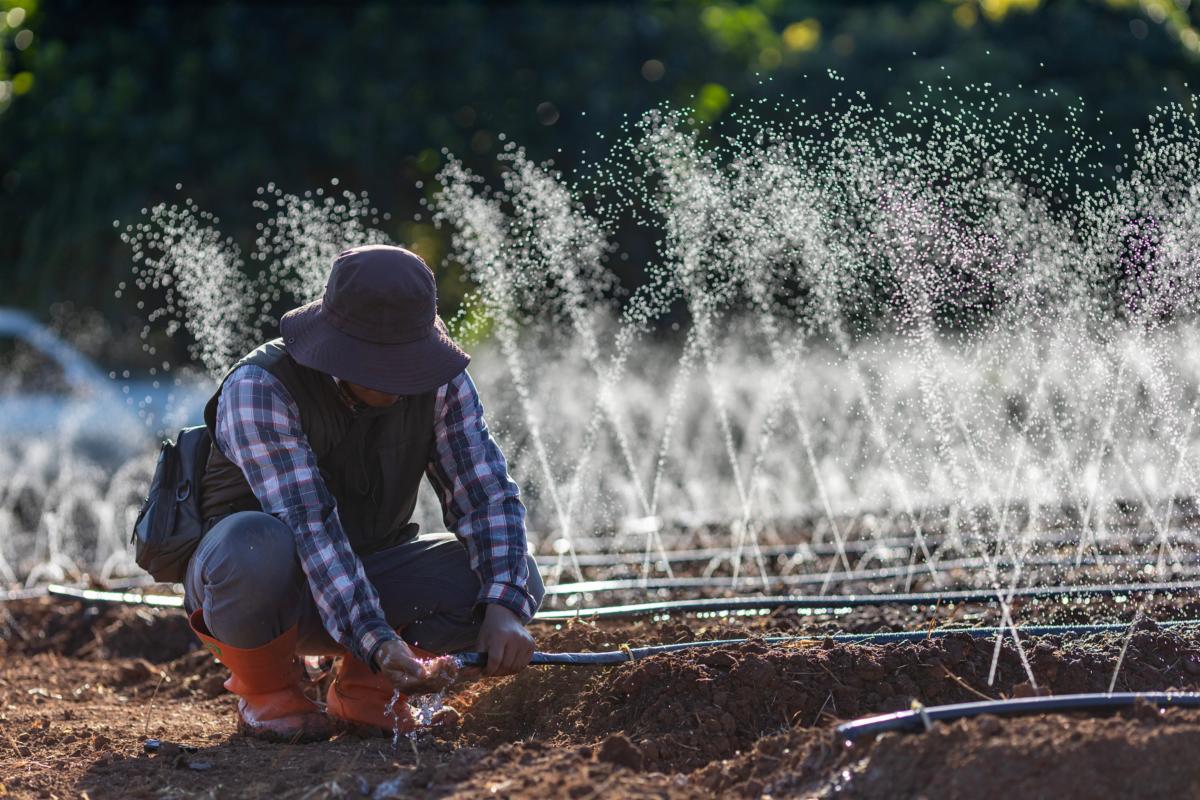
- Change the method of water application to reduce the likelihood of contamination from overhead watering
- Treat your water with an EPA-registered antimicrobial to make the water safe for its intended use
- Test for generic E. coli as a key indicator of fecal exposure and outbreak risk.
| | |
Hygiene & Packing Safety
-
Train & Exclude Sick Workers: Provide training on foodborne illness symptoms and exclude sick workers from handling fresh produce.
-
Ensure Restroom Access: Make bathrooms easily accessible to workers in both the field and packhouses.
-
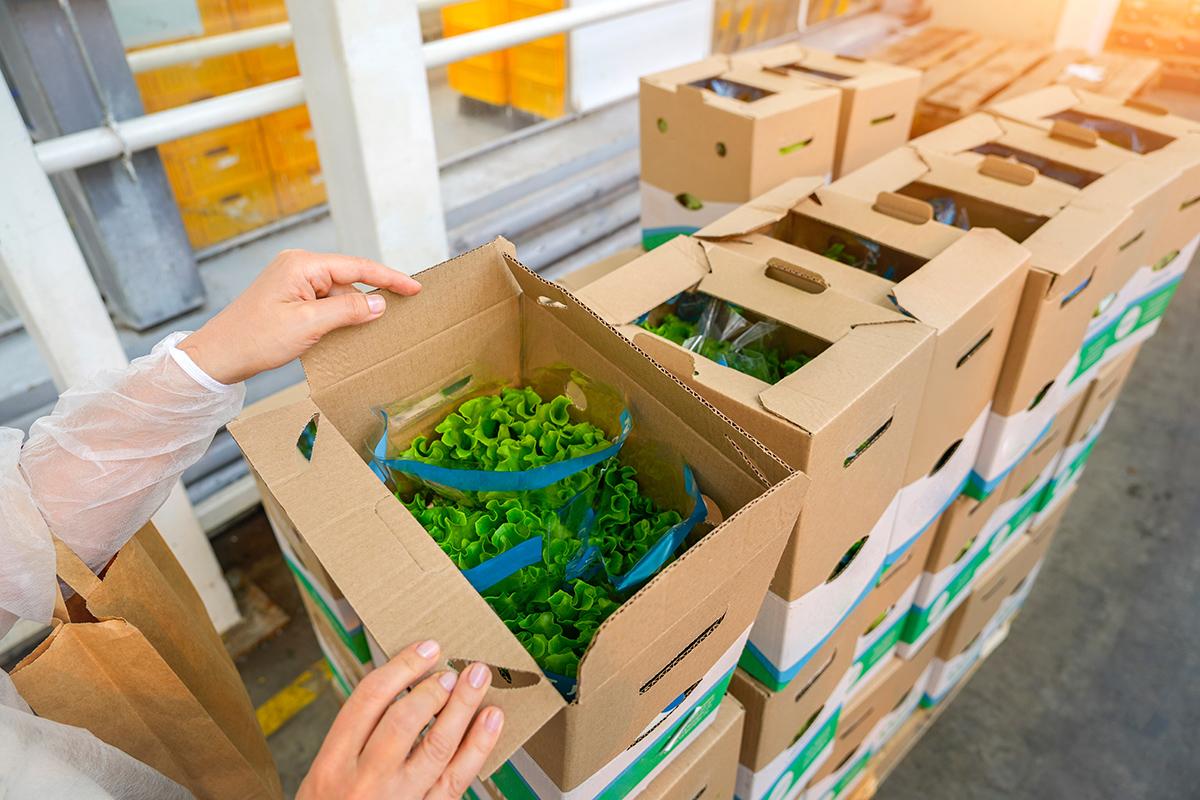
Maintain Sanitation Standards: Keep restrooms stocked, cleaned, and maintained, ensuring waste disposal does not cross-contaminate clean hands.
-
Promote Good Hygiene: Encourage frequent handwashing and reinforce hygiene practices through regular training.
-
Cooler Condensation: High summer heat increases walk-in cooler condensation, creating a Listeria risk. Keep doors sealed, clear drip pans, and ensure adequate airflow. (Learn more at General Restaurant Equipment).
| |
| | |
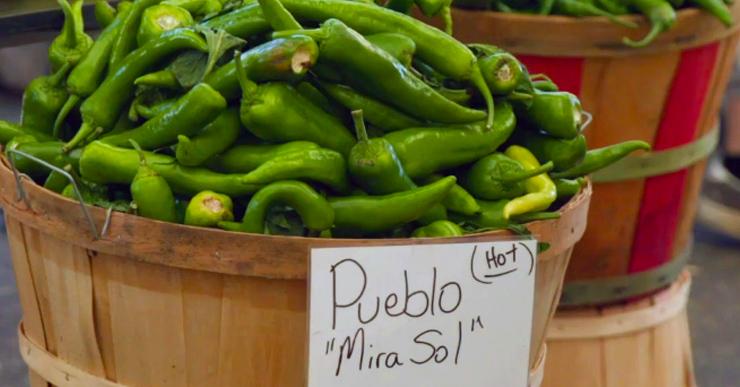
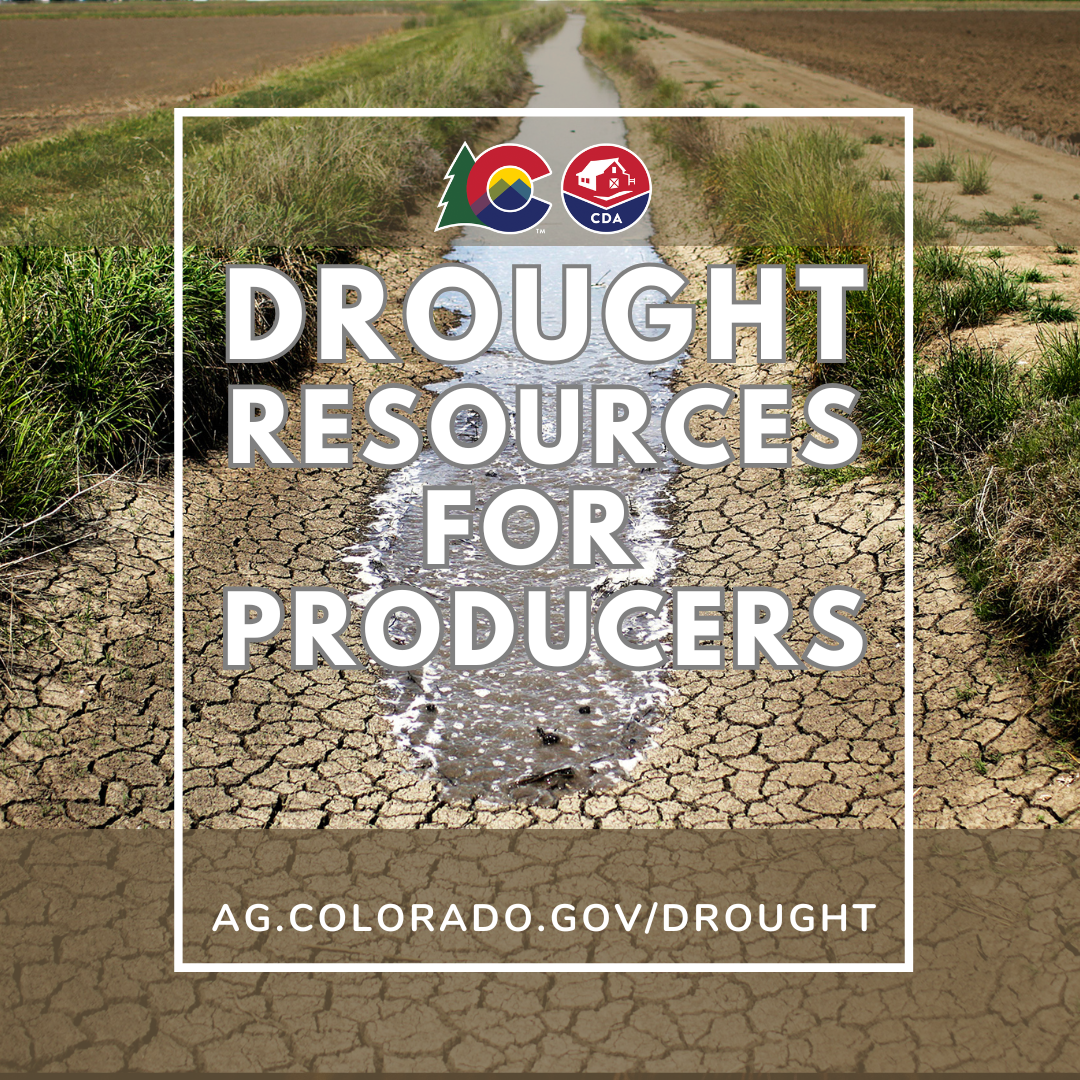
This year's drought conditions have hit our produce farmers hard.
For more information on the impacts of the current drought, the Department's Drought Task Force, and state and federal assistance available to farms, visit the Department's Drought Resource Page.
| | | |
2027 Registration Threshold Raised
Following a July 29th rule hearing, the annual registration threshold for the 2027 season is set at $34,324 (calculated using average annual sales from 2023–2025).
- Registration Period: November 1 – December 31.
- Note: Even if your sales fall below $34,324, we strongly encourage voluntary registration to help our state secure maximum FDA program funding.
| | Inspection Update: Common Observations & Water Rule Compliance | | |
Mid-season inspections and Qualified Exempt audits run through September.Our inspectors are noticing a recurring issue: improper or inadequate recordkeeping, particularly around the new Pre-Harvest Ag Water Rule
-
What’s changed: The new rule drastically updates pre-harvest water requirements and now mandates an annual written water assessment.
-
Get help: Visit our Program's Pre-Harvest Webpage to understand the requirements and build your written assessment.
| |
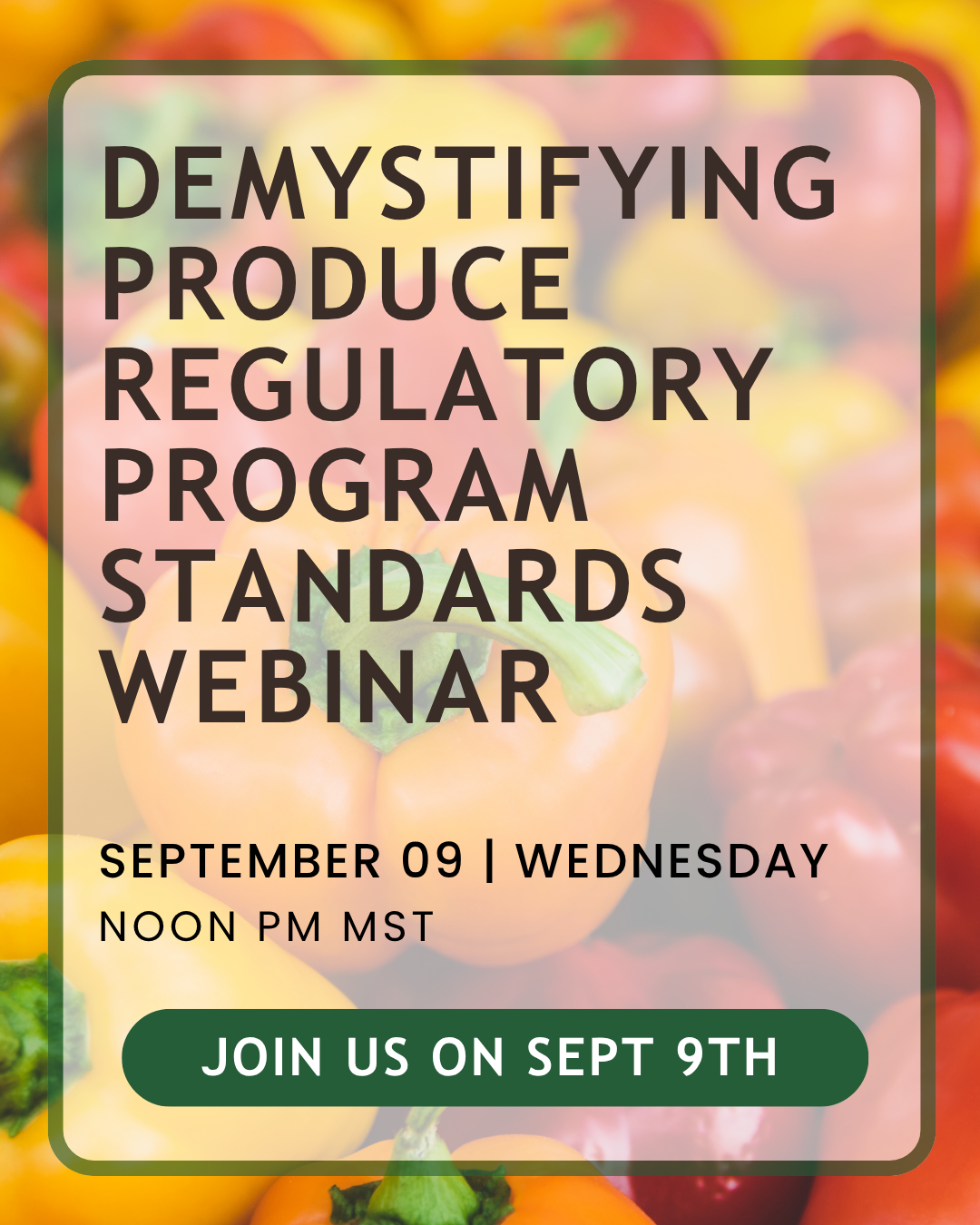
Webinar: Demystifying Produce Regulatory Program Standards
Learn how Produce Regulatory Program Standards (PRPS) establish a uniform foundation for state regulators, support domestic mutual reliance with the FDA, and help reduce produce-related outbreaks. We will also provide a brief update on our work as a Phase 1 pilot state. (A recording will be posted on our website after the event)
Featured Speaker: Joe Reardon, Senior Advisor, National Association of State Departments of Agriculture (NASDA)
Meeting link: meet.google.com/vmj-yovu-hav
Join by phone: (US) +1 540-680-4498
PIN: 750120751
| |
Program Funding Secured
Following a year of federal funding cuts that threatened our operations, we are pleased to share that the Colorado Produce Safety Program secured funding in July to sustain our work through the coming year.
To safeguard our long-term stability, we recently integrated Produce Safety into a larger, unified Food Safety Program group.
While our producer communities vary, core food safety principles, from inspection practices to educational outreach, remain the same across the board. By streamlining our resources and capitalizing on these shared principles, we are strengthening financial viability, improving program efficiency, and better serving our agricultural community today and into the future.
| | |
305 Interlocken Parkway, Broomfield, CO 80021
303-869-9282
| |
| | | |