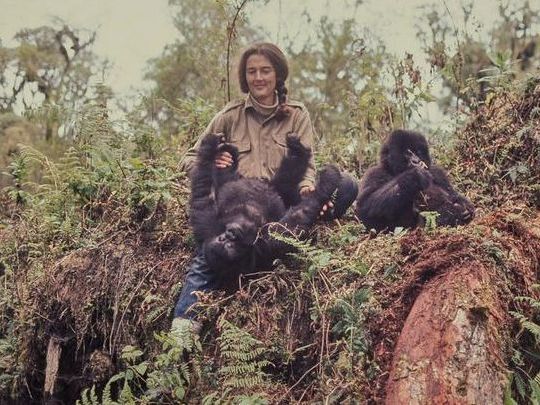
Mountain Gorillas are Making a Comeback!
Virunga Massif, Bwindi National Park & Sarambwe Reserve
|
|
Greetings from Kigali!
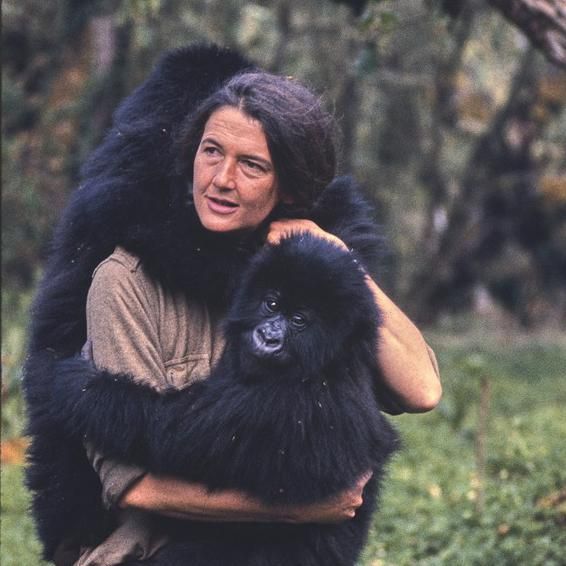
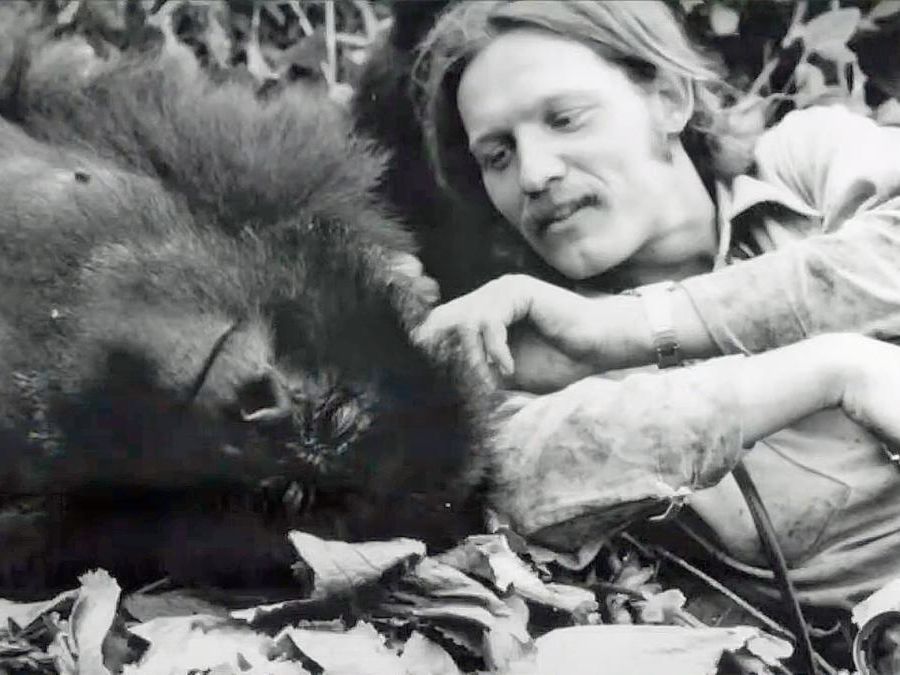
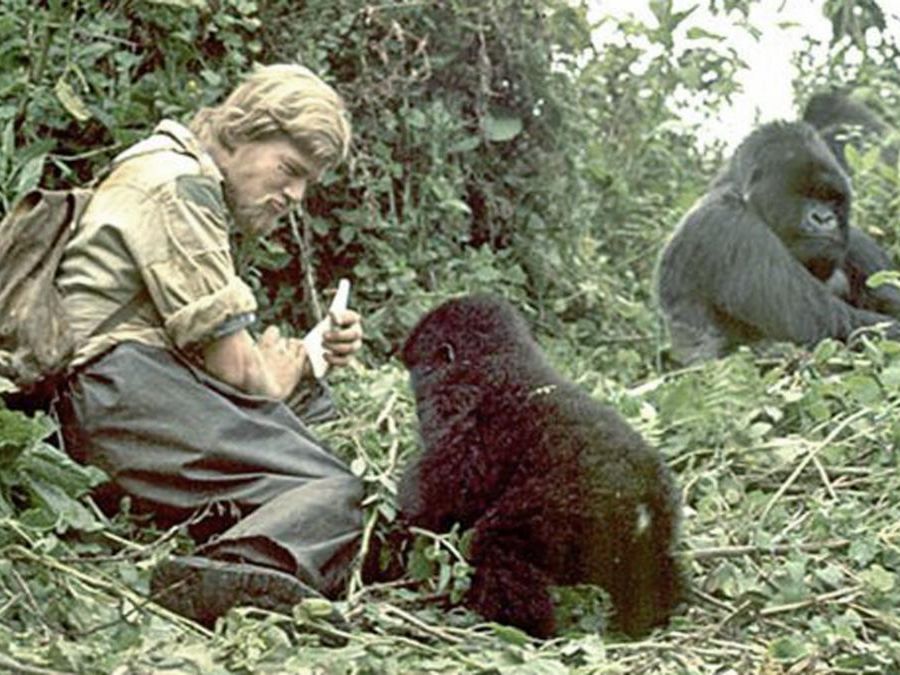
September 24th marked the day that Dian Fossey set up two small tents on the mountainside of the Virungas and founded Karisoke Research Center 55 years ago. Since then, the mountain gorillas have witnessed significant change, and in this month's newsletter we will take a closer look at how they are faring today.
Having specialist Tour Leaders who lived and worked with Dian Fossey at Karisoke in the 1970s and 80s, coupled with our Co-Founder Richard's background of working with the Dian Fossey Gorilla Fund, we are often asked how we see the future for mountain gorillas.
Below you will find why we are hopeful for the future of mountain gorillas, how you can gain a behind-the-scenes insight into mountain gorilla conservation, and some interesting facts about the national parks and reserves in Rwanda and Uganda where the mountain gorillas call home.
|
|
EXPANSION OF VOLCANOES NATIONAL PARK |
|
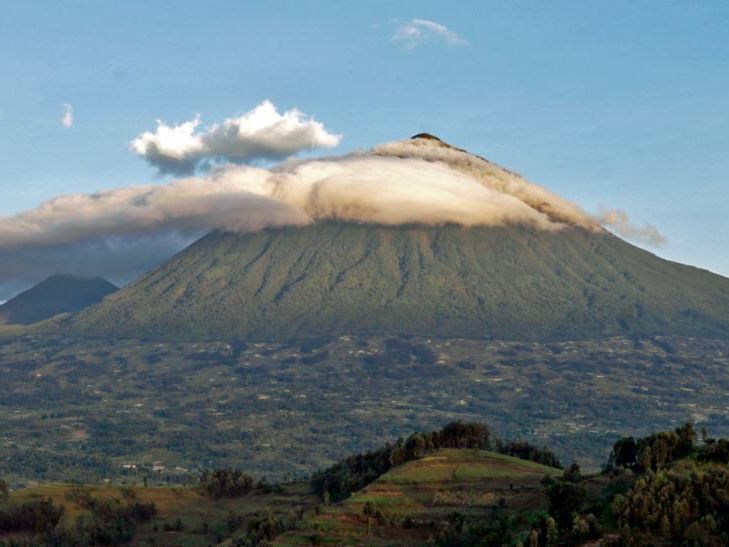
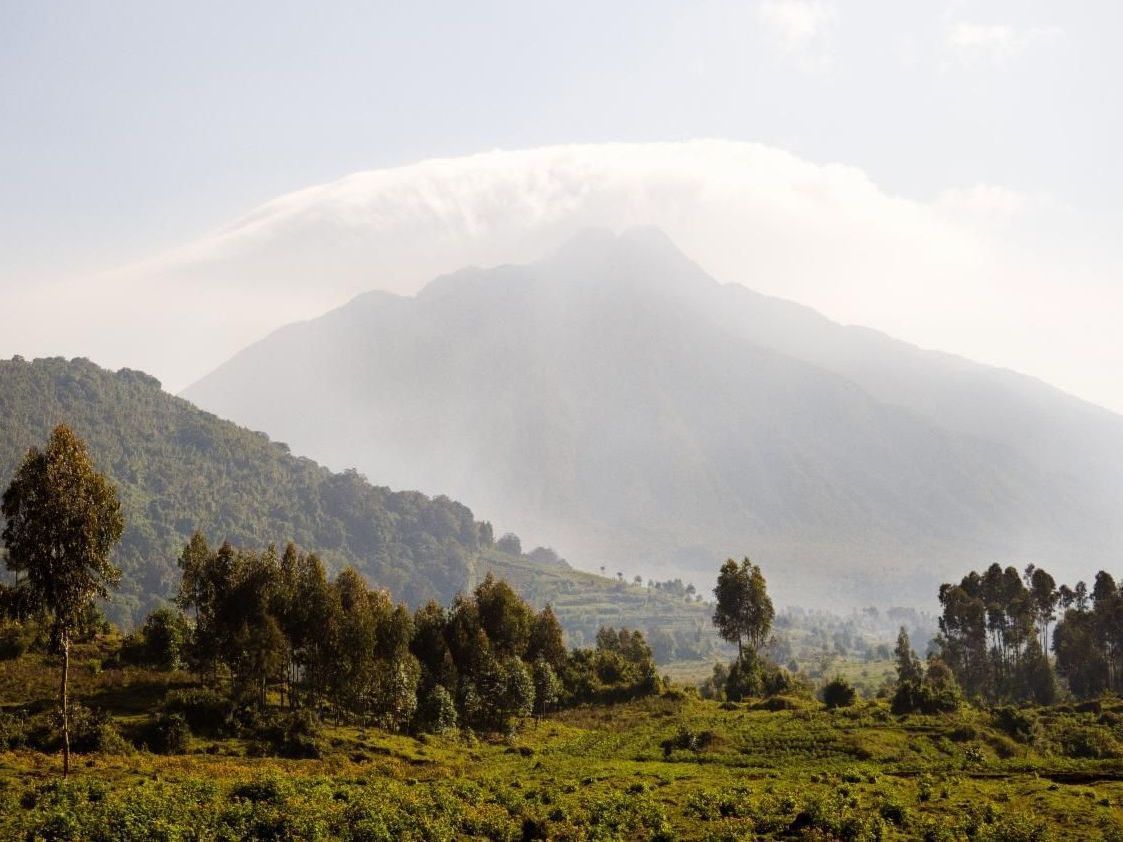
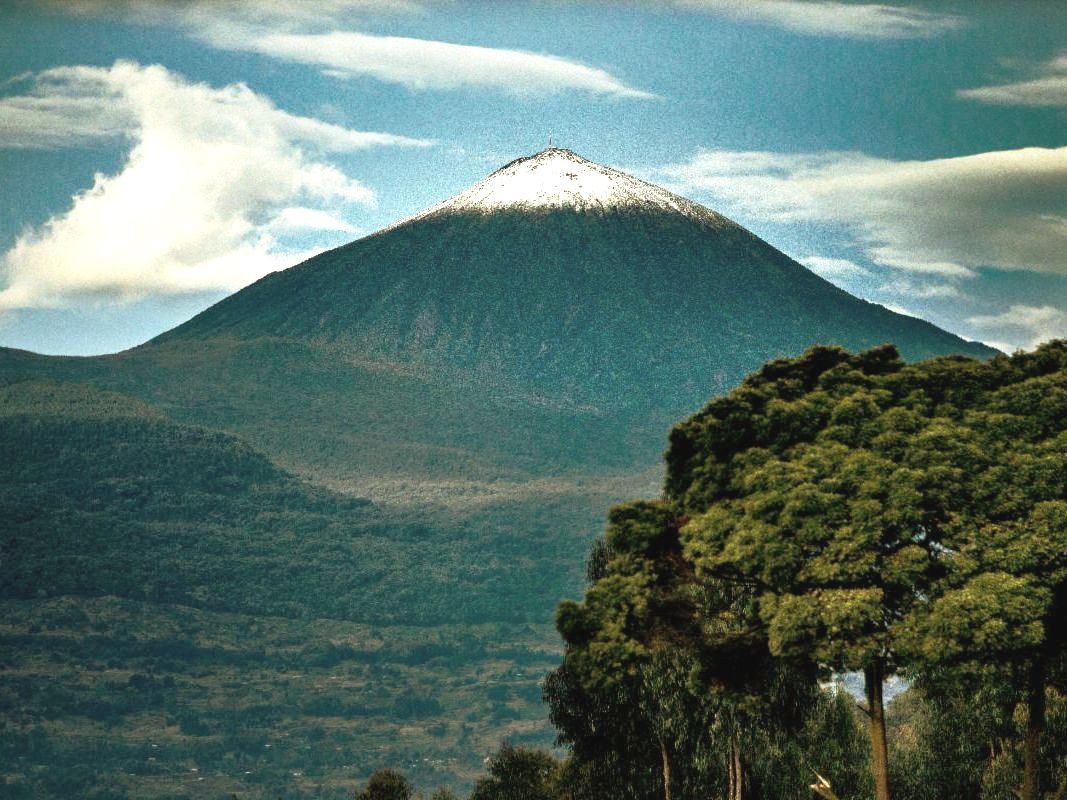
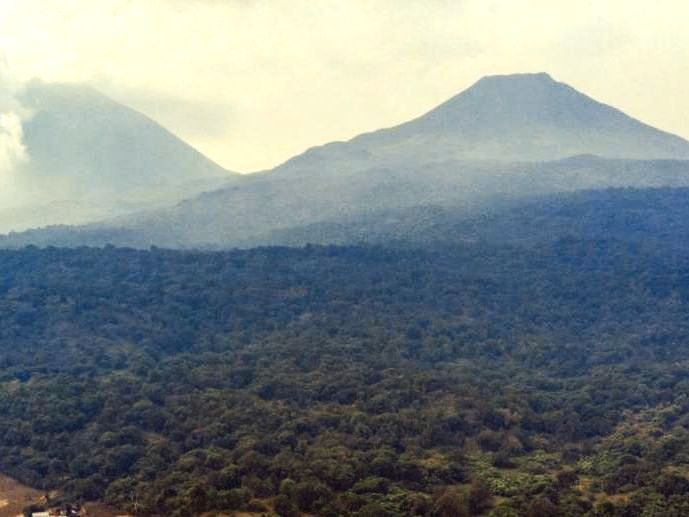
Volcanoes National Park is the name given to the Rwandan side of the Virunga Massif, which also encompasses Virunga National Park in the Democratic Republic of the Congo (DRC) and Mgahinga National Park in Uganda.
Rwanda has embarked on an ambitious project to expand Volcanoes National Park by roughly 23%, increasing its size by 37.4 square kilometers (3,740 hectares). The aim is to ensure a better habitat for the mountain gorillas, as the current size of the park is too small to accommodate the growing population of gorillas in Volcanoes National Park. This conservation venture will not only benefit the gorillas but will also improve the habitat for other wildlife living in the park and further improve the lives of the surrounding communities.
|
|
ARE GORILLA NUMBERS INCREASING? |
|
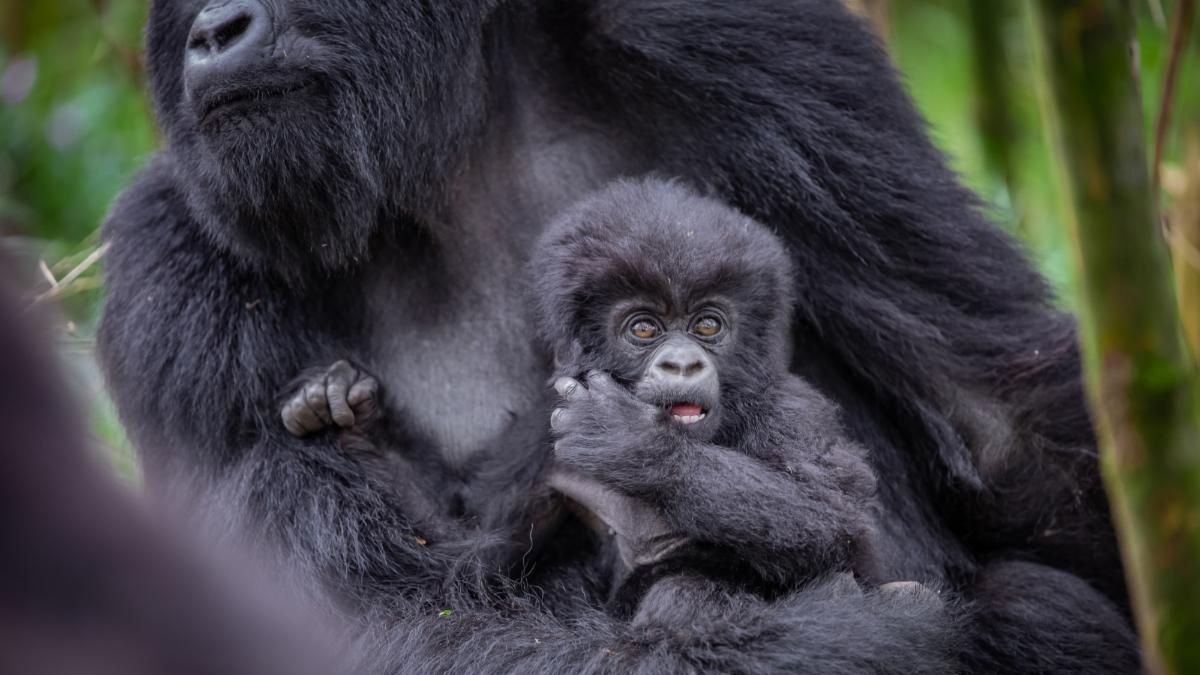
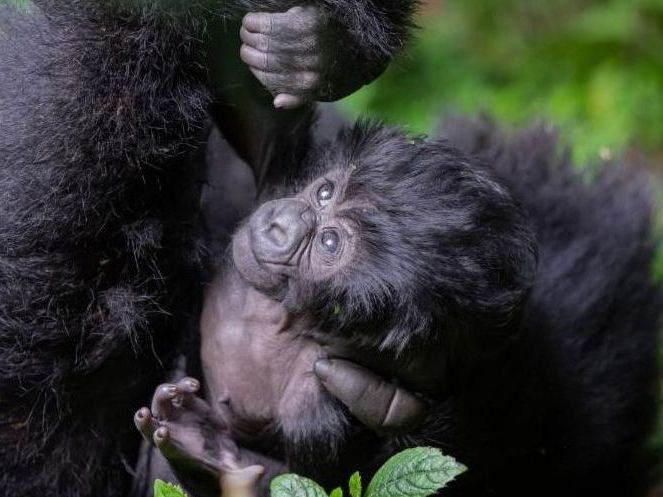
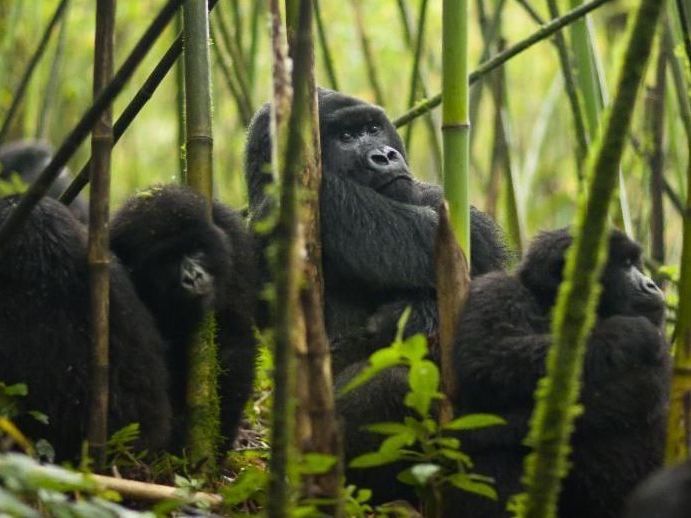
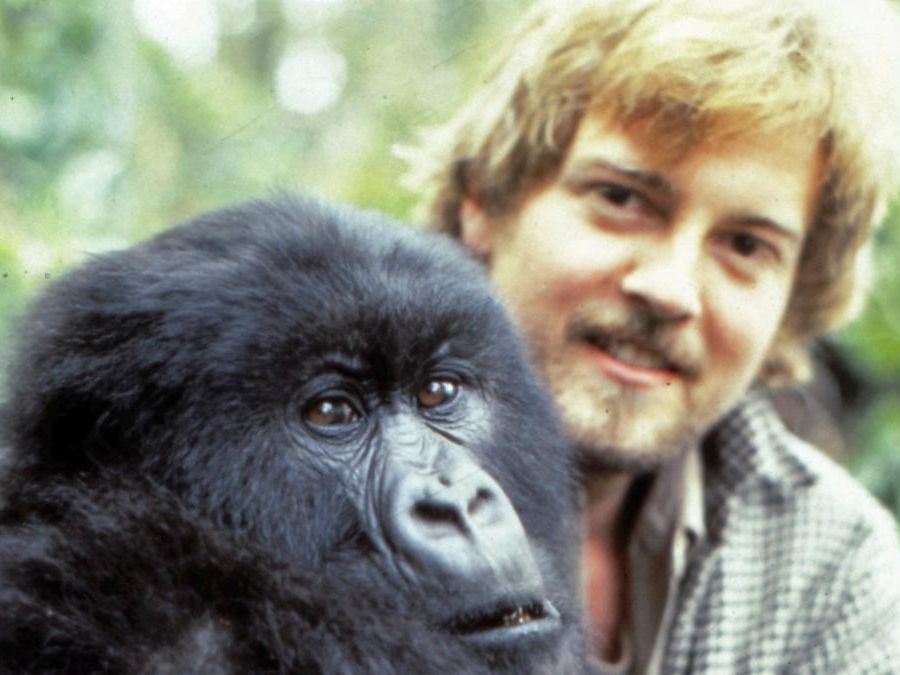
According to the most recent census, the population of mountain gorillas has increased from 480 to 604 individuals in the Virunga Massif, and from 400 to 459 in Uganda's Bwindi Impenetrable National Park and the adjacent Sarambwe Reserve in the DRC. At the end of 2019, it was estimated that the overall population of mountain gorillas had reached 1063.
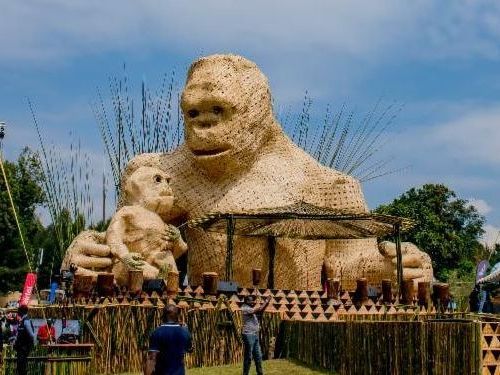
Once on the brink of extinction, mountain gorilla numbers continue to grow. In Rwanda, this success is celebrated with the annual 'Kwita Izina' baby gorilla naming ceremony, which is now in its 18th year.
|
|
WANT AN INSIDE VIEW OF MOUNTAIN GORILLAS? |
|
Travulous' Small Group Tours & Exclusive Events are led and hosted by our specialist Tour Leaders, who are the former research staff and colleagues of gorilla primatologist, the late Dian Fossey. They lived and worked with Dian Fossey at the original Karisoke Research Center in the 1970s and 80s. There is no better way to learn how mountain gorilla conservation has evolved from the 1970s to the present day, and to understand what it must have been like for Dian and our Tour Leaders living in the remote location of Karisoke Research Center all those years ago.
Visit our new itinerary pages to view the full details of our tours and events, including the biographies of our specialist Tour Leaders and Event Hosts.
|
|
VISIT THE MOUNTAIN GORILLAS |
|
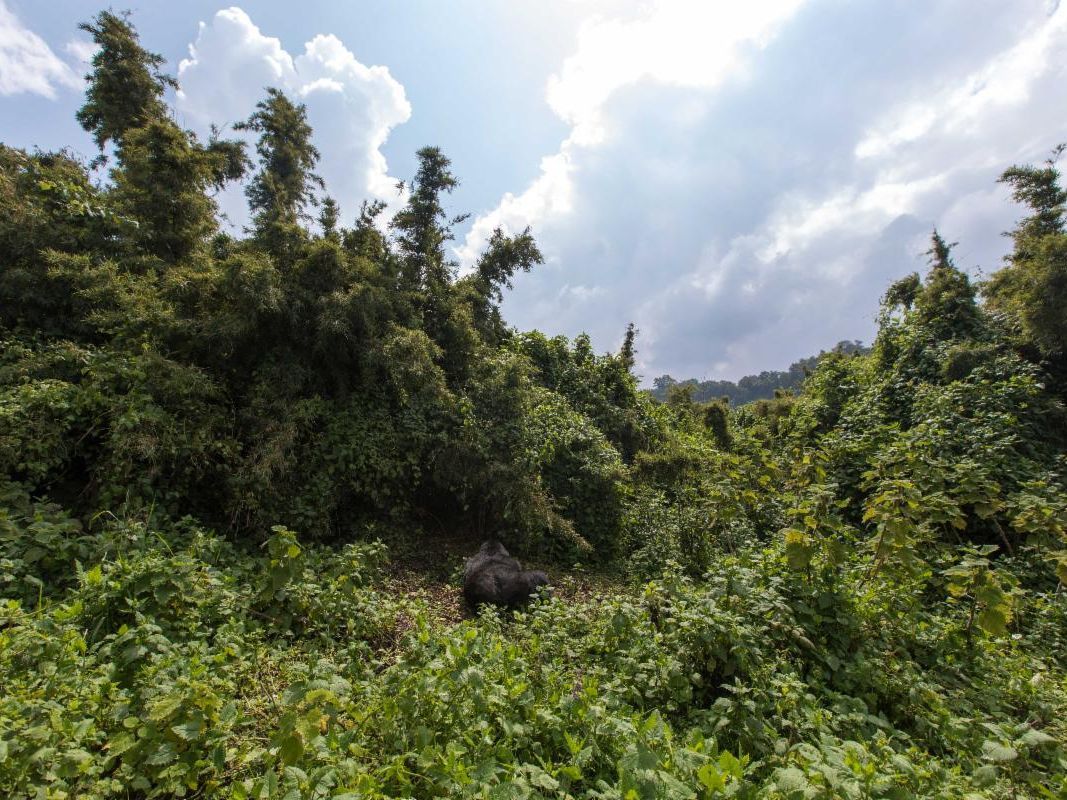
It is essential to book gorilla tracking permits well in advance, as there are only a limited number of permits available each day in Volcanoes National Park, Bwindi National Park and Mgahinga National Park.
Permits need to be paid for, in full, at the time of booking. A percentage of the gorilla permit fee goes to supporting the communities living around the parks, in addition to funding conservation and management of the parks:
|
|
Volcanoes National Park
- Habituated groups: 12
- Permits per group: 8
- Total: 96 per day
- Permit price: $1500
|
|
Bwindi National Park
- Habituated groups: 18
- Permits per group: 8
- Total: 144 per day
- Permit price: $700
|
|
Mgahinga National Park
- Habituated groups: 1
- Permits per group: 8
- Total: 8 per day
- Permit price: $700
|
|
Virunga National Park in the DRC also has a number of habituated gorilla families but Travulous does not operate in this country. As mountain gorillas roam freely, with no wildlife borders between Rwanda, Uganda and the DRC, these numbers are subject to change. |
|
WANT TO SEE UNIQUE PHOTOS OF DIAN FOSSEY? |
|
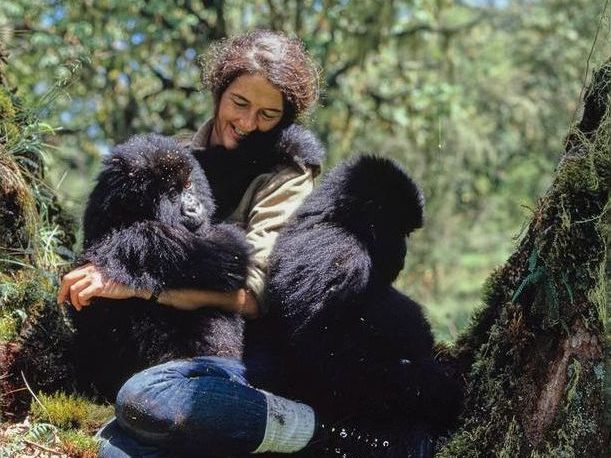
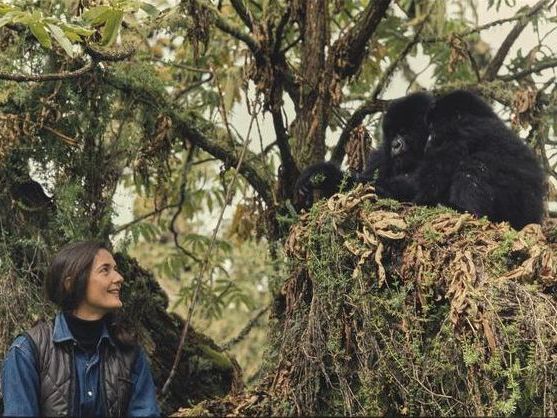
Follow our Instagram page to view unique photos of Dian Fossey at Karisoke Research Center, taken by National Geographic photographer Bob Campbell, who was assigned to document Dian's research in 1969. Bob's photographs captured the hearts of National Geographic readers, earning worldwide recognition for Fossey's work and creating public awareness for the plight of mountain gorillas and their urgent need for conservation.
“When you realize the value of all life, you dwell less on what is past and concentrate on the preservation of the future” ~ Dian Fossey, 'Gorillas in the Mist’
|
|
+250 786 415 499 | +1 888 870 0591 | +44 20 8057 0578
Anglican Business Centre, Giporoso, Kigali, Rwanda
|
|
|
|
|
|
|