Daily Table, a noble experiment in tackling food deserts and health disparities, to close its stores
By Bill Walczak, Reporter Columnist
May 10, 2025
When Daily Table opened its first non-profit grocery store in Dorchester’s Codman Square back in 2015, it was national news. Over the last decade, the enterprise grew to include four additional locations with more than 260,000 customers in Massachusetts.
On Sunday, all of the Daily Table stores will close, a decision made by the board of directors. It’s a heartbreaking call.
I’ve been a member of the board since the Daily Table’s founder Doug Rauch first approached me with his exciting idea back in 2013. Doug, who led Trader Joe’s for 17 years until his retirement, had developed an idea for a new model that he hoped would address food deserts in low-income communities. He was long bothered by stores that trashed perfectly good food as products neared their expiration dates and devised a new model to open smaller, non-profit stores. Dorchester and Codman Square specifically was his first stop.
I eagerly joined his board.
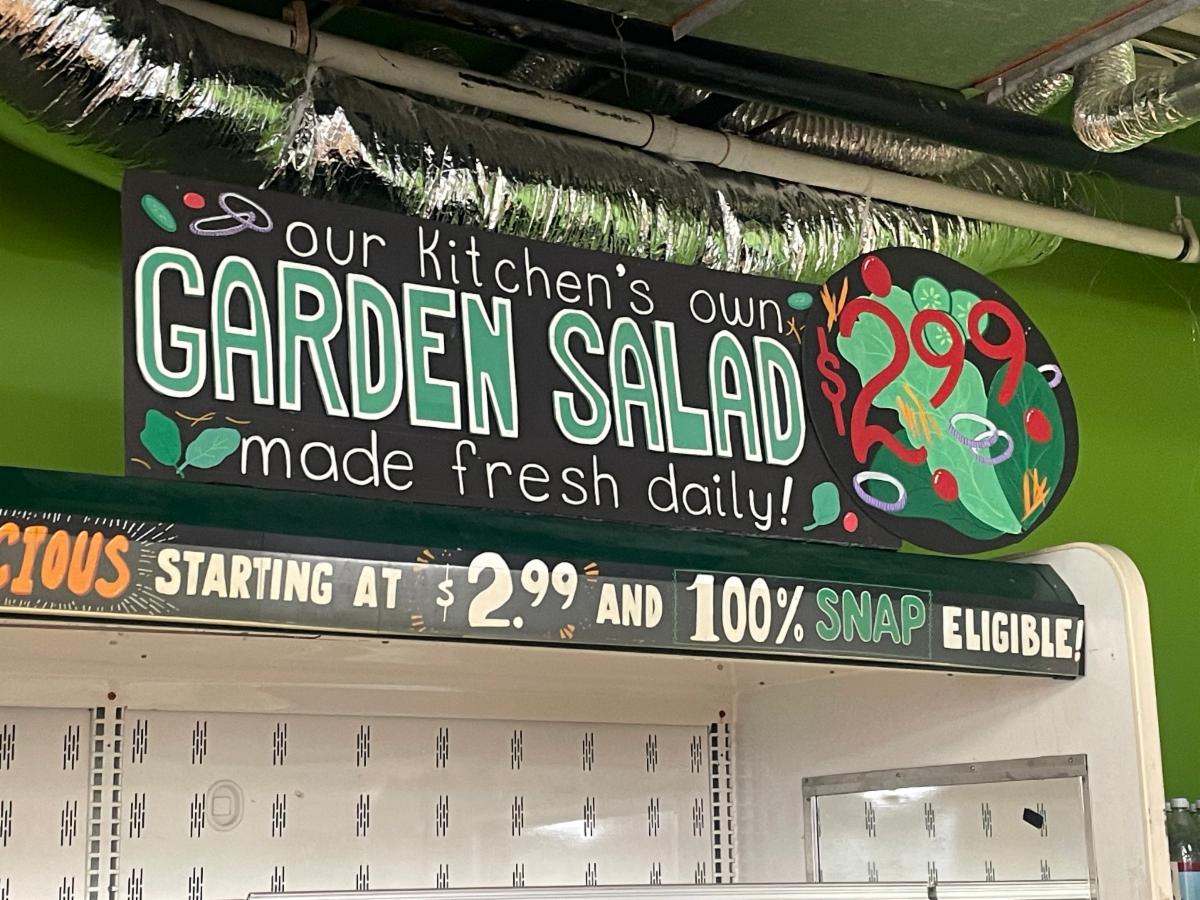
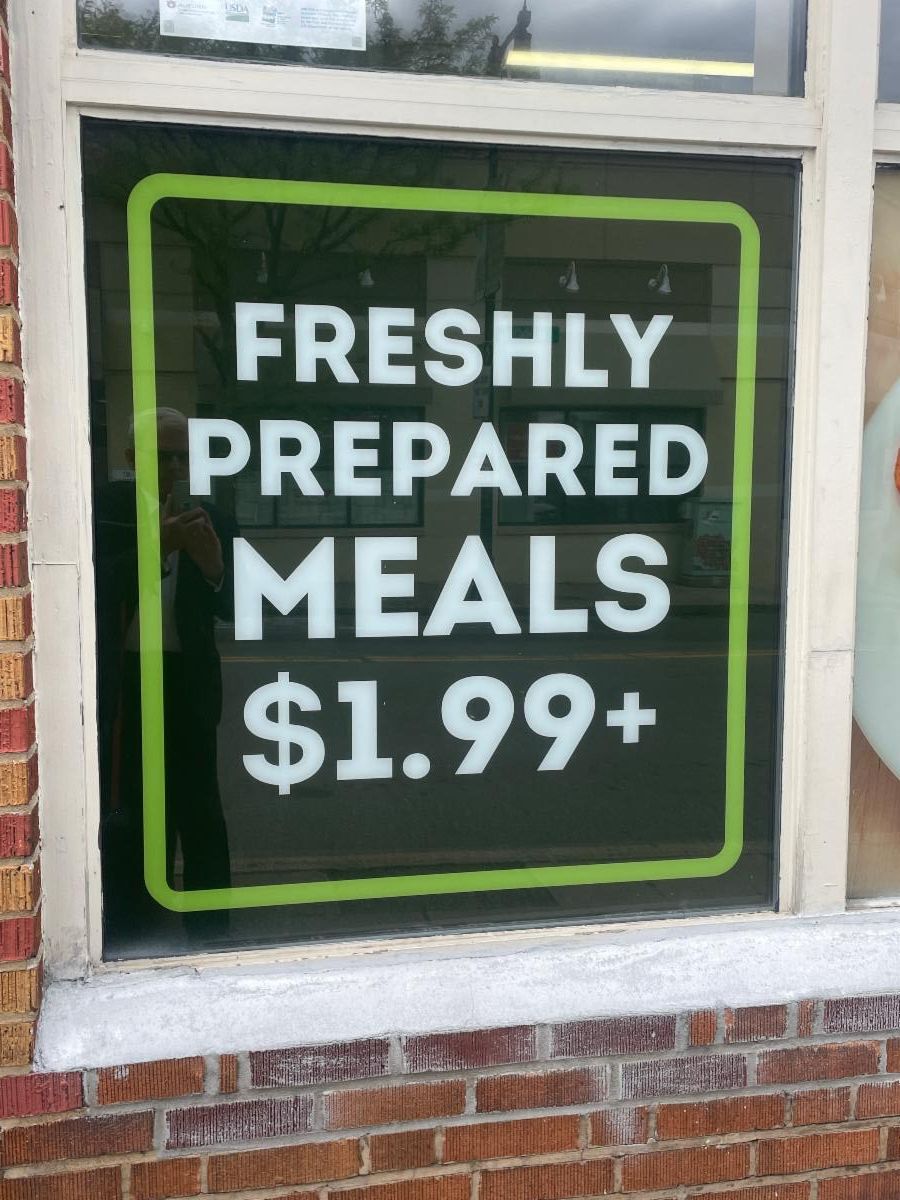
Doug’s goal was to have a store that sold only nutritious food at half to three-quarters of the cost of a standard supermarket. No junk food, desserts, or sugar sweetened beverages. A commissary that produced healthy meals for under three dollars. There were a few glitches. The IRS couldn’t envision a nonprofit grocery store, so we tied the idea to underserved patients at federally funded community health centers.
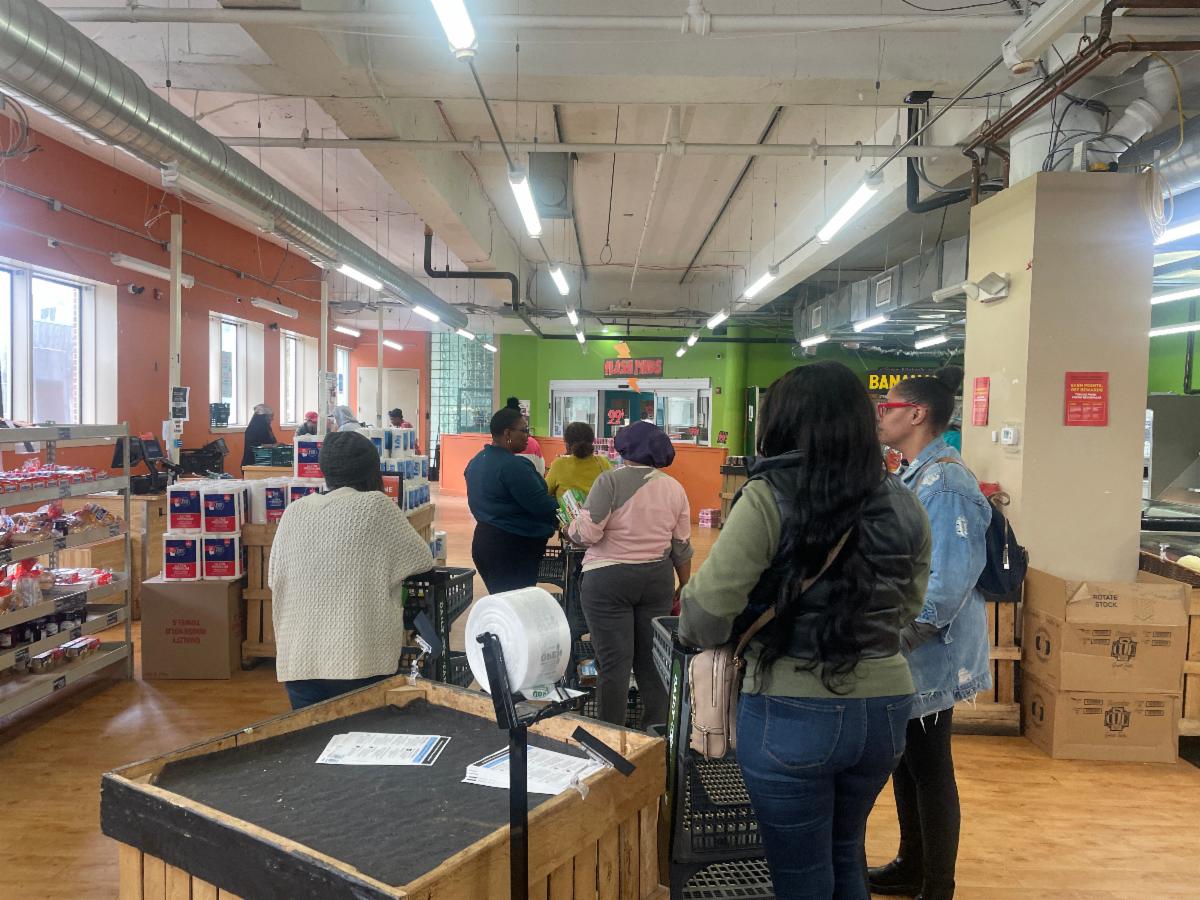
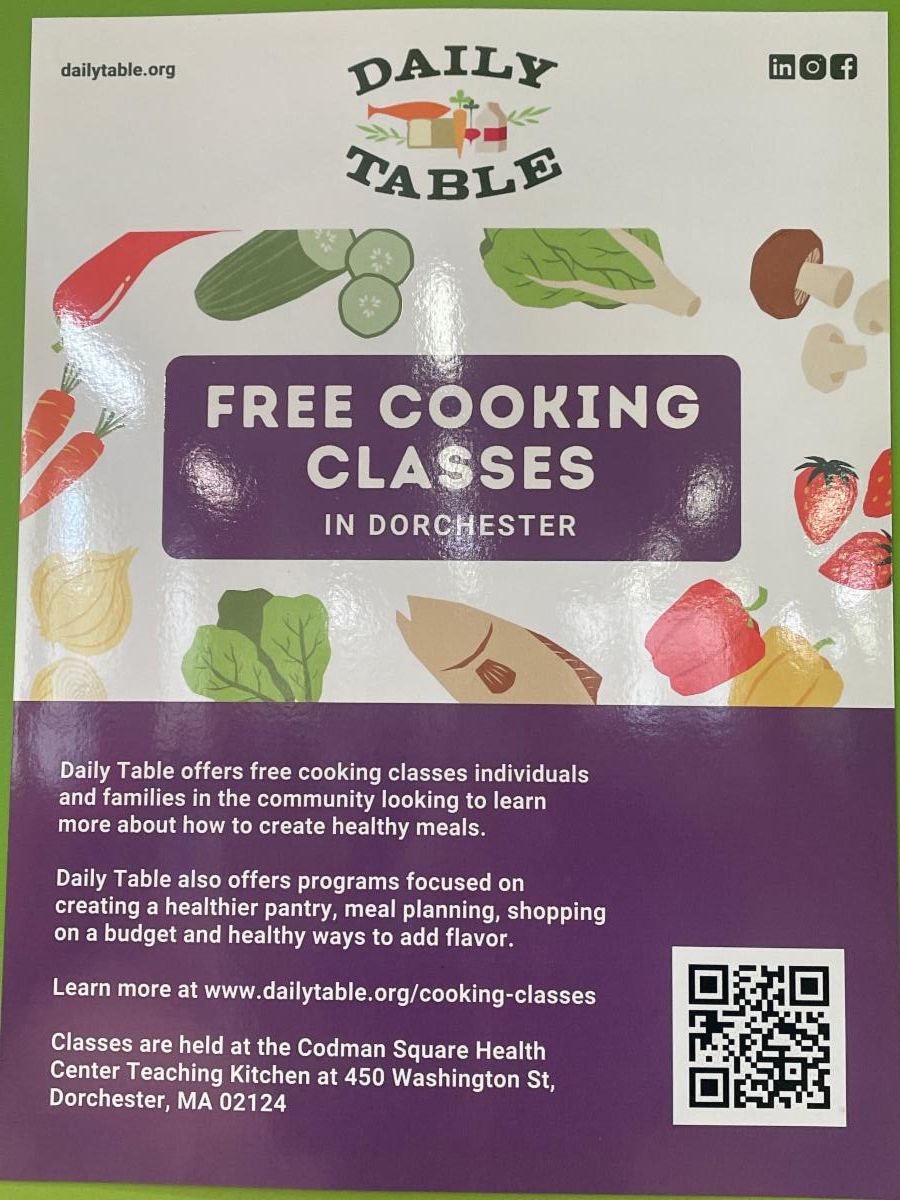
The Codman Square store worked well, found a client base, and over the past ten years, Daily Table added four additional stores serving over 260,000 residents in 2024. Last year, it sold $3.5 million in fresh produce, offered 87 cooking classes at its teaching kitchen, and had sales of over $9 million in food at an average of 25-30 percent lower cost than other grocery stores. It also received $3.5 million in donations. Daily Table has been visits by representatives from dozens of cities, all looking for ways to deal with their food deserts.
But now it’s closing.
A recent review of finances determined that Daily Table would need between one and two million dollars in new donations to break even in 2025. Last year, Daily Table was unsuccessful in getting an earmark for support from the state Legislature, and it was unclear if any dollars could be leveraged for the next fiscal year. The Mattapan location closed in January to stem the losses.
Then, this past week US Agriculture Secretary Brooke Rollins announced that they are planning a $230 billion cut in SNAP (food stamps) benefits, a major source of funding for Daily Table.
I pretty regularly give tours of Codman Square to visitors to Boston, through Harvard School of Public Health, Dartmouth Medical School and other universities. I even gave a tour to a group from the Malaysian Khazanah Sovereign Wealth Fund.
Generally, the tours are about how health relates not just to access to medical care but to programs and services that produce a holistic model that increases health. The Codman tours include the HealthWorks fitness center next to Daily Table, the Epiphany Early Learning Center and School, the Codman Square Health Center, Codman Academy, and the Codman Square Neighborhood Development Corporation.
In nearly all visits, Daily Table is the organization that has been the center of attention. This is mainly because most low income areas in this country and other developed/developing countries have health centers, schools, and some have CDCs and fitness centers, but they don't have an ability to deal with their food deserts, and the poor quality food available to those communities results in poor health. The Khazanah group made Daily Table part of their Annual Forum in Kuala Lumpur.
Now, sadly, I’ll have to talk about our effort to provide nutritious, affordable food, and why it had to close.
Herb Gleason, corporation council to the City of Boston and chair of the Board of Health and Hospitals in the 1970s, used to challenge people who referred to our system of providing medical care as a “health care system.” He’d get huffy and say, “It’s not a health care system; if it were, we’d have more healthy people. It’s a medical care system!”
I couldn’t agree more. My 42 years running parts of that system taught me that our system is built around disease, not prevention of disease. America has a system that focuses on operations and procedures, specialty care and high tech radiology. It’s where the money is, not where health is.
If we were really focused on health, we’d pay more attention to the two things that could produce more of it— nutrition and fitness, and support activities and organizations that promote them. Daily Table represented a major effort in that direction. It's a heartbreaking loss.
Bill Walczak is founding president and former CEO of Codman Square Health Center. His column appears regularly in The Reporter.
Support local news. Subscribe or donate to The Dorchester Reporter at www.dotnews.com
Recent columns by Bill Walczak
“Podcast brings us back to anti-war Catholic Dorchester circa 1972” April 16, 2025
https://dotnews.com/2025/podcast-brings-us-back-antiwar-catholic-dorchester-circa-1972
“Questions in search of answers in this year’s mayoral campaign” April 9, 2025 https://conta.cc/44jvatS
“Assessing the state of readiness for Boston to blunt the ravages of the monster storm”.
January 29, 2025. https://conta.cc/3PX0DKj
Learning the ropes – “How I learned the best way to get positive action out of city hall”. January 9, 2025. https://conta.cc/4ha1UJh
“A health center was conceived 50 years ago this week. Health center history tells a useful story for today”. December 5, 2024 https://conta.cc/4gj35FP
“State should seize Carney, re-boot services like urgent care,” September 19, 2024
https://conta.cc/3Bdybj2
|