|
Diversion Programs, Peer Support and Quick Response Teams Form Opioid Strategy
By Juan Figueroa, Ulster County Sheriff
In 2018, Ulster County had one of the highest per capita overdose death rates in New York state. Upon my election as sheriff in 2019, one of my first priorities was to develop an effective opioid response strategy that would reduce the loss of life my community was experiencing. As a veteran narcotics investigator, I knew that enforcement plays a critical role in addressing the opioid epidemic, but that more needed to be done to help those with substance use disorder. We needed a bold, systemic shift. What we’re seeing in Ulster County is not unique. A recent needs assessment conducted by the National Sheriffs’ Association and the Opioid Response Network (ORN) found that 80% of responding sheriffs’ offices felt they lacked the resources needed to effectively address substance use disorders in their communities. Agencies across the country reported challenges related to treatment access, recovery services, training, and technical assistance. Those findings reinforced what many of us already knew: Law enforcement cannot tackle this crisis alone, and communities need practical, collaborative solutions that connect people to recovery. Read more here.
| |
Court Decision Eases Burden of Proof to Qualify for Medical Frailty Exclusion to Medicaid Work Requirements
On October 29, 2026, a district judge ruled in Massachusetts v. Oz that the Centers for Medicare and Medicaid Services (CMS) exceeded its authority when it narrowed the definition of medical frailty to require individuals to show that a health condition limits their ability to work or volunteer to qualify for an exclusion from Medicaid work requirements. This ruling applies nationwide to all states implementing Medicaid work requirements and means that individuals will now only need to show that they have a condition that falls into one of the five medical frailty categories listed in the statute to qualify for the exclusion. The Department of Health and Human Services has not announced whether it will appeal the decision. The lawsuit was filed in June 2026 by Democratic Attorneys General from 24 states including the District of Columbia and two Democratic Governors soon after CMS released an interim final rule (IFR) implementing Medicaid work requirements. Read more here.
| |
Researchers Tackle Non-Emergency Medical Transportation
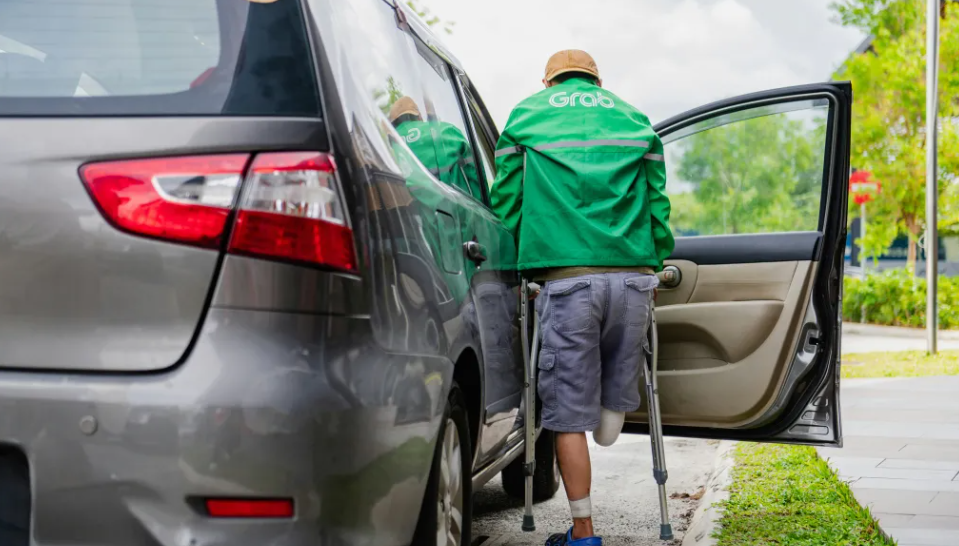
As more rural hospitals close and access to healthcare clinics and physicians gets harder for rural residents, researchers in Duluth, Minnesota, are looking at the impact transportation has on rural healthcare. At the University of Minnesota Duluth, researchers and faculty members are working with the Arrowhead Regional Development Commission to find ways to sustain and re-imagine healthcare transportation. Arrowhead is a development organization serving northeastern Minnesota, specifically the counties of Aitkin, Carlton, Cook, Itasca, Koochiching, Lake and St. Louis. The goal of the organization is to bring together governments and citizens to identify regional needs and solve problems. For Beverly Sidlo-Tolliver, principal planner at Arrowhead, the need to look into the issue came when she was working in healthcare. While she was attending a workshop on dialysis, the issue of transportation came up. Just two weeks prior, one of the medical transport companies had pulled out of the Arrowhead region of the state, she said. Read more here.
| |
National Council for Mental Wellbeing Ready to Work With New Congress to Expand Access to Care
The National Council for Mental Wellbeing on Wednesday congratulated the candidates elected November 3 and said it is ready to work with members of both parties, in both chambers, to expand access to mental health and substance use care. “Mental health and substance use challenges affect people in every state and every congressional district, regardless of political affiliation. Our commitment to the people living with those challenges doesn’t change with the majority,” said Chuck Ingoglia, president and CEO of the National Council. “Congratulations to everyone newly elected and reelected. Our members are the community organizations that answer the phone when someone is in crisis and deliver crucial care every day, and they’re ready to show lawmakers what works.” The behavioral health field enters the 120th Congress with fewer resources and growing demand for care. States and community providers are preparing for reduced federal Medicaid funding. Read more here.
| |
New York’s Methadone Programs Jump 44% as State Pushes to Reduce Overdoses
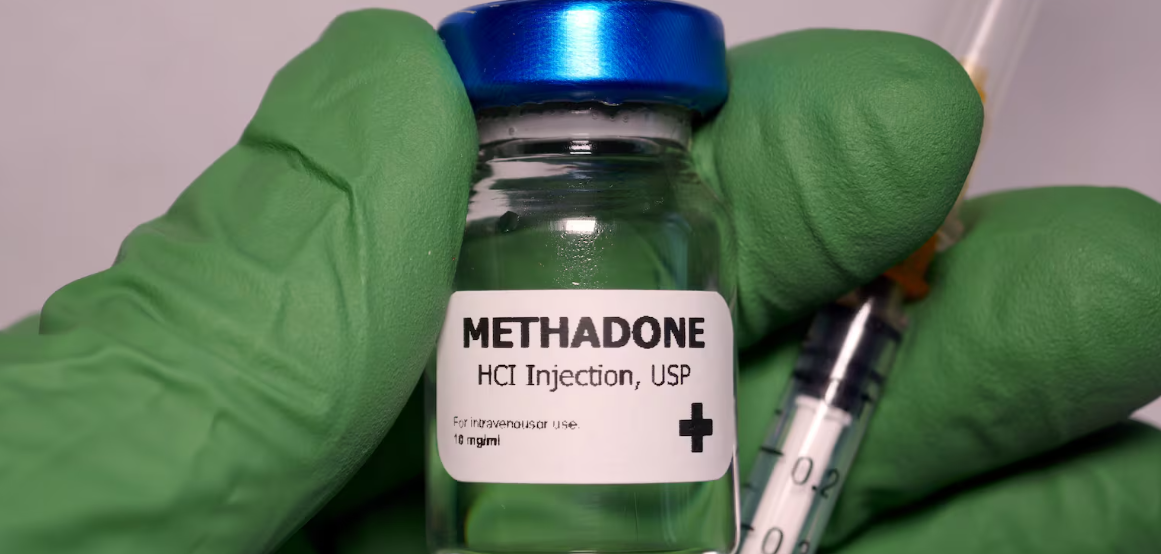
New York has increased its number of outpatient methadone treatment programs by 44% in the past five years, new state data shows, following a push to expand medication-assisted treatment and reduce overdose deaths. There were 140 methadone programs in operation statewide as of this year, up from 97 programs in 2021, according to data from the Office of Addiction Services and Supports. The data was presented by state researchers last week at an annual symposium hosted by the Coalition of Medication-Assisted Treatment Providers and Advocates of New York State, a membership organization for substance-use treatment providers. Read more here.
| |
SUNY Chancellor King Announces Grants to Build Community and Combat Student Loneliness
State University of New York Chancellor John B. King Jr. last week announced grants to strengthen students’ sense of community and combat loneliness. The grants will support campuses as they work to implement strategies to build community, increase student involvement in clubs and support services, and ensure space for social engagement, including tech-free spaces. "Building relationships and finding community are essential parts of college because learning is a social experience," said SUNY Chancellor King. "There's no AI chatbot that can replace human interaction, and we are proud to be providing these grants to our campuses so they can prioritize student engagement programs that help combat loneliness and ensure our students feel like they belong." Read more here.
| |
Do You Have Seasonal Affective Disorder? How to Tell - and What to Do About It
When psychiatrist Dr. Norman Rosenthal moved to the United States from South Africa in 1976, he felt less energetic during the harsh winters. He noticed other people felt the same way. "Just like the autumn leaves, they became depressed on schedule," says Rosenthal. "In spring, the condition reverses itself." He studied the problem, and published the first research on the syndrome and coined the term seasonal affective disorder, or SAD, in 1984. About 1 in 20 people in the U.S. have SAD, and it typically lasts about 40% of the year, according to the American Psychiatric Association. If you have it, you may feel sluggish or depressed, oversleep, overeat, gain weight and be uninterested in doing things you previously enjoyed. Many more people have the winter blues, a milder version of SAD, where you feel like a sadder, sleepier or slower version of yourself. Read more here.
| | |
UPCOMING EVENTS & TRAININGS
Strengthening Rural Communities: Innovations and Partnerships to Address Substance Use Disorders and the Opioid Crisis
November 5, 2 - 3 pm, SAMHSA
Gambling in Justice-Involved & Reentry Populations (Overview, risks, Screening, and Recovery Supports)
November 9, 12 - 1:30 pm, NEATTC
Predicting Suicidal Ideation Outcomes: How Personality, Cognition, and Brain Function Shape Treatment Response
November 10, 2 - 3 pm, Brain and Behavior Research Foundation
Improving Population Health Through Medicaid and Public Health Partnerships
November 10, 3 - 4:15 pm, Center for Health Care Strategies
Young People, AI, and Mental Health: What New Research Tells Us
November 12, 12 - 1 pm, The JED Foundation
Scaling Sustainably: Introducing the Communitywide Mental Health First Aid Implementation Road Map
November 12, 1 - 2 pm, National Council for Mental Wellbeing
Bridging Community Health and Public Safety: Deflection, Situation Tables, and Cross-Sector Collaboration
November 18, 12 - 1:30 pm, NAADAC
Understanding Access to Care for Rural Residents With Disabilities
November 16, 12 - 1 pm, Rural Health Research Gateway
Criminogenic Thinking & Antisocial Logic
November 18, 12:30 - 3:30 pm, NEATTC
PSYCKES for County Local Government Units
November 19, 1 - 2 pm, OMH
Evolving a Trauma Responsive Environment to Support Workforce Wellness
November 20, 10 am - 12 pm, NCATTC
The Power of Protective Factors: What Recovery Professionals Can Teach Prevention (and Vice Versa)
December 2, 12 - 1 pm, NAADAC
Considering Ethics in Documentation of Clinical Supervision
December 9, 12 - 1:30 pm, NAADAC
Voices of Promise: HBCU Students Shaping the Future of the Addiction Profession
December 16, 12 - 1:30 pm, NAADAC
| |
CLMHD CALENDAR
November
CLMHD Office Closed - Veterans Day
November 11
Addiction Services & Recovery Committee Meeting
November 12: 11 am - 12 pm
Mental Health Committee Meeting
November 12: 3 - 4 pm
Children & Families Committee Meeting
November 17: 12 - 1:30 pm
CLMHD Membership Call
November 18: 9 - 10:30 am
CLMHD Office Closed - Thanksgiving
November 26 - 27
December
Executive Committee Meeting
December 2: 8 - 9 am
Mental Hygiene Planning Committee Meeting
December 3: 1 - 3 pm
LGU Clinic Operators Call
December 8: 10 - 11 am
Addiction Services & Recovery Committee Meeting
December 10: 11 am - 12 pm
Mental Health Committee Meeting
December 10: 3 - 4 pm
Children & Families Committee Meeting
December 15: 12 - 1:30 pm
CLMHD Membership Call
December 16: 9 - 10:30 am
Developmental Disabilities Committee Meeting
December 17: 1 - 2 pm
CLMHD Office Closed - Christmas
December 25
| |