CES & Kearsarge Q&A Manchester Solar Array
|
|
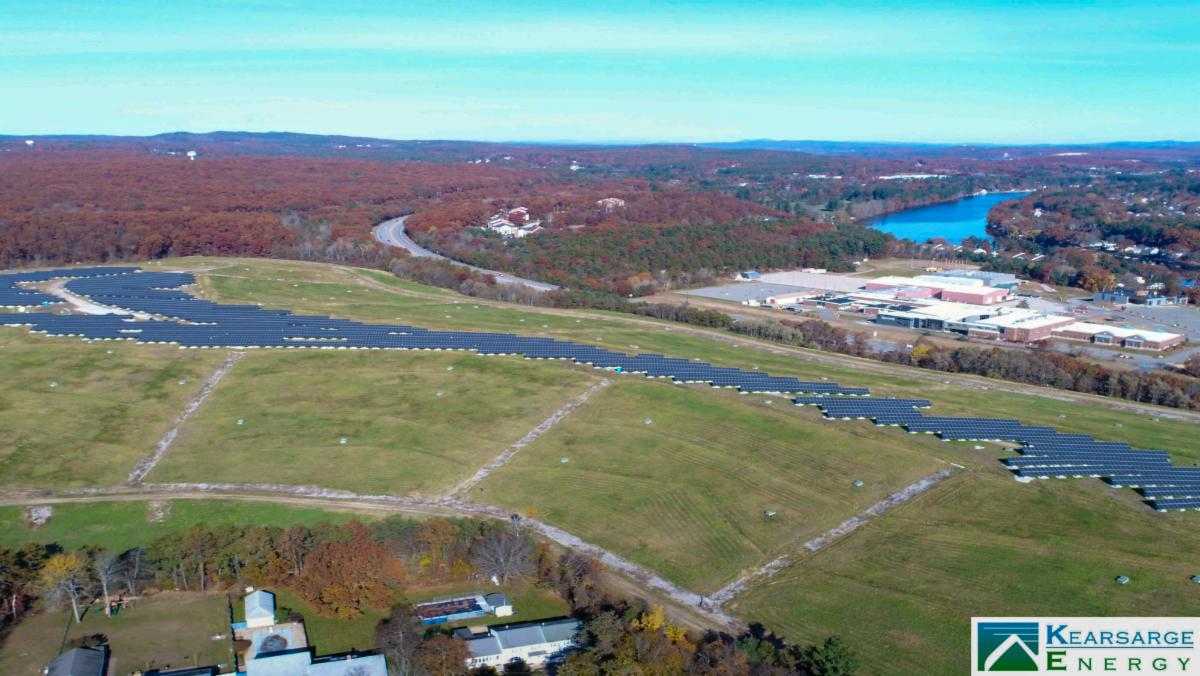
The meeting was held at the City of Manchester’s newest solar array that sits atop the former Dunbarton Road landfill, considered non-productive land. Covering 12 acres and 8,000 panels, the project is now the largest in the state and will supply 3.8 million kilowatt-hours of clean energy to the power grid on an annual basis. Now operational, the solar array is expected to offset more than 2,700 metric tons of carbon dioxide per year -- equivalent to avoiding the emissions from the burning of 3 million pounds of coal to generate electricity. In addition to the Manchester Department of Public Works, key partners on the project include Kearsarge Energy, Competitive Energy Services, AEGIS, and Kingsbury Co.
Zack and Everett fielded questions from the group on behalf of the Commission, discussed the value of behind-the-meter solar, presented lessons learned throughout the project’s planning and development phases, and offered considerations for other municipalities as they pursue developing similar sustainable projects and initiatives throughout the state.
“The Manchester solar array is the very first solar project greater than 1MW solely for municipal offtake in the state of New Hampshire. That’s significant because – until 2021 – anything more than 1MW was not permitted. The solar array benefits the state because it serves as a model of how to successfully develop large solar arrays and reinforces the fact that arrays of this size benefit the local community by supporting renewal energy, while at the same time having a positive economic impact on towns and communities throughout New Hampshire. As an added benefit, Manchester’s leadership role with the Planning Commission and the state serves as a guide and influences smaller communities to explore similar options that work for them, said Zack Hallock, Senior Energy Services Advisor, Competitive Energy Services”
If you have questions about this project and other renewable energy opportunities for your business, please reach out to your designated CES Energy Services Advisor today.
|
|
CES Team Tours Mystic Generating Station
|
|
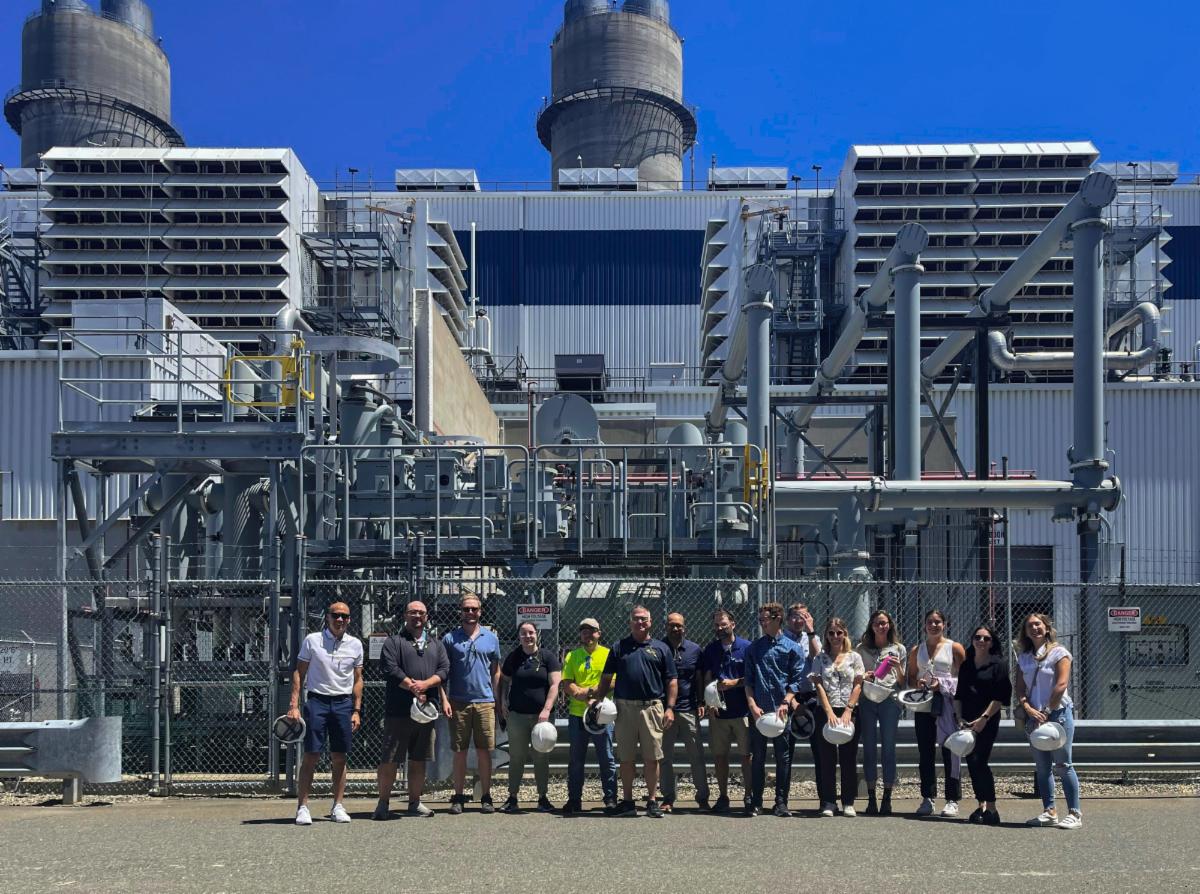
A group of Competitive Energy Services team members hit the road this summer to visit the Mystic Generating Station – Units 8 & 9, located in Everett, Massachusetts. Similar to other company-encouraged energy site tours and road trips, this CES team visit is part of CES Connections, an internal culture-building initiative that, in part, offers education experiences for CES employees.
“The visit to the Mystic Generating Station proved to be an invaluable learning opportunity for the team, who observed the efficiently run plant firsthand while also gaining a deeper understanding of the station’s integral role in the energy mix in New England. The Mystic Generation Station is important because of its capacity to produce 1400 MW of power. Today, there is currently not enough generation to replace it from other sources. More importantly, our region is reliant on the plant. On those days in the summer and winter when we need them the most, Mystic is there,” said Chris Brook, Director of Natural Gas & Energy Services
Owned and operated by Constellation Energy Company, the Mystic Generating Station is a power station with the highest nameplate capacity of any power facility in the state. It’s a 1,413-megawatt (MW) natural gas-fueled electric generation facility capable of burning both natural gas and petroleum, but mostly burns natural gas. Mystic 8 and 9 are two-on-one combined-cycle gas turbines. Mystic 8 has a capacity of 703 MW, and Mystic 9 has a capacity of 710 MW.
Mystic 8 and 9 are currently scheduled to be shut down in mid-2024. Constellation had filed notice of its intent to shutter the units previously but agreed to keep them online through May 2024 in exchange for receiving out-of-market incentive payments. ISO-NE deemed that the two units were important for regional fuel security. The units generate electricity using liquified natural gas (LNG), imported by ship to the Everett LNG terminal in Boston harbor, and not from pipeline natural gas. New England has insufficient natural gas pipeline capacity to meet both heating and power generation needs during New England’s peak winter heating season.
CES wishes to thank Mystic and Constellation for hosting our team.
|
|
CES to Speak New England Healthcare Engineers Society
|
|
In their session titled, “Distributed Generation Implementation & Sustainability Planning: How to Balance the Financial Impacts of Your Sustainability Targets,” Keith and Larry will address the topic of distributed generation, state-distributed generation incentives, and best practices for how to analyze distributed generation projects from an output, efficiency, and financial perspective.
As the New England states get more assertive with renewable targets, healthcare facilities need to adapt to a new world of carbon reduction and sustainability planning. Distributed generation, which can include any number of technologies that generate electricity at or near where it will be used is something healthcare facilities can take advantage of to begin to combat climate change. Many of these technologies are highly incentivized and each state in New England has different programs to make these technologies financially sound.
Choosing which options best align with an institution’s targets can be challenging as both costs and additionality must be weighed and stakeholders across the company must be rallied for these discussions as the path to carbon neutrality touches facilities, finance, operations, materials management, and others.
If you’re interested in learning more about distributed generation for your institution, please register to attend the NEHES conference this September. As always, feel free to also reach out to your CES Energy Services Advisor for more information.
|
|
CES/UMASS Lowell Educational Session at National APPA Conference
|
|
Most facilities face the challenge of making long-term investments in energy infrastructure that are cost effective, reliable, and reduce CO2 emissions.
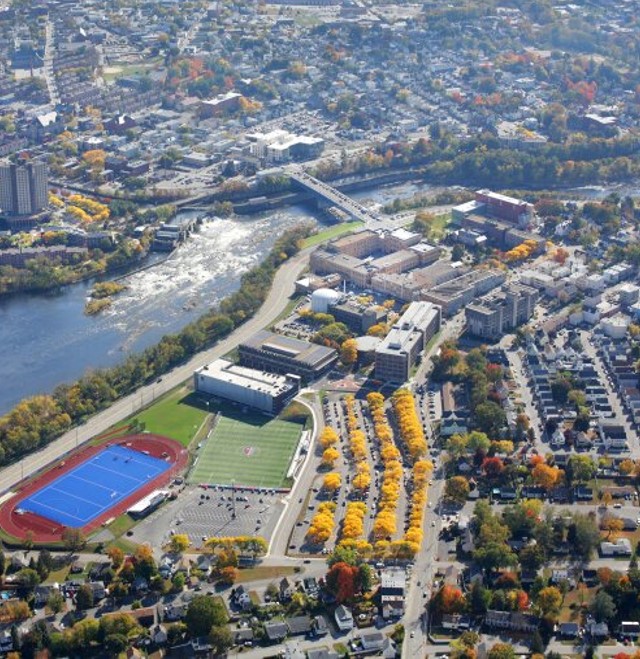
This case study presentation offered alternative and achievable solutions and showed UMass Lowell's comprehensive approach to reducing energy and CO2 emissions on its path toward decarbonization. Keith and Dan shared lessons learned on how UML has already met the state’s 2030 goals for decarbonization and detailed the Accelerated Energy Program, Alternative Energy Masterplan, and energy purchase strategies that contribute to this success as they continue their path towards net-zero by 2050.
Our thanks to everyone who attended our session! We look forward to this event every year. If you have questions regarding current or long-term energy solutions for your company or institution, please feel free to reach out to Keith Sampson, Senior Vice President, Energy Services today!
Photo courtesy of UMass Lowell
|
|
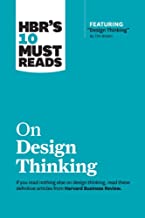
Published in April 2020, these 10 articles are a must read on the topic of design thinking for a competitive advantage. Harvard Business Review combed hundreds of articles and selected what they felt were the most important ones to help companies use design thinking to produce breakthrough innovations that transform organizations. This book will inspire you to produce products that people love, fail small and learn quickly, provide the support that design teams need to flourish, foster a culture of experimentation, counteract the biases that perpetuate the status quo and thwart innovation, sharpen your own skills as a design thinker, and adopt practices from design-driven powerhouses!
|
|
|
|
If you have a pressing energy question, or would like to hear about a particular topic in a future edition of the CES Insider, please contact us on our website today. We look forward to hearing from you! |
|
|
|
|
|
|