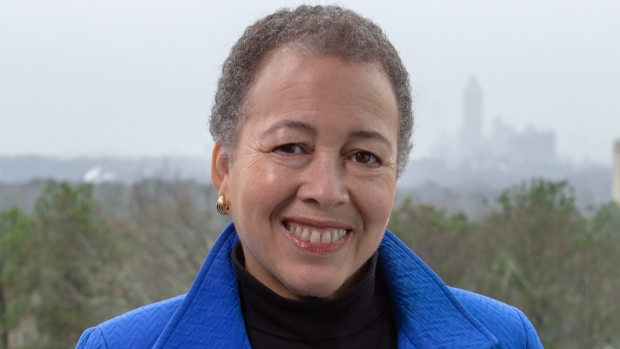
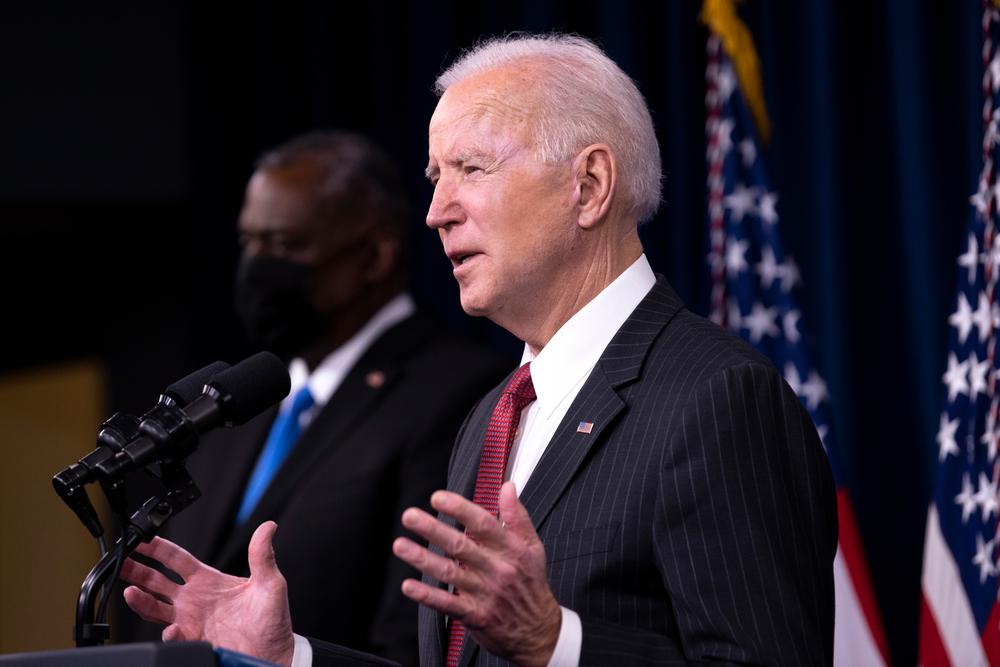
Mount Holyoke College named former Spelman College President Beverly Daniel Tatum as interim president, taking over in July for Sonya Stephens, who announced she would be leaving in the summer to head the American University in Paris. Tatum has authored several books, including the best-selling Why Are All the Black Kids Sitting Together in the Cafeteria? And Other Conversations About Race (1997) and Can We Talk About Race? And Other Conversations in an Era of School Resegregation (2007). ... Rhode Island Gov. Dan McKee appointed Dennis J. Duffy, who is vice president of regulatory affairs for Boston-based Energy Management Inc., to chair the state's Council on Postsecondary Education, succeeding Tim DelGiudice who announced in March that he would step down as chair. ... President Biden appointed MassINC Chief Operating Officer and former Massachusetts state Rep. Juana Matias, the first Latina immigrant elected to the chamber, to be the regional administrator for the U.S. Department of Housing and Urban Development (HUD) for Region 1 (the six New England states). ... See more on these and other changes in NEJHE's Comings and Goings tally of new appointments in New England higher ed and beyond.
Pictured: Beverly Daniel Tatum
|
|
|
From time to time, NEJHE revives the presentation of facts and figures called Data Connection that we had published quarterly for nearly 20 years in the print editions of The New England Journal of Higher Education, formerly known as Connection. This edition juxtaposes data on how students view their skills vs. how employers do, inclusive—and exclusive—admissions, men's and women's fortunes in college sports, who rides with police, temperature warnings from the Gulf of Maine and more.
|
|
|
President Joe Biden's budget proposal for fiscal 2023 includes doubling the maximum Pell Grant by 2029 and increasing the maximum Pell Grant amount by $2,175 for the 2023-24 academic year. The president’s proposal also outlines plans to provide $2.7 billion to the Department of Education’s Office of Federal Student Aid to provide better support to student loan borrowers. ... Read the latest from NEJHE's DC Shuttle, featuring national news drawn from our friends at the New England Council.
|
|
|
Tidbits from the NEJHE Beat ... |
|
|
Brief items from the "NEJHE Beat"—that unique constellation of issues connected to higher education and also to social justice, economic and workforce development, regional cooperation, quality of life, academic research, workplaces and other topics that together say "NEJHE."
|
|
|
Recently from The New England Journal of Higher Education
|
|
|
Courage has become a superlative attribute in our age. Healthcare workers courageously work on the frontlines of Covid-19. Ukrainian President Zelensky exhibits courage against foes of democracy. These figures risk their personal security for the benefit of others and higher ideals. Higher education is also newly interested in courage as a centering ideal. But "courage’s unique ingredient—personal risk—is uniquely threatened on campus," writes Kyle Sebastian Vitale of the Heterodox Academy. Vitale reflects on a recent incident at Yale University in which student protesters disrupted a bipartisan Federalist Society panel about religious freedoms. "The Yale event featured little personal risk," he writes. "Students hid behind signs and cries that freedom of speech justified their actions. Missing was the vulnerability of actual discussion, and with it the risk of one’s views undergoing scrutiny. This was about abolishing discomfiting views, not the small sacrifice of listening to others."
|
|
|
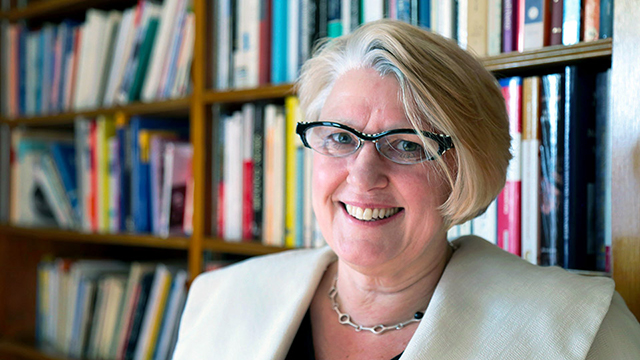
A Florida bill that would prohibit discussions of sexual orientation and gender identity in kindergarten through third grade public school classrooms has made its way toward the desk of Gov. Ron DeSantis. Mount Holyoke College President Sonya Stephens writes that the bill dubbed by opponents, the “Don’t Say Gay” bill, is less about protecting students than it is about fueling America’s political divide. The Florida bill is part of a nationwide trend as 15 similar bills now move through other state legislatures. Stephens notes that Republicans have found linking divisive issues of race, sexual orientation and gender identity to parents’ concerns about what their children are being taught in public schools is an effective means to win at the ballot box—as Gov. Glenn Youngkin’s recent victory in Virginia indicates. Not only do these bills undermine the real progress LGBTQ people have made in our society over the past 50 years, Stephens writes, but they also further erode trust in some of our most dedicated and undercompensated public servants: school teachers and administrators.
Pictured: Mount Holyoke College President Sonya Stephens
|
|
|
The Supreme Court will hear two cases this fall that could bar colleges and universities from using race as a factor in admissions. Diversity is critical to the spread of ideas and learning. Yet past affirmative action bans decreased Black student enrollment by as much as 25% and Hispanic student enrollment by nearly 20%. And while the bans discourage minority applicants, they don't result in academically better student bodies. One recent study showed SAT math scores among groups of accepted students tended to drop after such bans. Higher education attorney Chelsie Vokes explains why colleges need to prepare now for the day, coming perhaps as soon as next spring, when the Supreme Court outlaws race-conscious college admissions.
|
|
|
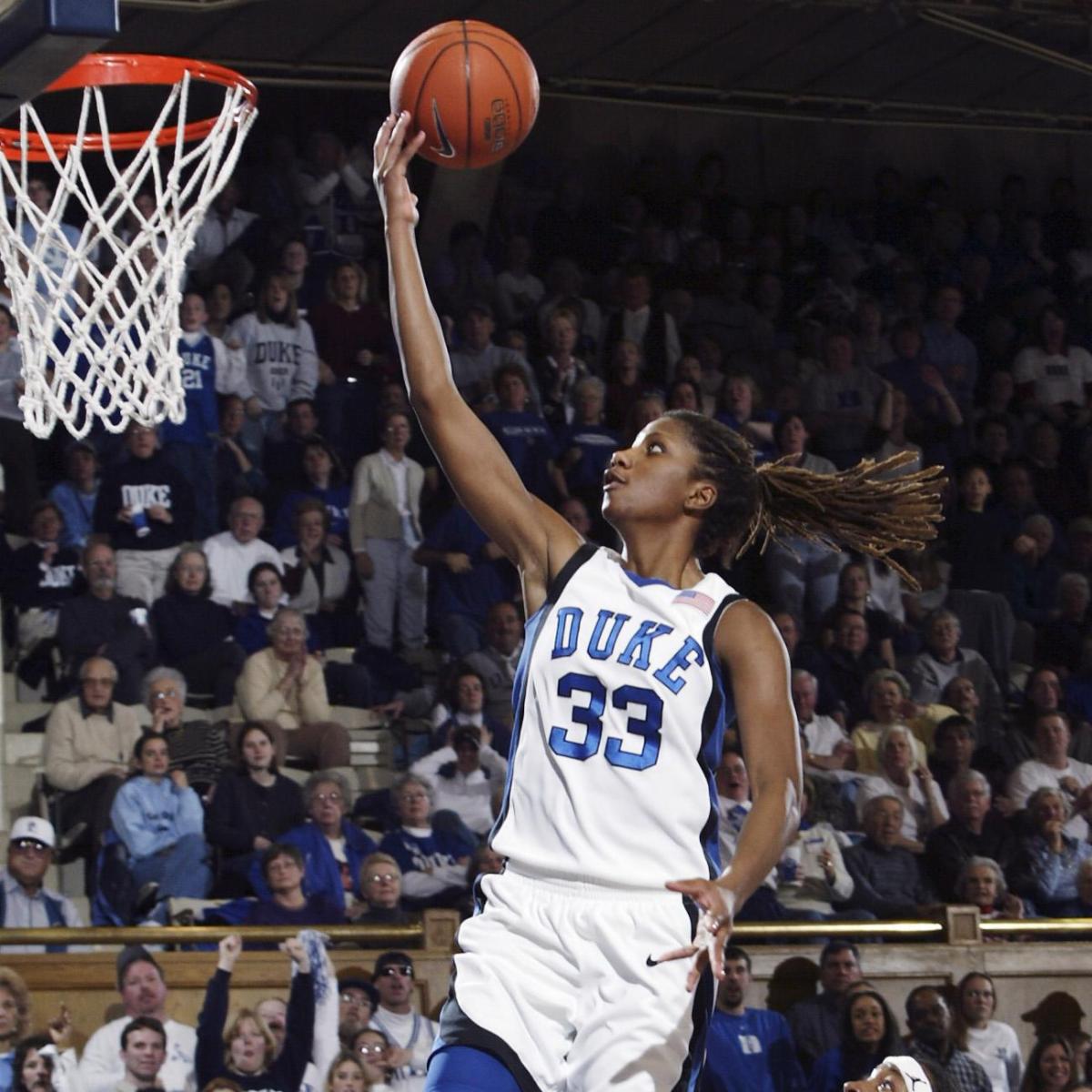
The rules around compensation for college athletes has changed. Players still cannot be paid directly for their play. But, like pro athletes, they can license and profit off their name, image and likeness (NIL). And as with any change involving big-money sports, bigger-money commercial opportunities, popular celebrities and the law, the new playing field "will open opportunities for the crafty and nimble, along with traps for the greedy and unwary," writes Iciss Rose Tillis, an attorney at the firm of Hall Estill and former WNBA and Duke University basketball player. Tillis and her coauthor, Hall Estill colleague Jon A. Epstein, say it's too early to predict all those opportunities and traps, but offer some issues to consider as institutions and students grapple with the strange new world of NIL.
Pictured: Attorney Iciss Rose Tillis playing for Duke
|
|
|
We seek two college students (juniors, seniors or grad students) to work and learn at NEBHE, one as a Communications Intern and one as a Journalism Intern. Responsibilities will include drafting content posted to the NEBHE website, writing news releases, assisting with soliciting and editing commentary by staff and outside contributors to The New England Journal of Higher Education (NEJHE), creating and editing video clips and helping with social media and email communications. Students with federal work-study funds preferred.
|
|
|
NEJHE NewsBlast is a summary of NEJHE content and other news around NEBHE prepared weekly by NEJHE Executive Editor John O. Harney and emailed every Wednesday to opinion leaders and practitioners. When responding to NEJHE content, please make sure that your remarks are relevant, courteous and engaging. Individuals are responsible for their comments, which do not represent the opinions of the New England Board of Higher Education. We urge commenters to briefly note their occupational or other interest in the topic at hand. Please refrain from offensive language, personal attacks and distasteful comments or they may be deleted. Comments may not appear immediately. Thank you for staying engaged.
|
|
NEJHE NewsBlast is sponsored by
|
|
For more information about partnering with NEBHE, click here
or send an email message to our events coordinator Marla Phippen.
|
|
© 2020 New England Board of Higher Education |
|
|
|
|
|
|
|