|
|
A Message from Our Co-Speakers,
Robert Hogg and Alex M. McComber
|
|
|
|
|
Tēnā koe, Wa’tkwanonwera:ton,
|
| |
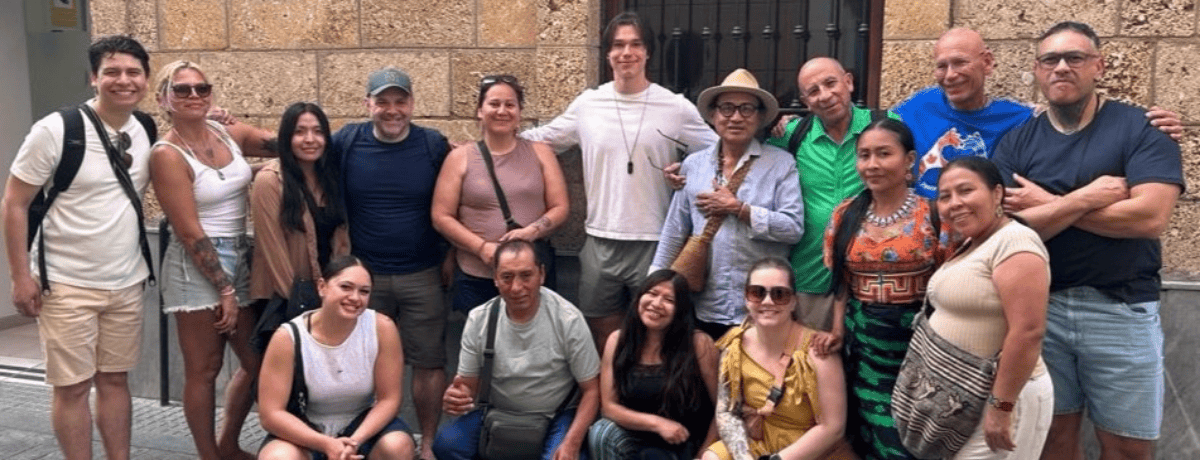
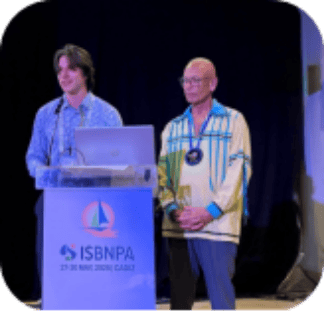
Our best greetings to you and trust that you are well. As we reflect on the months since ISBNPA 2026 in Cádiz, we think fondly of the many relationships and connections that were formed and strengthened during our time together.
|
The IWRC had a strong presence at the conference through presentations, a symposium, a workshop, and many meaningful conversations with conference delegates. These gatherings created respectful space to share how Indigenous ways of knowing, being, and doing provide a strong foundation for nurturing physical activity, nutrition, and wholistic wellbeing in research and practice. Common themes emerged, including the importance of intergenerational knowledge, respectful community relationships, and supporting the wellbeing of future generations. We also heard how relevant Indigenous perspectives are across diverse areas of research and in both Indigenous and non-Indigenous contexts, namely, in areas of environmental protection and land stewardship.
|
As we continue this journey together, we see opportunities to bring different ways of knowing into conversation to address some of the most pressing wellbeing challenges facing our communities and societies today. We focus on strengthening relationships with ISBNPA members while creating more opportunities for exchange and collective learning.
|
In this issue, we share the IWRC's goals and future directions, reflect on our involvement at ISBNPA 2026 in Cádiz, revisit a past webinar, highlight one of our members, and look ahead to upcoming initiatives. We invite you to explore this newsletter, connect with our growing community, and consider joining the Circle. All are welcome!
|
| |
Warm regards,
|
| |
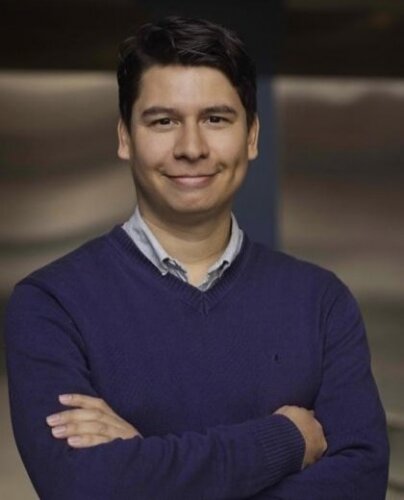
Co-speaker, Robert Hogg, MEdL, PhD candidate, Faculty of Health and Environmental Sciences, Auckland University of Technology, Aotearoa New Zealand.
|
|
| | |
|
|
Interim Co-speaker, Alex M. McComber, M.Ed., Community Researcher, Kahnawà:ke Schools Diabetes Prevention Program, Kahnawà:ke Mohawk Territory, Quebec, Canada
|
|
| | |
|
|
** The leadership title “Co-Speaker” (as the voices that represent the IWRC) is used to highlight our distinct perspectives of leadership within Indigenous societies **
|
IWRC Goals and Future Directions
|
|
|
|
|
Our collective vision is to foster research and practice that is accountable to Indigenous Peoples, communities, and ways of knowing. Looking ahead, the Circle is focused on strengthening relationships with Indigenous scholars, Knowledge Carriers, and communities across Turtle Island, Abya Yala, Aotearoa, and beyond, while creating more opportunities for mentorship, exchange, and collective learning with Indigenous Peoples and allied scholars from other Territories and Nations.
|
We are also working to build connections across ISBNPA by engaging with broader priorities such as earth protection, sustainability, and community-engaged research, and by advocating for structures that better support Indigenous leadership, participation, and multilingual accessibility in our ISBNPA space.
|
| |
|
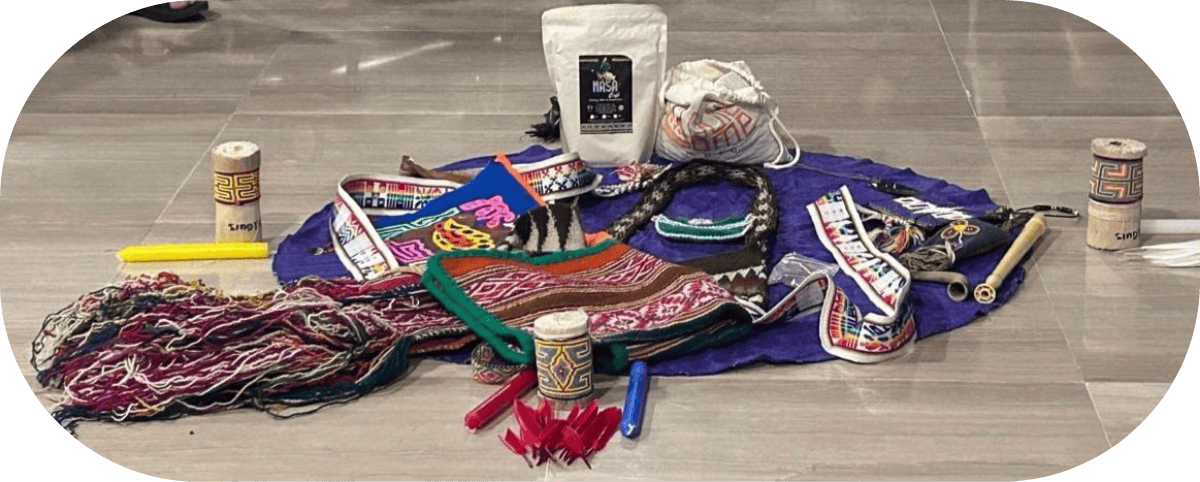
A circle of gifts from different Nations and cultures. These gifts represent our Peoples coming together to share knowledge, experiences, and ways of being. In the same spirit, we invite people across ISBNPA to learn from one another and support each other.
|
IWRC at ISBNPA 2026 in Cádiz, Spain
|
|
|
|
|
Pre-Conference Workshop
|
“Sustaining Wellbeing through Mentorship and Intergenerational Knowledge Exchange: Indigenous Perspectives from Turtle Island (North America), Abya Yala (South America) and Aotearoa (New Zealand)”.
|
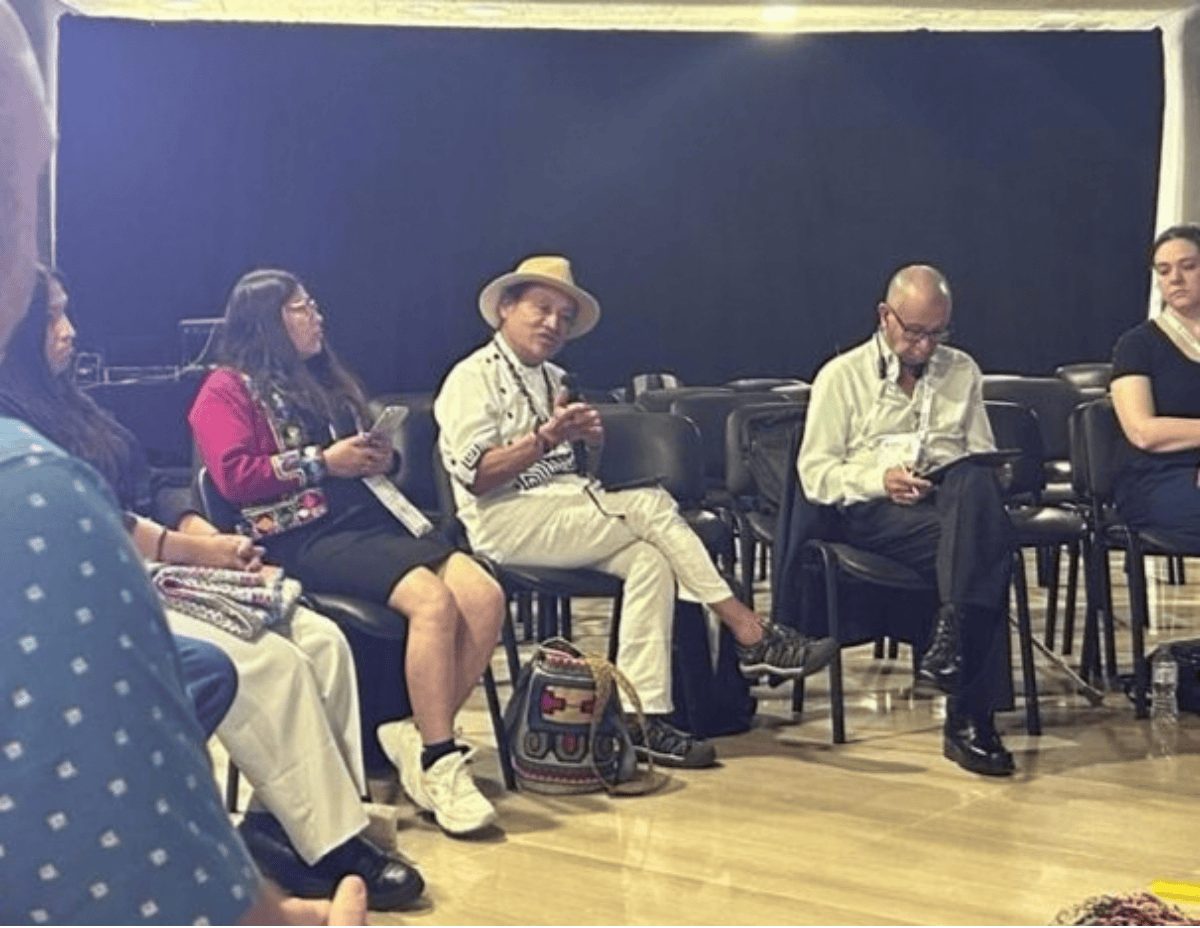
This session brought together Indigenous community members, trainees, elders, knowledge keepers and allied researchers to explore Indigenous understandings of wellbeing.
| | |
|
| | |
|
|
| | Through sharing circle storytelling and knowledge sharing, each participant reflected on how the land, language, food systems, physical activity, and intergenerational relationships sustain wellbeing through the cultural lens of their communities and peoples.
|
|
|
|
|
Our discussions highlighted food sovereignty, Indigenous languages as vehicles of knowledge, dancing and social connection as forms of healing, and the importance of balancing wholistic wellbeing, community protection, and responsibilities to Mother Earth. Participants also shared common teachings across cultures and creation stories, emphasizing a Mother Earth pedagogy and the interconnected relationships that support wellbeing across Indigenous communities worldwide.
|
|
| | |
|
|
Pre-conference Gathering
|
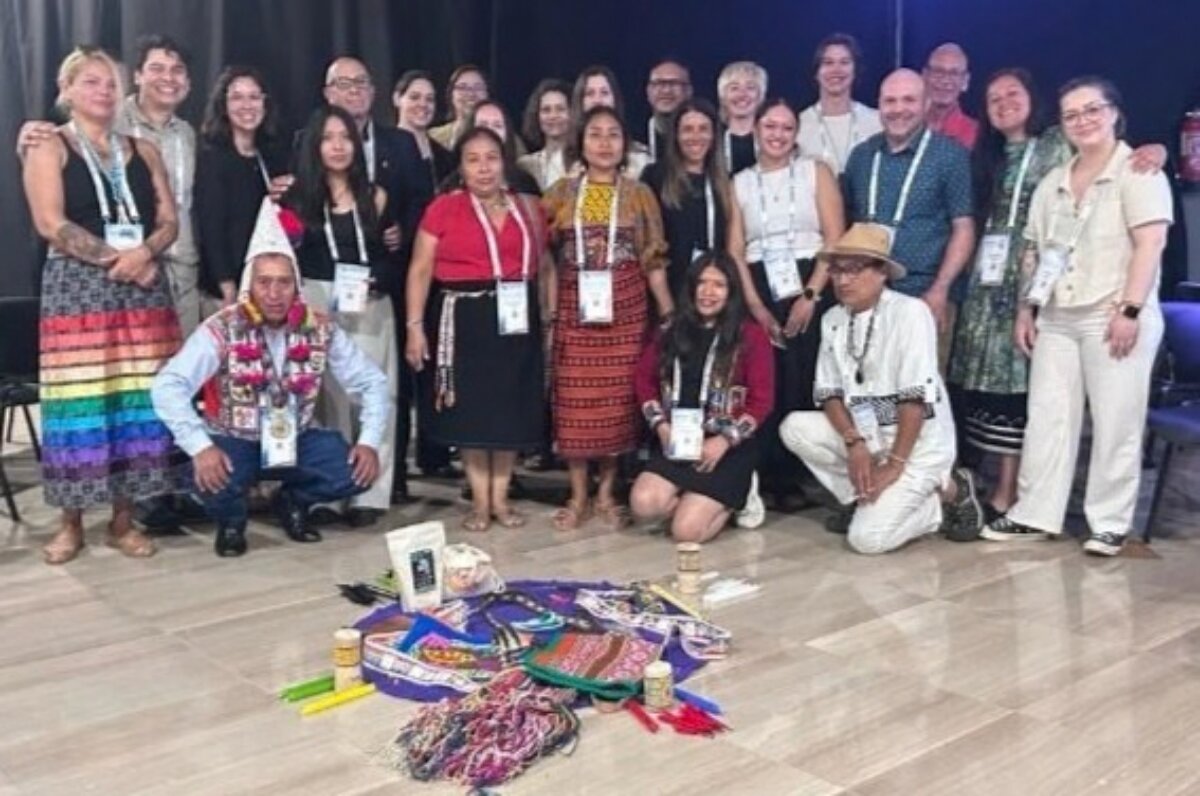
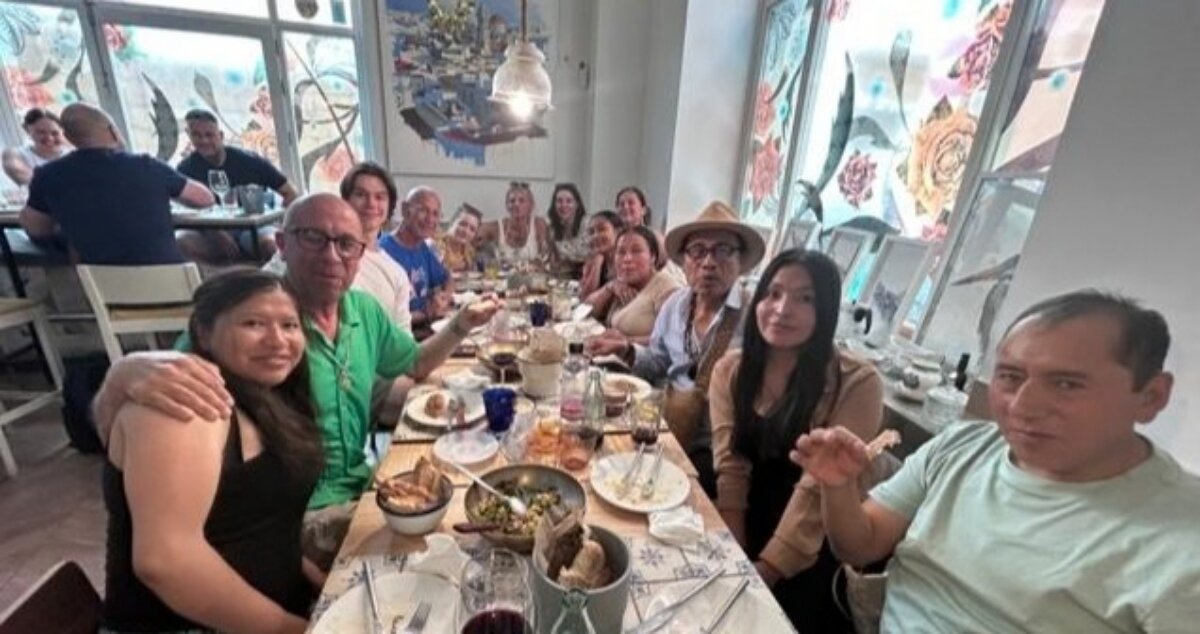
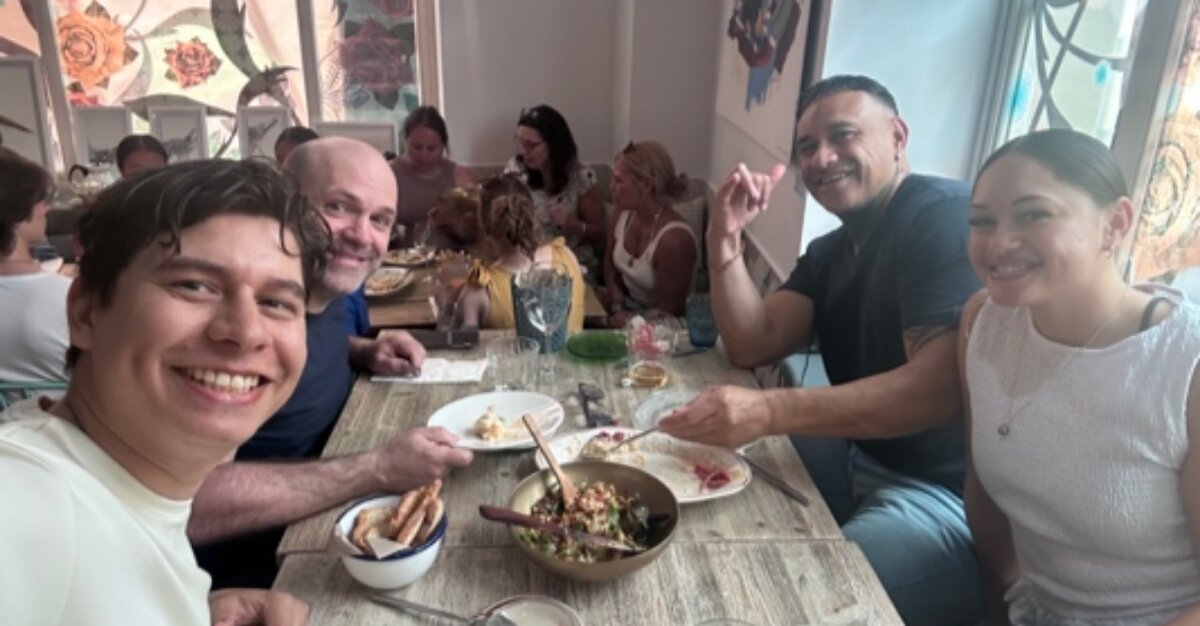
The IWRC began our time in Cádiz with a gathering of our members from Turtle Island (North America), Abya Yala (South America) and Aotearoa (New Zealand) by coming together to reconnect old colleagues and to meet new partners through food and the ceremony of meeting one another to connect and know each other. We gathered together in this way and begin the conference grounded in relationship and respect.
|
|
|
IWRC Symposium
|
Relational Pathways to Wellbeing: Revitalizing Indigenous Mentorship, Rites of Passage, and Community Health Promotion
|
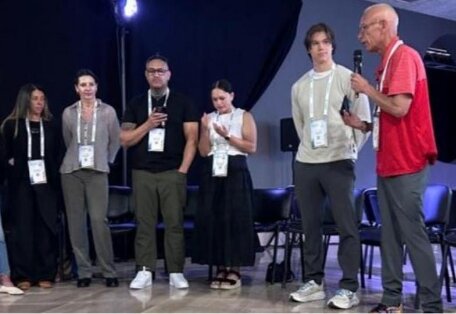
Our symposium highlighted Indigenous-led approaches to strengthening wellbeing through mentorship, cultural teaching, community mobilization, and rites of passage. Three pairs of presenters shared how intergenerational relationships, ceremony, land-based learning, and Indigenous knowledge systems foster identity, leadership, resilience, and collective wellness, while advancing culturally grounded and community-accountable approaches to health promotion that is accountable to future generations.
|
Oheró:kon: Revitalizing Rites of Passage for Haudenosaunee Youth and Community Wellbeing. Presented by Jessica Shenandoah, Kanien’keha:ka and Jonel Beauvais, Kanien’keha:ka
|
|
| | |
|
|
| |
Centering Māori Knowledge for Youth Wellbeing. Presented by TeAwerangi Hogg, Māori, and Robert Hogg, Māori
|
|
|
|
|
Transformational Mentorship: A Relational Journey in Indigenous Health Promotion. Presented by Cameron Hare, Métis and Alex M. McComber, Kanien’keha:ka.
|
|
| | |
|
|
More information about IWRC ISBNPA conference sessions can be found in the ISBNPA scientific program.
|
|
Juan Camilo Calderón Farfán
|
Juan Camilo is a Colombian academic, Registered Nurse, Master in Public Health, and PhD in Health Sciences. He is an Associate Professor at Universidad Surcolombiana (Colombia) and a Postdoctoral Researcher at Université du Québec à Rimouski (Canada) within the Community-to-Community (C2C) project, in collaboration with the Kahnawà:ke Schools Diabetes Prevention Program (KSDPP).
|
|
| | |
|
|
His work integrates public health, community-based participatory research (CBPR), food sovereignty, and Indigenous and intercultural health. For over a decade, he has led collaborative studies with the Nasa community and other Indigenous groups in Colombia on food sovereignty, maternal-child health, and ancestral knowledge, shaping local child nutrition policies. At ISBNPA 2026 in Cádiz, Spain, he helped organize and facilitate the pre-conference workshop on intergenerational knowledge exchange and wellbeing among Indigenous communities from Turtle Island, Abya Yala, and Aotearoa.
|
Juan Camilo conceives research as a way of learning, governing together, and community weaving. Through horizontal, decolonial methodologies, he promotes Buen Vivir (Good Living) and dialogue across knowledge systems. He is deeply honoured to be part of the IWRC, where he brings a Latin American perspective and considers this work to be one of the most significant contributions to his academic journey.
|
| |
|
IWRC members came together to share the Circle's vision, goals, and guiding values while building relationships with one and discussed Indigenous perspectives on wellbeing, reflected on the role of Indigenous ways of knowing, being, and doing in research and practice, and escribed how the IWRC operates in the ISBNPA space.
|
If you missed our last webinar, you may view the recording here: https://isbnpa.org/webinar/may-12-indigenizing-wellbeing-research-circle-webinar/
|
Stay tuned for our next Circle webinar coming November 2026!
|
| |
Be Featured in Our IWRC Member Spotlight
|
|
|
|
|
Each IWRC Newsletter highlights the exciting work of IWRC members. We invite you to submit a paragraph (250 words), that describes your project, the community and team, and some of the highlights of the work. We welcome photos, video clips, and or other related art and media.
|
Please send your Spotlight package to the IWRC Circle Keeper
Cameron Hare: hare.cameron@queensu.ca
|
Thank you for reading our newsletter!
|
|
|
|
|
We warmly invite all ISBNPA members who are interested in Indigenizing Wellbeing research to join our Circle via the ISBNPA SIG registration. Please feel free to share this newsletter with others.
|
Click here to visit the IWRC website
|
For future contributions, questions, or comments, please contact Circle Keeper, Cameron Hare: hare.cameron@queensu.ca
|
| |
Stay in the loop by following ISBNPA on LinkedIn and Instagram
|
| |